
-
Email
-
WhatsApp
-
Address
Zhengzhou, China
Zhengzhou, China
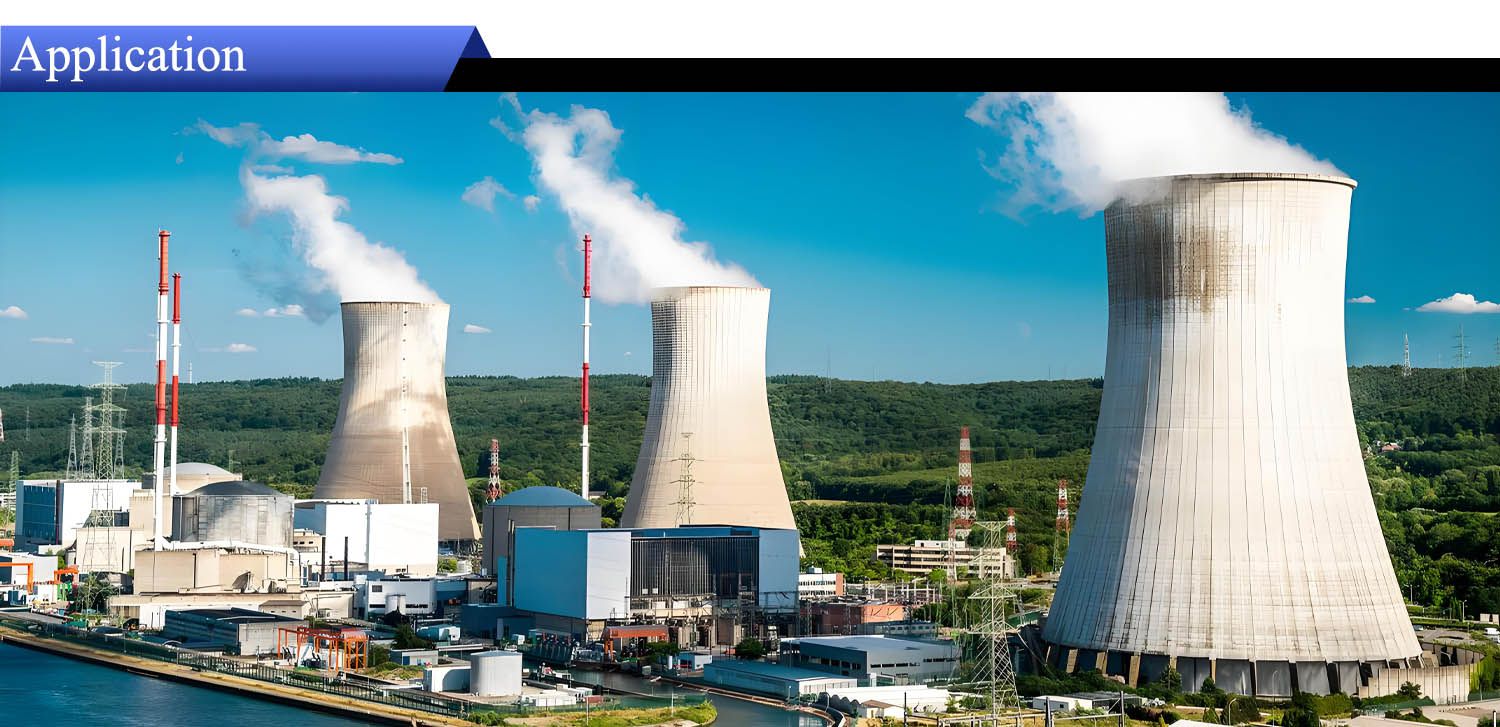
Seamless stainless steel pipes for nuclear power plants are high-end piping materials used in key circuits and auxiliary systems within nuclear facilities. They are primarily responsible for coolant transport, steam transfer, and safety medium circulation.
Due to the demanding operating conditions of nuclear power plants, such as high temperature, high pressure, radiation exposure, and high-purity media-these pipes must meet extremely stringent requirements in terms of corrosion resistance, radiation resistance, structural stability, and long-term reliability.
With their seamless structure, uniform microstructure, and minimal defects, seamless stainless steel pipes are widely used in the nuclear industry and are essential for ensuring safe and stable plant operation.
| GB Grade | ASTM Grade | Key Features | Typical Applications |
| 06Cr19Ni10 | TP304 | General corrosion resistance, good weldability | Class 3 / non-nuclear piping, instrumentation tubes |
| 022Cr19Ni10 | TP304L | Ultra-low carbon, resistant to intergranular corrosion | Welded structures, heat exchanger tube sheets |
| 06Cr17Ni12Mo2 | TP316 | Molybdenum added, resistant to pitting and crevice corrosion | Secondary loop, seawater systems, instrumentation lines |
| 022Cr17Ni12Mo2 | TP316L | Low carbon version, no sensitization after welding | Auxiliary primary loop, heat exchanger tubes |
| 06Cr18Ni11Ti | TP321 | Titanium stabilized, resistant to high-temperature sensitization | High-temperature pipelines, steam generator tubes |
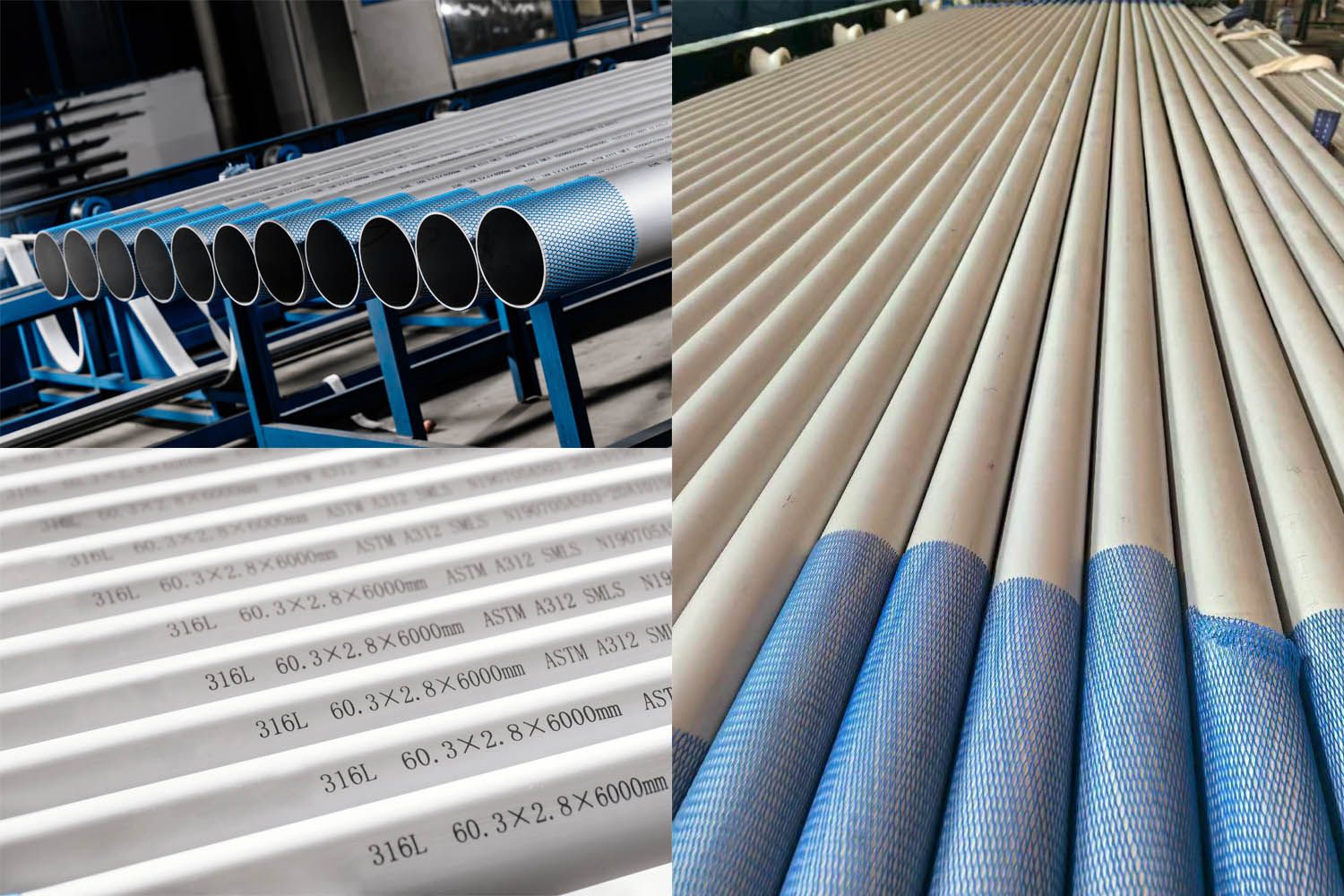
1. High Safety and Reliability
Seamless structure eliminates weld defects, making it suitable for nuclear safety systems.
2. Excellent Corrosion Resistance
Performs well in high-purity water, boric acid solutions, and other nuclear-grade media.
3. Stable Radiation Resistance
Maintains mechanical properties and structural stability under neutron irradiation.
4. Strong Resistance to Stress Corrosion Cracking (SCC)
Suitable for long-term high-temperature and high-pressure service.
5. High Cleanliness Requirements
Strict control of inclusions and impurities to meet nuclear-grade standards.
| Application Category | Outer Diameter (OD) | Wall Thickness (WT) | Length | Manufacturing Process |
| Class 1 Main Piping | 400–1000 mm | 30–80 mm | 6m, 9m, 12m (fixed) | Hot rolled + forging |
| Heat Exchanger Tubes | 19–51 mm | 1.2–3.5 mm | 3–12 m (straight, U-tube, Π-tube) | Cold drawn + cold rolled (precision) |
| Instrument Tubing | 6.0–57.0 mm | 0.8–5.0 mm | 4–6 m (fixed) | Cold drawn (high precision) |
| Class 2/3 Piping | 25–426 mm | 3–25 mm | 6m, 9m, 12m | Hot rolled / cold drawn |
| Non-nuclear Auxiliary Pipes | 10–325 mm | 1.5–20 mm | 4–12 m | Cold drawn / hot rolled |
| Grade | Tensile Strength (MPa) | Yield Strength (MPa) | Elongation (%) | Reduction (%) | Hardness (HB) |
| TP304 | 515 | 205 | 45 | 60 | ≤187 |
| TP304L | 485 | 175 | 45 | 60 | ≤187 |
| TP316 | 515 | 205 | 45 | 60 | ≤187 |
| TP316L | 485 | 175 | 45 | 60 | ≤187 |
| TP321 | 515 | 205 | 40 | 55 | ≤201 |
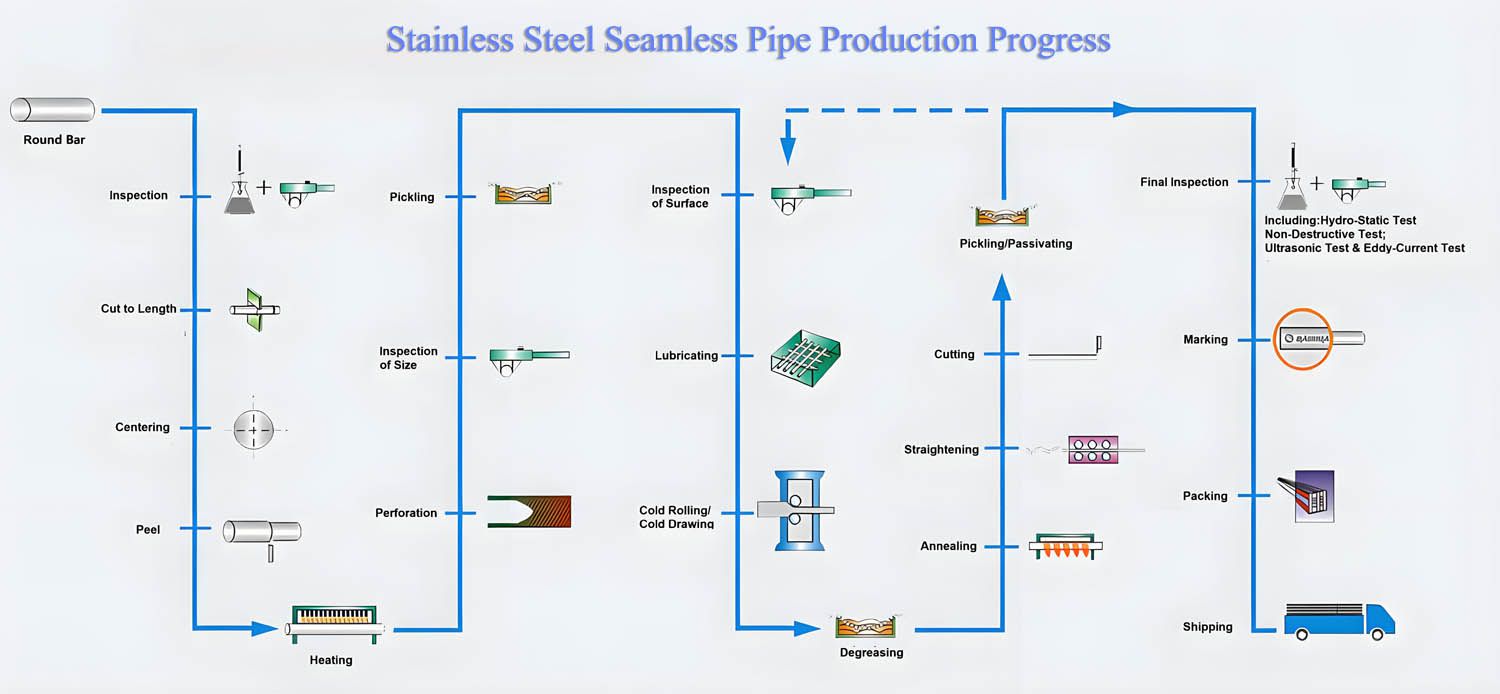
The production of seamless stainless steel pipes is mainly divided into two categories: hot rolling (extrusion) and cold drawing (rolling).
Hot Rolled Pipes:
Round billets are heated to approximately 1200°C, pierced into hollow tubes, and then formed through rolling or extrusion processes. This method offers high efficiency and is suitable for large-diameter pipes.
Cold Drawn Pipes:
Based on hot-rolled pipes, further cold processing (multi-pass drawing, annealing, pickling) improves dimensional accuracy and surface finish. This is essential for high-cleanliness applications such as food and pharmaceutical industries.
1. Reactor Coolant System (Primary Loop Main Piping)
Function: Connects reactor pressure vessel and steam generator
Requirement: Withstand extreme temperature fluctuations and neutron radiation
Material: Large diameter, thick-wall 316LNG austenitic stainless steel
2. Steam Generator (SG) Heat Transfer Tubes
Function: Core heat exchange between nuclear and conventional islands
Requirement: High thermal conductivity and SCC resistance
Material: Incoloy 690 nickel-based seamless tubes
3. Safety Injection & Emergency Core Cooling System (ECCS)
Function: Emergency cooling during accident conditions
Requirement: Absolute reliability after long standby periods
Material: 304NG or 321 high-performance stainless steel
4. Spent Fuel Storage & Reprocessing Systems
Function: Handling radioactive fuel assemblies
Requirement: Resistance to complex chemical corrosion and long-term immersion
Material: Duplex stainless steel or advanced austenitic grades with high pitting resistance
 01
01
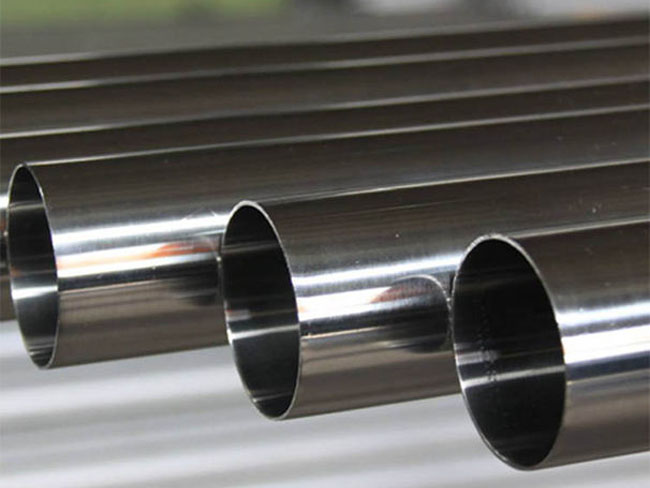
TP304 stainless steel seamless pipe (ASTM A312/A213 TP304) is one of the most widely used austenitic stainless steel pipes in industrial applications. With its excellent corrosion resistance, outstanding workability, and stable performance in both high an
 02
02
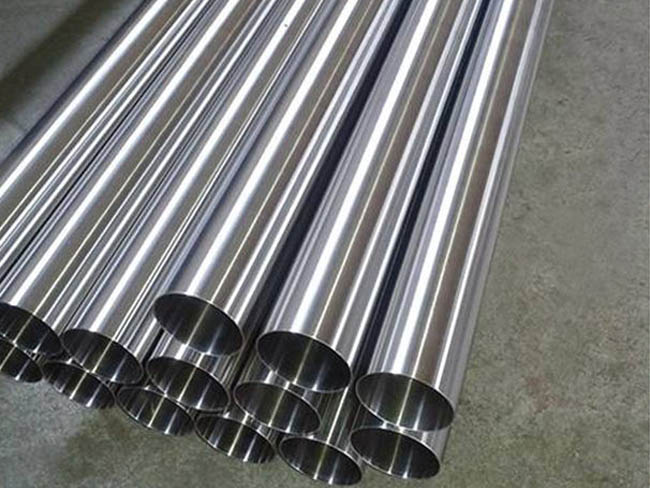
TP316L seamless stainless steel pipe conforms to ASTM A312, A213 and A269 standards, and has excellent corrosion resistance and low carbon welding performance, making it suitable for the chemical, shipbuilding, pharmaceutical and food industries.
 03
03
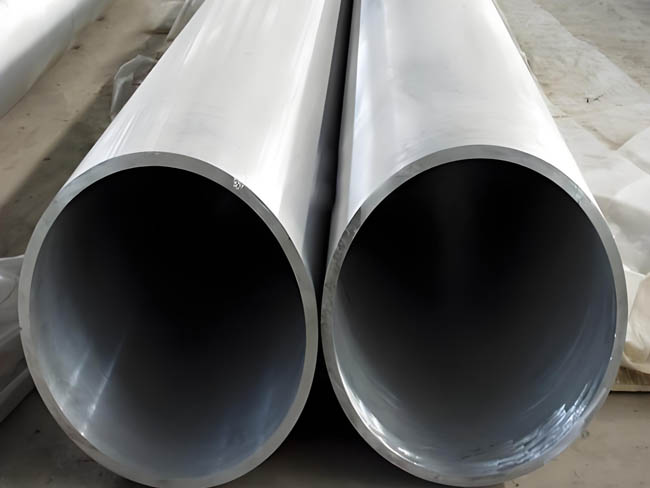
TP316 seamless stainless steel pipe offers excellent corrosion resistance and strength for chemical, marine, food, and petrochemical applications. Manufactured to ASTM A312, A213, and EN 10216-5 standards with customizable sizes and finishes.
 04
04
Large diameter seamless steel pipes typically refer to pipes with an outer diameter of 219 mm or larger, and in some cases up to 1020 mm. Compared with standard-size pipes, large-diameter seamless pipes are manufactured using advanced hot rolling or hot e