
-
Email
-
WhatsApp
-
Address
Zhengzhou, China
Zhengzhou, China
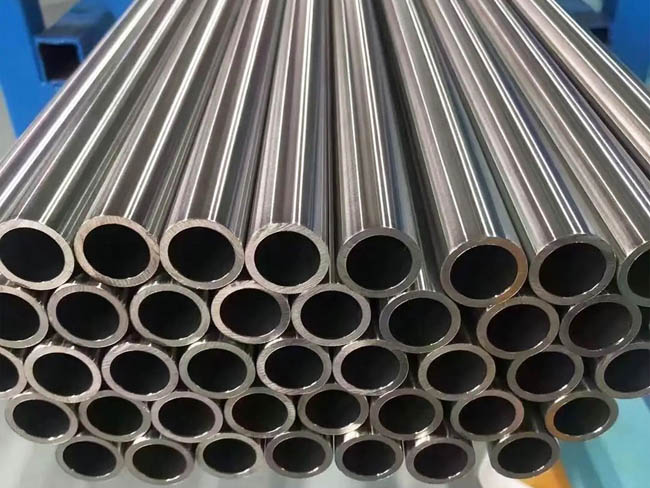
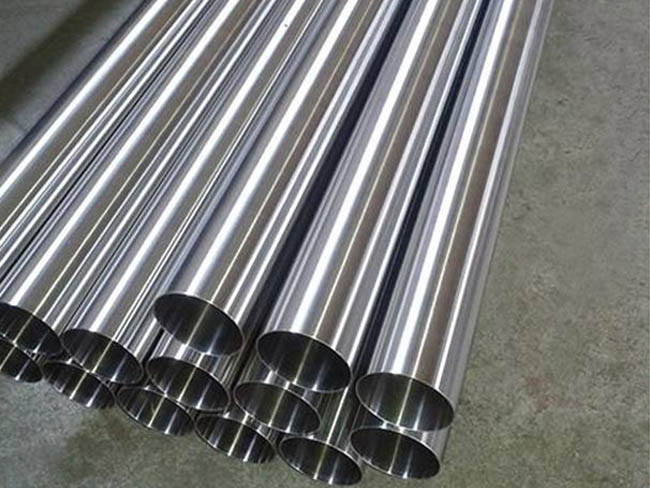
Marine seamless stainless steel pipes are manufactured from austenitic stainless steels such as 304, 304L, 316, and 316L. They feature excellent seawater corrosion resistance and high structural strength, and are widely used in ship piping systems, seawat
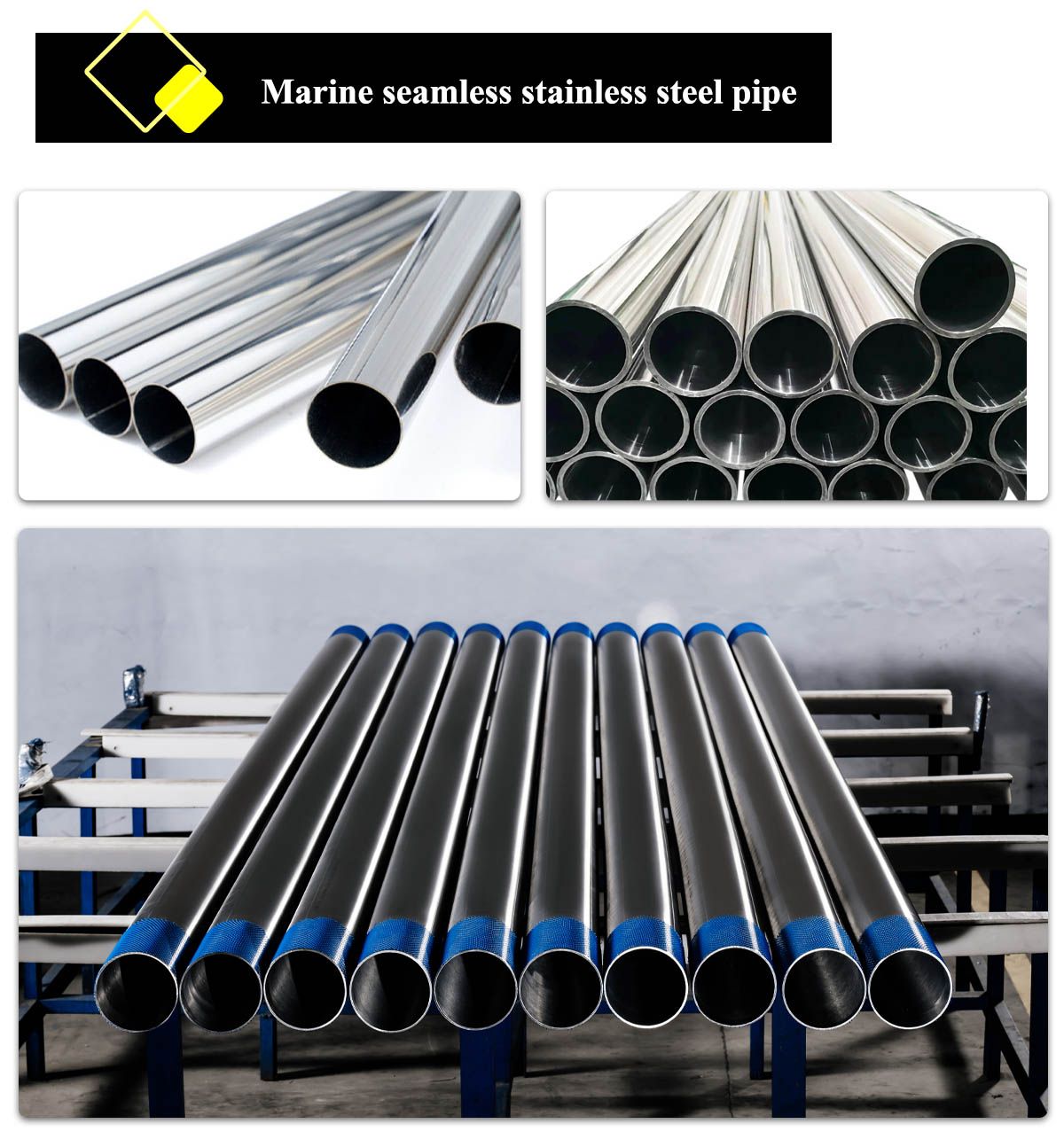
Contact USMarine seamless stainless steel pipes are high-performance pipes specifically designed for shipbuilding and offshore engineering applications. These pipes are manufactured from austenitic stainless steel materials such as 304, 304L, 316, and 316L through hot rolling or cold drawing processes. With a seamless structure and no welded joints, they offer excellent mechanical properties and corrosion resistance.
Marine environments contain large amounts of chloride ions, salt spray, and humid heat, which place extremely high demands on the corrosion resistance of metal materials. By adding alloying elements such as chromium (Cr), nickel (Ni), and molybdenum (Mo), marine seamless stainless steel pipes can effectively resist seawater corrosion and stress corrosion cracking, ensuring long-term stable operation of ship piping systems.
In addition to special material requirements, marine seamless pipes must have smooth inner and outer surfaces, small dimensional tolerances for outer (inner) diameter, uniform wall thickness, dense metallographic structure, excellent mechanical properties, strong seawater corrosion resistance, and long service life.
The marine seamless stainless steel pipes produced by our company have obtained classification society certificates including ABS, LR, CCS, BV, RINA, and DNV.
These stainless steel pipes are widely used in ship power systems, cooling systems, seawater pipeline systems, and offshore engineering platforms, making them essential materials in modern shipbuilding.
These grades are suitable for freshwater transport, ventilation and exhaust systems, and instrumentation pipelines inside ships, where direct contact with seawater is limited and corrosion conditions are relatively mild. They offer good corrosion resistance and balanced mechanical properties, with excellent cost performance, making them commonly used materials for marine piping.
316 and 316L are preferred pipe materials in marine environments. Compared with 304 stainless steel, their key advantage lies in the addition of 2–3% molybdenum (Mo), which enhances resistance to pitting corrosion and crevice corrosion. This enables them to effectively withstand corrosion from seawater, salt spray, and various corrosive media, making them suitable for seawater cooling systems, ballast water systems, and fuel transport systems. They offer longer service life and are commonly used in medium-to-high-end vessels.
Duplex stainless steel is suitable for deep-sea vessels, offshore platforms, and high-pressure marine piping systems. It combines excellent corrosion resistance with high strength, allowing it to withstand higher pressure and more aggressive corrosive environments. It is widely used in high-end offshore engineering projects.
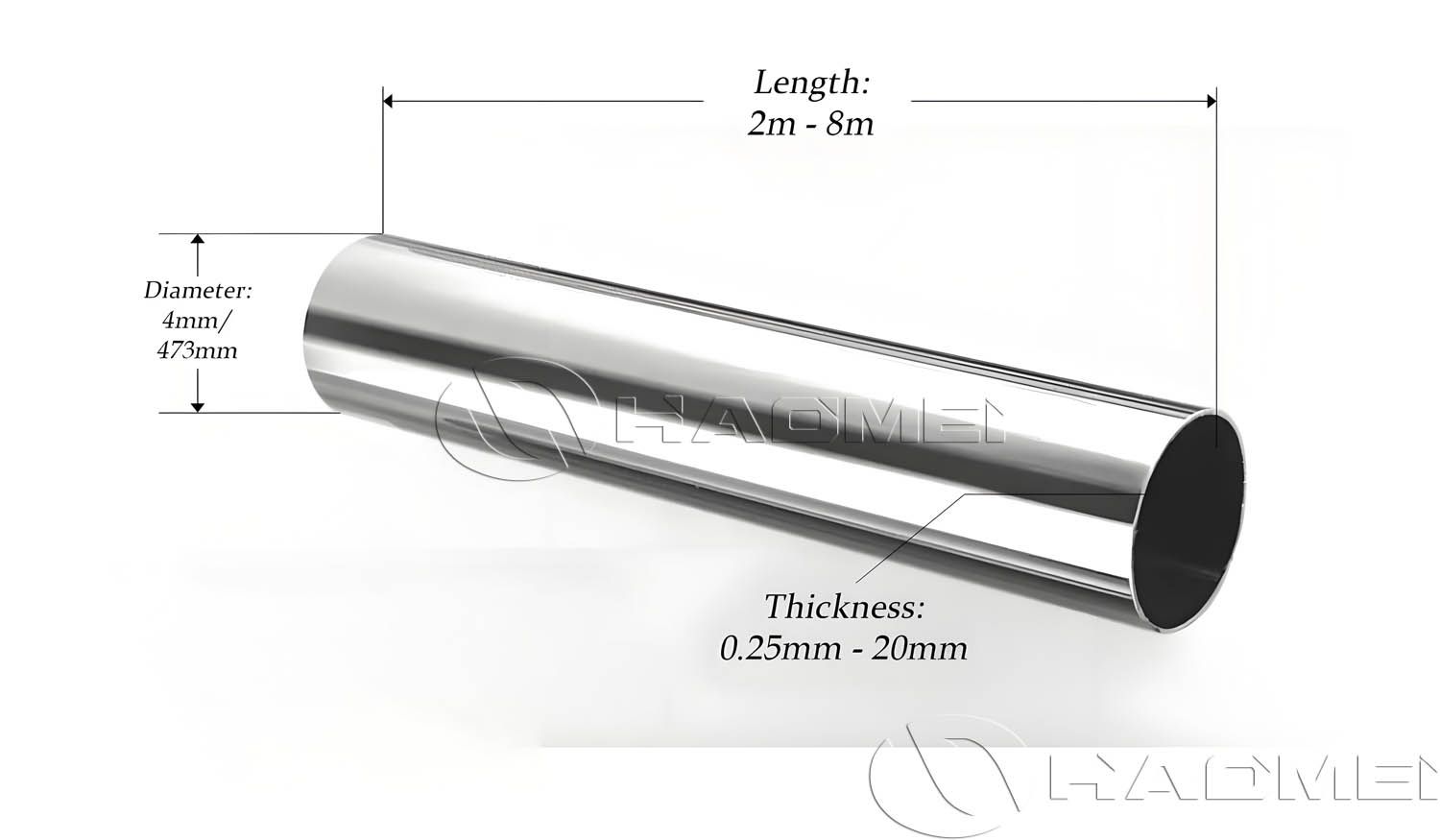
| Outer Diameter | 10 mm – 630 mm |
| Wall Thickness | 1.5 mm – 50 mm |
| Length | 6 m – 12 m |
| Manufacturing Process | Hot rolled, cold drawn |
| Surface Treatment | Pickling, polishing, sandblasting |
| Heat Treatment | Solution annealing |
| Precision Grade | Standard grade, precision grade |
| Certificates | ASTM, ASME, SPI, EN, JIS, DIN, GB, RS, ABS, BV, CCS, RINA, etc. |
| Packaging | Bundled or loose packing, suitable for sea transportation or customized according to customer requirements |
Chemical Composition of Marine Seamless Stainless Steel Pipes (%)
| Grade | Carbon | Manganese | Phosphorous | Sulphur | Silicon | Chromium | Nickel | Molybdenum |
| TP304 | 0.08 | 2 | 0.045 | 0.03 | 1 | 18.0–20.0 | 8.0–11.0 | - |
| TP316 | 0.08 | 2 | 0.045 | 0.03 | 1 | 16.0–18.0 | 11.0–14.0 | 2.0–3.0 |
| TP316L | 0.035 | 2 | 0.045 | 0.03 | 1 | 16.0–18.0 | 10.0–14.0 | 2.0–3.0 |
Mechanical Properties of Marine Seamless Stainless Steel Pipes
| Material | Yield Strength Ksi (MPa), Min. | Heat Treatment | Temperature °F (°C) | Tensile Strength Ksi (MPa), Min. | Elongation |
| TP304 | 30 (205) | Solution | 1900 (1040) | 75 (515) | 35 |
| TP316 | 30 (205) | Solution | 1900 (1040) | 75 (515) | 35 |
| TP316L | 25 (170) | Solution | 1900 (1040) | 70 (485) | 35 |
Safety and Reliability
The seamless integrated structure provides excellent mechanical performance with strong resistance to corrosion, impact, and fatigue. It eliminates risks such as leakage and cracking, ensuring long-term stable operation of marine piping systems.
Long Service Life
Stainless steel materials have excellent marine corrosion resistance. With surface passivation treatment, the service life is significantly longer than ordinary steel pipes, greatly reducing maintenance and replacement costs.
Strong Adaptability
A wide range of specifications and materials are available, with customized production to meet different operating conditions and installation requirements for ships and offshore engineering projects. Easy processing and efficient installation.
Compliance with Standards
Produced in strict accordance with national and international standards and compliant with international maritime regulations. Quality is traceable and meets shipbuilding compliance requirements.
Environmentally Friendly
The material is non-toxic and 100% recyclable, supporting green shipbuilding and carbon-neutral development trends with no secondary pollution.
The inner and outer surfaces of steel pipes must be free from cracks, folds, rolling defects, delamination, hairlines, and scabs. Any such defects must be removed without causing the wall thickness or outer diameter to exceed negative tolerance limits.
Both ends of the pipe should be cut square and deburred. For pipes with wall thickness greater than 20 mm, gas cutting or hot saw cutting is allowed.
304 / 304L, 304H, 304N / 304LN, 310, 316 / 316L, 316H, 316Ti, 316N / 316LN, 317 / 317L, 321 / 321H, 347 / 347H, S31803, S32205, S32750, 904L, S31254, etc.
Marine-grade stainless steel pipes are designed according to wall thickness schedules (designated as "SCH"). Common wall thickness grades include Sch5S/10S, Sch40S/80S, Sch160, and others; different grades correspond to varying load-bearing strengths, thereby meeting the diverse requirements of marine vessels for transporting different fluids and handling various pressure levels.
Among these, SCH 40 is the most widely used grade. It offers moderate strength and is capable of withstanding medium-range pressures, with nominal sizes ranging from 1/8 to 6 NB. Manufactured using high-quality raw materials and precision processes, specifications can be customized to meet specific requirements.
SCH 80 is designed primarily for high-pressure and high-flow applications. While its nominal dimensions are similar to those of SCH 40, it features thicker walls and superior pressure resistance, making it ideally suited for scenarios requiring exceptional structural strength, such as within a vessel's high-pressure piping systems.
| Outer Diameter (D) | Hot Rolled Pipes | OD Size | ≤159 mm | >159 mm | |
| Allowable Deviation | ±1.0% | ±1.25% | |||
| Cold Drawn Pipes | OD Size | ≤30 mm | >30–50 mm | >50 mm | |
| Allowable Deviation | ±0.20 mm | ±0.30 mm | ±0.8% | ||
| Wall Thickness (S) | Hot Rolled Pipes | Wall Thickness | 3<S≤20 | S>20 | |
| Allowable Deviation | +15% / −10% | ±10% | |||
Cold Drawn Pipes | Wall Thickness | 1.5–3 mm | >3 mm | ||
| Allowable Deviation | +12% / −10% | ±10% | |||
Marine seamless stainless steel pipes are typically produced according to international shipbuilding and industrial standards:
| Standard System | Standard Number | Application |
| ASTM | ASTM A312 | Austenitic stainless steel pipes for industrial piping |
| ASTM | ASTM A213 | Stainless steel pipes for boilers and heat exchangers |
| ASTM | ASTM A269 | General service stainless steel pipes |
| EN | EN 10216-5 | Stainless steel pipes for pressure purposes |
| JIS | JIS G3459 | Japanese stainless steel pipe standard |
| GB | GB/T 14976 | Stainless steel pipes for fluid transportation |
ABS – American Bureau of Shipping
DNV – Det Norske Veritas
LR – Lloyd's Register
BV – Bureau Veritas
CCS – China Classification Society
Ship Power Systems – Engine pipelines, fuel transportation pipelines, and lubrication systems.
Seawater Cooling Systems – Seawater cooling pipelines and heat exchange equipment.
Ship Hydraulic Systems – Hydraulic oil transmission pipelines.
Seawater Desalination Equipment – Suitable for marine engineering and ship desalination systems.
Offshore Platform Equipment – Pipeline systems for offshore oil platforms.
 01
01
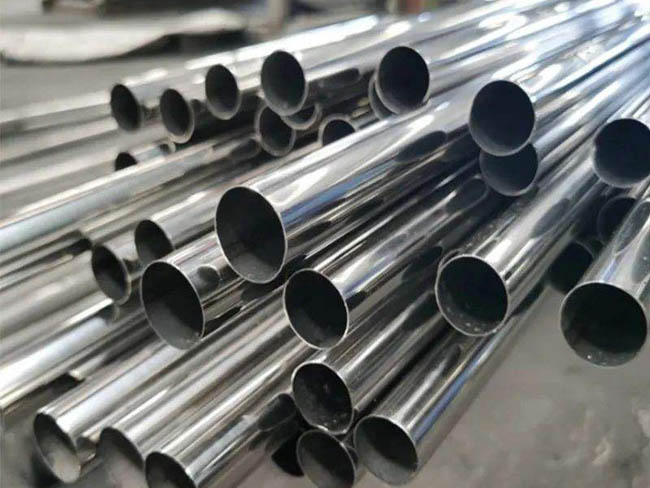
Small diameter seamless steel tubes refer to steel pipes with a relatively small outer diameter and a seamless structure without welding joints. The typical outer diameter range is 6 mm–89 mm. These pipes are manufactured through processes such as piercin
 02
02
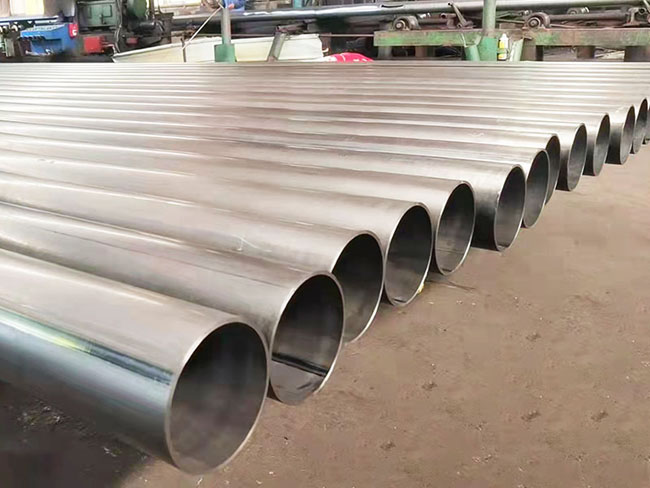
Austenitic seamless stainless steel pipe refers to seamless steel tubing whose microstructure remains stable austenite at room temperature. These steels typically use chromium and nickel as the primary alloying elements. A typical example is 18Cr-8Ni (Gra
 03
03
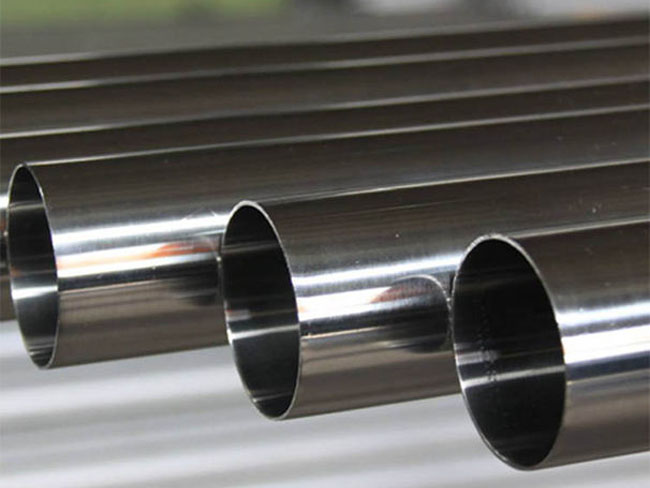
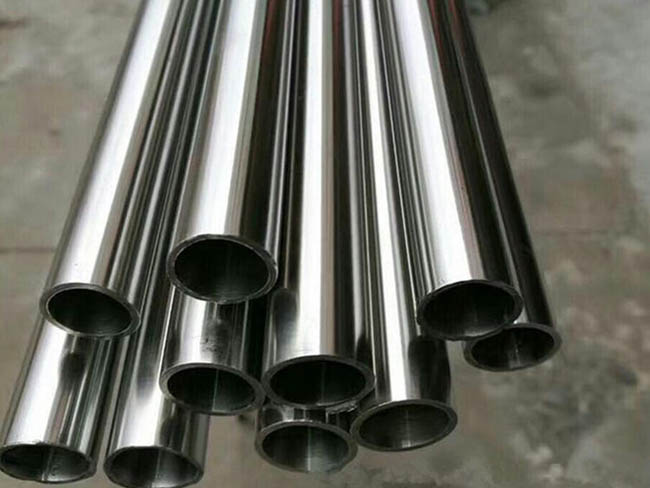
TP316L seamless stainless steel pipe conforms to ASTM A312, A213 and A269 standards, and has excellent corrosion resistance and low carbon welding performance, making it suitable for the chemical, shipbuilding, pharmaceutical and food industries.
 04
04
304L stainless steel pipe is produced from the low-carbon version of the widely used austenitic 18-8 stainless steel. The reduced carbon content allows it to be welded without causing localized corrosion. This is because 304L stainless steel produces less