
-
Email
-
WhatsApp
-
Address
Zhengzhou, China
Zhengzhou, China
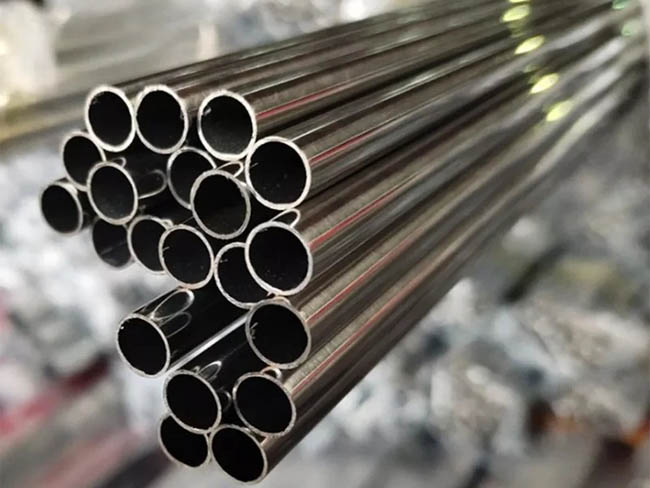
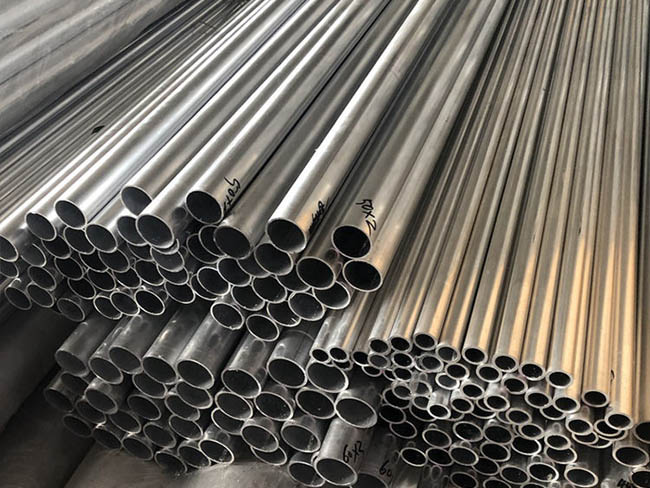
Duplex stainless steel pipe consists of approximately equal proportions of ferrite and austenite stainless steel phases. It combines the high strength of ferritic stainless steel with the toughness of austenitic stainless steel. Its yield strength is gene
Contact USDuplex stainless steel pipe consists of approximately equal proportions of ferrite and austenite stainless steel phases. It combines the high strength of ferritic stainless steel with the toughness of austenitic stainless steel. Its yield strength is generally more than twice that of conventional austenitic stainless steels, and its resistance to chloride stress corrosion cracking is superior to that of 316L austenitic stainless steel.
From a chemical composition perspective, duplex stainless steels typically feature low carbon content (C ≤ 0.03%), high chromium (Cr 18%-28%), and moderate nickel (Ni 3%-10%), along with alloying elements such as molybdenum (Mo), nitrogen (N), copper (Cu), niobium (Nb), and titanium (Ti) for strengthening and stabilization. The addition of nitrogen is particularly important, as it not only improves the pitting corrosion resistance of the austenitic phase but also forms a corrosion-resistant balance with the chromium- and molybdenum-rich ferritic phase, significantly enhancing the material’s overall resistance to localized corrosion.
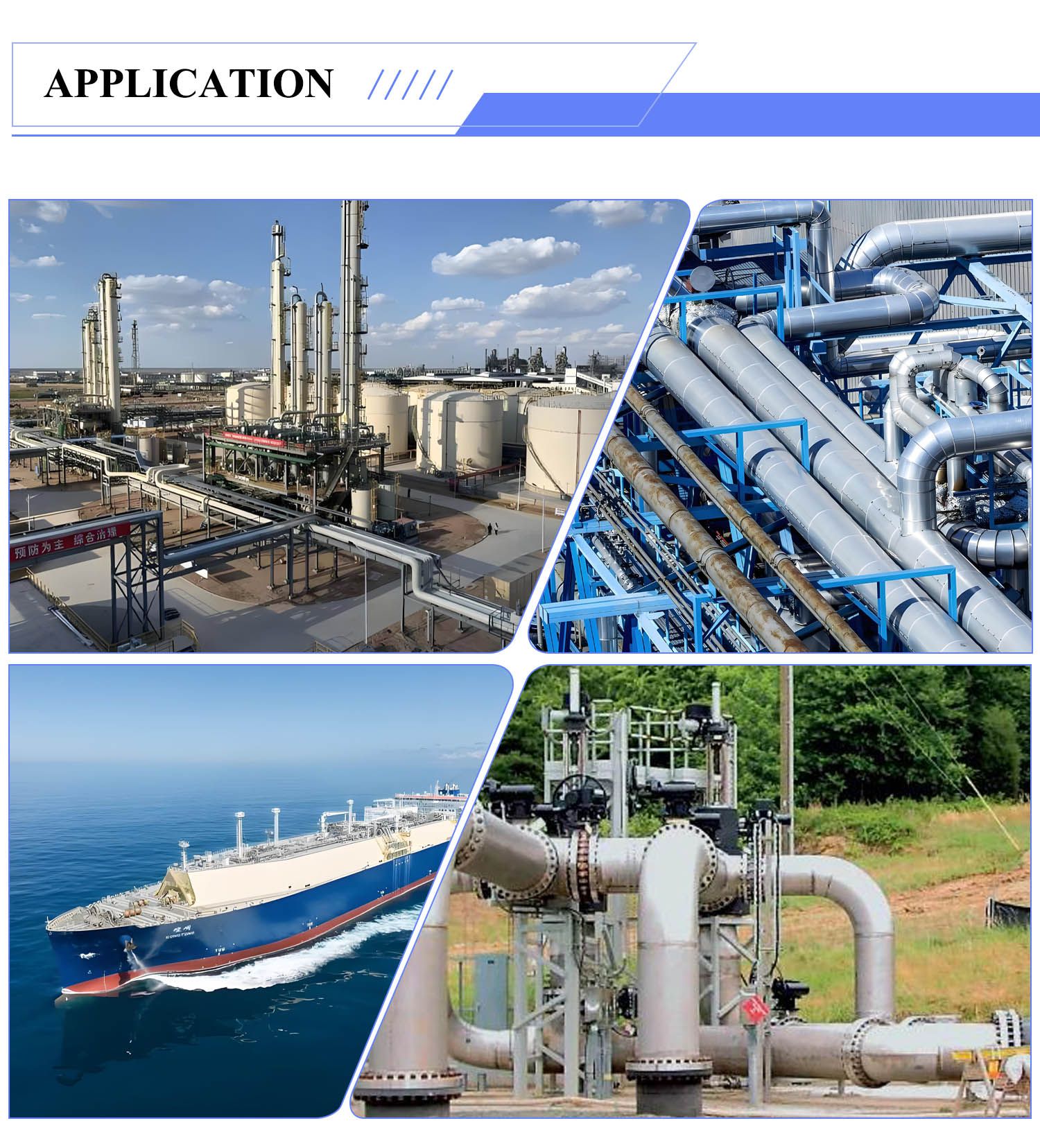
Duplex stainless steel pipes are widely used in petrochemical equipment, seawater treatment systems, oil and gas pipelines, nuclear power, paper and pulp machinery, bridge load-bearing structures, chemical tanker construction, architectural curtain walls, and water conservancy projects.
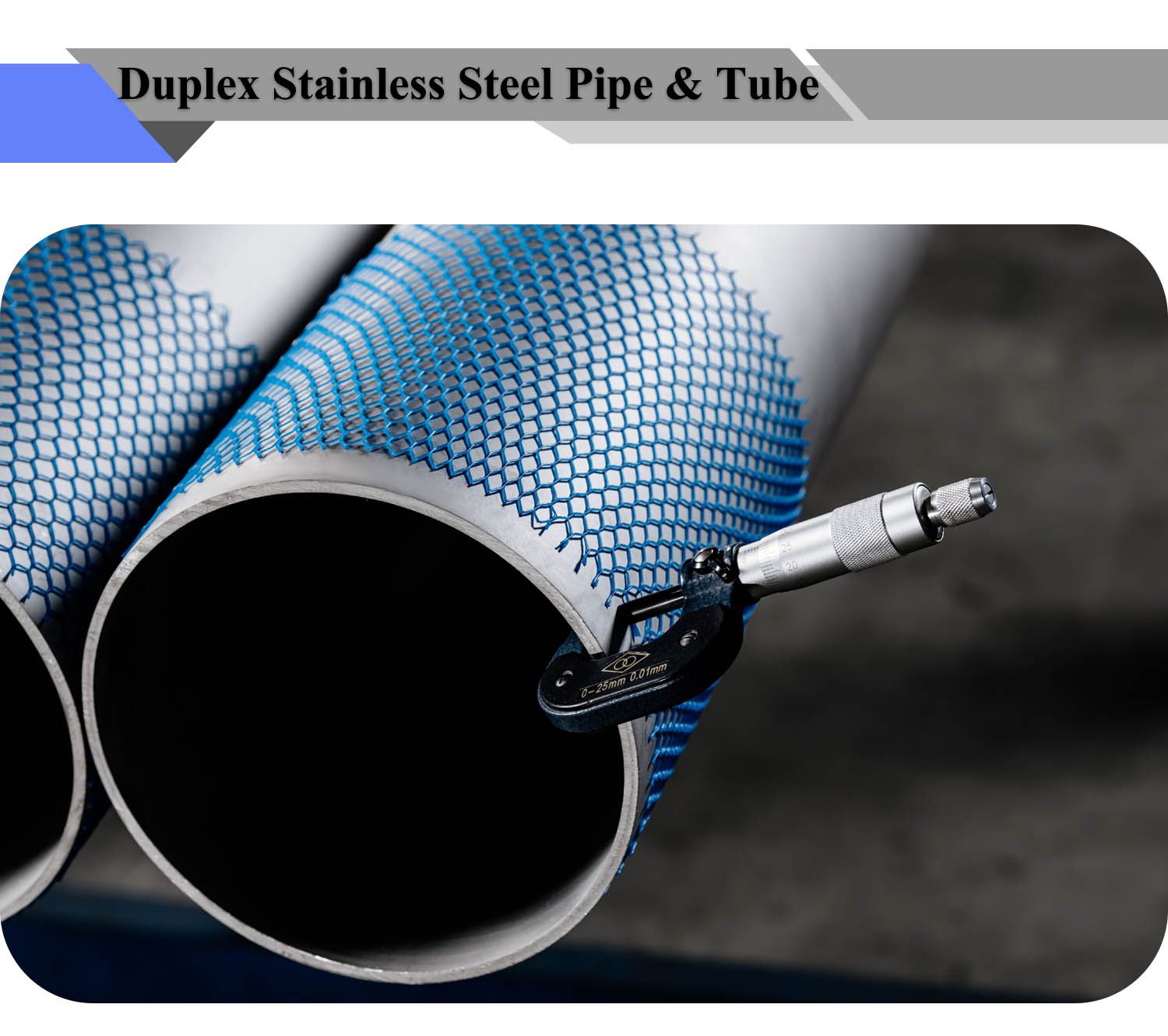
Excellent resistance to general corrosion and localized corrosion, especially stress corrosion cracking, pitting corrosion, crevice corrosion, corrosion fatigue, and erosion corrosion.
Good weldability.
Excellent mechanical properties.
Outstanding resistance to intergranular corrosion.
Better ductility and toughness compared with ferritic stainless steels.
Strength approximately twice that of austenitic or ferritic stainless steels.
High cost-performance ratio and long service life.
Grades:
S31500, S31803, S32205, S32304, S32750, S32760
Size Range:
Outer Diameter: 6 mm - 610 mm
Wall Thickness: 0.5 mm - 25.4 mm
Maximum Length: 30,000 mm
ASME SA789 – Specification for Seamless and Welded Ferritic/Austenitic Stainless Steel Tubing for General Service
ASME SA790 – Specification for Seamless and Welded Ferritic/Austenitic Stainless Steel Pipe
ASTM A928 (ASME SA928) – Standard Specification for Ferritic/Austenitic (Duplex) Stainless Steel Electric-Fusion-Welded Pipe with Filler Metal Added
GB/T 21833-2008 – Seamless Pipes and Fittings of Austenitic-Ferritic (Duplex) Stainless Steel
EN 10216-5 – Seamless Steel Tubes for Pressure Purposes – Technical Delivery Conditions
| Grade | C≤ | Mn≤ | P≤ | S≤ | Si≤ | Ni | Cr | Mo | N | Cu |
| S31803 | 0.03 | 2.00 | 0.03 | 0.02 | 1.00 | 4.5-6.5 | 21.0-23.0 | 2.5-3.5 | 0.08-0.20 | - |
| S32205 | 0.03 | 2.00 | 0.03 | 0.02 | 1.00 | 4.5-6.5 | 22.0-23.0 | 3.0-3.5 | 0.14-0.20 | - |
| S32750 | 0.03 | 1.20 | 0.035 | 0.02 | 0.80 | 6.0-8.0 | 24.0-26.0 | 3.0-5.0 | 0.24-0.32 | 0.5 |
| S32760 | 0.05 | 1.00 | 0.03 | 0.01 | 1.00 | 6.0-8.0 | 24.0-26.0 | 3.0-4.0 | 0.24-0.32 | 0.50-1.00 |
Mechanical Properties
| Mechanical Properties | Tensile Strength min, ksi [MPa] | Yield Strength min, ksi [MPa] | Elongation % (min) | Hardness HB (max) |
| S31803 | 90 [620] | 65 [450] | 25 | 290 |
| S32205 | 95 [655] | 65 [450] | 25 | 290 |
| S32750 | 116 [800] | 80 [550] | 15 | 300 |
| S32760 | 109 [750] | 80 [550] | 25 | 300 |
The manufacturing process of duplex seamless steel pipes begins with heating solid round steel billets to a forgeable temperature. The heated billets are then pierced to form hollow shells, followed by rolling or drawing processes to achieve the required diameter and wall thickness. Finally, the pipes undergo solution annealing and water quenching to ensure the appropriate microstructure and mechanical strength.
1. Oil and Gas Industry
Oil and gas gathering and transportation pipelines
Subsea pipelines
Condensers in vinyl chloride production
Heat exchangers in crude oil desalting units
2. Seawater Applications
Seawater reverse osmosis (SWRO) pressure vessels
Offshore seawater injection systems
Marine desalination equipment
Ballast water treatment heat exchangers
3. Chemical and Petrochemical Industry
Tubular reactor catalyst tubes in methanol production
Sulfate digestion preheaters in the pulp and paper industry
Transport pipelines for corrosive media such as phosphoric acid, acetic acid, and formic acid
4. Energy and Environmental Protection
Flue Gas Desulfurization (FGD) systems
Seawater corrosion-resistant piping for nuclear power plants
Wastewater treatment systems
5. Structural Engineering
Bridge load-bearing structures
Pressure vessels
Food processing equipment
Raw material certificates
100% Positive Material Identification (PMI)
Heat treatment charts
Third-party inspection reports
Surface roughness and dimensional measurements
Manufacturer’s test certificates including impact test, flattening test, flaring test, bending test, hardness test, intergranular corrosion test, pitting corrosion test, grain size test, eddy current testing (ET), ultrasonic testing (UT), and hydrostatic testing (HT)
Laboratory test certificates issued by government-approved laboratories
 01
01
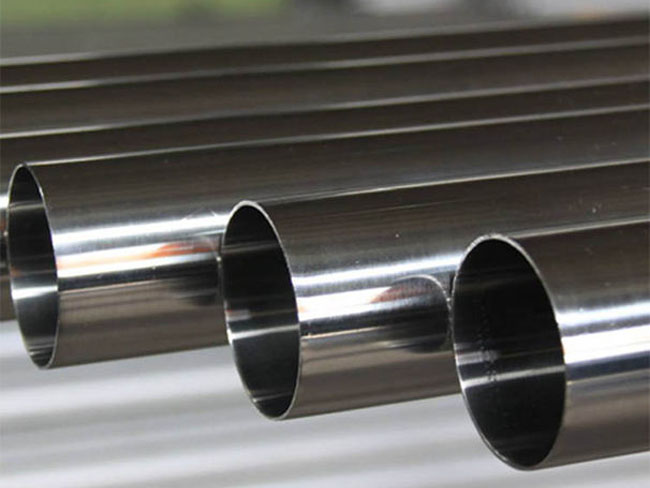
TP316L seamless stainless steel pipe conforms to ASTM A312, A213 and A269 standards, and has excellent corrosion resistance and low carbon welding performance, making it suitable for the chemical, shipbuilding, pharmaceutical and food industries.
 02
02
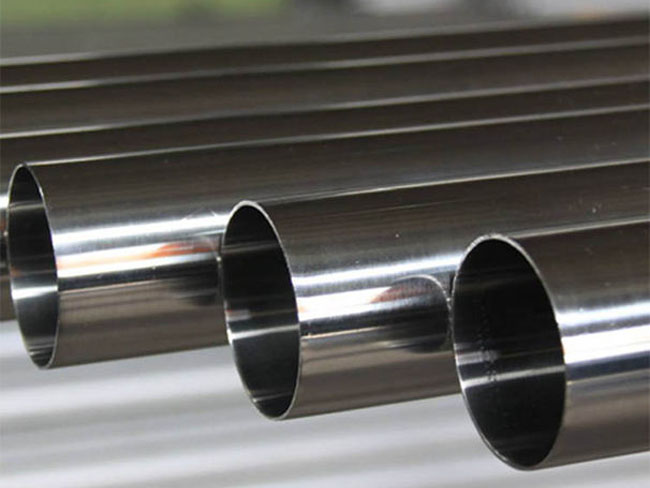
Marine seamless stainless steel pipes are manufactured from austenitic stainless steels such as 304, 304L, 316, and 316L. They feature excellent seawater corrosion resistance and high structural strength, and are widely used in ship piping systems, seawat
 03
03
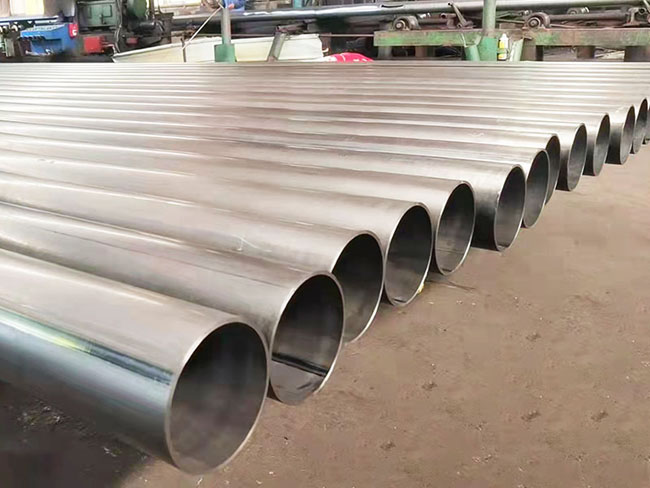
Austenitic seamless stainless steel pipe refers to seamless steel tubing whose microstructure remains stable austenite at room temperature. These steels typically use chromium and nickel as the primary alloying elements. A typical example is 18Cr-8Ni (Gra
 04
04
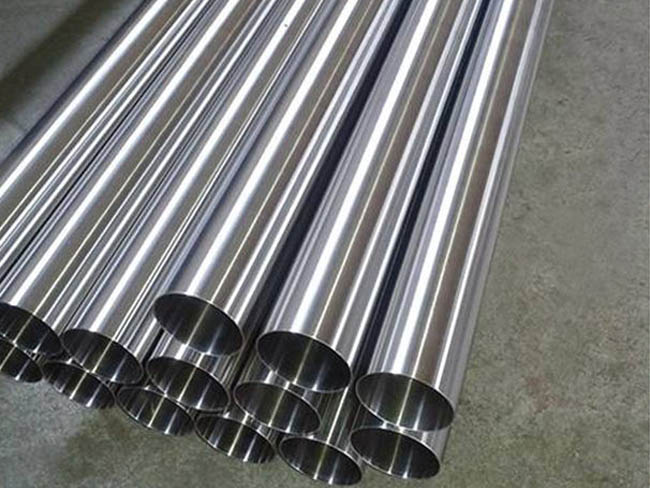
TP316 seamless stainless steel pipe offers excellent corrosion resistance and strength for chemical, marine, food, and petrochemical applications. Manufactured to ASTM A312, A213, and EN 10216-5 standards with customizable sizes and finishes.