
-
Email
-
WhatsApp
-
Address
Zhengzhou, China
Zhengzhou, China
 By Hermione
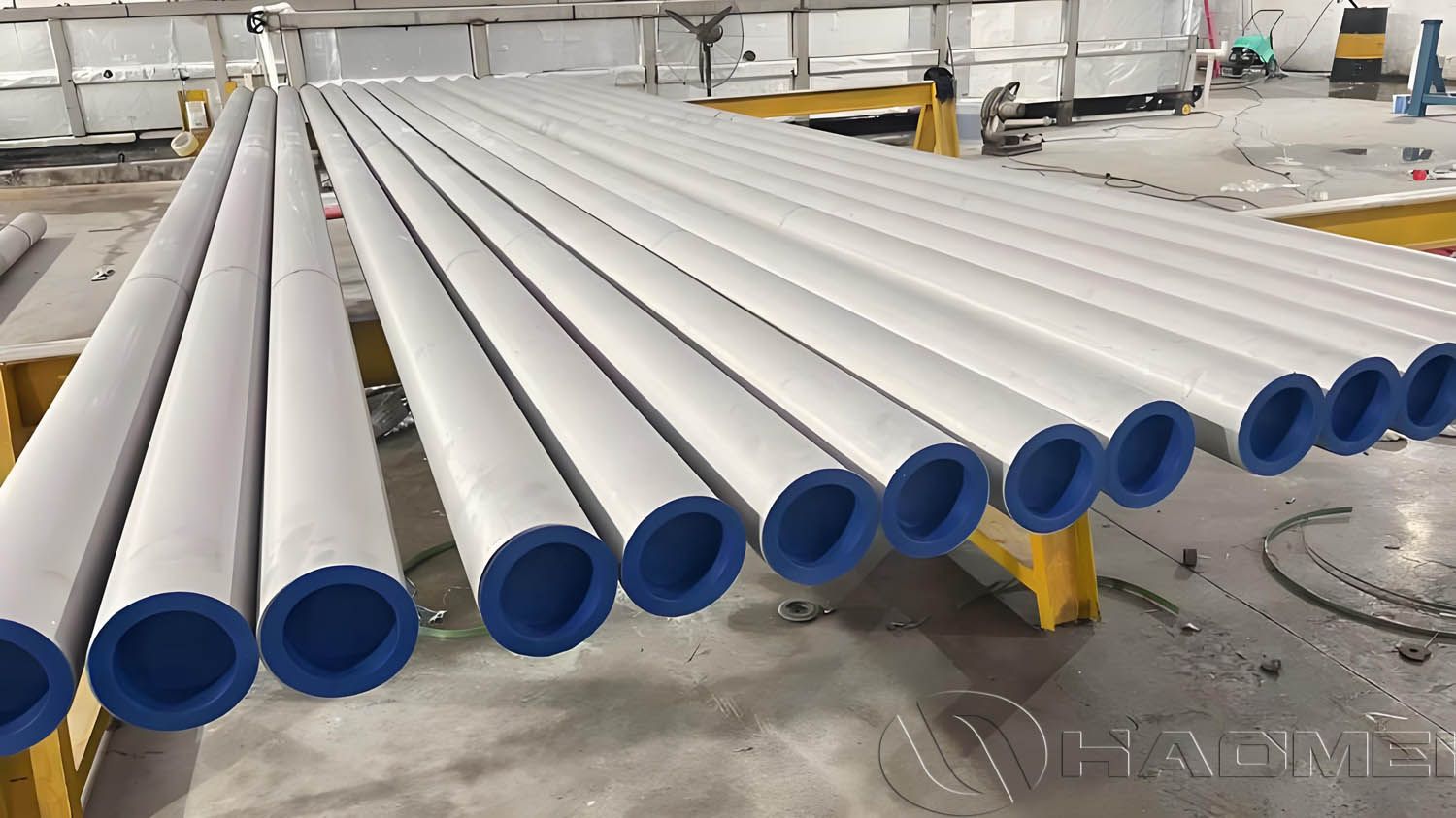
Marine-grade seamless stainless steel pipes are components designed to enhance corrosion resistance in reducing media commonly found in marine systems. These pipes can effectively resist intergranular corrosion and prevent acid attack. Marine steel pipes possess excellent strength and do not easily degrade under the pressure and temperature conditions typically encountered in marine environments.
Among them, 316L marine-grade stainless steel pipe is one of the preferred materials for marine applications. The molybdenum content in these pipes provides stronger resistance to pitting and crevice corrosion, effectively addressing corrosion problems commonly found in marine systems.
316L belongs to the austenitic stainless steel family and is the low-carbon version of 316 stainless steel, with a carbon content typically ≤0.03%. This low-carbon structure effectively prevents intergranular corrosion during welding.
316L seamless stainless steel pipe is a hollow-section seamless steel product made from 316L stainless steel. Its unified numerical designation is S31603, corresponding to the Chinese grade 022Cr17Ni12Mo2.
The marine-grade seamless stainless steel pipes produced by HAOMEI are available with certifications from multiple classification societies, including CCS, KR, BV, DNV, ABS, and LR, meeting the needs of global marine procurement projects.
Carbon (C): ≤0.030%
Low-carbon design that improves welding performance.
Chromium (Cr): 16.00% – 18.00%
Forms a dense passive film that provides fundamental corrosion resistance.
Nickel (Ni): 10.00% – 14.00%
Stabilizes the austenitic structure and enhances toughness.
Molybdenum (Mo): 2.00% – 3.00%
The "key element" for corrosion resistance in marine environments.
The core advantage of this material lies in its excellent corrosion resistance, especially in marine environments. Compared with ordinary 304 stainless steel, 316L stainless steel, due to the addition of molybdenum, offers stronger resistance to corrosion caused by seawater, chloride ions, and industrial gases.
In terms of mechanical properties, 316L stainless steel seamless tubes also demonstrate outstanding performance. They possess a tensile strength of ≥480 MPa and a yield strength of ≥177 MPa, while also exhibiting excellent resistance to bending and torsion, with a density of approximately 8.03 g/cm³. The material's austenitic structure endows it with exceptional toughness and fatigue resistance, enabling it to withstand the dynamic stresses and temperature fluctuations associated with ship navigation and offshore platform operations within marine environments.
1. Excellent Corrosion Resistance
316L contains 2%-3% molybdenum (Mo), which significantly improves resistance to pitting corrosion and crevice corrosion in chloride-ion environments, making it ideal for seawater applications.
2. Good Mechanical Properties
316L stainless steel has high strength and toughness, maintaining stable mechanical properties even in low-temperature environments.
3. Excellent Weldability
Due to its low carbon content, 316L does not easily produce intergranular corrosion after welding, eliminating the need for complex heat treatment.
4. Long Service Life
In marine environments, 316L stainless steel piping systems maintain stable performance for long periods, significantly reducing maintenance costs.
| Item | Specification |
| Outer Diameter | Φ3mm – Φ1220mm (general); marine commonly Φ6mm – Φ219.1mm |
| Wall Thickness | 0.5mm – 60mm (general); marine commonly 1mm – 8.18mm |
| Length | 1m – 30m (standard); customizable up to 35m |
| OD Tolerance | Standard grade ±0.20mm ~ ±0.9%D; precision grade ±0.15mm ~ ±0.80%D |
| Wall Thickness Tolerance | <3mm: ±12%S (standard) / ±10%S (precision); ≥3mm: +12.5%S/-10%S (standard) / ±10%S (precision) |
| Straightness | ≤1.5mm/m (wall thickness ≤15mm); ≤2.0mm/m (wall thickness >15mm) |
| Ovality | Thin wall pipe: OD ≤25.4mm ≤0.5mm; OD >25.4mm ≤2% of nominal OD |
| Surface | Pickled, polished, bright annealed (BA), cold drawn (CD) |
| Delivery Condition | Solution annealed |
The production and inspection of 316L seamless stainless steel pipes must comply with various international and domestic standards, including:
| Standard No. | Standard Name | Description |
| GB/T 14976 | Seamless stainless steel pipes for fluid transportation | Chinese standard widely used for fluid transport |
| GB 13296 | Stainless steel pipes for boilers and heat exchangers | Suitable for high-temperature and high-pressure equipment |
| ASTM A312 | Seamless and welded austenitic stainless steel pipes | American piping standard covering Sch 5S–Sch 80S |
| ASTM A213 | Seamless steel pipes for boilers and heat exchangers | Precision tube standard with strict tolerances |
| ASTM A269 | Austenitic stainless steel pipes for general service | Used in industrial and marine applications |
| EN 10216-5 | Seamless steel tubes for pressure purposes | European stainless steel pipe standard |
| ISO 4763 | Seamless stainless steel pipes for high-temperature service | International standard |
Marine piping materials must also meet additional inspection requirements from classification societies, and typically require certification from organizations such as ABS, DNV, CCS, or LR.
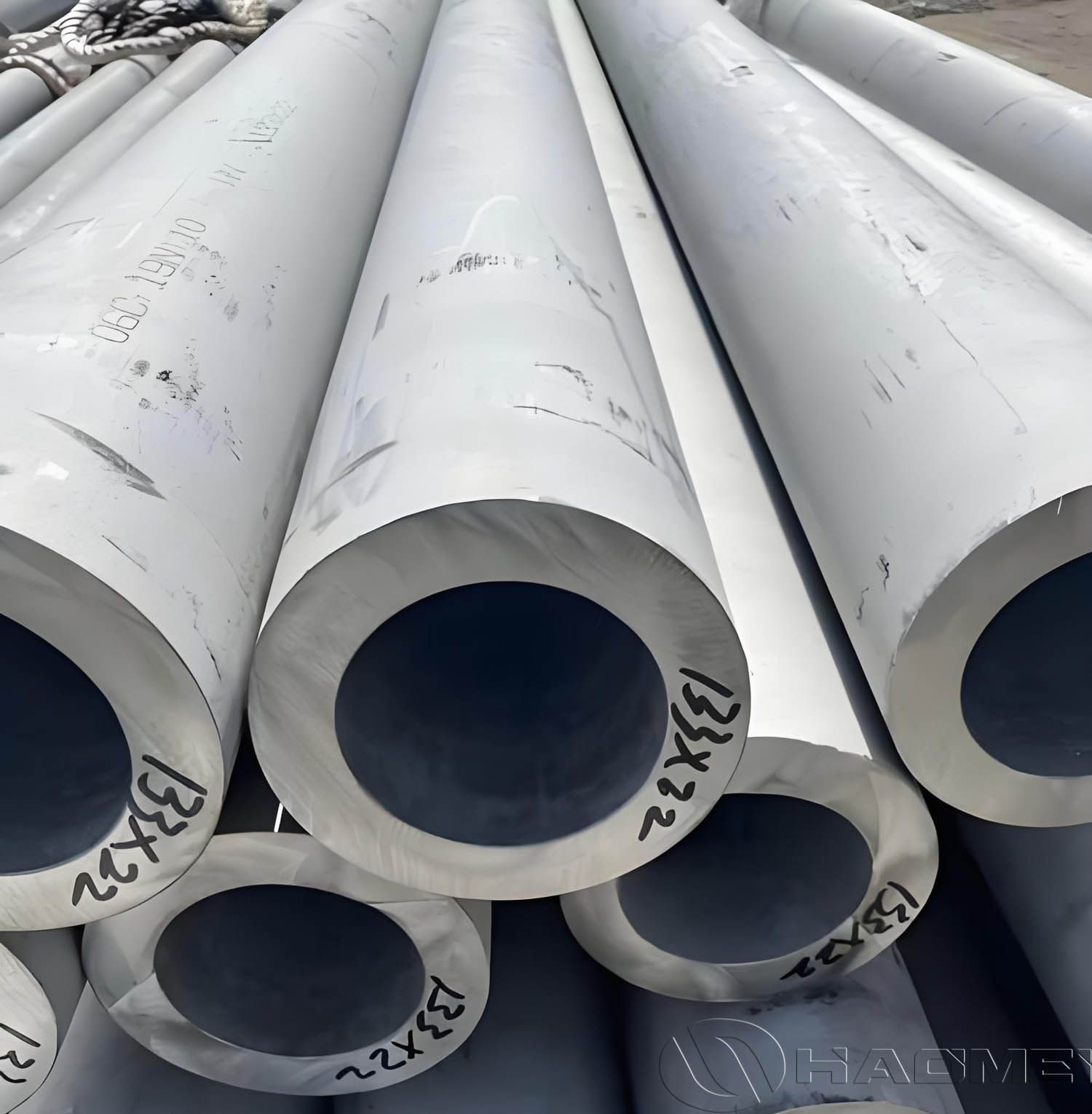
These pipes are widely used in critical marine piping systems, including:
Ballast Water Treatment Systems
Must withstand long-term seawater exposure and chemical corrosion.
Fuel and Lubrication Systems
Require high pressure resistance and reliable connections.
Heat Exchangers and Condensers
Benefit from good heat transfer performance and high temperature resistance (up to about 850°C).
Deck Equipment Piping
Hydraulic control lines exposed to salt spray environments.
The typical cold-drawn (or cold-rolled) seamless pipe manufacturing process includes:
Round billet → Heating → Piercing → Heading → Annealing → Pickling → Lubrication → Multi-pass cold drawing / cold rolling → Tube blank → Heat treatment → Straightening → Hydrostatic testing → Marking → Warehousing
| NPS (inch) | OD (mm) | Sch 5S (mm) | Sch 10S (mm) | Sch 40S (mm) | Sch 40S (mm) |
| 1/2" | 21.34 | 1.65 | 2.11 | 2.77 | 3.73 |
| 3/4" | 26.67 | 1.65 | 2.11 | 2.87 | 3.91 |
| 1" | 33.40 | 1.65 | 2.77 | 3.38 | 4.55 |
| 1¼" | 42.16 | 1.65 | 2.77 | 3.56 | 4.58 |
| 1½" | 48.26 | 1.65 | 2.77 | 3.68 | 5.08 |
| 2" | 60.33 | 1.65 | 2.77 | 3.91 | 5.54 |
| 2½" | 73.03 | 2.11 | 3.05 | 5.16 | 7.01 |
| 3" | 88.90 | 2.11 | 3.05 | 5.49 | 7.62 |
| 4" | 114.30 | 2.11 | 3.05 | 6.02 | 8.56 |
| 6" | 168.28 | 2.77 | 3.40 | 7.11 | - |
| 8" | 219.08 | 2.77 | 3.76 | 8.18 | - |
| Dimension | 316L Stainless Steel | 304 Stainless Steel | 2205 Duplex Steel | Carbon Steel (Coated/Galvanized) |
| Chloride Corrosion Resistance | Excellent | Moderate (prone to pitting) | Excellent | Poor |
| Mechanical Strength | Medium | Medium | High (about twice 316L) | High |
| High Temperature Resistance | Excellent | Good | Moderate | Moderate |
| Weldability | Excellent (low carbon advantage) | Good | More complex | Excellent |
| Overall Cost | Relatively high | Moderate | High | Low |
 01
01
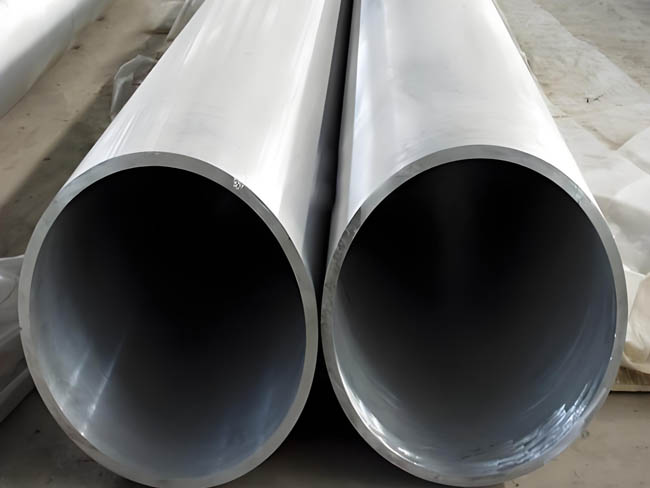
Large diameter seamless steel pipes typically refer to pipes with an outer diameter of 219 mm or larger, and in some cases up to 1020 mm. Compared with standard-size pipes, large-diameter seamless pipes are manufactured using advanced hot rolling or hot e
 02
02
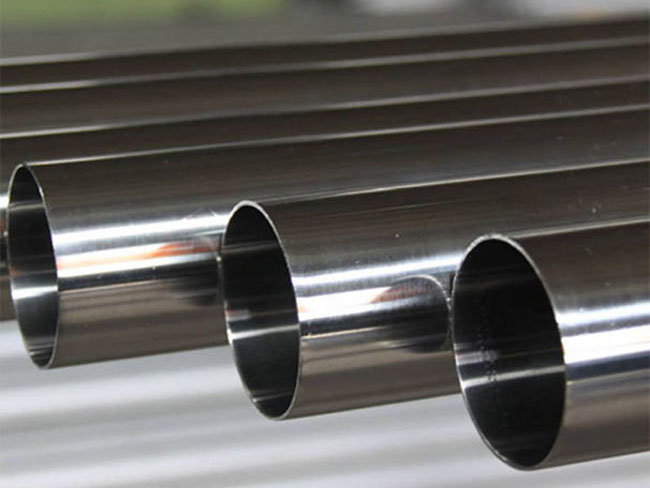
Duplex stainless steel pipe consists of approximately equal proportions of ferrite and austenite stainless steel phases. It combines the high strength of ferritic stainless steel with the toughness of austenitic stainless steel. Its yield strength is gene
 03
03
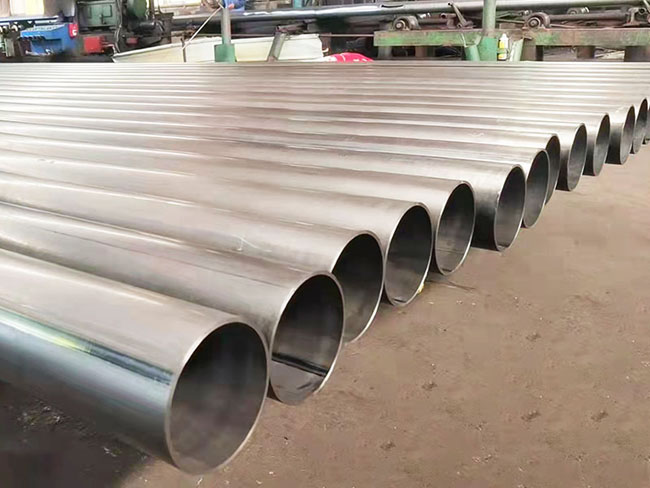
Austenitic seamless stainless steel pipe refers to seamless steel tubing whose microstructure remains stable austenite at room temperature. These steels typically use chromium and nickel as the primary alloying elements. A typical example is 18Cr-8Ni (Gra
 04
04
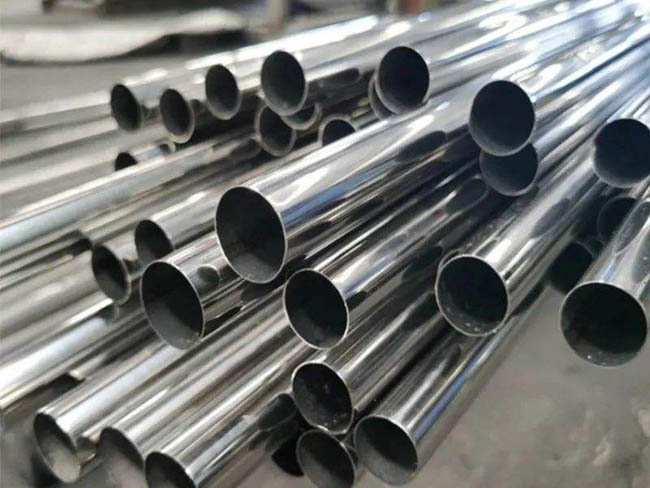
TP304 stainless steel seamless pipe (ASTM A312/A213 TP304) is one of the most widely used austenitic stainless steel pipes in industrial applications. With its excellent corrosion resistance, outstanding workability, and stable performance in both high an