
-
Email
-
WhatsApp
-
Address
Zhengzhou, China
Zhengzhou, China
 By Hermione
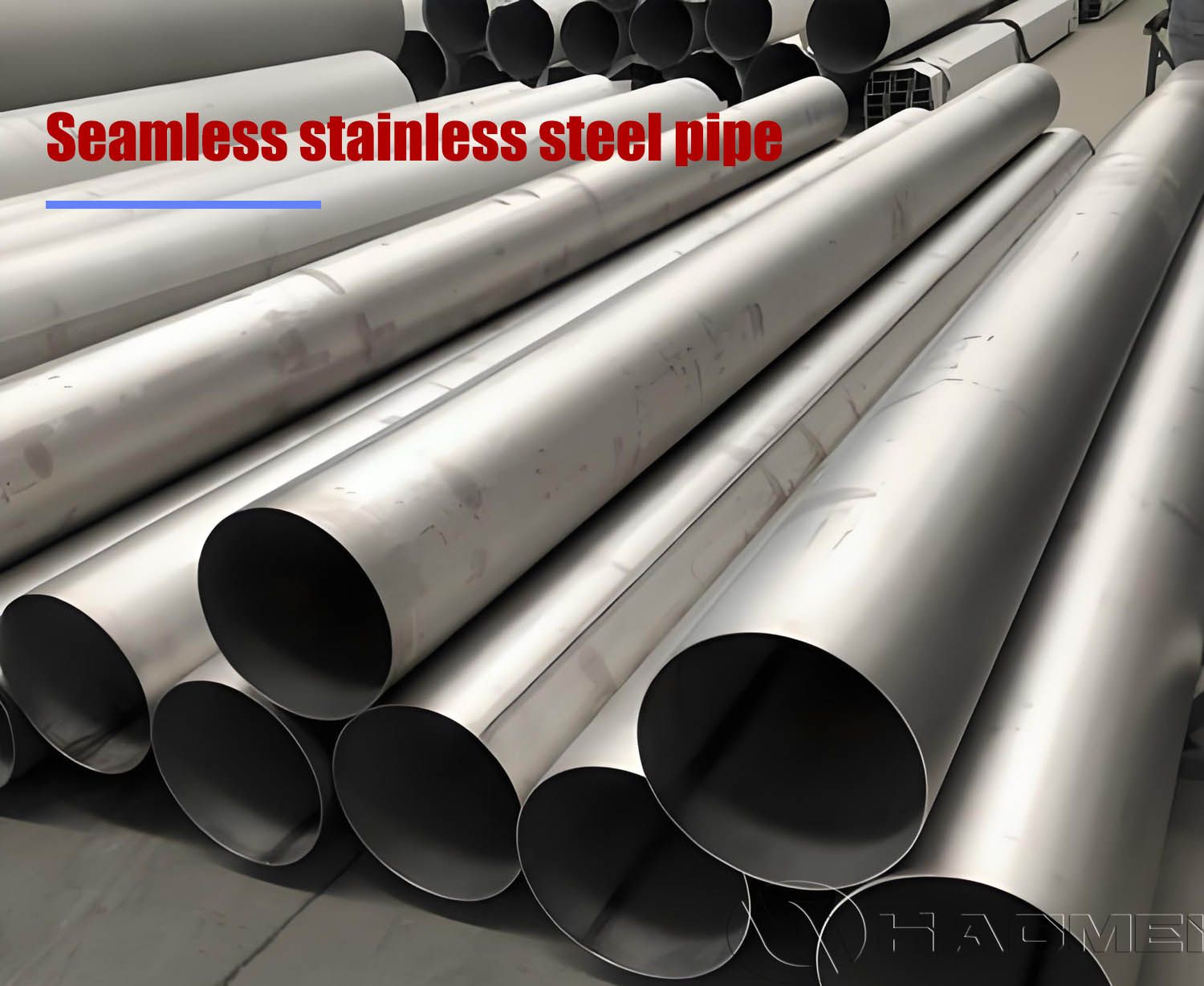
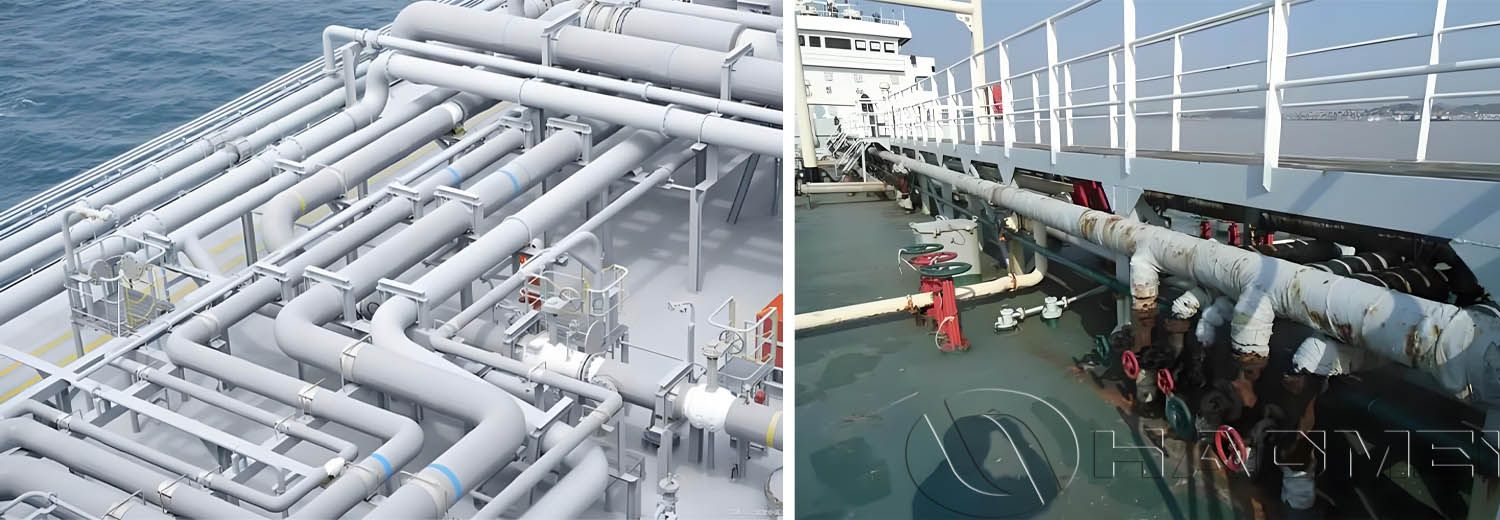
Marine piping systems are often referred to as the "vascular system" of a vessel, responsible for transporting fuel oil, lubricating oil, steam, seawater, and freshwater. Within this complex network, thick-wall seamless stainless steel pipes play a critical role in high-pressure pipelines, boiler systems, and heat exchangers due to their superior corrosion resistance, high-temperature strength, and pressure-bearing capacity.
304L Stainless Steel
With strong versatility and an austenitic microstructure, it possesses excellent comprehensive corrosion resistance and formability. It is suitable for ordinary water systems and air pipelines in ships, as well as other scenarios without strong corrosive media. It is the basic choice for marine stainless steel pipes. Its carbon content is ≤0.03%, which can effectively avoid intergranular corrosion and is suitable for medium and low pressure piping systems.
316L Stainless Steel
The most widely used marine stainless steel grade, 304L, adds molybdenum (Mo), significantly improving its resistance to chloride corrosion. It is particularly suitable for applications involving direct contact with high-salt, corrosive media, such as seawater cooling systems and fuel lines. It exhibits excellent resistance to salt spray and seawater immersion。
| Carbon content | ≤ 0.03% |
| Tensile strength | ≥ 485 MPa |
| Yield strength | ≥ 170 MPa |
| Elongation | ≥ 40% |
2205 Duplex Stainless Steel
Composed of 22% chromium, 2.5% molybdenum and 4.5% nickel-nitrogen alloy, it belongs to the category of duplex stainless steel. Its yield strength is more than twice that of 304L and 316L. It also has high strength, good impact toughness and excellent resistance to stress corrosion. It is suitable for high-pressure piping systems of ships and key pipelines of deep-sea vessels. It can withstand higher pressure and more complex corrosive environments, making it the preferred material for high-end ships and special-purpose ships.
Marine stainless steel pipes must comply with global standards and classification society requirements.
Common Standards:
| ASTM A213 / A269 / A312 | Boiler, heat exchanger, and general piping applications |
| EN 10216-5 | European standard for pressure-purpose stainless steel pipes |
| JIS G3459 / G3463 | Japanese standards for piping and heat exchanger tubes |
Classification Society Certifications:
CCS (China Classification Society)
DNV (Det Norske Veritas)
LR (Lloyd's Register)
ABS (American Bureau of Shipping)
BV (Bureau Veritas)
Suppliers must obtain factory approval certificates and pass product inspections.
Marine pipes are generally classified into primary (Class I) and secondary (Class II) pipes based on pressure and service conditions.
According to GB/T 31929-2015, the piping system classification for marine thick-walled stainless steel pipes is as follows:
Toxic and corrosive media, flammable media heated above their flash point, media with flash points below 60°C, and liquefied gases are generally classified as Class I piping systems. If safety protection measures are in place to prevent leaks and their consequences, they can also be classified as Class II piping systems, except for toxic media. Cargo oil piping systems are generally Class III. Unpressurized open piping systems such as drain pipes, overflow pipes, vent pipes, breather pipes, and boiler vent pipes are also Class III piping systems.
| Performance Aspect | Key Features |
| Excellent seawater corrosion resistance | Mo-containing grades (e.g., 316L) provide ~3× better pitting resistance than 304 |
| Intergranular corrosion resistance | Low-carbon (L-grade) and stabilized grades (321, 347) prevent weld decay |
| High-temperature strength | Heat-resistant grades maintain stability in boilers and superheaters |
| Good ductility and workability | Elongation ≥ 35%, suitable for bending, flaring, forming |
| Reliable pressure resistance | Thick-wall design + hydrostatic testing ensures safety |
| Non-magnetic & adaptable | Austenitic structure maintains toughness under vibration and temperature variations |
| Long service life | Designed lifespan up to 20–30 years, matching vessel lifecycle |
Selection Scenarios for Thick-Walled Tubes and Thin-Walled Tubes
Thick-walled tubes (wall thickness ≥ 10mm) are suitable for: main steam pipelines, high-pressure fuel injection pipelines, deep-sea submersible pressure hull penetrations, boiler header tube supports, and other high-pressure, high-stress areas.
Thin-walled tubes are suitable for: heat exchanger tubes, instrument pressure taps, sanitary water systems, and other scenarios where heat exchange efficiency or lightweight design is prioritized.
The process employs an integrated "hot piercing + cold rolling/cold drawing" forming process. Welding followed by grinding to imitate seamless tubes is strictly prohibited (this is an industry red line):
- Hot Piercing: The stainless steel billet is heated to 1050℃~1150℃ and pierced through a piercing machine to form a hollow tube, ensuring that the tube is free of shrinkage cavities and cracks, and has uniform wall thickness.
- Cold Rolling/Cold Drawing: The tube undergoes multiple cold rolling or cold drawing passes to precisely control the wall thickness and outer diameter dimensions, while simultaneously improving the mechanical properties of the tube. After cold rolling, solution treatment (water cooling at 1000-1100℃) is required to eliminate processing stress, restore the overall performance of the tube, and prevent embrittlement caused by work hardening.
Acid Pickling and Passivation: The pipe surface undergoes professional acid pickling and passivation treatment to remove surface oxide scale, oil, and impurities, forming a dense passivation film (mainly composed of Al₂O₃ and Cr₂O₃), improving corrosion resistance. The passivation film thickness is ≥8μm, and the surface is free of oxide spots, color differences, and scratches.
Bright Annealing: Heat treatment is performed in a protective atmosphere, resulting in a silvery-white metallic luster. No secondary acid pickling is required.
Mechanical Polishing: Surface roughness can reach Ra≤0.8μm or even higher precision, suitable for media systems with high cleanliness requirements.
This comparison table strictly follows GB/T 5312-2025 "Seamless Steel Pipes for Ships" and the China Classification Society (CCS) standard. Grade I pipes are high-precision wall thickness pipes (suitable for Grade I piping systems, high-pressure/critical pipelines), while Grade II pipes are ordinary precision wall thickness pipes (suitable for Grade II and III piping systems, general low-pressure pipelines). Both have the same outer diameter and length specifications, differing only in wall thickness tolerance and curvature.
| Project | Specifications | I. Pipe (Grade I precision) | II. Pipe (Grade II precision) | Remarks |
| Wall thickness tolerance | Hot-rolled/hot-expanded pipe (t≤20mm) | ±7.5% t | ±10% t | t=Nominal wall thickness, mainstream process for thick-walled pipes in marine applications |
| Hot-rolled/hot-expanded pipe (t>20mm) | ±6% t | ±8% t | Suitable for high-pressure, thick-walled critical pipelines | |
| Cold-drawn/cold-rolled tube (t≤10mm) | ±5% t | ±7.5% t | For precision piping | |
| Cold-drawn/cold-rolled tube (t > 10mm) | ±6% t | ±8% t | Balancing precision and strength | |
| Outer Diameter Tolerance | Outer Diameter D≤30mm | ±0.20mm | ±0.20mm | Consistent for primary and secondary pipes |
| 30<D≤50mm | ±0.30mm | ±0.30mm | The primary and secondary tubes are consistent. | |
| 50<D≤100mm | ±0.40mm | ±0.40mm | The primary and secondary tubes are consistent. | |
| 100<D≤150mm | ±0.50mm | ±0.50mm | The primary and secondary tubes are consistent. | |
| D>150mm | ±0.75mm | ±0.75mm | The primary and secondary tubes are consistent. | |
| Length tolerance | Variable length (6m, 9m, 12m) | ±20mm | ±20mm | First and second stage pipes are consistent |
| Fixed length | ±10mm | ±10mm | Same for primary and secondary pipes; custom sizes available upon request. | |
| Bending Degree | Bending Degree per Meter | ≤1.0mm/m | ≤1.5mm/m | Level 1 pipes have stricter precision to avoid uneven stress on the pipeline. |
| Examples of commonly used wall thickness specifications (outer diameter × nominal wall thickness) | Φ48×4.0mm | 3.70~4.30mm | 3.60~4.40mm | Suitable for general low-pressure pipelines |
| Φ60×5.0mm | 4.63~5.38mm | 4.50~5.50mm | Compatible with medium and low pressure water pipes and air pipes | |
| Φ76×6.0mm | 5.55~6.45mm | 5.40~6.60mm | Compatible with fuel lines and coolant lines | |
| Φ89×8.0mm | 7.40~8.60mm | 7.20~8.80mm | Compatible with high-pressure hydraulic hoses | |
| Φ114×10mm | 9.25~10.75mm | 9.00~11.00mm | Adaptation to critical safety piping | |
| Φ168×12mm | 11.10~12.90mm | 10.80~13.20mm | Suitable for thick-walled high-pressure pipelines |
 01
01
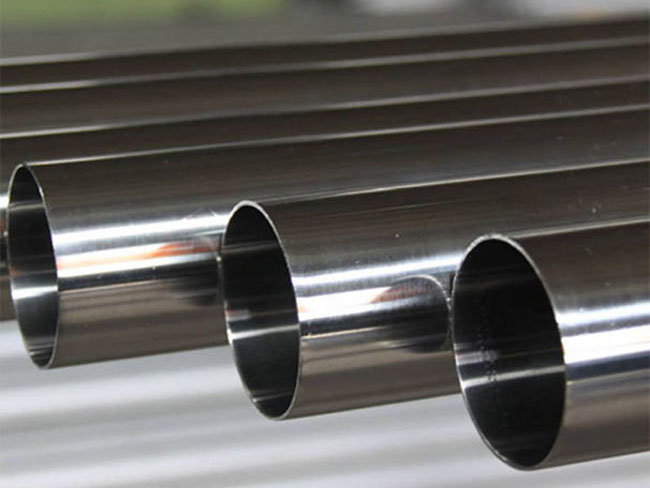
Duplex stainless steel pipe consists of approximately equal proportions of ferrite and austenite stainless steel phases. It combines the high strength of ferritic stainless steel with the toughness of austenitic stainless steel. Its yield strength is gene
 02
02
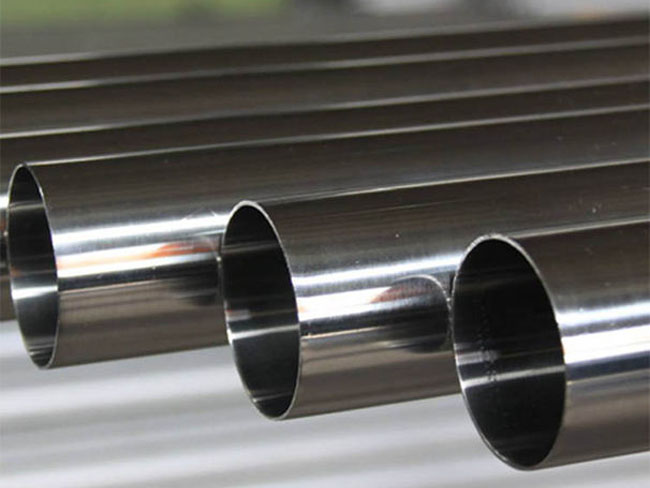
Marine seamless stainless steel pipes are manufactured from austenitic stainless steels such as 304, 304L, 316, and 316L. They feature excellent seawater corrosion resistance and high structural strength, and are widely used in ship piping systems, seawat
 03
03
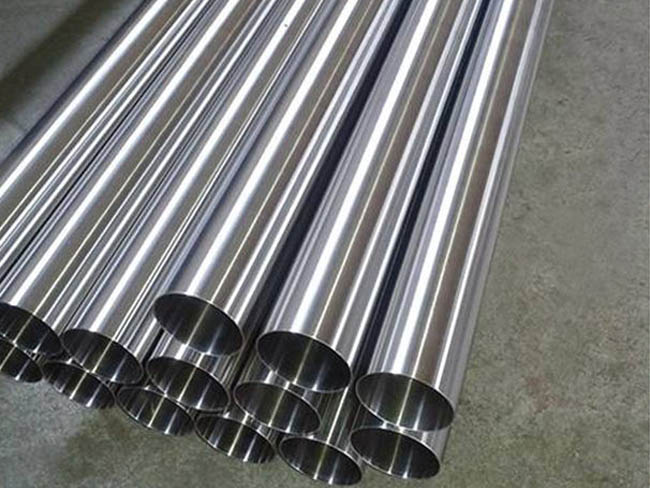
TP316 seamless stainless steel pipe offers excellent corrosion resistance and strength for chemical, marine, food, and petrochemical applications. Manufactured to ASTM A312, A213, and EN 10216-5 standards with customizable sizes and finishes.
 04
04
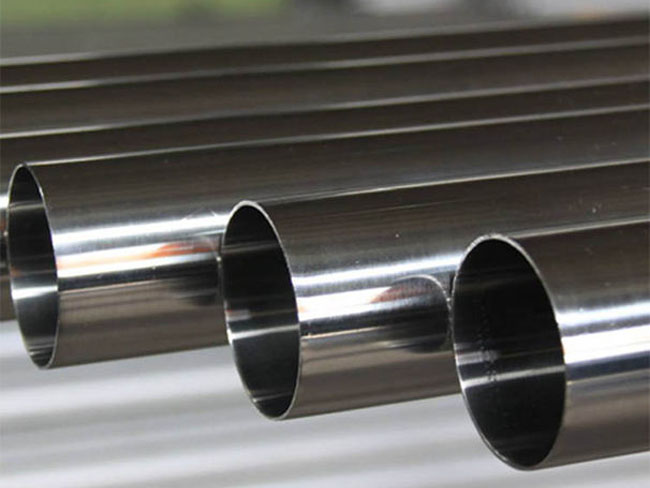
TP316L seamless stainless steel pipe conforms to ASTM A312, A213 and A269 standards, and has excellent corrosion resistance and low carbon welding performance, making it suitable for the chemical, shipbuilding, pharmaceutical and food industries.