
-
Email
-
WhatsApp
-
Address
Zhengzhou, China
Zhengzhou, China
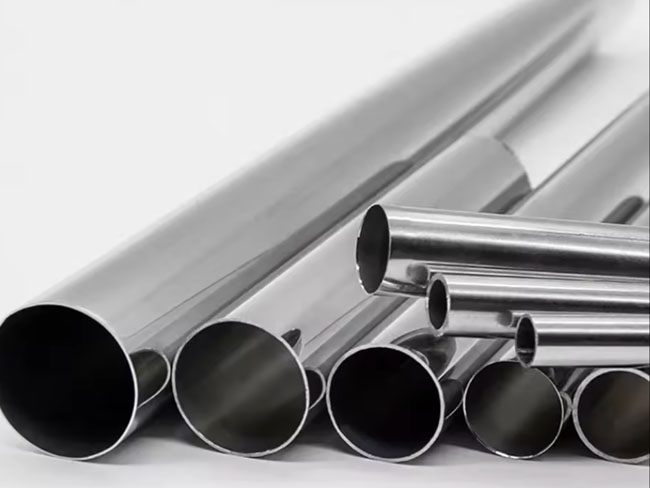
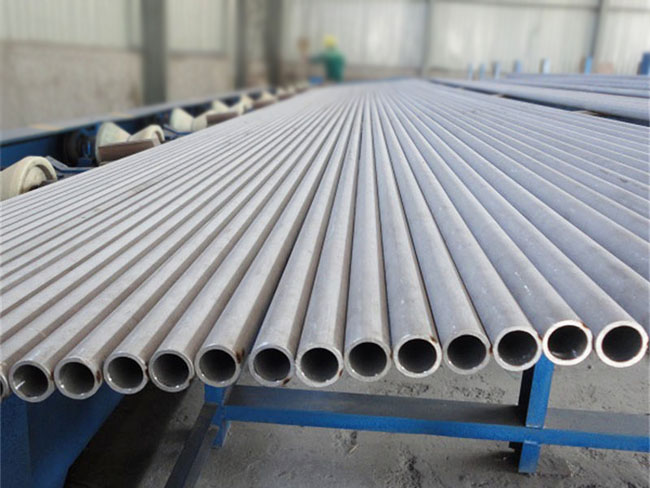
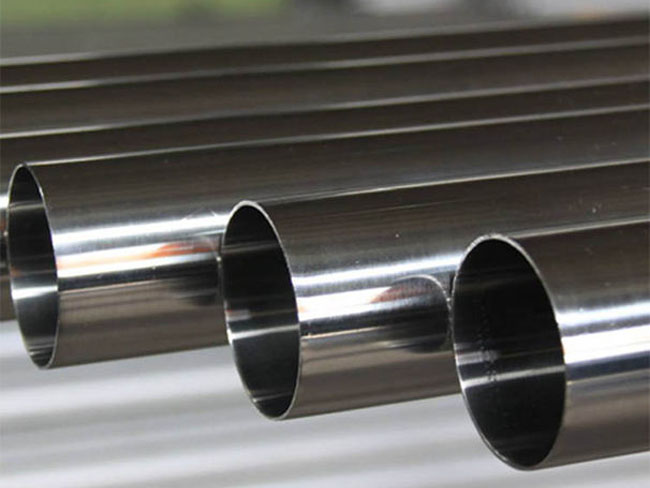
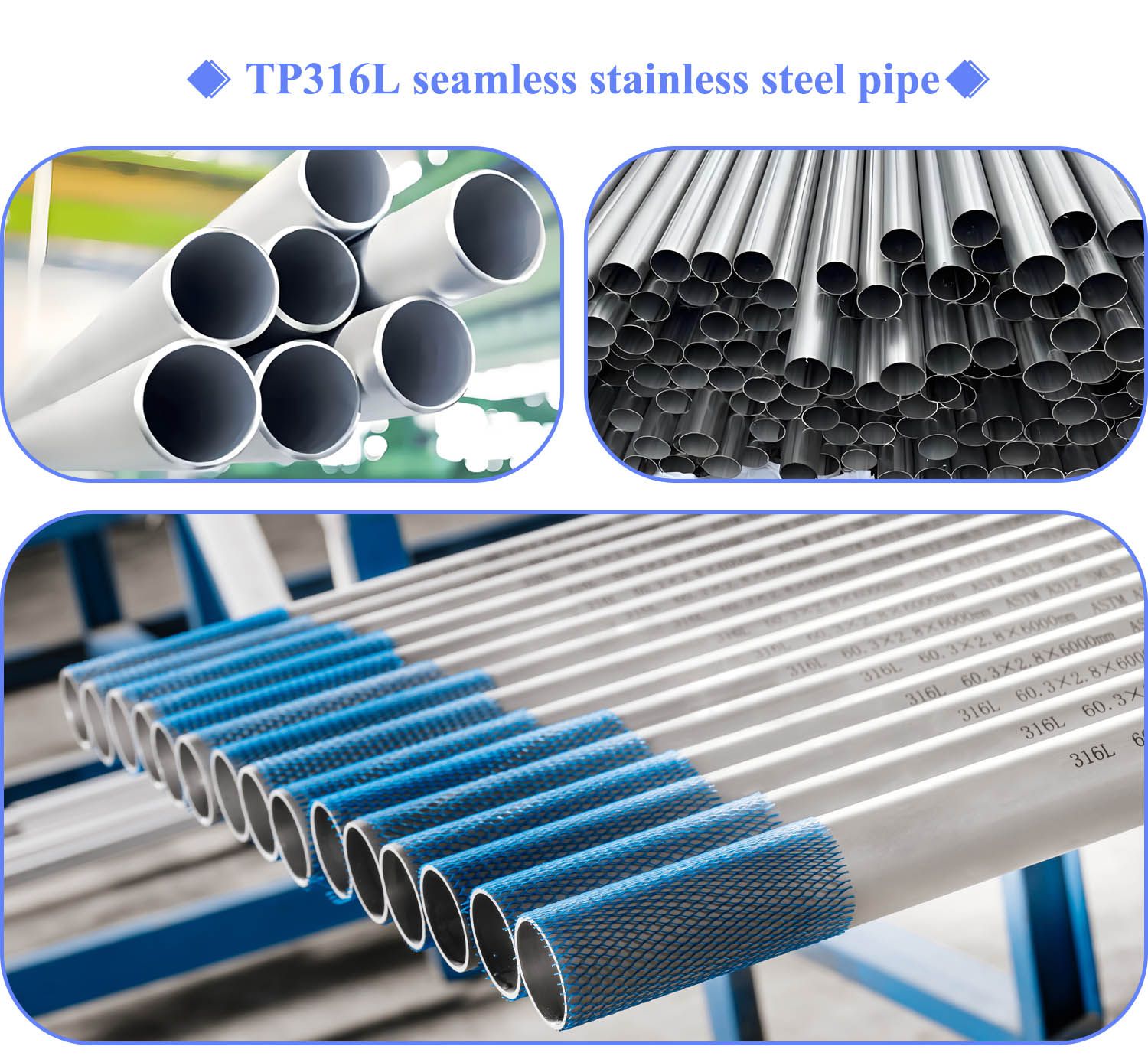
TP316L seamless stainless steel pipe conforms to ASTM A312, A213 and A269 standards, and has excellent corrosion resistance and low carbon welding performance, making it suitable for the chemical, shipbuilding, pharmaceutical and food industries.
Contact USTP316L seamless stainless steel tube is a low-carbon austenitic stainless steel pipe mainly composed of chromium (Cr), nickel (Ni), and molybdenum (Mo). Compared with standard 316 stainless steel, the carbon content in TP316L is strictly controlled below 0.03%, which effectively reduces carbide precipitation during welding and significantly improves the material's resistance to intergranular corrosion.
TP316L seamless stainless steel pipes are usually manufactured according to ASTM A312, ASTM A213, and ASTM A269 international standards. They are produced through hot rolling, cold drawing, or cold rolling processes, forming an integral structure without weld seams. As a result, the pipes offer excellent corrosion resistance, stable mechanical properties, and reliable microstructure.
Thanks to its superior corrosion resistance and reliability, TP316L seamless stainless steel pipes are widely used in chemical processing, oil and gas, marine engineering, pharmaceutical equipment, food processing, and high-end industrial piping systems.
| Item | Parameter |
| Outer Diameter (OD) | 6 mm - 630 mm |
| Wall Thickness (WT) | 1 mm - 60 mm |
| Length | 6 m / 12 m / Custom length |
| Manufacturing Process | Hot rolled, Cold drawn, Cold rolled |
| Surface Finish | Pickled, Polished, Sandblasted |
| Heat Treatment | Solution annealed |
| Types | TP316L cold drawn pipe, TP316L stainless steel pipe, 316L stainless steel seamless pipe, ASTM A312 TP316L seamless stainless steel pipe, etc. |
Mechanical Properties
| Mechanical Properties | Tensile Strength min ksi [MPa] | Yield Strength min ksi [MPa] | Elongation % (min) | Hardness HB (max) |
| TP316L | 70 [485] | 25 [170] | 35 | 192 |
Chemical Composition (%)
| Element | C | Si | Mn | P | S | Cr | Ni | Mo |
| Content (%) | ≤0.03 | ≤1.00 | ≤2.00 | ≤0.045 | ≤0.030 | 16.0-18.0 | 10.0-14.0 | 2.0-3.0 |
The addition of molybdenum (Mo) significantly enhances the material's resistance to pitting corrosion and crevice corrosion in chloride environments, making it particularly suitable for marine and chemical applications.
TP316L seamless stainless steel pipes can be produced according to various international standards depending on application requirements:
| Standard System | Standard Number | Application |
| ASTM / ASME | ASTM A312 / ASME SA312 | Austenitic stainless steel pipes for industrial piping |
| ASTM | ASTM A213 / ASME SA213 | Stainless steel tubes for boilers and heat exchangers |
| ASTM | ASTM A269 | Stainless steel tubes for general service |
| EN | EN 10216-5 | European standard for pressure applications |
| JIS | JIS G3459 | Stainless steel pipes for piping systems in Japan |
| GB | GB/T 14976 | Chinese standard for stainless steel pipes used for fluid transportation |
Pickled (AP)
The surface appears silver-gray with a matte finish. It offers good cost performance and is suitable for general industrial corrosion-resistant environments.
Bright Annealed (BA)
Bright annealing is performed in a hydrogen atmosphere, resulting in a smooth and bright surface with low roughness (Ra ≤ 0.4 μm). It is commonly used in pharmaceutical and food industries.
Polished / Mirror Finish (MP)
Through mechanical polishing or electropolishing, the pipe can achieve a mirror-like surface (Ra < 0.2 μm). It is easy to clean and leaves no residue, making it ideal for high-purity gas systems and injection water systems.
| Item | TP316 | TP316L |
| Carbon Content | ≤0.08% | ≤0.03% (low carbon) |
| Corrosion Resistance After Welding | Moderate; thick walls may experience sensitization | Excellent; resistant to intergranular corrosion |
| Strength | Slightly higher | Slightly lower but better toughness |
| Typical Applications | General corrosion environments, medium-high temperature | Heavy welding, strong corrosion, pressure pipelines, chemical and pharmaceutical industries |
Q1: What is the difference between 316L pipe and 316 pipe?
A1: The main difference is that 316L has a lower carbon content, which provides superior resistance to sensitization and intergranular corrosion.
Q2: What are the standard sizes of 316L seamless pipes?
A2: Our 316L pipes typically have an outer diameter range of 6-1016 mm, wall thickness of 1–65 mm, and lengths up to 18 meters.
Q3: Will 316L stainless steel seamless pipes rust?
A3: No. SS316L pipes are highly resistant to rust and corrosion, even when exposed to strongly corrosive environments and high temperatures.
 01
01
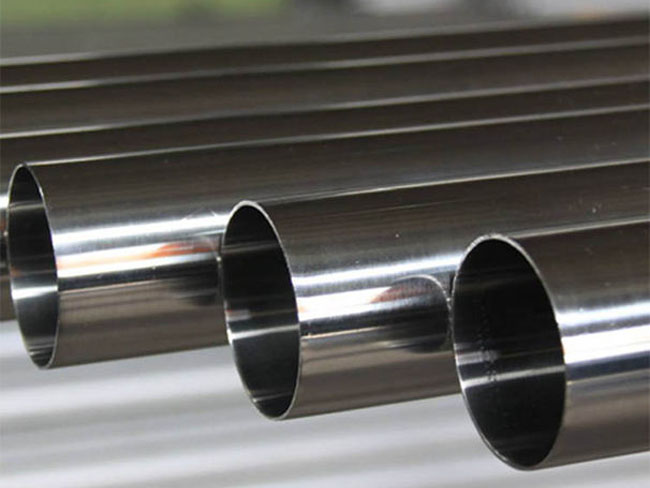
Marine seamless stainless steel pipes are manufactured from austenitic stainless steels such as 304, 304L, 316, and 316L. They feature excellent seawater corrosion resistance and high structural strength, and are widely used in ship piping systems, seawat
 02
02
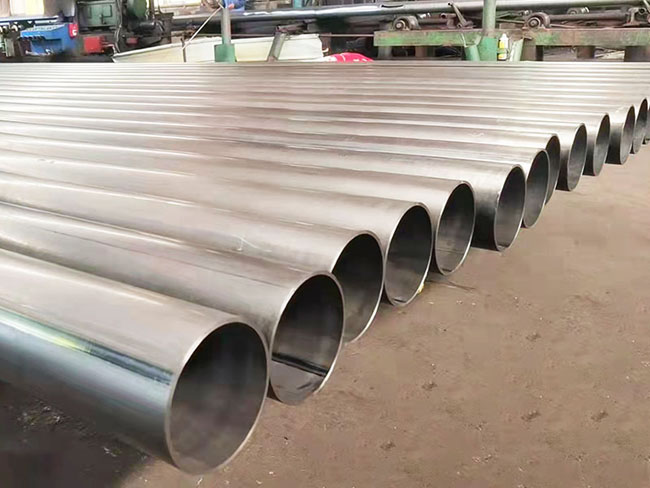
Austenitic seamless stainless steel pipe refers to seamless steel tubing whose microstructure remains stable austenite at room temperature. These steels typically use chromium and nickel as the primary alloying elements. A typical example is 18Cr-8Ni (Gra
 03
03
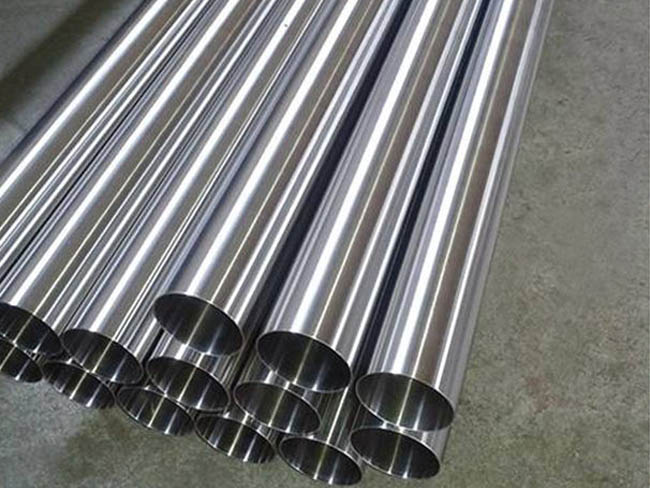
TP316 seamless stainless steel pipe offers excellent corrosion resistance and strength for chemical, marine, food, and petrochemical applications. Manufactured to ASTM A312, A213, and EN 10216-5 standards with customizable sizes and finishes.
 04
04
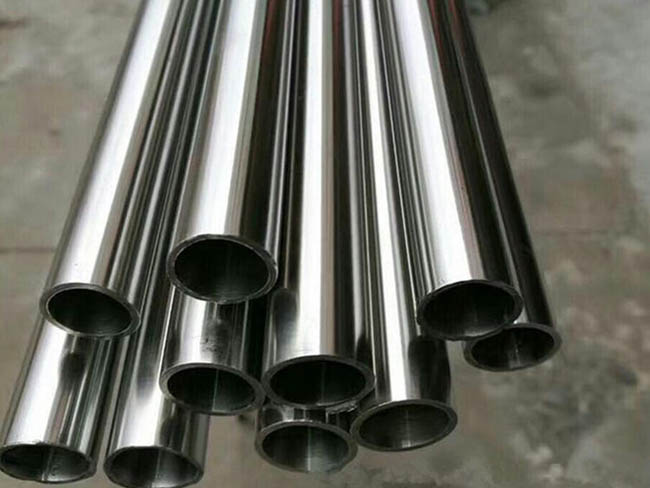
304L stainless steel pipe is produced from the low-carbon version of the widely used austenitic 18-8 stainless steel. The reduced carbon content allows it to be welded without causing localized corrosion. This is because 304L stainless steel produces less