
-
Email
-
WhatsApp
-
Address
Zhengzhou, China
Zhengzhou, China
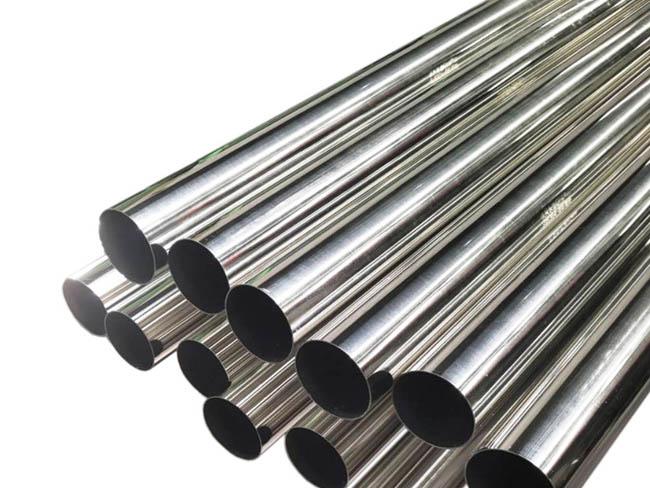
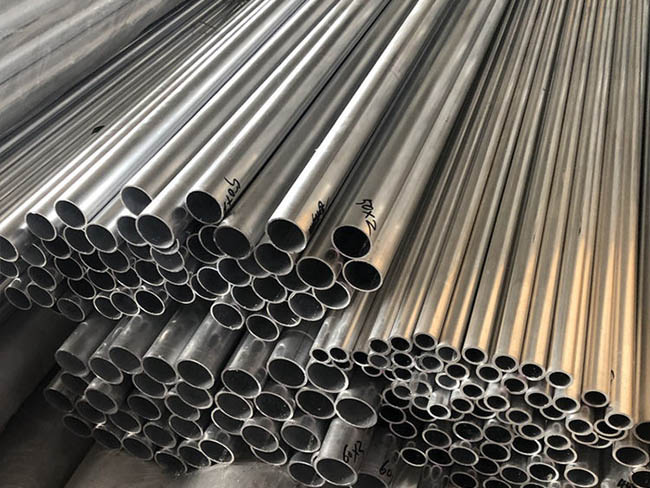
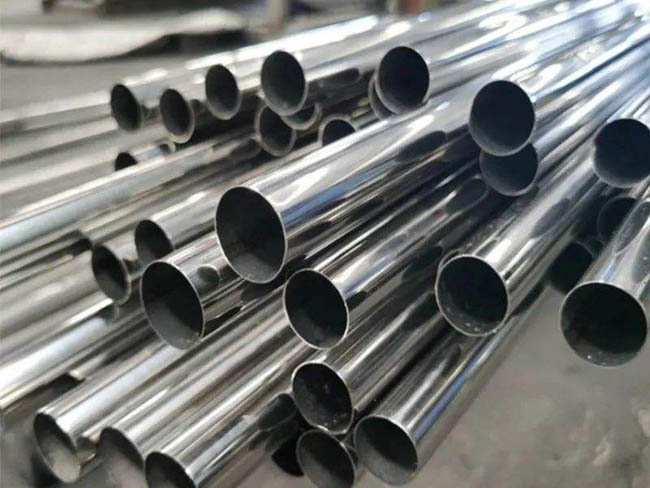
Small diameter seamless steel tubes refer to steel pipes with a relatively small outer diameter and a seamless structure without welding joints. The typical outer diameter range is 6 mm–89 mm. These pipes are manufactured through processes such as piercin
Contact USSmall diameter seamless steel tubes refer to steel pipes with a relatively small outer diameter and a seamless structure without welding joints. The typical outer diameter range is 6 mm–89 mm. These pipes are manufactured through processes such as piercing, rolling, and cold drawing, resulting in a dense and continuous structure without weld seams. Therefore, they offer superior pressure resistance, corrosion resistance, and structural reliability compared with conventional welded steel pipes.
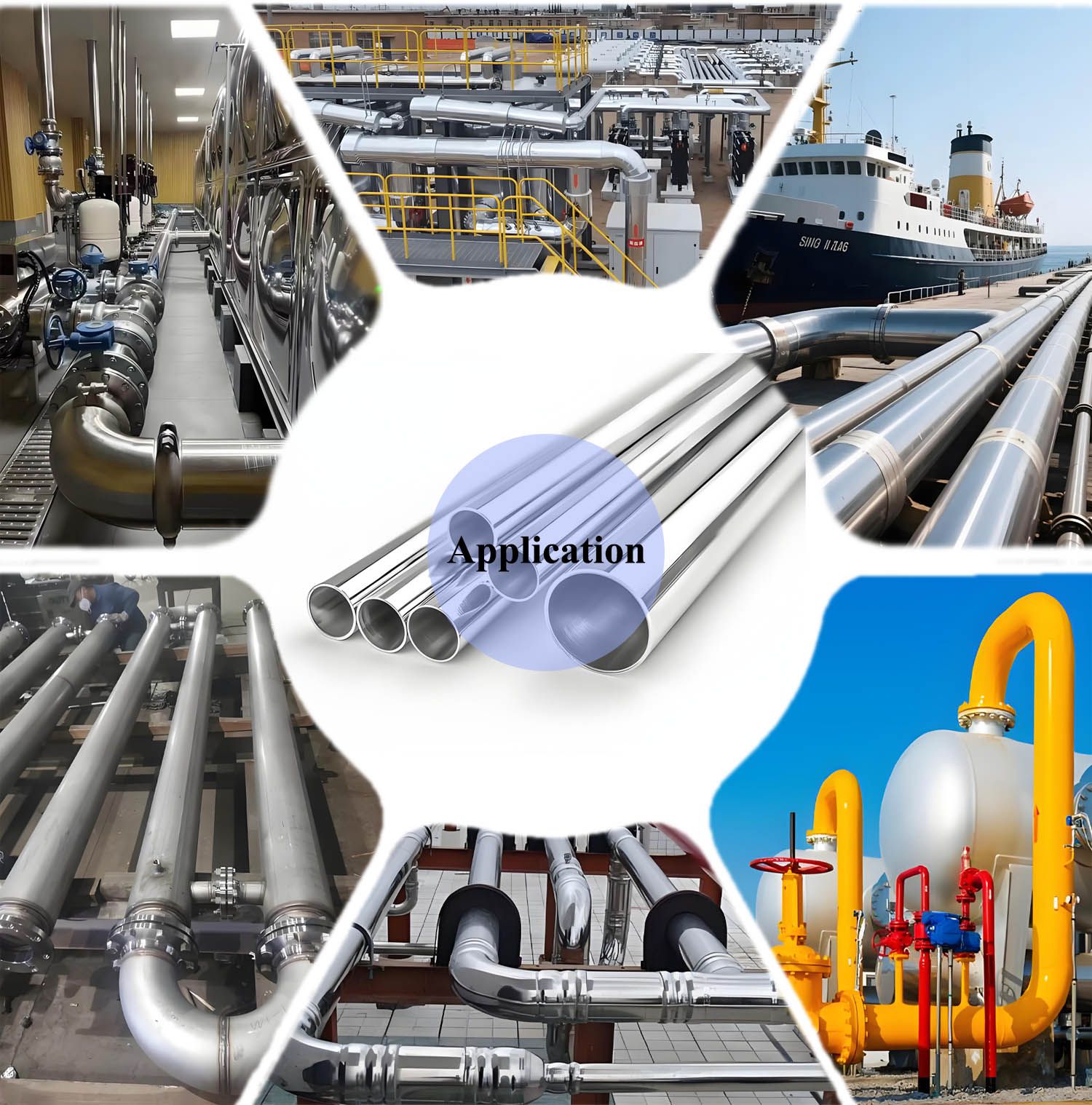
Due to their high dimensional accuracy and stable mechanical properties, small diameter seamless steel pipes are widely used in machinery manufacturing, hydraulic systems, boiler equipment, petrochemical industries, precision instruments, and automotive components, making them important materials for industrial piping systems and precision structural parts.
| Common Materials | 304, 304L, 316L, 321, 310S, etc. |
| Outer Diameter | 6 mm – 89 mm |
| Wall Thickness | 0.5 mm – 12 mm |
| Length | 3 m – 12 m |
| Tolerance | Up to ±0.05 mm (for precision tubes) |
| Surface Finish | Black surface, pickled, polished |
1. Seamless Structure with High Pressure Resistance
Small diameter seamless steel pipes are produced using an integral piercing and rolling process. Since the pipe body has no weld seam, potential defects such as cracks and porosity that may occur at welded joints are eliminated, making the pipe safer and more reliable in high-pressure or high-temperature environments.
2. High Dimensional Accuracy
Through cold drawing or cold rolling processes, small diameter steel pipes can achieve high dimensional precision and excellent surface quality, making them suitable for machining mechanical components that require strict tolerances.
3. Stable Mechanical Properties
The pipes provide good strength, toughness, and fatigue resistance, enabling them to maintain stable structural performance during long-term operation.
4. Excellent Machinability
Small diameter seamless steel pipes offer good machinability and can undergo cutting, bending, flaring, rolling, and turning processes, making them widely used in precision mechanical structural components.
5. Smooth Inner Surface
Especially for cold-rolled precision tubes, the inner wall is smooth and free from oxide scale, making them ideal for hydraulic oil pipes or pneumatic components.
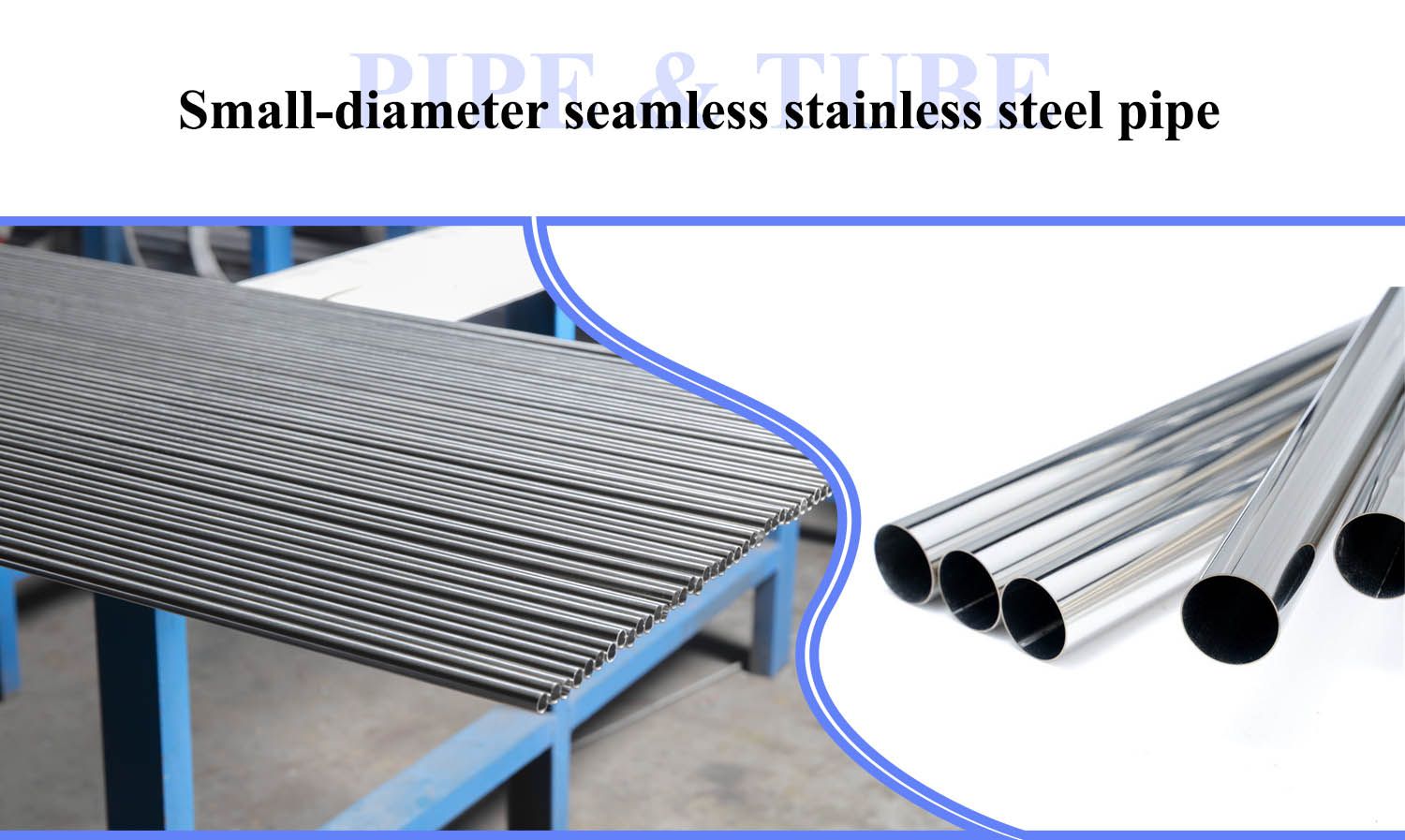
Hot-Rolled Pipes:
Generally have slightly larger diameters, moderate precision, and lower cost.
Cold-Rolled / Cold-Drawn Pipes:
Mainly used for small diameters, featuring high dimensional accuracy and uniform wall thickness.
Extruded Pipes:
Industrial Surface (Pickled & Passivated)
Gray matte finish with strong corrosion resistance, suitable for pipelines and industrial equipment.
Bright Surface (Cold-Rolled / Bright Annealed)
Smooth surface and good appearance, commonly used in food processing, pharmaceutical, and decorative applications.
Mirror Polished Surface
High gloss finish used in sanitary equipment, decorative purposes, and high-end machinery.
Austenitic Stainless Steel Seamless Pipe
Austenitic stainless steel is the most widely used stainless steel type due to its excellent corrosion resistance and good workability.
Common grades include 304 stainless steel, 316L stainless steel, and 321 stainless steel.
Duplex Stainless Steel Seamless Pipe
Duplex stainless steel contains both austenitic and ferritic structures, offering a combination of high strength and excellent corrosion resistance.
Typical materials include 2205 duplex stainless steel and 2507 super duplex stainless steel.
Automotive Manufacturing
Used for automotive components such as engine rocker shafts, camshafts, drive shafts, shock absorbers, and high-pressure fuel pipelines.
Mechanical and Hydraulic Systems
Used as hydraulic cylinder barrels, pneumatic cylinder tubes, and precision-machined sleeve components. In many cases, they can replace solid round steel, significantly reducing material cost and machining time.
Energy and Petrochemical Industry
Applied in boiler heat exchanger tubes, petroleum cracking pipes, drilling pipes, and pipelines resistant to hydrogen sulfide corrosion.
Instrumentation
Used for signal tubes of automated instruments and electrical conduit protection pipes.
Special Applications
Including medical needles, aerospace hydraulic pipelines, and multi-channel special-shaped tubes (such as core components used in variable valve rocker shafts in engines).
| ASTM A106 | Seamless Carbon Steel Pipe for High-Temperature Service |
| ASTM A53 | Steel Pipe for Structural and Pressure Applications |
| ASTM A213 | Tubing for Boilers and Heat Exchangers |
| GB/T 8162 | Seamless Steel Pipes for Structural Use |
| GB/T 8163 | Seamless Steel Pipes for Fluid Transportation |
To ensure product quality, small diameter seamless steel pipes typically undergo multiple inspections:
Chemical composition analysis
Tensile property testing
Hardness testing
Ultrasonic testing (UT)
Eddy current testing (ET)
Hydrostatic pressure testing
Dimensional and visual inspection
Through strict quality control procedures, the pipes can meet the demanding requirements of various industrial applications.
 01
01
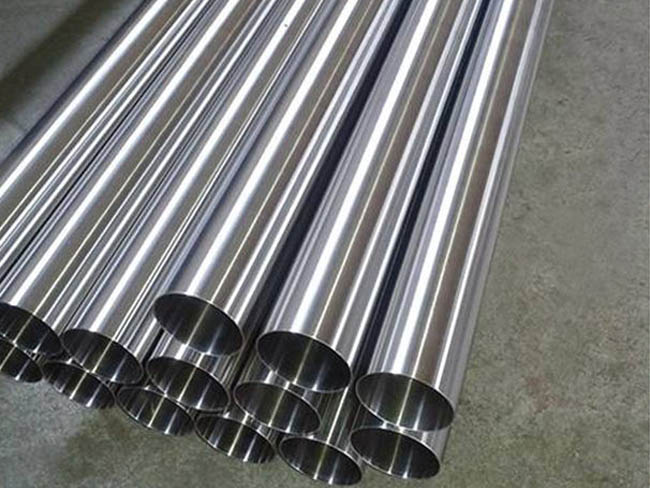
TP316 seamless stainless steel pipe offers excellent corrosion resistance and strength for chemical, marine, food, and petrochemical applications. Manufactured to ASTM A312, A213, and EN 10216-5 standards with customizable sizes and finishes.
 02
02
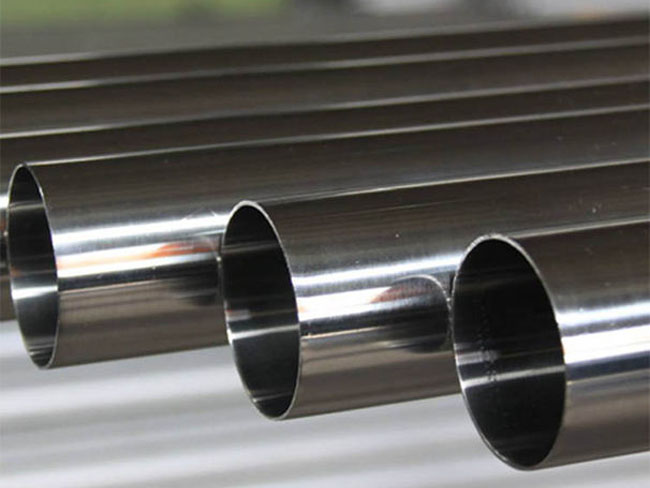
TP316L seamless stainless steel pipe conforms to ASTM A312, A213 and A269 standards, and has excellent corrosion resistance and low carbon welding performance, making it suitable for the chemical, shipbuilding, pharmaceutical and food industries.
 03
03
Duplex stainless steel pipe consists of approximately equal proportions of ferrite and austenite stainless steel phases. It combines the high strength of ferritic stainless steel with the toughness of austenitic stainless steel. Its yield strength is gene
 04
04
TP304 stainless steel seamless pipe (ASTM A312/A213 TP304) is one of the most widely used austenitic stainless steel pipes in industrial applications. With its excellent corrosion resistance, outstanding workability, and stable performance in both high an