
-
Email
-
WhatsApp
-
Address
Zhengzhou, China
Zhengzhou, China
 By Hermione
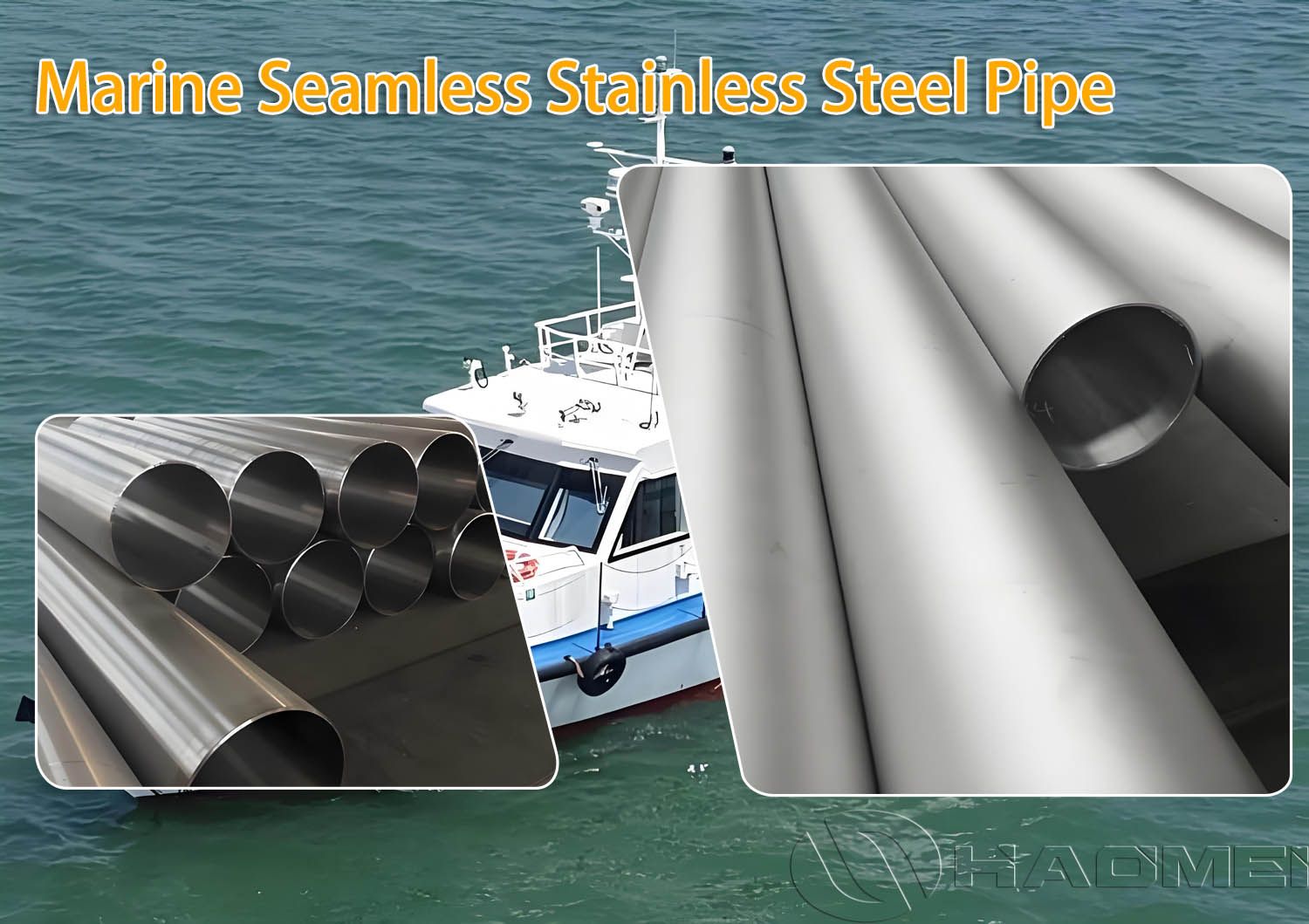
Among various piping materials, seamless stainless steel pipes have become an important choice for marine piping systems due to their excellent corrosion resistance, pressure-bearing capacity, mechanical strength, and long service life. High-quality seamless stainless steel pipes play an irreplaceable role in seawater cooling, fuel transportation, hydraulic control, ballast water systems, chemical transfer, exhaust systems, and offshore platform equipment.
HAOMEI offers 304, 304L, 316, 316L, and 2205 duplex stainless steel materials. How do you select the most suitable seamless stainless steel pipe for marine applications? This article provides a comprehensive analysis of material properties, application areas, international standards, and purchasing recommendations.
Compared with welded stainless steel pipes, seamless stainless steel pipes are manufactured through piercing, hot rolling, cold rolling, and other processes. Since the pipe body has no welded seam, it offers higher overall strength and reliability.
Its main advantages include:
Higher pressure resistance, making it suitable for high-pressure fluid transportation systems.
Excellent corrosion resistance, allowing long-term resistance to seawater, salt spray, and humid marine environments.
Seamless construction, reducing the risk of leakage and weld seam corrosion.
Longer service life, helping reduce maintenance and replacement costs.
High dimensional accuracy, meeting the installation requirements of complex marine piping systems.
For vessels operating for long periods in harsh marine environments, seamless stainless steel pipes can significantly improve the safety and operational stability of onboard systems.
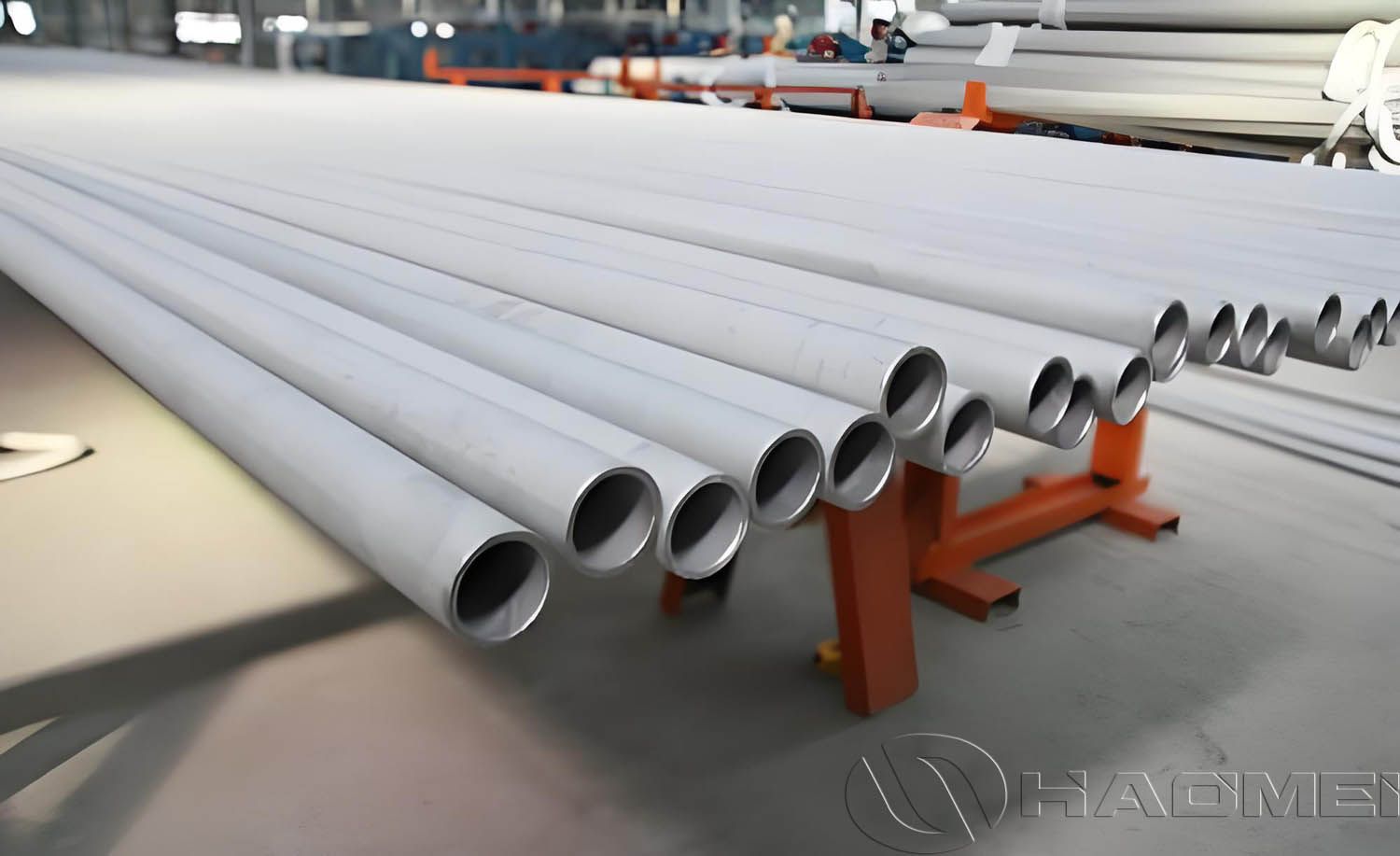
304 is one of the most common stainless steel grades, containing approximately 18% chromium and 8% nickel. Its Pitting Resistance Equivalent Number (PREN) is approximately 18–20.
Suitable applications:
Freshwater systems, cooling systems, domestic water pipelines, and other low-chloride environments.
Limitations:
304 is not recommended for direct seawater service. In seawater environments, its corrosion resistance is far from sufficient. Using 304 in seawater pipelines may lead to pitting corrosion or even perforation within a relatively short period of service.
316L is currently one of the most widely used materials for marine stainless steel piping. Compared with 304, it contains approximately 2%–3% molybdenum (Mo), which significantly improves resistance to chloride-ion corrosion. Its PREN value is approximately 24–26.
Key Advantages
Excellent seawater corrosion resistance for conventional marine environments;
Low carbon content-"L" stands for Low Carbon—improves weldability and helps prevent intergranular corrosion;
Good overall cost performance, making it a classic choice that balances performance and cost.
Suitable applications:
Ballast water pipelines, cooling systems, fire protection systems, potable water systems, and similar applications.
For example, a Very Large Crude Carrier (VLCC) with a capacity of 200,000 to 300,000 tons may require hundreds of tons of stainless steel pipes for cargo tank heating, vapor handling, loading, unloading, and transfer systems, with 316L accounting for a significant share.
Germanischer Lloyd (GL) specifications indicate that, in order to ensure resistance to intergranular corrosion in weld heat-affected zones, 304L and 316L are generally preferred over standard 304 and 316 grades. As a result, 316L has become a mainstream choice for marine stainless steel piping.
2205 duplex stainless steel has a more advanced chemical composition, typically containing approximately 22% chromium (Cr), 3% molybdenum (Mo), and 0.18% nitrogen (N). Its PREN value reaches approximately 32–34, significantly higher than that of 316L.
Key Advantages
Corrosion resistance that exceeds 316L, especially in pitting corrosion, crevice corrosion, and stress corrosion cracking resistance;
Yield strength approximately twice that of 316L, typically around 450 MPa compared with about 205 MPa for 316L;
The ability to use thinner wall thicknesses while achieving the same required strength;
Excellent resistance to chloride stress corrosion cracking, making it particularly suitable for demanding marine environments;
Lower thermal expansion coefficient and higher thermal conductivity.
Suitable applications:
Harsh seawater environments, ballast water treatment systems, seawater-cooled heat exchangers, offshore platform piping, and other demanding marine systems.
| Parameter | Typical Range / Value |
| Outside Diameter | 6 mm – 600 mm |
| Wall Thickness | 1 mm – 50 mm |
| Material Grades | 316L, 304L, 2205, etc. |
| Pressure Rating | Up to 1000 bar |
| Temperature Range | -200°C to +800°C |
| Surface Finish | Polished, sandblasted, electropolished, coated |
Marine seamless stainless steel pipes are widely used in the following systems and equipment:
Seawater cooling systems;
Seawater fire-fighting systems;
Fuel transfer systems;
Ballast water systems;
Hydraulic systems;
Seawater desalination equipment;
Piping connections for marine pumps, valves, and heat exchangers;
Offshore platform seawater treatment systems;
Process pipelines in high salt-spray environments;
Structural and transport components requiring high strength and corrosion resistance.
In marine environments, pipe surface treatment has a direct impact on corrosion resistance, service life, and appearance. Common surface treatment methods include:
Polishing
Polishing improves surface smoothness and helps enhance corrosion resistance. A smoother surface is less likely to retain contaminants, salt deposits, or moisture.
Sandblasting
Sandblasting improves surface roughness and coating adhesion, making it suitable for pipes that require subsequent painting or protective coating applications.
Electropolishing
Electropolishing provides an exceptionally smooth and clean surface finish. It can improve corrosion resistance by removing surface impurities and microscopic irregularities.
Protective Coatings
Protective coatings, such as epoxy coatings or polyurethane coatings, can further improve corrosion resistance, particularly for pipes exposed to salt spray, moisture, or aggressive external environments.
International shipbuilding and offshore projects commonly require compliance with the following standards:
ASTM A312 — Seamless, welded, and heavily cold-worked austenitic stainless steel pipes;
ASTM A269 — Seamless and welded austenitic stainless steel tubing for general service, including instrumentation and heat exchanger applications;
ASTM A213 — Seamless ferritic and austenitic alloy-steel boiler, superheater, and heat-exchanger tubes;
EN 10216-5 — Seamless steel tubes for pressure purposes, stainless steel tubes;
JIS G3459 — Stainless steel pipes;
GB/T 14976 — Seamless stainless steel pipes for fluid transportation.
For export projects, classification society certification is also highly important.
Common certifications include:
CCS — China Classification Society;
ABS — American Bureau of Shipping;
DNV — Det Norske Veritas;
LR — Lloyd's Register;
BV — Bureau Veritas;
NK / ClassNK — Nippon Kaiji Kyokai;
KR — Korean Register.
Products with relevant classification society certifications are more likely to meet the procurement requirements of international shipyards, shipowners, and offshore engineering contractors.
The following table provides general material selection guidance for common marine applications. Final material selection should always be based on design specifications, process media, operating temperature and pressure, corrosion conditions, and classification society requirements.
| Application System | Typical Service Conditions | Recommended Material |
| Domestic water pipelines inside ship cabins | Freshwater, ambient temperature, low pressure | 304L, 316L |
| General auxiliary process pipelines | Low-corrosive media | 304L, 316L |
| Piping exposed to marine atmosphere | Salt spray, humidity, intermittent seawater contact | 316L |
| Seawater cooling systems | Continuous seawater contact | 2205 duplex stainless steel |
| Ballast water systems | Seawater, sediment, corrosive environment | 2205 duplex stainless steel |
| Seawater fire-fighting systems | Seawater, high reliability requirements | 2205 or 2507 |
| High-pressure seawater systems | High pressure, high salinity, severe corrosion | 2507 super duplex stainless steel |
| Seawater desalination equipment | Chloride-rich media, high pressure, continuous operation | 2205, 2507 |
| Offshore oil and gas platforms | High salt spray, complex media, high maintenance costs | 2205, 2507 |
| Chemical tanker piping for special media | Acids, alkalis, solvents, corrosive liquids | 316L, 2205, 2507, or special alloys depending on the medium |
 01
01
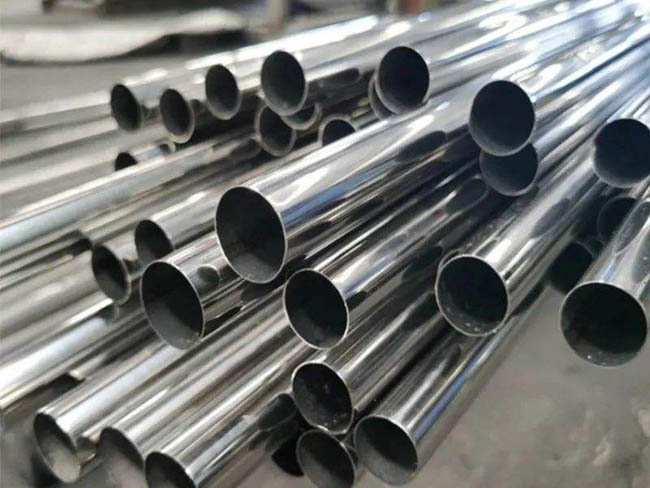
TP304 stainless steel seamless pipe (ASTM A312/A213 TP304) is one of the most widely used austenitic stainless steel pipes in industrial applications. With its excellent corrosion resistance, outstanding workability, and stable performance in both high an
 02
02
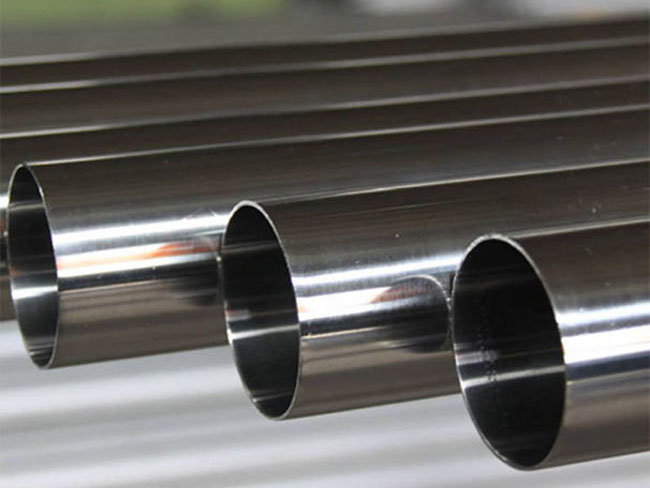
Duplex stainless steel pipe consists of approximately equal proportions of ferrite and austenite stainless steel phases. It combines the high strength of ferritic stainless steel with the toughness of austenitic stainless steel. Its yield strength is gene
 03
03
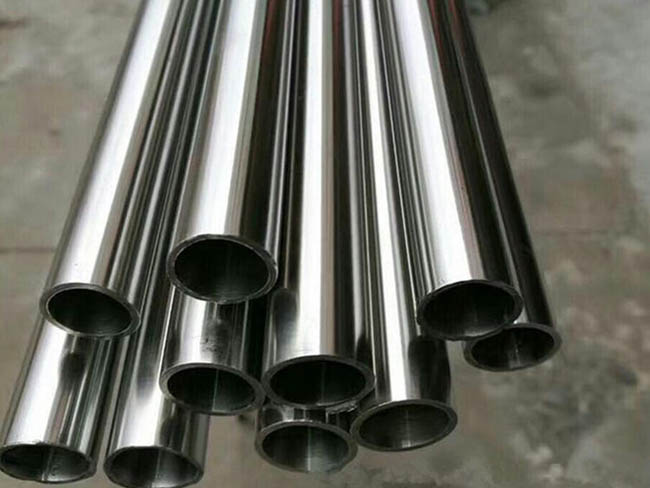
304L stainless steel pipe is produced from the low-carbon version of the widely used austenitic 18-8 stainless steel. The reduced carbon content allows it to be welded without causing localized corrosion. This is because 304L stainless steel produces less
 04
04
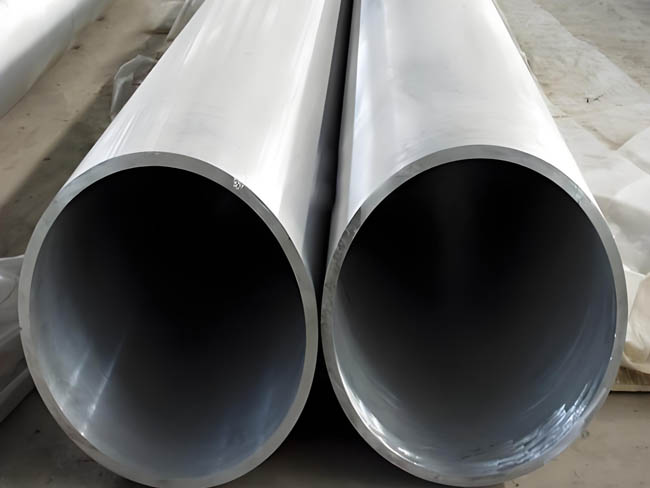
Large diameter seamless steel pipes typically refer to pipes with an outer diameter of 219 mm or larger, and in some cases up to 1020 mm. Compared with standard-size pipes, large-diameter seamless pipes are manufactured using advanced hot rolling or hot e