
-
Email
-
WhatsApp
-
Address
Zhengzhou, China
Zhengzhou, China
 By Hermione
In industries such as oil and gas, chemical processing, power generation, shipbuilding, offshore engineering, cryogenic storage and transportation, food processing, and pharmaceuticals, piping systems often operate continuously under high or low temperature conditions. Whether a material can maintain stable mechanical properties, corrosion resistance, and structural integrity under extreme temperatures directly affects the safety and service life of the entire system.
As a widely used austenitic stainless steel material in industrial piping, 316L seamless stainless steel pipe (ASTM A312 TP316L Seamless Stainless Steel Pipe) has become a preferred pipe material for many demanding applications due to its excellent corrosion resistance, good high-temperature performance, and outstanding low-temperature toughness.
316L is a low-carbon austenitic stainless steel containing approximately 2%–3% molybdenum (Mo), with a carbon content of ≤0.03%. The addition of molybdenum gives 316L superior resistance to pitting and crevice corrosion, while the low-carbon design effectively reduces the risk of intergranular corrosion during welding. Therefore, it is especially suitable for welded pipelines and complex industrial systems.
Seamless stainless steel pipe is manufactured through hot piercing, cold rolling, or cold drawing processes. With no weld seam, it offers higher pressure-bearing capacity, a more uniform microstructure, and better reliability, making it suitable for high-pressure, high-temperature, and low-temperature operating conditions.
| Item | Parameter |
| Product Name | 316L Seamless Stainless Steel Pipe |
| Standards | ASTM A312, ASTM A213, ASTM A269, EN 10216-5 |
| Material Grade | TP316L / UNS S31603 |
| Outside Diameter | 6 mm–610 mm |
| Wall Thickness | SCH5S–SCH160, XXS, or customized |
| Length | 6 m, 12 m, or customized |
| Surface Finish | Pickled, Passivated, Polished, BA |
| Manufacturing Process | Hot Rolled, Cold Rolled, Cold Drawn Seamless |
| Working Temperature | Approx. -196°C to 870°C, depending on actual service conditions and design codes |
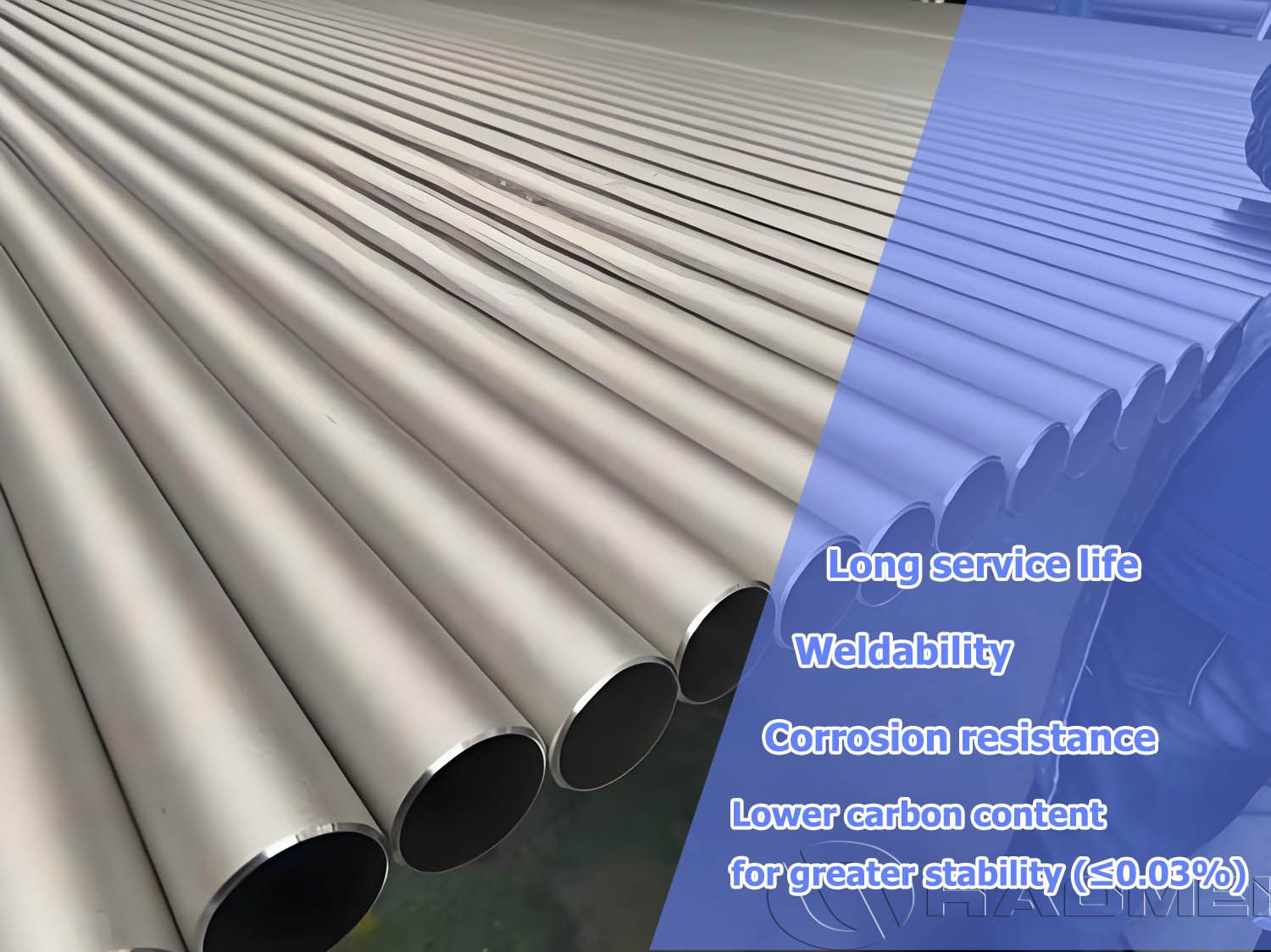
1. Excellent Low-Temperature Toughness and Resistance to Brittle Fracture
316L seamless stainless steel pipe maintains good impact toughness even under low-temperature and cryogenic conditions. Compared with ordinary carbon steel, it does not have an obvious ductile-to-brittle transition temperature, making it safer and more reliable in low-temperature applications.
This means that when the pipe is used to transport cryogenic media such as liquid nitrogen, liquid oxygen, and liquid argon, 316L pipe is less likely to suffer sudden brittle fracture caused by rapid temperature drops. It can also withstand certain pressure fluctuations and external impacts.
2. Suitable for Cryogenic Media Transportation
316L stainless steel is commonly used in liquid nitrogen environments close to -196°C and is also suitable for various low-temperature gas and liquid transportation systems. Its good ductility at low temperatures helps reduce the risk of failure caused by contraction stress or mechanical loads.
316L seamless stainless steel pipe is a common choice for cryogenic storage and transportation, laboratory cryogenic systems, pharmaceutical low-temperature reaction equipment, and food freezing processing equipment.
3. Dimensional Contraction at Low Temperatures Requires Proper Design
Although 316L itself has excellent low-temperature toughness, all metals contract at low temperatures. For long-distance cryogenic pipelines, if pipe supports, fixed points, or compensation structures are not properly designed, the stress caused by cold contraction may concentrate at welds, flanges, or equipment connections.
316L seamless stainless steel pipe is one of the commonly used materials for cryogenic tubes, suitable for low-temperature environments from -45°C to -195°C. Typical applications include:
LNG carrier cargo systems
Liquefied natural gas receiving terminal pipelines
Cryogenic pressure vessels
Polar offshore platforms
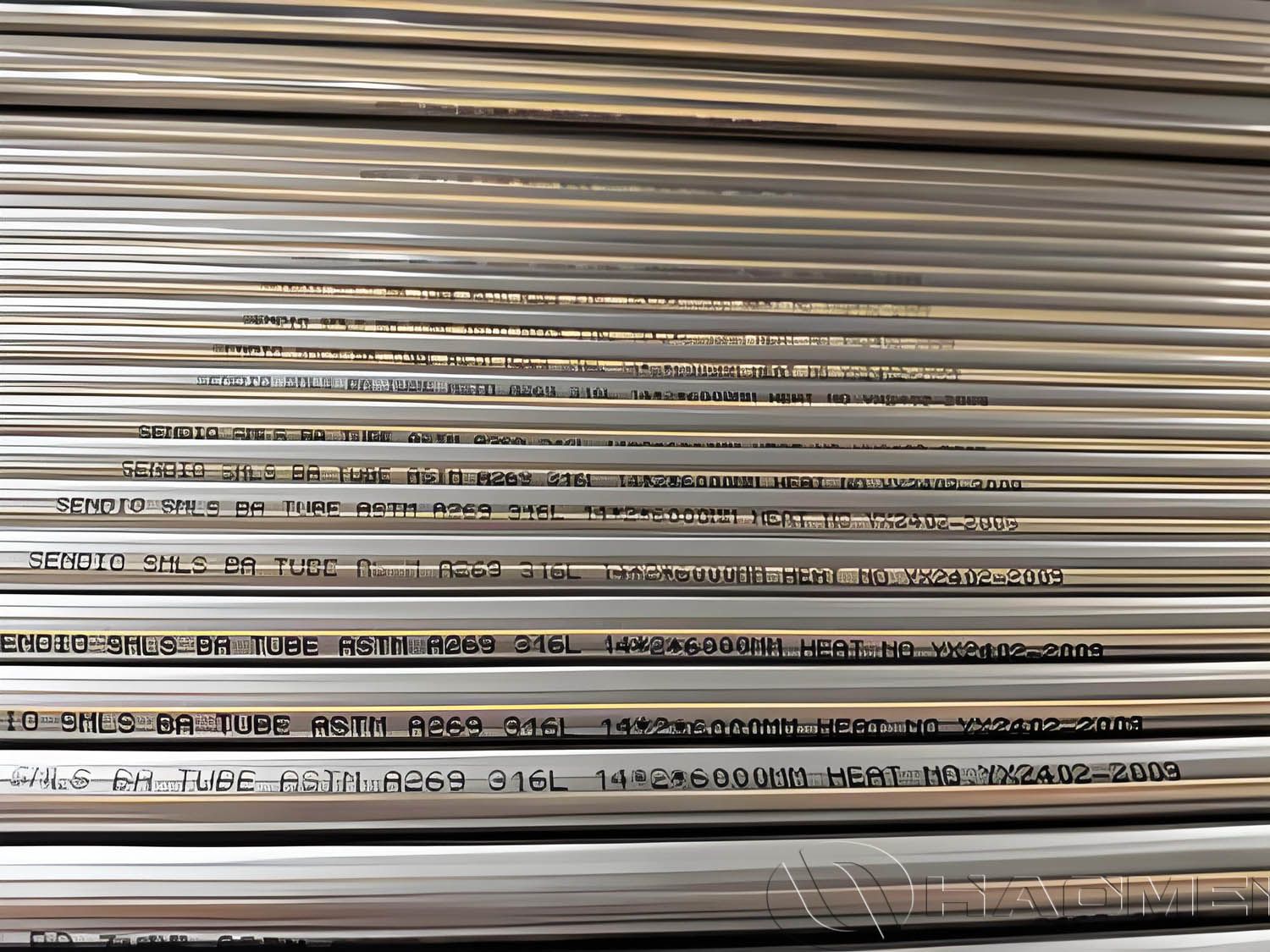
1.Oxidation Resistance
316L stainless steel contains relatively high levels of chromium and molybdenum, giving it good oxidation resistance at high temperatures. In air, steam, heat exchange media, and other gaseous environments, 316L stainless steel can withstand continuous service temperatures up to 870°C and intermittent service temperatures up to 925°C without obvious oxidation or corrosion.
2.High-Temperature Strength and Creep Performance
316L stainless steel can still maintain relatively high strength and creep resistance at elevated temperatures, allowing it to be used in high-temperature and high-pressure environments such as boilers and pressure vessels. The addition of molybdenum further improves its high-temperature strength and creep resistance. Some technical references indicate that the addition of Mo, approximately 2%–3%, gives 316L stainless steel high strength, excellent pitting and corrosion resistance, and good high-temperature creep strength.
Engineering Recommendation: Although 316L can withstand high temperatures, if the pipeline needs to operate above 600°C for a long time and under high pressure, the design must strictly refer to its creep strength, which is the material’s resistance to plastic deformation under long-term high-temperature loading. It may also be necessary to increase the pipe wall thickness appropriately or select a higher-grade heat-resistant steel.
3.Avoiding Sensitization
316L stainless steel is an ultra-low-carbon austenitic stainless steel with a carbon content below 0.03%. This effectively helps avoid sensitization during welding or high-temperature exposure. Sensitization refers to the precipitation of carbides at grain boundaries when stainless steel is heated for a long time within the temperature range of 450°C–850°C, causing chromium depletion at the grain boundaries and reducing corrosion resistance.
Compared with 316 grade stainless steel, 316L pipe is less likely to become sensitized due to its lower carbon content. Therefore, it is commonly used for large welded components.
Based on these characteristics, 316L seamless stainless steel pipe is widely used in the following high-temperature applications:
Power plant boiler pipelines
Nuclear reactor components
Chemical processing equipment
Aerospace engine piping systems
Many industrial systems are not exposed only to high or low temperatures; they also experience frequent thermal cycling between heating and cooling.
316L seamless stainless steel pipe offers the following advantages:
1.Good Thermal Fatigue Resistance
During repeated heating and cooling cycles, it is less likely to develop cracks.
2.Excellent Dimensional Stability
Uniform thermal expansion helps reduce stress concentration at connection points.
3.Excellent Weldability
The low carbon content reduces the risk of intergranular corrosion in the weld heat-affected zone, and complex post-weld heat treatment is usually not required.
4.Long Service Life
Even under thermal cycling conditions, it can maintain good structural integrity and corrosion resistance.
When selecting 316L seamless stainless steel pipe, the following factors should be carefully considered:
1. Working Temperature Range
Clearly define the maximum and minimum operating temperatures of the system to ensure that the material performance meets design requirements.
2. Working Pressure
Select the appropriate wall thickness, such as SCH10S, SCH40S, SCH80S, etc., according to the pressure rating, and verify it according to relevant design codes.
3. Conveyed Medium
For media containing chloride ions, seawater, or corrosive chemicals, the corrosion environment and flow rate should be comprehensively evaluated. If necessary, higher-grade materials should be considered.
4. Welding and Installation Requirements
Priority should be given to seamless stainless steel pipes that comply with international standards. Matching welding procedures and welding materials should be used to ensure the performance of welded joints.
5. Quality Certification
It is recommended to choose manufacturers certified under an ISO quality management system. According to project requirements, suppliers should be able to provide EN 10204 3.1/3.2 material certificates, PMI material identification reports, and non-destructive testing reports to ensure product quality traceability.
 01
01
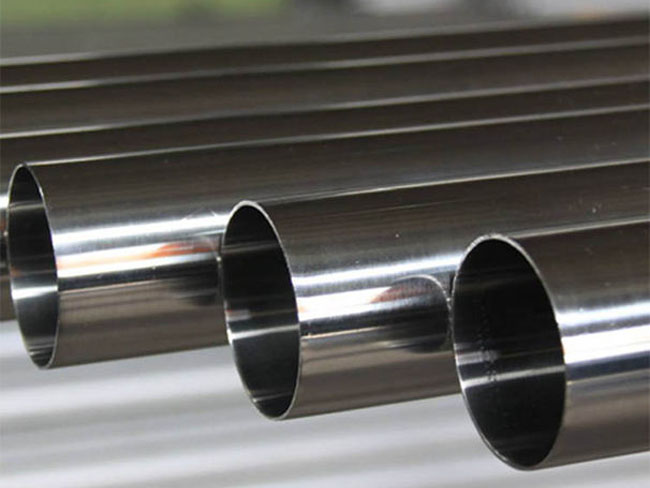
Marine seamless stainless steel pipes are manufactured from austenitic stainless steels such as 304, 304L, 316, and 316L. They feature excellent seawater corrosion resistance and high structural strength, and are widely used in ship piping systems, seawat
 02
02
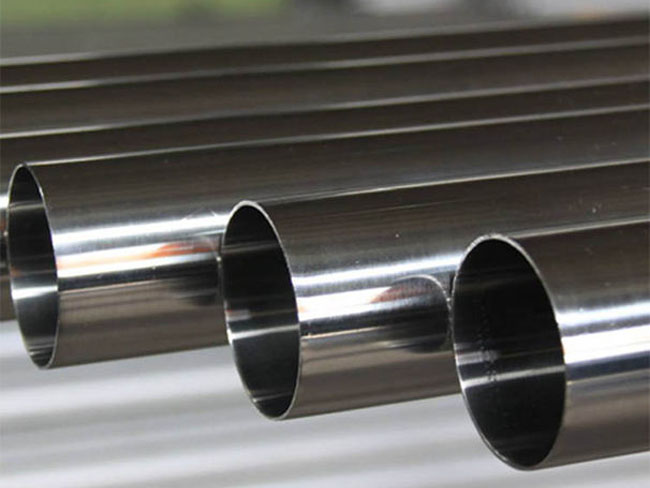
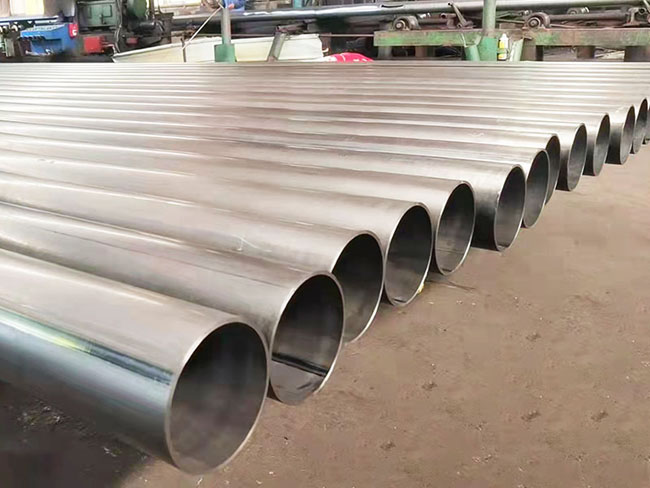
TP316L seamless stainless steel pipe conforms to ASTM A312, A213 and A269 standards, and has excellent corrosion resistance and low carbon welding performance, making it suitable for the chemical, shipbuilding, pharmaceutical and food industries.
 03
03
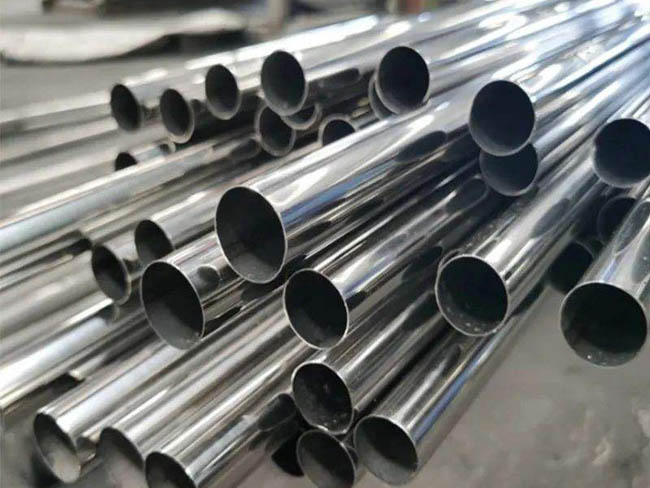
Austenitic seamless stainless steel pipe refers to seamless steel tubing whose microstructure remains stable austenite at room temperature. These steels typically use chromium and nickel as the primary alloying elements. A typical example is 18Cr-8Ni (Gra
 04
04
Small diameter seamless steel tubes refer to steel pipes with a relatively small outer diameter and a seamless structure without welding joints. The typical outer diameter range is 6 mm–89 mm. These pipes are manufactured through processes such as piercin