
-
Email
-
WhatsApp
-
Address
Zhengzhou, China
Zhengzhou, China
 By Hermione
In modern offshore engineering, shipbuilding, deep-sea oil and gas development, and high-pressure industrial piping systems, material selection has a direct impact on the safety, operational stability, and service life of the entire system. As a key product for global high-end industrial markets, marine-grade seamless stainless steel pipe has become a preferred choice for international buyers and engineering contractors due to its excellent pressure-bearing capability, outstanding seawater corrosion resistance, and stringent seamless manufacturing process.
Our products can be manufactured and supplied in accordance with ASTM, ASME, EN, JIS, GB, and customer-specific project specifications. Customization is available for material grade, length, pipe end type, surface finish, export packaging, and third-party inspection documentation, meeting the needs of international trade and marine equipment projects.
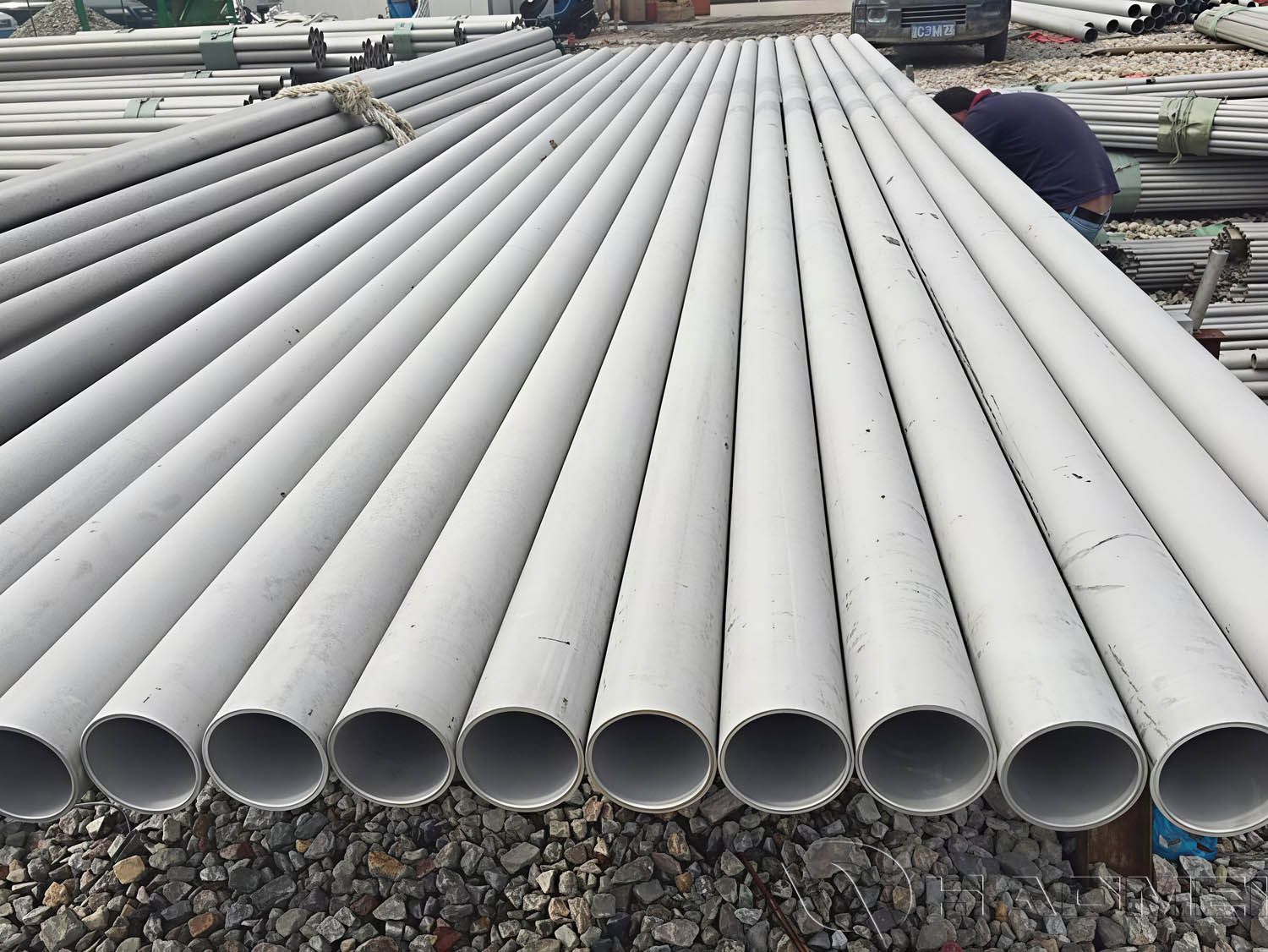
HAOMEI Pipe supplies 2 inch (NPS 2) marine-grade seamless stainless steel pipes with a Schedule 80 (Sch 80S) wall thickness rating. Manufactured in accordance with ASTM A312, the pipes are available in TP316 and TP316L austenitic stainless steel grades.
Designed for ship piping systems, offshore platforms, and marine engineering applications, these pipes provide excellent seawater corrosion resistance, high pressure resistance, and long-term service reliability. They are a dependable solution for transporting corrosive media and supporting critical piping systems in marine environments.
High-Strength Material:Manufactured from marine-grade stainless steel, offering excellent mechanical properties and corrosion resistance.
Seamless Construction:The seamless pipe structure ensures superior integrity and eliminates potential weak points associated with welded joints.
Schedule 80 Heavy Wall:The thicker wall design provides improved pressure resistance, impact resistance, and structural strength.
Precise Dimensions:Accurate outside diameter, inside diameter, and wall thickness ensure reliable installation and connection with compatible fittings.
Excellent Corrosion Resistance:Suitable for salt spray, seawater exposure, humid marine environments, and corrosive process media.
High-Temperature Resistance:Capable of withstanding elevated temperatures generated during vessel operation and industrial service.
Easy Installation:Available in standard dimensions and multiple end configurations, making installation, welding, and maintenance more convenient.
| Item | Specification |
| Nominal Pipe Size | NPS 2 (DN50) |
| Outside Diameter (OD) | 60.3 mm |
| Wall Thickness | 5.54 mm |
| Inside Diameter (ID) | Approx. 49.22 mm |
| Pipe Schedule | Schedule 80 / SCH 80 |
| Common Lengths | 5.8 m, 6 m, 11.8 m, 12 m, or customized lengths |
| Manufacturing Process | Seamless cold drawing, cold rolling, or hot rolling |
| Pipe End Type | Plain end, beveled end, threaded end, or customized machining |
| Surface Finish | Pickled, passivated, mill finish, or polished finish |
| Inspection Items | Hydrostatic testing, eddy current testing, ultrasonic testing, PMI material verification, and full dimensional inspection |
| Standards | ASTM A312 / ASME SA312, ASTM A369, DIN 17456, EN 10216-5, and other international standards |
| Export Packaging | Bundled packaging, protective wrapping, end caps, or customized seaworthy export packaging |
1. Seamless, One-Piece Construction for High Safety and Reliability
The absence of weld seams eliminates the risk of corrosion or leakage at joints. Featuring a thickened SCH80 wall—thicker than the standard SCH40—these pipes offer superior resistance to external pressure and impact. They withstand the cyclic loads caused by vessel vibrations and wave impacts, effectively preventing pipeline rupture and making them ideal for high-pressure marine fluid transport systems.
2. Marine-Grade Seawater Corrosion Resistance
The 316L alloy is enriched with molybdenum, providing outstanding resistance to pitting and crevice corrosion caused by seawater chloride ions, marine salt spray, and humid environments. Highly resistant to rusting or perforation during long-term exposure to seawater, these pipes significantly reduce long-term maintenance and replacement costs, making them the preferred choice for seawater cooling, ballast, and freshwater systems.
3. Strict Marine-Grade Quality Control and Export Compliance
Comprehensive quality inspections cover the entire process, from raw material intake to the shipment of finished products. Each batch comes with a Material Test Certificate (MTC), and classification society certification is available upon request. The products meet project entry standards for shipowners and shipyards in Europe, the Americas, Southeast Asia, and the Middle East; complete export documentation ensures smooth customs clearance.
4. Excellent Processing Adaptability and Easy Installation
With high dimensional precision and uniform wall thickness, the pipes are easily cut, welded, and bent. Pipe ends can be beveled or threaded to customer specifications for direct compatibility with marine fittings, thereby reducing on-site secondary processing and shortening shipbuilding project timelines.
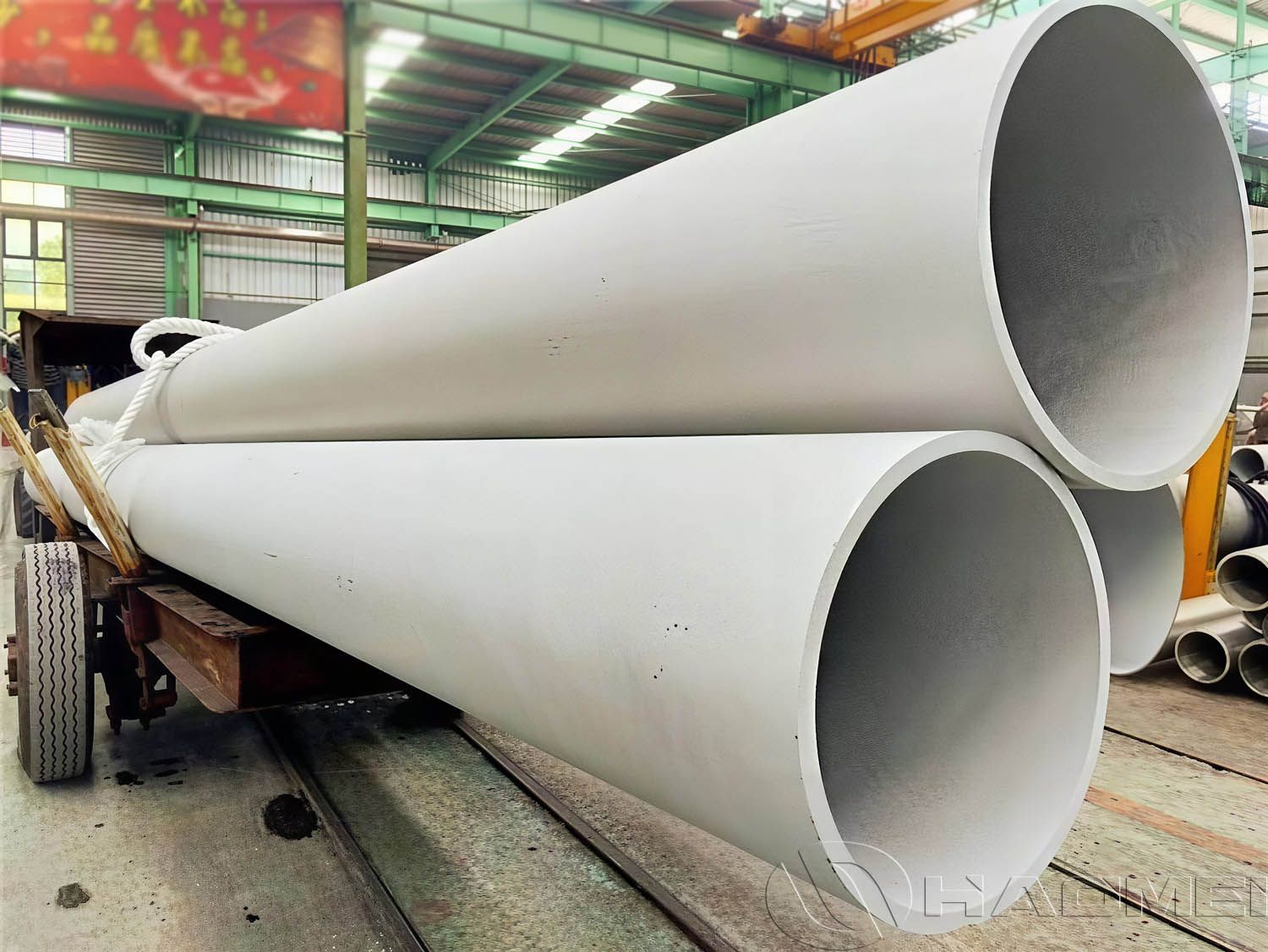
Marine-grade seamless stainless steel pipes can be selected according to the service medium, temperature, pressure, corrosion level, and project certification requirements.
1. 304 / 304L Stainless Steel
304 and 304L stainless steels offer good resistance to general atmospheric corrosion, together with excellent formability and weldability. They are suitable for freshwater systems, general industrial media, non-direct seawater-contact areas within vessels, and standard auxiliary piping systems.
ASTM Grades: TP304, TP304L
UNS Grades: S30400, S30403
EN Equivalent Grades: 1.4301, 1.4307
2. 316 / 316L Stainless Steel
316 and 316L stainless steels contain molybdenum, providing better chloride corrosion resistance and pitting resistance than the 304 series. They are widely used in shipbuilding, offshore engineering, coastal environments, and systems handling saline or chloride-containing media.
ASTM Grades: TP316, TP316L
UNS Grades: S31600, S31603
EN Equivalent Grades: 1.4401, 1.4404
Among them, 316L seamless stainless steel pipe has a lower carbon content and better resistance to intergranular corrosion after welding. It is particularly suitable for marine piping projects involving extensive field welding or requiring high corrosion resistance in welded areas.
3. Duplex and Super Duplex Stainless Steel
For high-chloride, high-salinity, high-flow seawater environments, offshore platforms, and more demanding corrosion conditions, duplex or super duplex stainless steel may be selected.
Typical grades include:
2205 Duplex Stainless Steel: UNS S32205 / S31803
2507 Super Duplex Stainless Steel: UNS S32750
These materials offer high yield strength, excellent resistance to chloride stress corrosion cracking, and superior pitting corrosion resistance. They are suitable for high-grade offshore engineering projects and critical seawater piping systems.
Seawater Cooling Piping:Pipeline sections for main engine and auxiliary engine seawater cooling systems.
Ballast Water Systems:Piping for ballast tank filling, discharge, and valve connections.
Firefighting Piping:Deck fire water pipelines and engine room fire protection piping systems.
Fuel Oil and Lubricating Oil Lines:Piping systems for vessel fuel supply and lubricating oil transfer.
Hydraulic Piping:Pipeline sections used in deck machinery, steering gear, and hydraulic systems.
Offshore Platform Process Piping:Medium- and high-pressure pipe sections for transporting corrosive process media.
Understanding the difference between Schedule 80 and Schedule 40 helps buyers select the appropriate pipe for specific vessel piping requirements.
| Comparison Item | Schedule 40 | Schedule 80 |
| Nominal Size | 2 inch NPS | 2 inch NPS |
| Nominal Outside Diameter | 60.3 mm | 60.3 mm |
| Nominal Wall Thickness | Approx. 3.91 mm | Approx. 5.54 mm |
| Reference Inside Diameter | Approx. 52.5 mm | Approx. 49.2 mm |
| Material Consumption | Lower | Higher |
| Unit Weight per Length | Lower | Higher |
| Pressure Capacity | Depends on material and design conditions | Depends on material and design conditions |
| Flow Area | Larger | Smaller |
| Typical Selection Consideration | General piping and flow-demand applications | Applications requiring greater wall thickness and structural strength |
Schedule 80 pipe has a thicker wall, which generally means greater material consumption and a smaller internal flow area. Therefore, buyers should consider design pressure, flow rate, fluid velocity, and system pressure drop rather than assuming that a thicker wall is always the best option for every application.
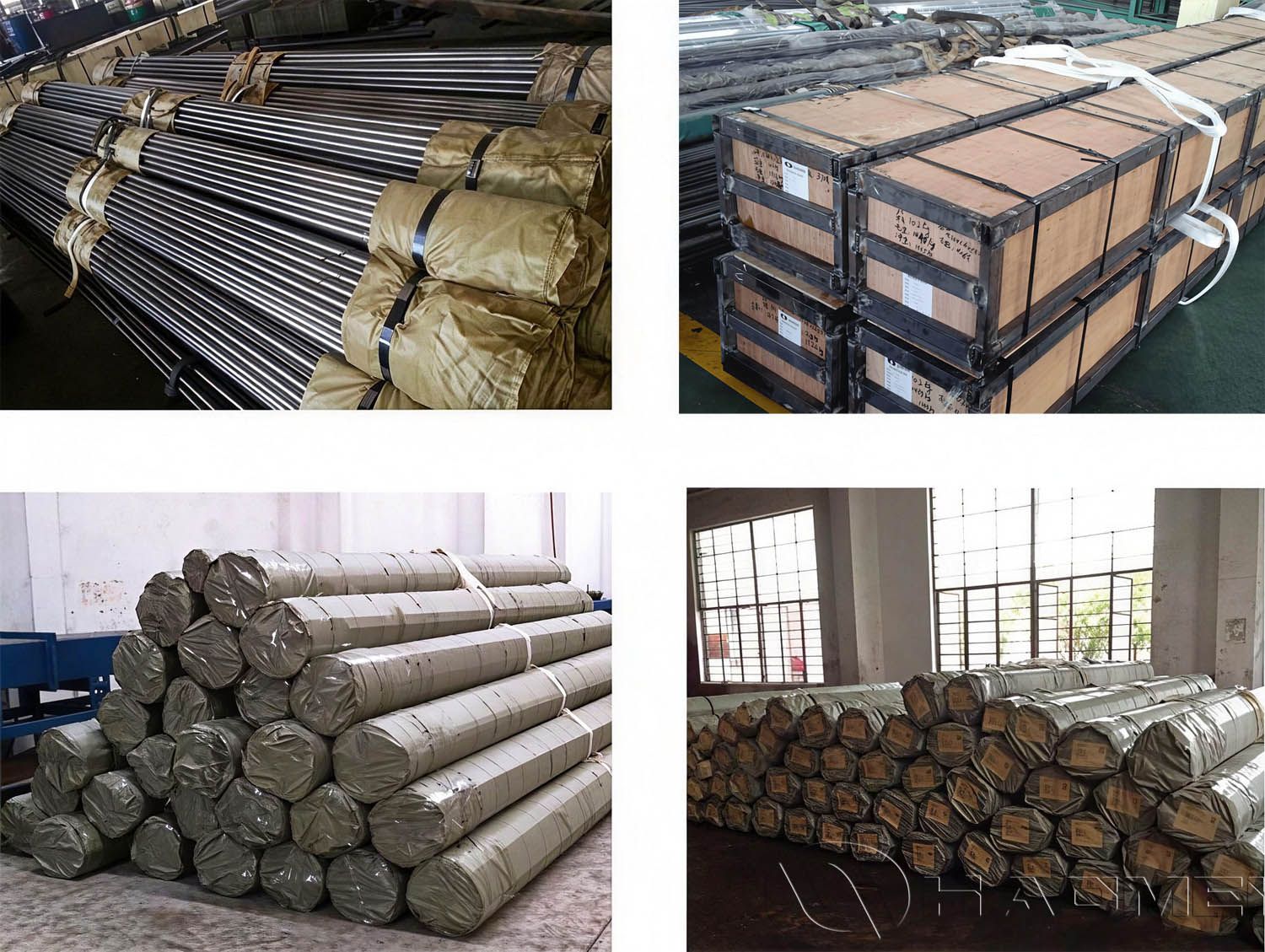
To ensure that products remain protected during long-distance ocean shipping and multimodal transportation, we implement strict standardized export packaging procedures for every order.
End Protection
Both ends of each pipe are fitted with customized plastic end caps to prevent debris from entering the pipe and to protect pipe ends from deformation during handling and transportation.
Bundling and Moisture Protection
Pipes are securely bundled with waterproof woven wrapping. For polished or high-precision surface finishes, additional pearl cotton padding, protective foam, or stretch film can be applied to prevent impact damage and surface scratches.
Reinforced Wooden Case Packaging
For LCL shipments or orders requiring enhanced surface protection, pipes can be packed in reinforced export wooden cases made from ISPM 15-compliant fumigation-free materials. This packaging method helps ensure that the goods arrive safely at major ports worldwide.
 01
01
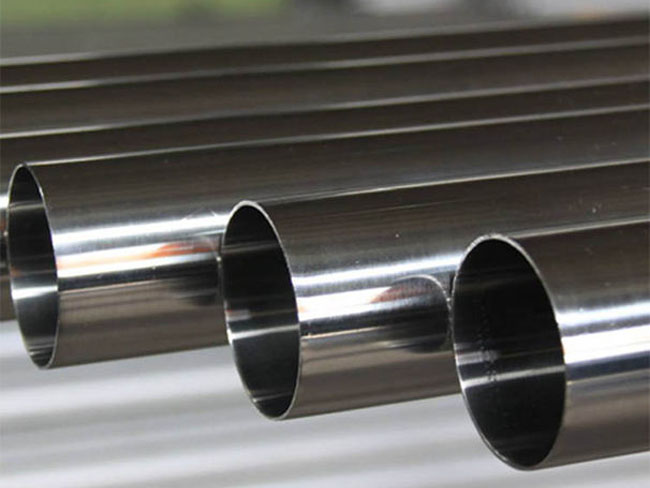
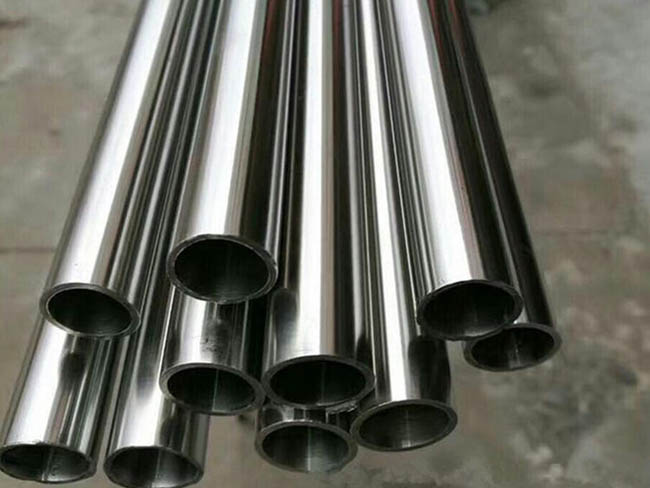
TP316L seamless stainless steel pipe conforms to ASTM A312, A213 and A269 standards, and has excellent corrosion resistance and low carbon welding performance, making it suitable for the chemical, shipbuilding, pharmaceutical and food industries.
 02
02
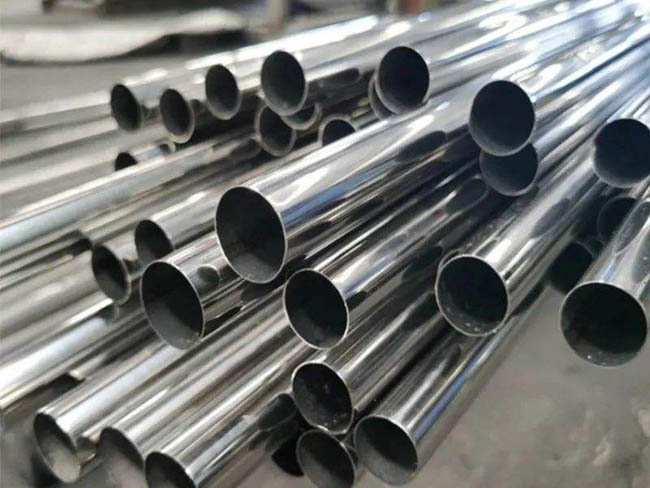
304L stainless steel pipe is produced from the low-carbon version of the widely used austenitic 18-8 stainless steel. The reduced carbon content allows it to be welded without causing localized corrosion. This is because 304L stainless steel produces less
 03
03
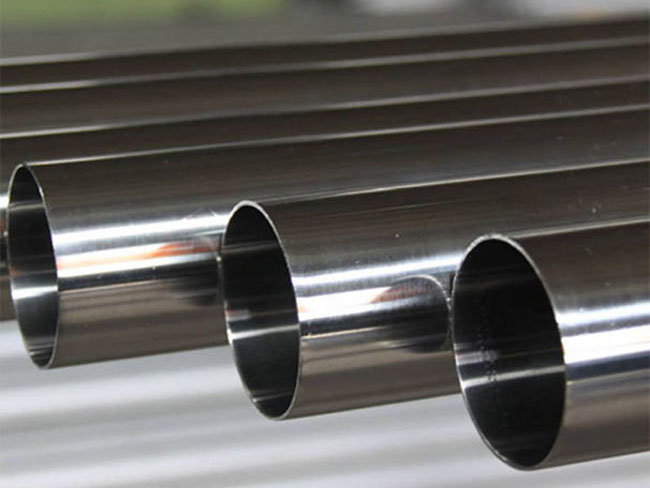
TP304 stainless steel seamless pipe (ASTM A312/A213 TP304) is one of the most widely used austenitic stainless steel pipes in industrial applications. With its excellent corrosion resistance, outstanding workability, and stable performance in both high an
 04
04
Duplex stainless steel pipe consists of approximately equal proportions of ferrite and austenite stainless steel phases. It combines the high strength of ferritic stainless steel with the toughness of austenitic stainless steel. Its yield strength is gene