
-
Email
-
WhatsApp
-
Address
Zhengzhou, China
Zhengzhou, China
 By Hermione
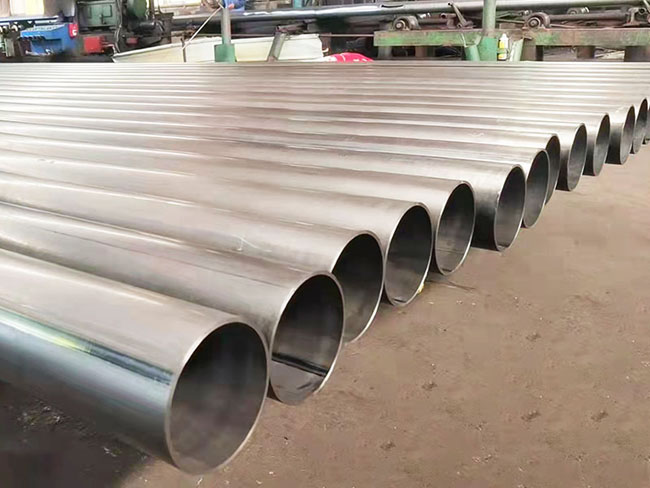
In shipbuilding and offshore engineering, the safety and corrosion resistance of pipeline systems are critical. Seamless stainless steel pipes, with their integrated structure and excellent pressure and corrosion resistance, have become essential materials for marine and offshore piping systems.
Among them, ASTM A312 marine seamless stainless steel pipes are widely used in seawater pipelines, steam systems, cooling systems, and other critical piping applications due to their strict standard specifications and outstanding performance.
ASTM A312 marine seamless stainless steel pipes comply with American Society for Testing and Materials (ASTM) standards and are specifically designed for shipbuilding and offshore environments, where pipes must withstand high temperatures, corrosion, and marine climates.
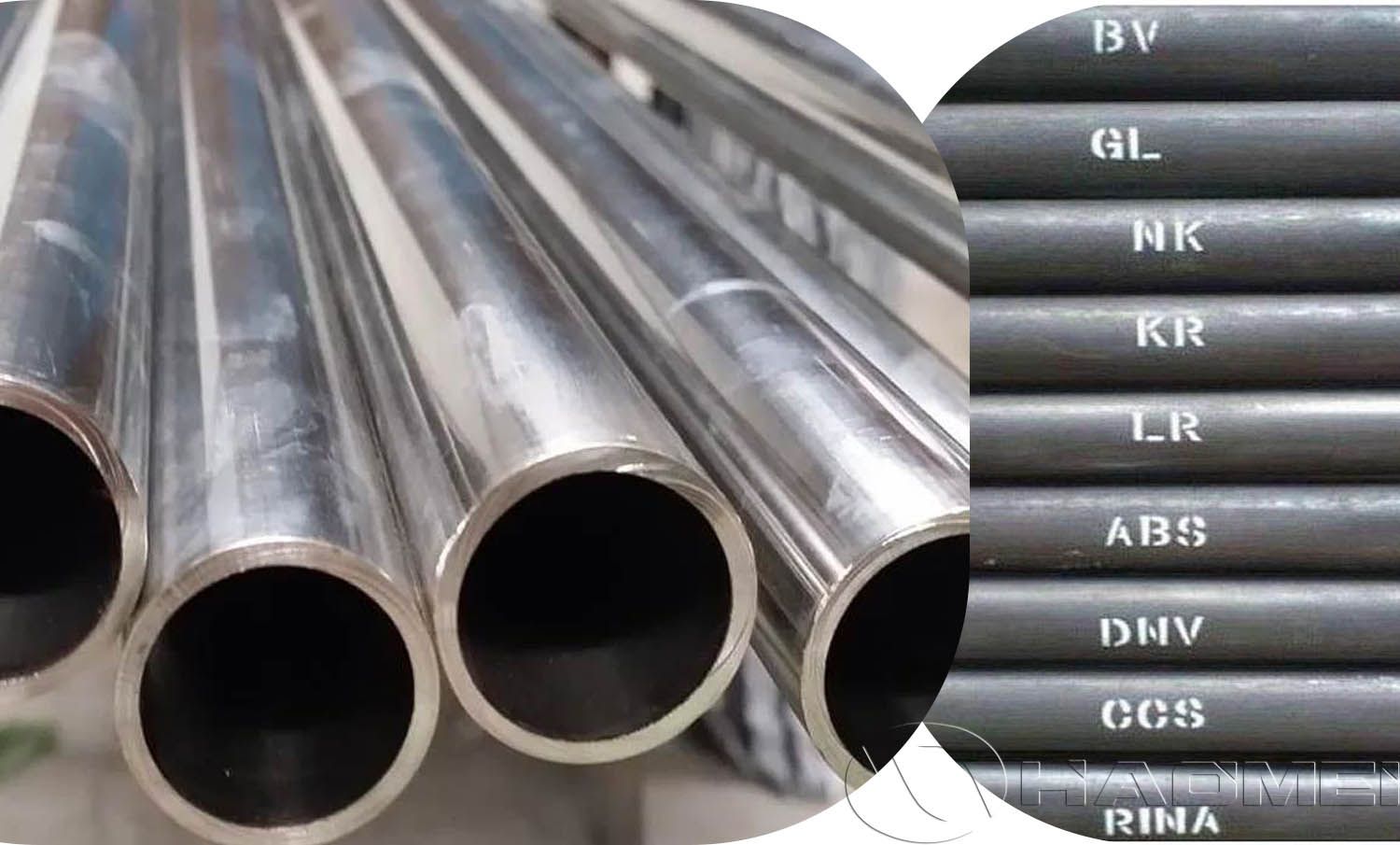
Austenitic stainless steel pipes under ASTM A312 usually adopt highly corrosion-resistant grades, with TP316 and TP316L being the primary materials. These pipes are typically supplied with certifications from major classification societies, such as ABS, DNV, LR, and CCS, and are widely used in seawater systems, ballast systems, fire protection systems, and steam pipelines.
| Grade | UNS | Marine Advantages | Typical Applications |
| TP316 | S31600 | Excellent resistance to chloride corrosion, pitting, and crevice corrosion | Seawater pipelines, ballast water systems, deck fire protection |
| TP316L | S31603 | Low carbon content prevents intergranular corrosion after welding | Seawater systems, chemical tanks, long-term service environments |
| TP304 / TP304L | S30400 / S30403 | General corrosion resistance and cost-effective | Freshwater systems, steam pipelines, domestic wastewater |
| TP321 | S32100 | High-temperature creep resistance and corrosion resistance | Boilers, exhaust systems, high-temperature steam pipelines |
Chemical Composition (%)
| Grade (TP) | C | Cr | Ni | Mo | Si | Mn | Ti / Nb |
| 304 | ≤0.08 | 18.0–20.0 | 8.0–11.0 | - | ≤1.00 | ≤2.00 | - |
| 304L | ≤0.03 | 18.0–20.0 | 8.0–11.0 | - | ≤1.00 | ≤2.00 | - |
| 316 | ≤0.08 | 16.0–18.0 | 10.0–14.0 | 2.00–3.00 | ≤1.00 | ≤2.00 | - |
| 316L | ≤0.03 | 16.0–18.0 | 10.0–14.0 | 2.00–3.00 | ≤1.00 | ≤2.00 | - |
| 321 | ≤0.08 | 17.0–19.0 | 9.0–12.0 | - | ≤1.00 | ≤2.00 | Ti ≥ 5×C |
| 347 | ≤0.08 | 17.0–19.0 | 9.0–12.0 | - | ≤1.00 | ≤2.00 | Nb ≥ 10×C |
Mechanical Properties
| ASTM Grade | Tensile Strength (MPa, min) | Yield Strength (MPa, min) | Elongation (% min) |
| TP304 | 515 | 205 | 35 |
| TP304L | 485 | 170 | 35 |
| TP316 | 515 | 205 | 35 |
| TP316L | 485 | 170 | 35 |
| TP321 | 515 | 205 | 35 |
| TP347 | 515 | 205 | 35 |
| Outer Diameter | DN15 – DN300 (6 mm – 323.9 mm) |
| Wall Thickness | 2.0 – 50.0 mm (SCH 10S, 40S, 80S, XS, etc.) |
| Length | Fixed length 5.8 m / 6 m / 11.8 m / 12 m (convenient for shipyard installation) |
| Surface Treatment | Pickled, sandblasted, or polished inside and outside, meeting marine hygiene and corrosion protection requirements. |
Excellent Corrosion Resistance
Seamless stainless steel pipes offer outstanding resistance to seawater, chemical media, and acidic or alkaline environments. Among them, 316 / 316L grades are especially suitable for high-chloride environments, effectively reducing corrosion risks.
Superior Pressure Resistance
The uniform metallurgical structure of seamless pipes allows them to withstand higher working pressures than welded pipes of the same specification, making them ideal for high-pressure hydraulic systems and fuel injection systems in ships.
No Weld Seam Defects
In marine environments with constant vibration and motion, weld seams often become weak points where fatigue cracks may occur. Seamless pipes eliminate this risk entirely.
High and Low Temperature Resistance
Suitable for steam pipelines, hot water systems, and cooling systems, seamless pipes maintain stable performance even under extreme temperature conditions and resist brittle fracture at low temperatures.
Precise Dimensional Tolerance
ASTM A312 specifies strict tolerances for outer diameter, wall thickness, and roundness, ensuring accurate installation and alignment in complex ship piping systems.
Low Maintenance Cost
Excellent corrosion resistance and mechanical properties reduce inspection frequency and maintenance costs throughout the service life of the piping system.
Seawater Systems
Seawater cooling, fire seawater systems, ballast water systems (preferred grade: TP316L)
Freshwater and Drinking Water Systems
Domestic water supply, potable water, cleaning water (TP304L / TP316L)
Steam and Thermal Systems
Boiler feed water, steam tracing systems, exhaust pipelines (TP321 / 316Ti)
Chemical and Oil Systems
Chemical transportation, fuel purification systems, lubricating oil systems (TP316L)
Deck and Fire Protection Systems
Deck fire protection, washing and spray systems (TP316)
Engine Room and Ballast Systems
Engine room wastewater, ballast water treatment, vent and overflow pipelines (TP316L)
ASTM A312 seamless pipes are typically produced using hot rolling or cold rolling processes.
Hot Rolling
Suitable for large-diameter pipes, ensuring uniform internal structure and reducing stress concentration.
Cold Rolling
Used for small-diameter and high-precision pipes with superior surface finish.
In addition, pipes undergo non-destructive testing (UT / RT), hydrostatic testing, and surface treatment to ensure compliance with marine standards and safety requirements.
Q1: Do marine stainless steel pipes require classification society certification?
A: Yes. In addition to meeting ASTM A312 standards, pipes used in critical ship systems typically require certification or inspection from major classification societies such as ABS, DNV, LR, or CCS.
Q2: How can seamless pipes be distinguished from welded pipes?
A: The simplest method is to check the inner surface of the pipe. Welded pipes usually have a visible longitudinal weld seam. In the Mill Test Certificate (MTC), ASTM A312 pipes will be clearly marked as "Seamless" or "Welded."
Q3: Why is 316L more expensive than 304L?
A: The main reason is the higher nickel (Ni) content and the addition of molybdenum (Mo), which are relatively expensive alloying elements. However, from a lifecycle perspective, the longer service life and lower maintenance costs of 316L can significantly reduce overall expenses for ship owners.
Q4: How should pipe wall thickness be selected?
A: Wall thickness should be calculated based on fluid pressure, pipe diameter, and installation conditions, typically following classification society rules or engineering design standards.
Q5: Can ASTM A312 pipes be welded?
A: Yes. However, appropriate welding materials should be used, and post-weld heat treatment or stress relief may be required to maintain corrosion resistance.
 01
01
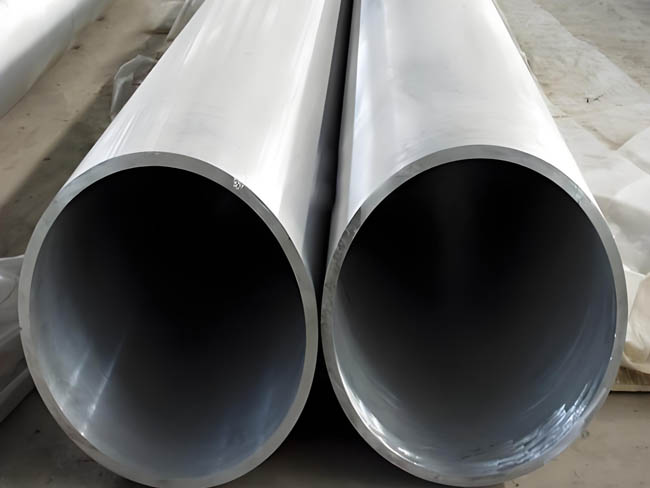
Large diameter seamless steel pipes typically refer to pipes with an outer diameter of 219 mm or larger, and in some cases up to 1020 mm. Compared with standard-size pipes, large-diameter seamless pipes are manufactured using advanced hot rolling or hot e
 02
02
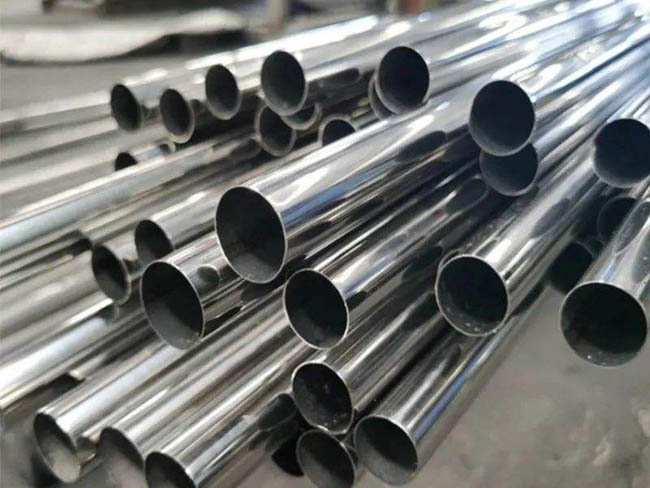
TP304 stainless steel seamless pipe (ASTM A312/A213 TP304) is one of the most widely used austenitic stainless steel pipes in industrial applications. With its excellent corrosion resistance, outstanding workability, and stable performance in both high an
 03
03
Small diameter seamless steel tubes refer to steel pipes with a relatively small outer diameter and a seamless structure without welding joints. The typical outer diameter range is 6 mm–89 mm. These pipes are manufactured through processes such as piercin
 04
04
Austenitic seamless stainless steel pipe refers to seamless steel tubing whose microstructure remains stable austenite at room temperature. These steels typically use chromium and nickel as the primary alloying elements. A typical example is 18Cr-8Ni (Gra