
-
Email
-
WhatsApp
-
Address
Zhengzhou, China
Zhengzhou, China
 By Hermione
In industries such as petrochemicals, machinery manufacturing, food and pharmaceuticals, energy and power, boiler heat exchange, fluid transportation, and architectural decoration, stainless steel pipes are widely used metal piping materials. Among them, seamless stainless steel pipes have become the preferred material for many demanding working conditions due to their high strength, excellent corrosion resistance, strong pressure-bearing capacity, smooth inner wall, and long service life.
However, for procurement personnel, engineering designers, and processing companies, one common question often arises when selecting seamless stainless steel pipes: How should pipe specifications, models, and dimensions be understood? What is the relationship between outside diameter, wall thickness, material grade, standard, length, and pressure rating?
As the name suggests, a seamless stainless steel pipe is a stainless steel pipe without any weld seam on the pipe body. It is manufactured through hot rolling, extrusion, expansion, cold drawing, or cold rolling processes.
Compared with welded pipes, seamless stainless steel pipes offer the following core advantages:
(1) Stronger pressure-bearing capacity
Since there is no weld seam as a weak point, the overall pipe strength is higher.
(2) Better corrosion resistance
The inner and outer walls are uniform, avoiding material differences at the weld area.
(3) Higher dimensional accuracy
Cold-drawn and cold-rolled processes can achieve stricter tolerance control.
Of course, the production cost of seamless pipes is relatively higher, usually about 25% higher than welded pipes of the same specification. Therefore, selection should be based on actual working conditions and cost-performance considerations.
The specification of a seamless stainless steel pipe is generally composed of the following elements:
Material grade + outside diameter × wall thickness + length + executive standard + surface condition
For example:
304 Seamless Stainless Steel Pipe Φ57×3.5×6000mm GB/T 14976
This specification means:
304: Material grade;
Seamless pipe: Manufacturing process type;
Φ57: Outside diameter is 57mm;
3.5: Wall thickness is 3.5mm;
6000mm: Length is 6 meters;
GB/T 14976: Executive standard;
If required, surface conditions such as pickled surface, polished surface, or cold-rolled surface may also be specified.
In actual procurement, the most important dimensional parameters are usually outside diameter, wall thickness, and length.
Common stainless steel pipe specifications on the market generally fall into two categories: metric pipes (Series A) and Imperial/US standard pipes (Series B). There are distinct differences in how their dimensions are designated:
1.Metric pipes (commonly used in China and Europe): Dimensions are specified directly in millimeters-for example, outside diameters of 57mm, 89mm, 108mm, etc.
2.US standard pipes (ASTM/ASME standards): Wall thickness is indicated by a "Schedule" number (abbreviated as Sch). Common designations include Sch 10S, Sch 40S, and Sch 80S (where the letter "S" stands for "Stainless Steel"). The higher the schedule number, the thicker the pipe wall and the greater the pressure-bearing capacity.
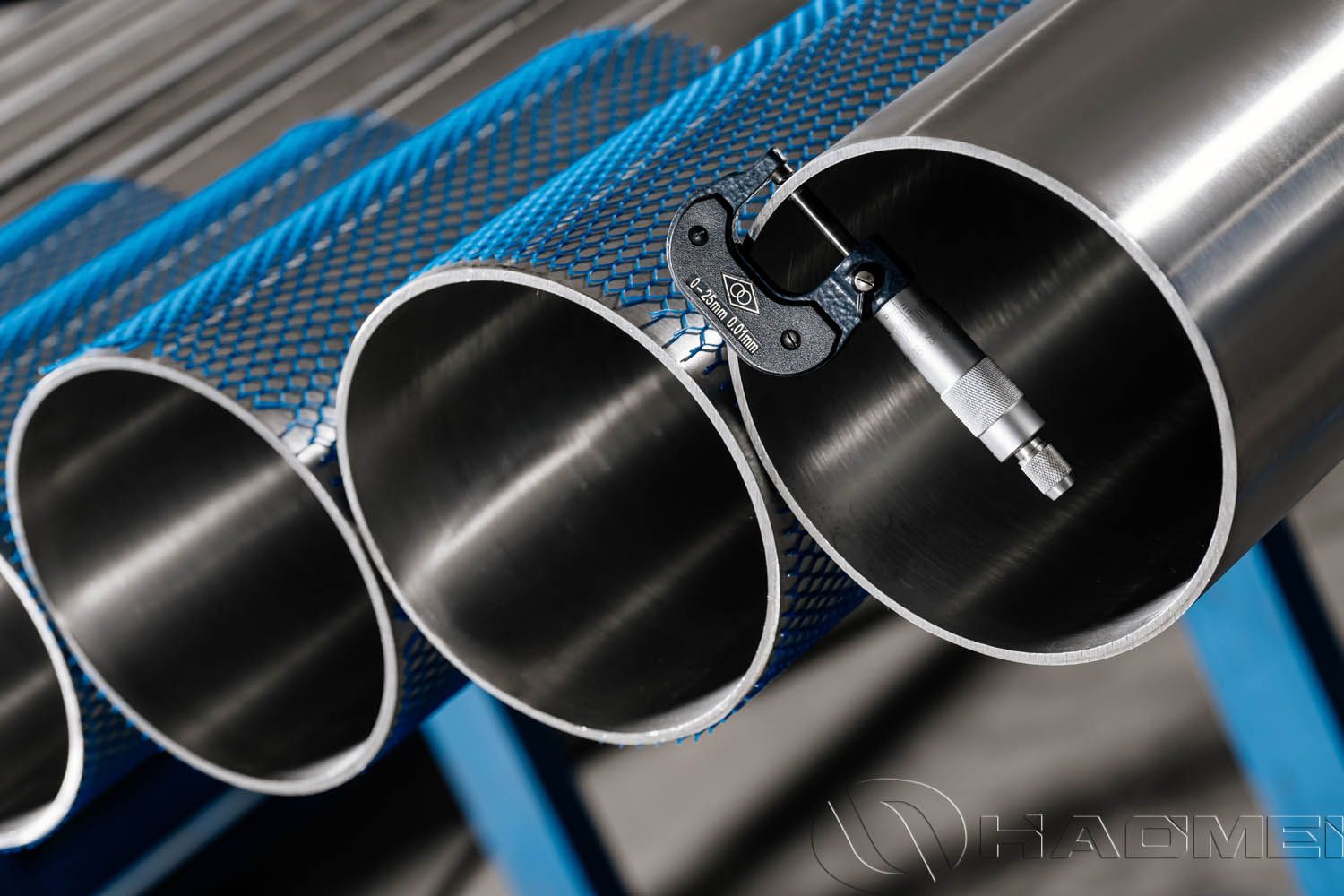
Seamless stainless steel pipes cover a wide dimensional range, from precision pipes with diameters of only a few millimeters to large industrial pipes with diameters of several hundred millimeters or even larger. The following are common market specifications for reference only.
Small-diameter seamless pipes are commonly used in instrumentation tubing, precision equipment, hydraulic systems, medical devices, and mechanical structural parts.
| Outside Diameter/mm | Common Wall Thickness/mm | Common Applications |
| 6 | 1, 1.5, 2 | Instrument tubing, precision pipelines |
| 8 | 1, 1.5, 2 | Hydraulic pipes, small equipment pipes |
| 10 | 1, 1.5, 2, 2.5 | Precision machinery, fluid transportation |
| 12 | 1, 1.5, 2, 2.5, 3 | Instrumentation, mechanical structures |
| 14 | 1.5, 2, 2.5, 3 | Equipment piping |
| 16 | 1.5, 2, 2.5, 3 | Hydraulic and pneumatic systems |
| 18 | 2, 2.5, 3, 4 | Industrial piping |
| 20 | 2, 2.5, 3, 4 | Machining, conveying pipelines |
| 22 | 2, 2.5, 3, 4 | Structural parts, equipment tubing |
| 25 | 2, 2.5, 3, 4, 5 | Mechanical structures, pressure pipelines |
Medium-diameter seamless pipes are more widely used in chemical pipelines, food equipment, pharmaceutical equipment, heat exchangers, boiler piping, and other applications.
| Outside Diameter/mm | Common Wall Thickness/mm | Common Applications |
| 27 | 2, 2.5, 3, 4, 5 | Fluid transportation, structural pipes |
| 32 | 2.5, 3, 4, 5, 6 | Chemical equipment, machining |
| 34 | 3, 4, 5, 6 | Pressure pipelines |
| 38 | 3, 4, 5, 6 | Heat exchangers, equipment piping |
| 42 | 3, 4, 5, 6, 8 | Fluid transportation |
| 45 | 3, 4, 5, 6, 8 | Mechanical structures, pressure pipes |
| 48 | 3, 4, 5, 6, 8 | Petrochemical pipelines, equipment manufacturing |
| 51 | 3, 4, 5, 6, 8 | Food and pharmaceutical equipment |
| 57 | 3, 3.5, 4, 5, 6, 8 | Chemical industry, boilers, heat exchangers |
| 60 | 3, 4, 5, 6, 8 | Industrial fluid transportation |
| 63 | 3, 4, 5, 6, 8 | Pressure pipelines |
| 76 | 3, 4, 5, 6, 8, 10 | Petrochemical industry, mechanical equipment |
| 89 | 4, 5, 6, 8, 10, 12 | Medium- and high-pressure conveying pipes |
Large-diameter seamless stainless steel pipes are mostly used in large chemical plants, power equipment, offshore engineering equipment, pressure vessel piping, and large-flow fluid transportation systems.
| Outside Diameter/mm | Common Wall Thickness/mm | Common Applications |
| 108 | 4, 5, 6, 8, 10, 12, 14 | Chemical pipelines, pressure transportation |
| 114 | 4, 5, 6, 8, 10, 12, 14 | Industrial pipelines |
| 133 | 5, 6, 8, 10, 12, 14, 16 | Petrochemical industry, power industry |
| 159 | 5, 6, 8, 10, 12, 14, 16, 20 | High-pressure pipelines, equipment manufacturing |
| 168 | 6, 8, 10, 12, 14, 16, 20 | Large piping systems |
| 219 | 6, 8, 10, 12, 14, 16, 20, 25 | Large-flow conveying pipes |
| 273 | 8, 10, 12, 14, 16, 20, 25, 30 | Chemical industry, power station pipelines |
| 325 | 8, 10, 12, 14, 16, 20, 25, 30 | Large engineering pipelines |
| 377 | 10, 12, 14, 16, 20, 25, 30 | Pressure pipelines, equipment matching |
| 426 | 10, 12, 14, 16, 20, 25, 30 | Large conveying systems |
It should be noted that the above specifications are common sizes. In actual production, non-standard outside diameters, thick-wall pipes, extra-long pipes, and precision pipes can also be customized according to customer requirements.
Hot-rolled pipes are usually suitable for medium- and large-diameter thick-wall pipes. They offer high production efficiency and relatively lower cost.
Features:
Suitable for large-size pipes;
Wide wall thickness range;
Dimensional accuracy is slightly lower than cold-rolled or cold-drawn pipes;
Commonly used in industrial pipelines, structural parts, and pressure pipelines.
Cold-rolled pipes feature high dimensional accuracy and good surface quality. They are suitable for applications requiring higher precision and better appearance.
Features:
Small outside diameter and wall thickness tolerances;
Better surface finish;
Stable mechanical properties;
Suitable for precision equipment, instruments, heat exchangers, and other applications.
Cold-drawn pipes obtain higher precision and better surface quality through the drawing process. They are commonly used for small-diameter precision tubing.
Features:
High dimensional accuracy;
Capable of producing thin-wall and small-diameter pipes;
Good inner and outer wall quality;
Suitable for hydraulic, pneumatic, instrumentation, and precision equipment applications.
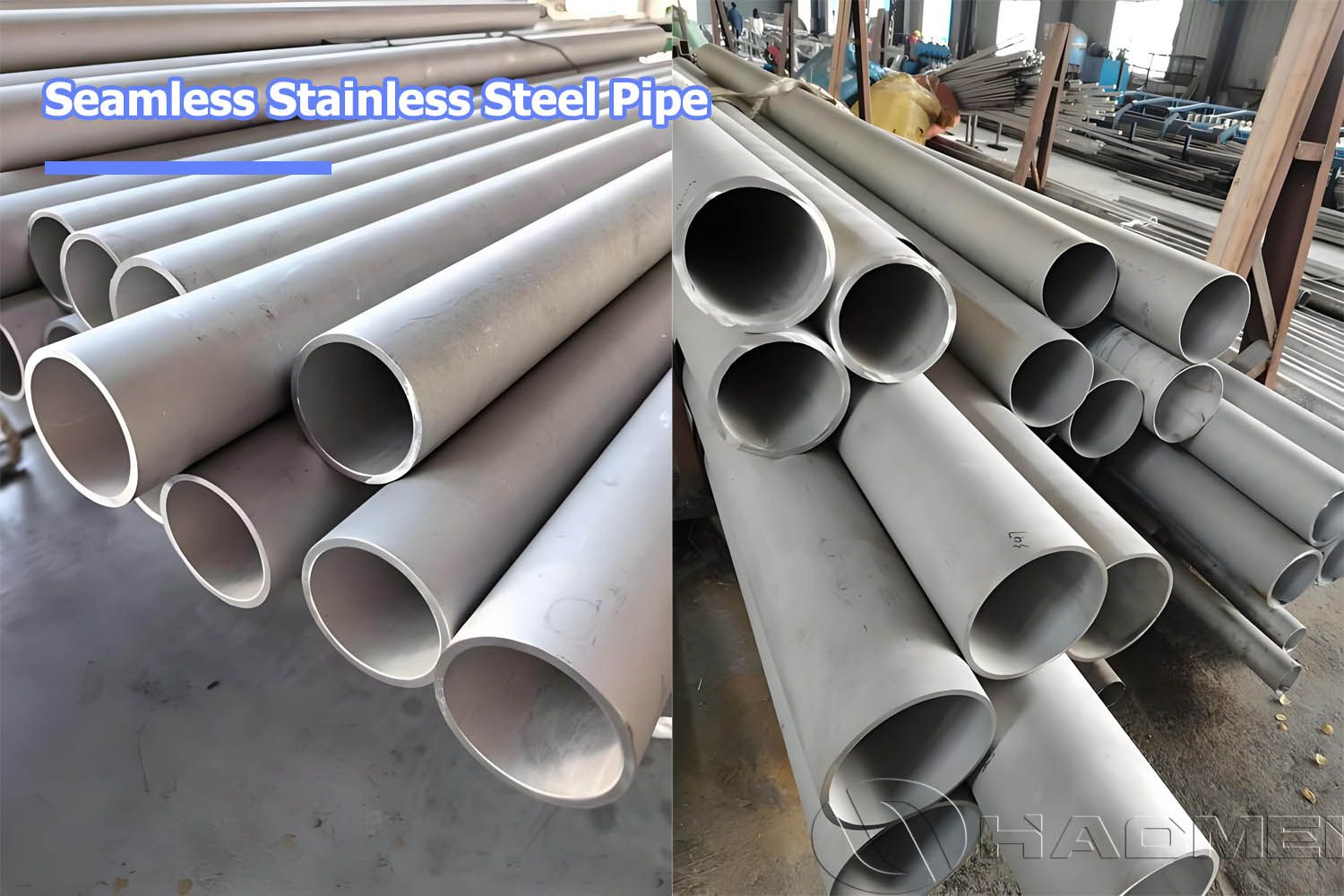
The material of a seamless stainless steel pipe determines its corrosion resistance, temperature resistance, and pressure-bearing capacity. In construction and industrial fields, the most widely used grades are 304 and 316L, supplemented by special materials such as 201, 321, and 2205 duplex stainless steel.
304 Seamless Stainless Steel Pipe (06Cr19Ni10)
A benchmark for cost-effectiveness, offering resistance to atmospheric and fresh-water corrosion at ambient temperatures and an operating range of -20°C to 450°C. Widely used for hot and cold water plumbing, HVAC piping, standard fire-suppression systems, and equipment oil lines; it is the preferred material for civil construction projects.
316L Seamless Stainless Steel Pipe (022Cr17Ni12Mo2)
Enhanced with molybdenum, this grade offers chloride-ion corrosion resistance far superior to 304. It withstands acids, alkalis, seawater, and chemical wastewater, making it suitable for corrosive environments such as coastal plumbing, sewage treatment, chemical media transport, and hot spring water supply.
201 Seamless Stainless Steel Pipe
Characterized by lower nickel content and weaker corrosion resistance; primarily used for low-pressure ventilation in dry environments and simple support sleeves, with very limited application in pressurized fluid pipelines.
321/2205 Specialty Seamless Steel Pipes
321 contains titanium, providing high-temperature creep resistance suitable for high-temperature steam and boiler piping; 2205 duplex stainless steel offers resistance to strong acids and alkalis, making it ideal for large-scale industrial projects in the chemical and seawater desalination sectors.
| Standard | Description |
| ASTM A213 | Stainless steel tubing for high-temperature applications, such as chemical and energy industries |
| ASTM A312 | Stainless steel pipe for fluid service, such as pharmaceutical and food industries |
| ASME B36.10M | Dimensional tolerance standard for pipes, including outside diameter and wall thickness |
| GB/T 14976-2012 | Chinese national standard for seamless stainless steel pipes |
| EN 10216-5 | Seamless stainless steel tubes for pressure purposes |
Chemical Industry:Used for transporting corrosive fluids such as strong acids and alkalis.
Pharmaceutical Industry:Used in sterile piping systems for pharmaceutical fluid transportation.
Food Processing:Used in pipelines that come into contact with food and comply with HACCP requirements.
Construction Engineering:Used in roof rainwater collection systems, drainage pipelines, and building piping systems.
Energy Industry:Used in high-temperature pipelines for transporting thermal oil, steam, and other media.
Seamless stainless steel pipes are often priced by weight, so theoretical weight is very important in procurement.
The commonly used calculation formula is:
Weight per meter kg/m = (Outside Diameter - Wall Thickness) × Wall Thickness × 0.02491
This formula is suitable for estimating the theoretical weight of ordinary stainless steel pipes.
In actual procurement, the following points should be carefully considered:
1. Specify the Dimensional Tolerance Grade
There is usually a price difference of about 5%–8% between ordinary tolerance grade and higher precision grade. Selection should be based on actual application requirements.
2. Confirm the Delivery Condition
The common delivery condition is usually solution treatment + pickling. Special requirements such as polishing or bright annealing should be stated in advance.
3. Confirm Length Requirements
The usual length range is 2m to 12m. If fixed length is required, it should be clearly stated in the contract.
4. Request Material Certification
Regular suppliers should provide material certificates, clearly indicating chemical composition and mechanical properties.
5. Check Surface Quality
Inspect whether the pipe surface has cracks, folds, scabs, or other defects.
Q1. Which standards do your seamless steel pipes comply with?
A1: Our products are manufactured according to the following international standards:
ASTM A312 / A213;
ASME standards;
DIN standards;
GB standards.
We can also meet specific project certification requirements upon request.
Q2. How should I choose between 304 and 316L seamless pipes?
A2: For ordinary environments, 304 is a cost-effective choice. If the application environment contains chloride ions, salt spray, seawater, or corrosive chemical media, 316L is recommended because it offers better corrosion resistance.
Q3. Is thicker wall thickness always better?
A3: Not necessarily. A thicker wall usually provides stronger pressure-bearing capacity, but it also increases weight, cost, and processing difficulty. Proper selection should be based on pressure, temperature, medium, and design standards.
Q4. Can seamless stainless steel pipes be customized in non-standard sizes?
A4: Yes. Many manufacturers can customize special outside diameters, wall thicknesses, lengths, and surface conditions according to customer requirements. However, non-standard specifications usually require a minimum order quantity and longer production lead time.
Q5. What is the difference between pickled and polished pipe surfaces?
A5: A pickled surface is mainly used to remove oxide scale and impurities, making it suitable for industrial applications. A polished surface is brighter and more attractive, commonly used in food, pharmaceutical, decorative, or high-cleanliness applications.
 01
01
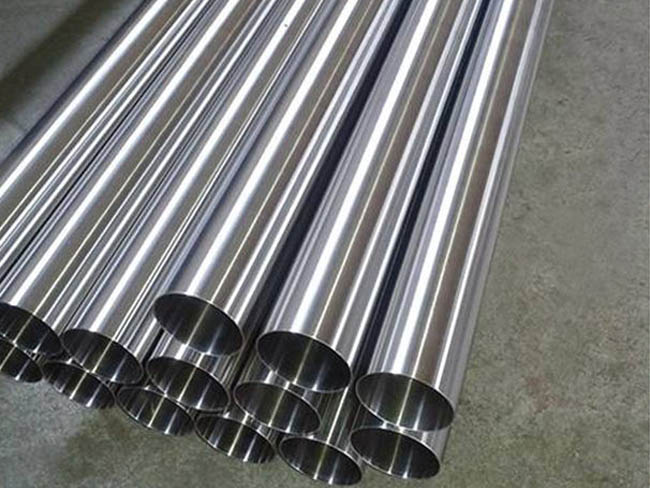
TP316 seamless stainless steel pipe offers excellent corrosion resistance and strength for chemical, marine, food, and petrochemical applications. Manufactured to ASTM A312, A213, and EN 10216-5 standards with customizable sizes and finishes.
 02
02
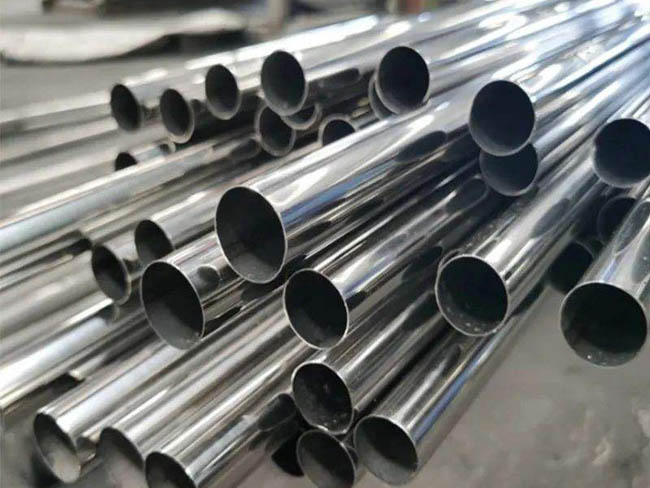
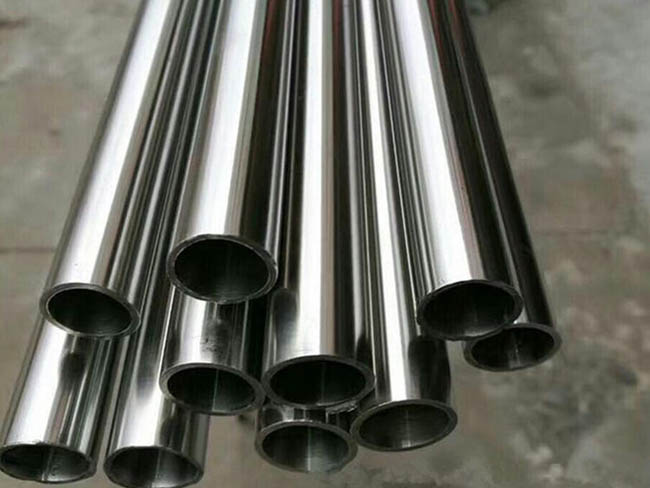
Small diameter seamless steel tubes refer to steel pipes with a relatively small outer diameter and a seamless structure without welding joints. The typical outer diameter range is 6 mm–89 mm. These pipes are manufactured through processes such as piercin
 03
03
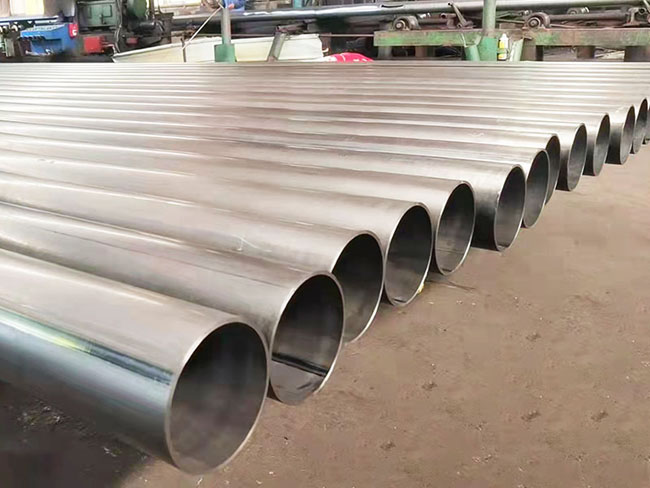
304L stainless steel pipe is produced from the low-carbon version of the widely used austenitic 18-8 stainless steel. The reduced carbon content allows it to be welded without causing localized corrosion. This is because 304L stainless steel produces less
 04
04
Austenitic seamless stainless steel pipe refers to seamless steel tubing whose microstructure remains stable austenite at room temperature. These steels typically use chromium and nickel as the primary alloying elements. A typical example is 18Cr-8Ni (Gra