
-
Email
-
WhatsApp
-
Address
Zhengzhou, China
Zhengzhou, China
 By Hermione
Marine piping systems are often referred to as the "blood vessels" of a vessel. They perform the essential task of transporting steam, fuel oil, hydraulic oil, seawater, air, lubricating oil, and many other media. Among these piping systems, seamless stainless steel pipes are one of the preferred materials for pressure-bearing marine pipelines because of their excellent corrosion resistance and mechanical properties.
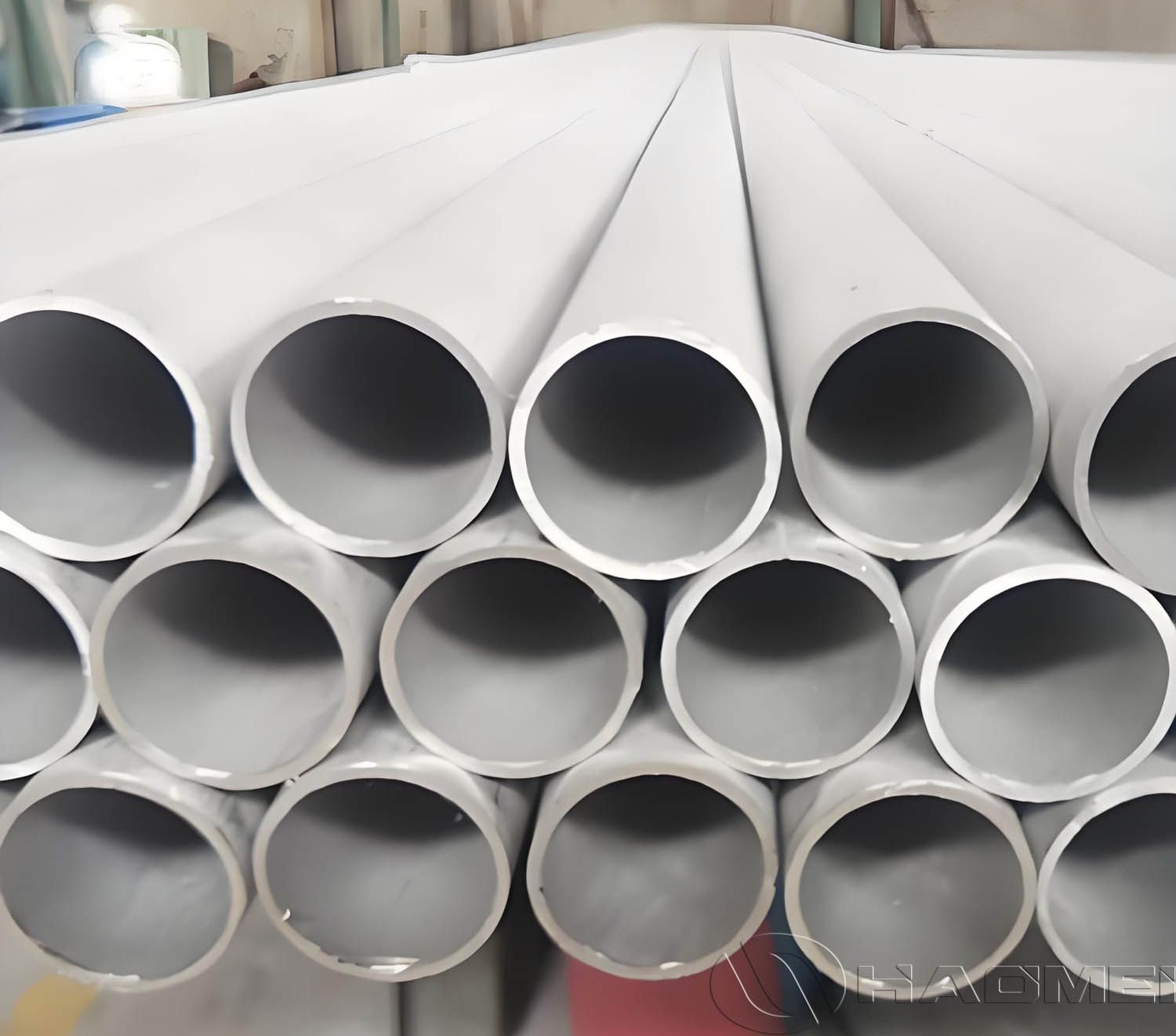
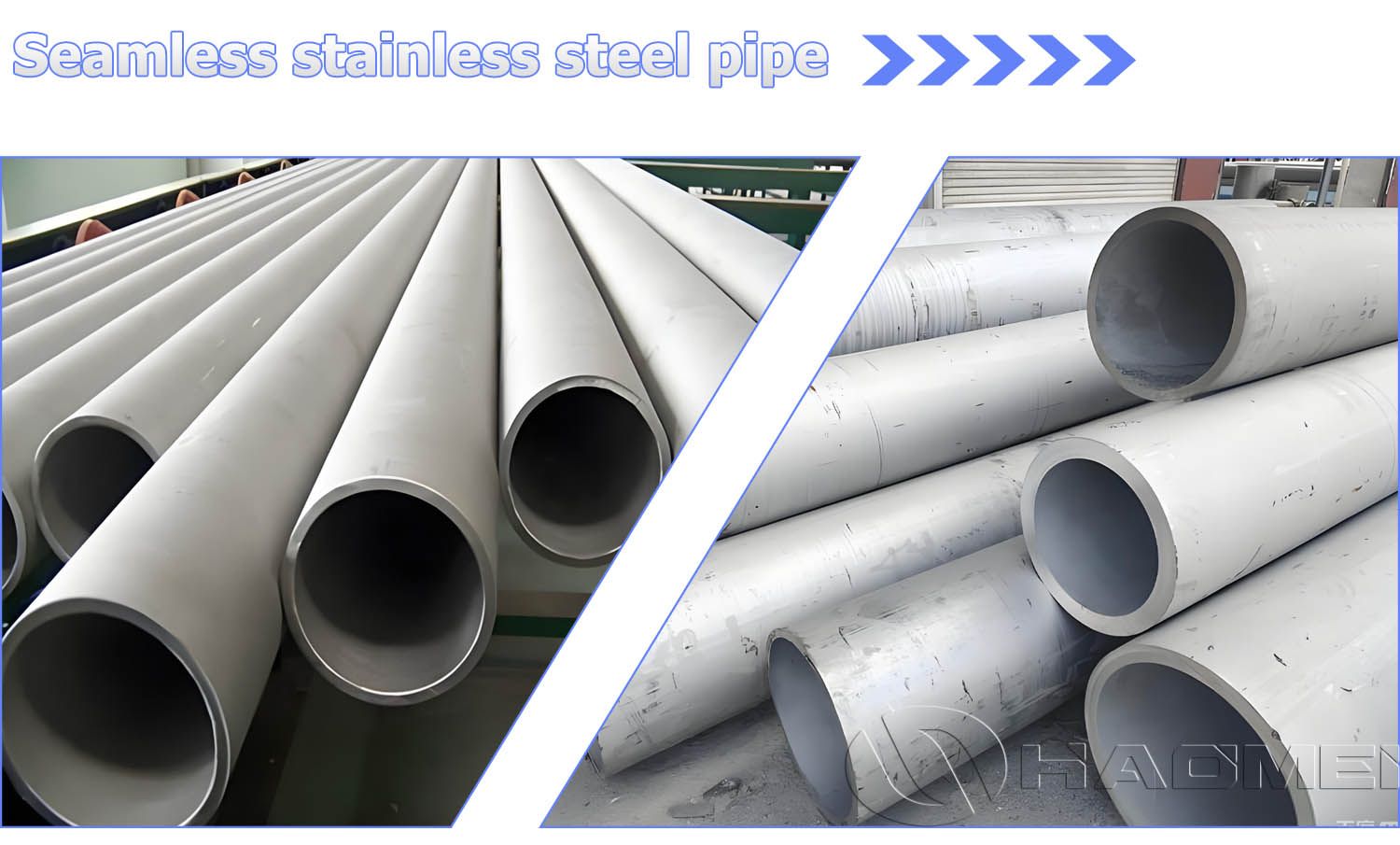
Marine seamless stainless steel pipes are stainless steel pipes manufactured through seamless processes such as hot rolling, cold drawing, cold rolling, and piercing. They are used in shipbuilding and offshore engineering piping systems.
Compared with welded stainless steel pipes, seamless stainless steel pipes have no longitudinal weld seam. Their wall structure is generally more uniform, providing greater reliability under high pressure, pulsating pressure, vibration, corrosive media, and complex marine environments.
Marine seamless stainless steel pipes are widely used in ship piping systems for seawater, freshwater, fuel, hydraulic oil, compressed air, cooling water, chemical media, and other fluids.
Common material grades for marine seamless stainless steel pipes include the following:
| Material Grade | Equivalent Standard Grade | Main Features | Typical Applications |
| 304 / 06Cr19Ni10 | ASTM TP304 | General austenitic stainless steel with good corrosion resistance | Freshwater, air, and general media systems |
| 304L / 022Cr19Ni10 | ASTM TP304L | Low-carbon grade with improved resistance to intergranular corrosion after welding | General marine process piping |
| 316 / 06Cr17Ni12Mo2 | ASTM TP316 | Contains molybdenum and offers better corrosion resistance than 304 | Marine environments and chemical media |
| 316L / 022Cr17Ni12Mo2 | ASTM TP316L | Low-carbon molybdenum-containing stainless steel with good pitting corrosion resistance | Seawater systems, marine piping, and chemical piping |
| 2205 Duplex Stainless Steel | UNS S32205 / S31803 | High strength and excellent resistance to chloride corrosion | Seawater and high-pressure offshore piping systems |
Among these materials, TP316L marine seamless stainless steel pipe is commonly selected for seawater-related and corrosion-sensitive applications. For more demanding chloride-containing environments, duplex stainless steel such as 2205 may be considered.
A pressure rating refers to the maximum allowable working pressure that a pipeline can safely withstand continuously at a specified temperature.
For marine seamless stainless steel pipes, pressure ratings are first reflected in the classification of marine piping systems. According to applicable standards, ship piping systems are generally divided into three classes based on design pressure and design temperature.
Applicable to operating conditions involving high design pressures or temperatures. Specifically:
Steam and thermal oil: Design pressure > 1.6 MPa or design temperature > 300°C
Fuel oil: Design pressure > 1.6 MPa or design temperature > 150°C
Other media (air, water, lubricating oil, hydraulic oil): Design pressure > 4.0 MPa or design temperature > 300°C
Note that if either the design pressure or the design temperature meets the criteria for Class I, the piping system is classified as Class I. Pipelines carrying toxic or corrosive media and cargo oil lines are also typically classified as Class I.
Steam and thermal oil: Design pressure 0.7–1.6 MPa, design temperature 170–300°C
Fuel oil: Design pressure 0.7–1.6 MPa, design temperature 60–150°C
Other media: Design pressure 1.6–7.0 MPa, design temperature 200–300°C
Steam and thermal oil: Design pressure ≤ 0.7 MPa, design temperature ≤ 170°C
Fuel oil: Design pressure ≤ 0.7 MPa, design temperature ≤ 60°C
Other media: Design pressure ≤ 1.6 MPa, design temperature ≤ 200°C
Class III piping systems are typically used for non-critical applications such as drain lines and vent pipes.
Basic Calculation Formula
According to ASME B31.3 or B31.1 standards, the basic formula for calculating the allowable pressure of seamless steel pipe is:
P = (2 × S × t) / (D - t)
Where:
P = Allowable internal pressure (MPa)
S = Allowable stress of the material at the design temperature (MPa); this value decreases as temperature rises
t = Steel pipe wall thickness (mm)
D = Steel pipe outside diameter (mm)
In simplified engineering calculations, the following approximate formula is also commonly used:
P = (2 × t × σ) / (D × K)
Where σ represents the material's tensile strength or yield strength multiplied by a safety factor, and K is a coefficient.
In addition to the piping system classifications mentioned above, there are two common methods used in international engineering practice to designate the pressure ratings of seamless stainless steel pipes:
Nominal pressure is a standardized pressure rating designated as PN (Pressure Nominal)—for example, PN10, PN16, PN25, PN40, etc. Different nominal pressure ratings correspond to specific wall thickness requirements. For instance, with stainless steel seamless pipes, the minimum wall thickness required for a given nominal diameter varies depending on whether the rating is PN10 (1.0 MPa) or PN16 (1.6 MPa); the higher the PN rating, the greater the required wall thickness.
"Sch." (Schedule) is a designation system for steel pipe wall thickness based on the ANSI B36.10 standard. Common wall thickness schedules for stainless steel pipes include Sch. 5s, Sch. 10s, Sch. 20s, Sch. 40s, and Sch. 80s, with Sch. 40s and Sch. 80s being the most frequently used.
For a given nominal diameter, a higher Schedule number indicates a thicker pipe wall and a higher pressure-bearing capacity. Taking a 1-inch ASTM A312 TP304 stainless steel pipe as an example: with a Sch. 40 wall thickness of 3.38 mm, the pressure rating at 100°F is approximately 2,370 psi (16.3 MPa); a Sch. 80 pipe has a thicker wall and, consequently, a higher pressure-bearing capacity.
1. High Structural Reliability
Seamless stainless steel pipes have no longitudinal weld seam. Therefore, they avoid potential stress concentration and weak points associated with welded joints.
Under high pressure, vibration, pulsating pressure, and complex offshore operating conditions, seamless pipes can help reduce the risk of cracking, leakage, and failure.
2. Excellent Corrosion Resistance
Marine environments are characterized by high humidity, high salinity, and chloride exposure, all of which can accelerate metal corrosion.
Stainless steel materials such as 316L offer strong resistance to seawater corrosion and pitting corrosion. Seamless pipes also have uniform wall thickness, helping provide reliable performance and lower maintenance requirements in marine service.
3. Improved Fluid Conveying Efficiency
The internal surface of seamless stainless steel pipes is generally smooth, reducing fluid friction resistance during transportation.
This helps maintain stable pressure and flow conditions while reducing the possibility of impurity accumulation inside the pipe.
4. Ability to Withstand Severe Service Conditions
Marine systems may need to transport high-pressure fuel oil, hydraulic oil, refrigerants, compressed air, seawater, or chemical media.
The seamless structure provides good resistance to internal pressure, pressure fluctuations, external mechanical impact, and vibration. This makes seamless stainless steel pipes suitable for demanding shipboard and offshore applications.
5. Lower Life-Cycle Cost
Although the initial purchase cost of seamless stainless steel pipe may be higher than that of some conventional piping materials, its corrosion resistance, long service life, and lower maintenance needs can reduce total life-cycle costs.
Longer inspection intervals, reduced pipe replacement frequency, and less dry-docking maintenance can help shipowners and operators save time and operating expenses.
Marine seamless stainless steel pipe specifications are generally expressed as:
Outside Diameter × Wall Thickness
Examples include:
6 mm × 1 mm | 8 mm × 1 mm | 10 mm × 1.5 mm |
| 12 mm × 1.5 mm | 16 mm × 2 mm | 20 mm × 2 mm |
| 25 mm × 2.5 mm | 32 mm × 3 mm | 38 mm × 3 mm |
| 42 mm × 3.5 mm | 48 mm × 4 mm | 60 mm × 4 mm |
| 76 mm × 5 mm | 89 mm × 5 mm | 114 mm × 6 mm |
| 168 mm × 8 mm | 219 mm × 10 mm |
Common supply lengths include:
Fixed lengths: 5 m, 6 m, 9 m, and 12 m
Random lengths: According to production standards or customer requirements
Cut-to-length service: Supplied according to drawings or project-specific requirements
The proper pipe material, wall thickness, and pressure rating should be selected based on the actual service conditions. The following factors should be considered.
1. Select According to the Working Medium
Different media require different corrosion-resistance levels.
Seawater: 316L or duplex stainless steel, depending on chloride concentration, temperature, flow velocity, and project requirements
Freshwater: 304L or 316L
Chemical media: 316L or duplex stainless steel, depending on chemical composition and concentration
Hydraulic oil and lubricating oil: 304L, 316L, or other suitable grades depending on pressure and environmental conditions
Fuel oil: Suitable stainless steel grades selected according to temperature, pressure, and applicable marine standards
2. Select According to Design Pressure
Choose the appropriate Schedule wall thickness or PN rating based on actual working pressure, design pressure, pressure fluctuation, and safety requirements.
An appropriate safety margin should be retained, taking into account corrosion allowance, manufacturing tolerances, temperature effects, and classification society rules.
For high-pressure systems, SCH80S or heavier wall thicknesses may be required. For lower-pressure systems, SCH10S or SCH40S may be sufficient, depending on the pipe diameter and design conditions.
3. Select According to Outside Diameter and Wall Thickness
Pipe outside diameter and wall thickness should be determined based on:
Required flow rate
Fluid velocity
Pressure drop
Design pressure
Design temperature
Installation space
Pipe support arrangement
Vibration conditions
Corrosion allowance
Classification society requirements
A larger outside diameter does not automatically mean a higher pressure capacity. At the same wall thickness, a larger pipe diameter generally has lower pressure-bearing capacity. Therefore, pipe diameter and wall thickness must be evaluated together.
4. Select According to Operating Temperature
For high-temperature applications, the allowable stress of the material must be recalculated at the actual operating temperature.
As temperature rises, the strength of stainless steel may decrease. Therefore, a pipe that is suitable at room temperature may not necessarily meet the pressure requirements at elevated temperatures.
This is especially important for steam, thermal oil, exhaust-related systems, and high-temperature process piping.
5. Select According to Certification Requirements
For export vessels and offshore projects, marine seamless stainless steel pipes may need to comply with the rules and inspection requirements of international classification societies, including:
CCS – China Classification Society
ABS – American Bureau of Shipping
DNV – Det Norske Veritas
LR – Lloyd's Register
BV – Bureau Veritas
NK – Nippon Kaiji Kyokai / ClassNK
Products that comply with the relevant classification society standards and certification requirements are more likely to be accepted in international shipbuilding and offshore engineering markets.
 01
01
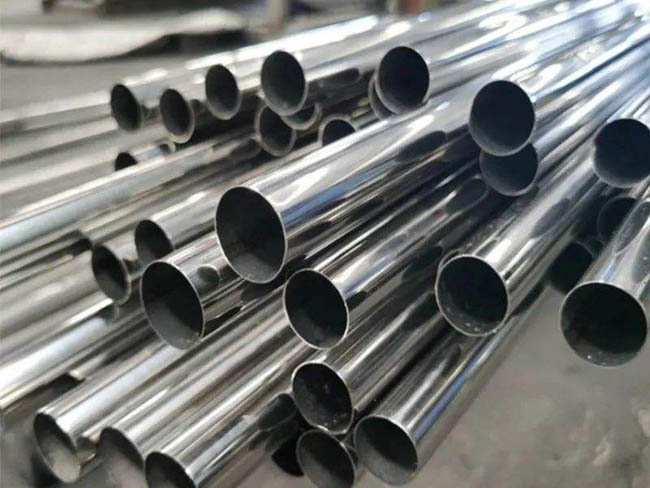
TP304 stainless steel seamless pipe (ASTM A312/A213 TP304) is one of the most widely used austenitic stainless steel pipes in industrial applications. With its excellent corrosion resistance, outstanding workability, and stable performance in both high an
 02
02
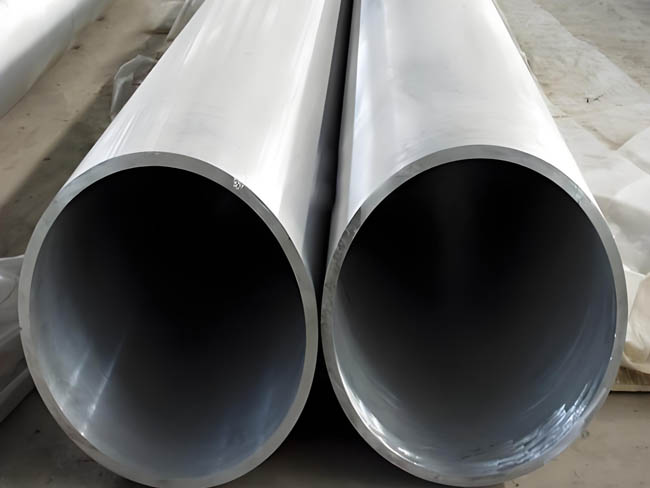
Large diameter seamless steel pipes typically refer to pipes with an outer diameter of 219 mm or larger, and in some cases up to 1020 mm. Compared with standard-size pipes, large-diameter seamless pipes are manufactured using advanced hot rolling or hot e
 03
03
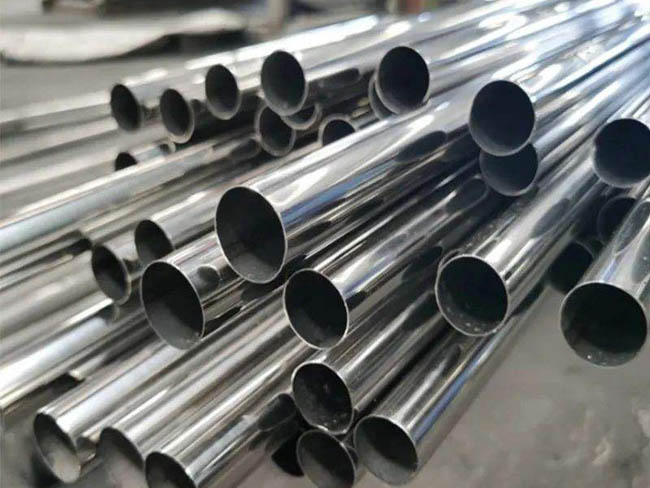
Small diameter seamless steel tubes refer to steel pipes with a relatively small outer diameter and a seamless structure without welding joints. The typical outer diameter range is 6 mm–89 mm. These pipes are manufactured through processes such as piercin
 04
04
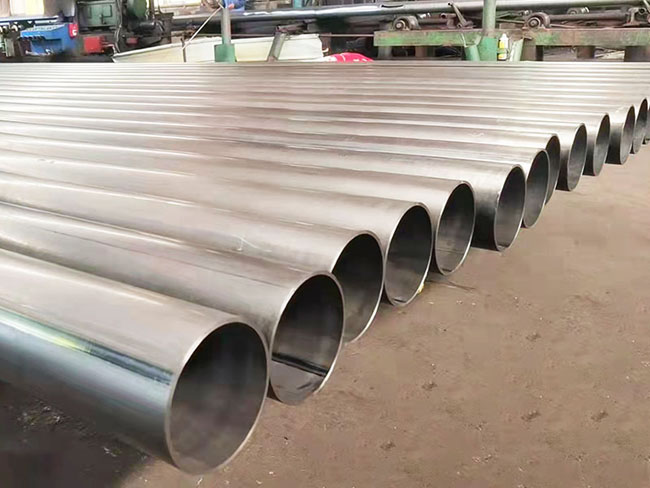
Austenitic seamless stainless steel pipe refers to seamless steel tubing whose microstructure remains stable austenite at room temperature. These steels typically use chromium and nickel as the primary alloying elements. A typical example is 18Cr-8Ni (Gra