
-
Email
-
WhatsApp
-
Address
Zhengzhou, China
Zhengzhou, China
 By Hermione
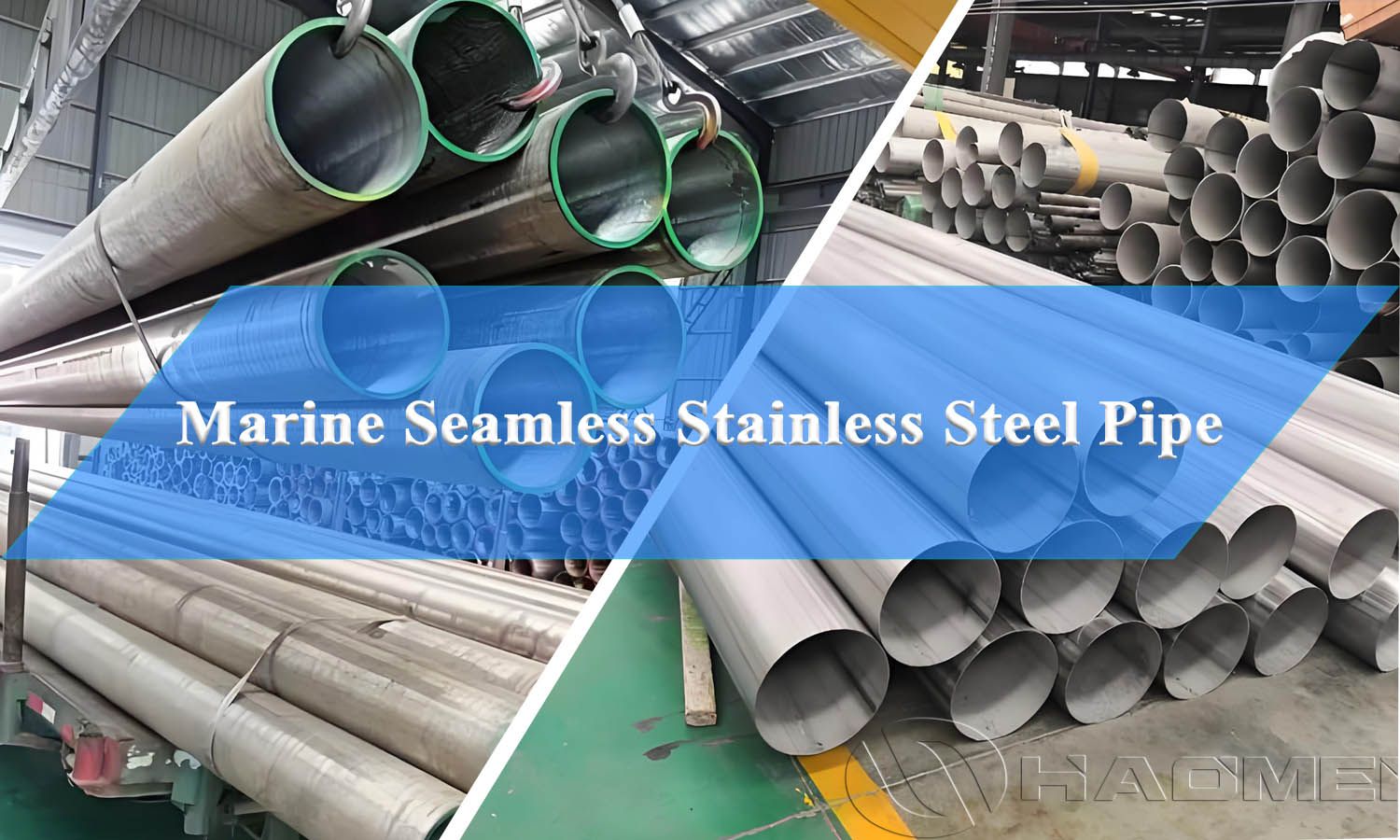
Marine seamless stainless steel pipes are essential components in modern shipbuilding. They not only serve structural and conveying functions, but also need to resist complex corrosive environments such as seawater and oil contamination. Different application scenarios have significantly different requirements for pipe quality. Therefore, international and domestic standards have established strict classification rules for seamless stainless steel pipes. Among them, the terms "Class I pipe, Class II pipe, and Class III pipe" are commonly used. This article will introduce them in detail.
The "Class I, Class II, and Class III" classification of marine seamless stainless steel pipes does not refer to the quality grade of the pipe itself. Instead, it is based on the design pressure and design temperature of marine piping systems. It represents pressure class and application requirements. Class I pipes have the highest strength requirements and are commonly used in high-pressure systems, while Class III pipes have the lowest requirements and are mostly used in low-pressure systems.
Ship systems are complex, with pipelines distributed throughout the vessel, including fuel systems, cooling water systems, steam systems, ballast water systems, fire-fighting systems, and more. The consequences of pipeline failure vary greatly:
Some leaks only affect efficiency.
Some may cause equipment damage.
Some may directly threaten vessel safety or human life.
Therefore, classification society rules classify piping systems according to risk level, so that suitable material standards, manufacturing processes, and inspection requirements can be applied.
Definition:
Class I pipes are used in critical safety systems or for transporting high-risk media. If failure occurs, it may seriously affect the safety of the vessel. Class I pipes are usually made of high-purity austenitic stainless steels, such as 316L and 321. They are manufactured by precision cold drawing or hot rolling, with seamless integral forming. Requirements for wall thickness uniformity, outside diameter tolerance, and straightness are very strict.
Common outside diameter range:
Φ10 mm – Φ114 mm
Applications:
Fuel transfer pipelines, boiler steam systems, main steam pipelines, exhaust systems, and other high-pressure or high-temperature environments, usually with working temperatures above 450°C.
Requirements:
Class I pipes must meet the highest level of classification society certification and material inspection requirements. They also require strict non-destructive testing according to specified inspection ratios.
Definition:
Class II pipes are used in important but not extremely critical systems. Failure may affect equipment operation, but usually does not immediately lead to catastrophic consequences. Their quality requirements are second only to Class I pipes. They are mainly used in marine auxiliary systems operating under medium-low pressure and medium-low temperature conditions. Although failure does not directly threaten core vessel safety, it may affect normal ship operation. Class II pipes offer a balance between safety and economy, making them one of the most widely used pipe types on ships.
Common outside diameter range:
Φ21 mm – Φ219 mm
Applications:
Fresh water systems, including drinking water and domestic water pipelines; air-conditioning and ventilation pipelines; ordinary compressed air pipes; non-high-pressure fuel auxiliary pipelines; engine room sewage discharge pipes; and other auxiliary systems.
Requirements:
Class II pipes must meet certain levels of marine inspection requirements.
Definition:
Class III pipes are the lowest class among marine seamless stainless steel pipes. They are mainly used in non-critical areas where the pipe is not pressurized, or only subject to very low pressure, has little corrosion risk, and failure does not affect ship operation or personnel safety. Their core function is basic supporting use, with more emphasis on economy and practicality.
Common outside diameter range:
Φ21 mm – Φ323 mm+
Applications:
Deck drainage pipes, overflow pipes, vent pipes, boiler vent pipes, and other open pipelines without pressure. They are also used for decorative pipes inside cabins, cable protection pipes, and other non-critical parts.
Requirements:
Class III pipes need to meet general marine steel pipe specifications.
| Parameter | Class I Pipe | Class II Pipe | Class III Pipe |
| Outside diameter tolerance | ±0.18 mm | ±0.30 mm | ±0.45 mm |
| Wall thickness tolerance | ±0.5% | ±1.0% | ±1.5% |
| Tensile strength | ≥500 MPa | ≥450 MPa | ≥400 MPa |
| Yield strength | ≥350 MPa | ≥300 MPa | ≥250 MPa |
| Elongation | ≥20% | ≥18% | ≥15% |
| Typical application | High-pressure steam pipeline | Structural support pipe | Decorative pipe |
| Nominal Pipe Size, NPS | Outside Diameter, OD mm | Common Wall Thickness mm | Application Description |
| 1/8" | 10.3 | 1.2 – 2.0 | Instrument tubes, small-flow systems |
| 1/4" | 13.7 | 1.5 – 2.5 | Control pipelines |
| 3/8" | 17.1 | 1.5 – 3.0 | Small auxiliary systems |
| 1/2" | 21.3 | 2.0 – 3.5 | General low-pressure pipelines |
| 3/4" | 26.7 | 2.0 – 3.5 | Cooling/air systems |
| 1" | 33.4 | 2.5 – 4.0 | Small and medium-flow transmission |
| 1-1/4" | 42.2 | 2.5 – 4.5 | Auxiliary systems |
| 1-1/2" | 48.3 | 3.0 – 5.0 | Cooling water systems |
| 2" | 60.3 | 3.0 – 6.0 | Common main pipelines |
| 2-1/2" | 73.0 | 3.5 – 6.5 | Medium-flow systems |
| 3" | 88.9 | 4.0 – 7.0 | Main system pipelines |
| 4" | 114.3 | 4.5 – 8.0 | Large-flow transmission |
| 5" | 141.3 | 5.0 – 9.0 | Ballast/cooling systems |
| 6" | 168.3 | 5.0 – 10.0 | Main pipelines of large systems |
| 8" | 219.1 | 6.0 – 12.0 | High-flow main pipelines |
| 10" | 273.0 | 6.0 – 14.0 | Ballast water systems |
| 12" | 323.9 | 6.0 – 16.0 | Ultra-large-flow systems |
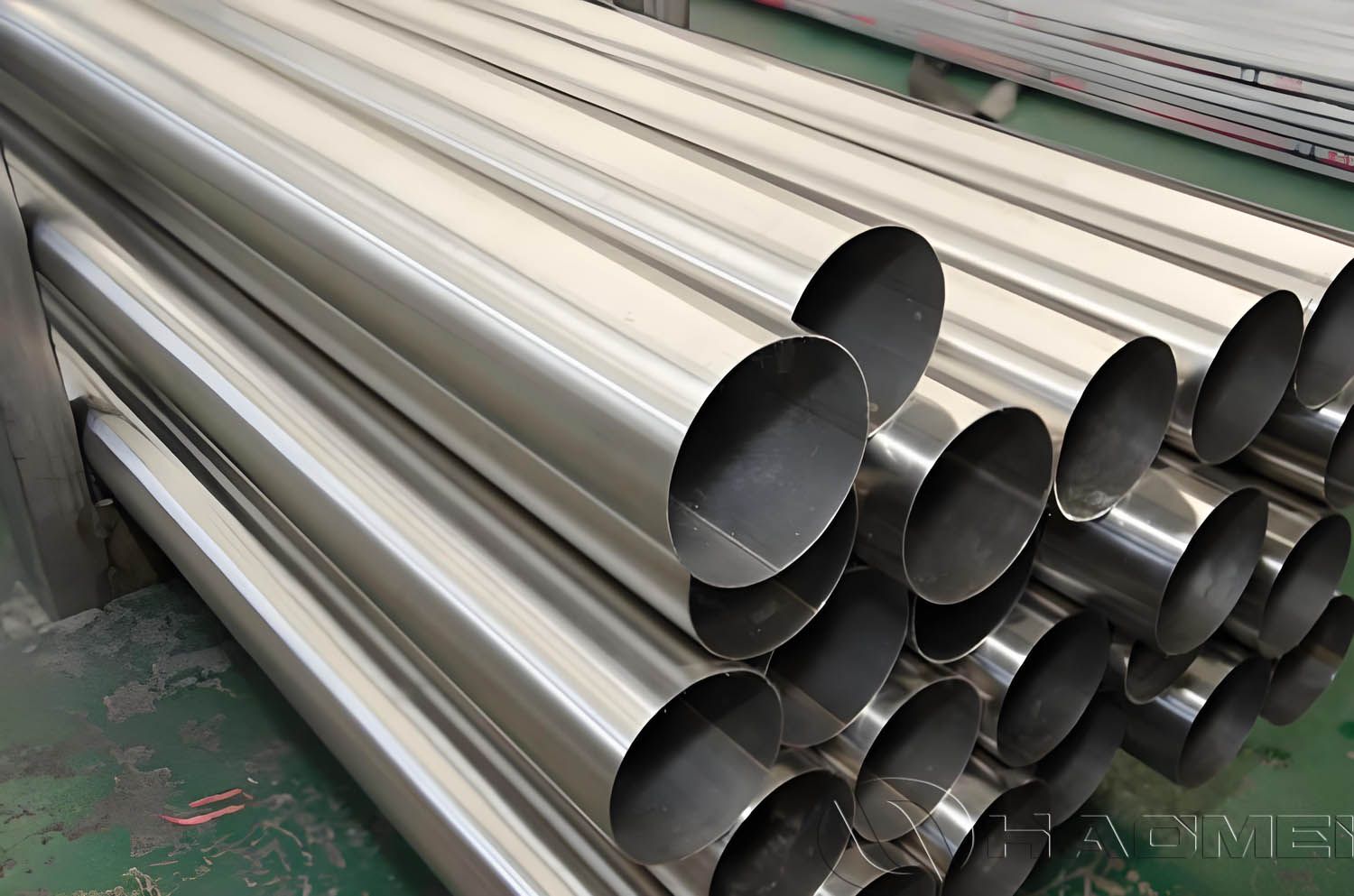
Strong Corrosion Resistance
The pipes contain chromium, molybdenum, and other elements, forming a dense passive film. They offer excellent resistance to seawater, chloride ions, and chemical corrosion. The 316 series performs especially well.
High Strength and Toughness
For example, 304 stainless steel has a tensile strength of ≥520 MPa, yield strength of ≥205 MPa, and elongation of ≥35%. It can withstand high pressure, impact, and dynamic loads.
High and Low Temperature Resistance
Austenitic stainless steel remains stable from -196°C, such as in LNG applications, to above 800°C, such as in steam systems. It has no brittle transition and offers good high-temperature oxidation resistance.
Good Processability
It is easy to cold bend, expand, and weld. Low-carbon L-grade stainless steel has better weldability. The pipes also have high dimensional accuracy, making installation and sealing easier for shipyards.
Clean and Hygienic
The inner wall is smooth and does not release harmful substances, making it suitable for fresh water, medical, and food-grade media.
Classification-Based Application
Class I pipes, used in high-pressure and high-risk systems, require 100% inspection and strict control of intergranular corrosion. Class II and Class III pipes may have reduced inspection requirements depending on operating conditions, making them economical and practical.
In actual projects, the following principles are recommended:
1. Do Not Use Lower-Class Pipes as Substitutes
Class I pipes must never be replaced by Class II or Class III pipes. This would create a serious safety hazard.
2. Match the Material to the Environment
Seawater environment: corrosion-resistant materials such as 316L or duplex stainless steel are preferred.
High-temperature and high-pressure environment: heat resistance and strength should be emphasized.
3. Cost Optimization Strategy
Use Class I pipes for critical systems.
Use Class II pipes for auxiliary systems.
Use Class III pipes for non-critical areas.
 01
01
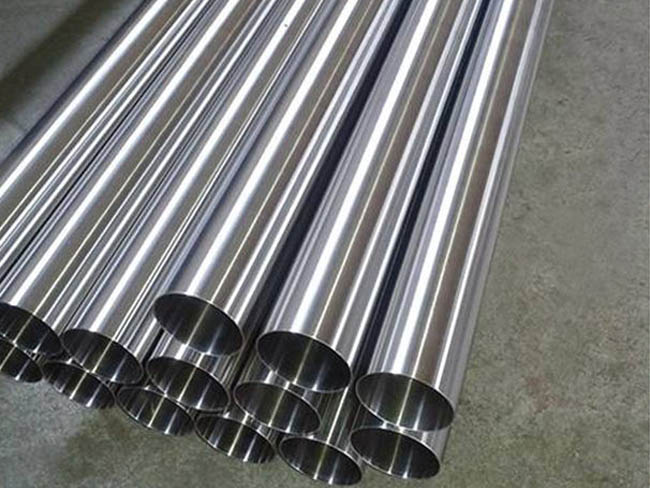
TP316 seamless stainless steel pipe offers excellent corrosion resistance and strength for chemical, marine, food, and petrochemical applications. Manufactured to ASTM A312, A213, and EN 10216-5 standards with customizable sizes and finishes.
 02
02
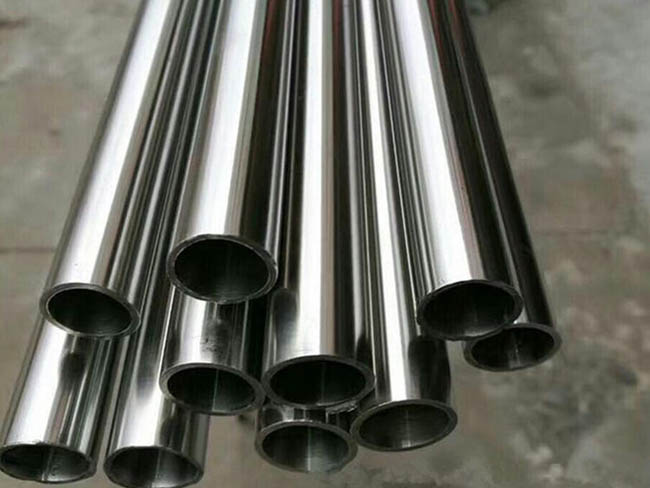
304L stainless steel pipe is produced from the low-carbon version of the widely used austenitic 18-8 stainless steel. The reduced carbon content allows it to be welded without causing localized corrosion. This is because 304L stainless steel produces less
 03
03
Small diameter seamless steel tubes refer to steel pipes with a relatively small outer diameter and a seamless structure without welding joints. The typical outer diameter range is 6 mm–89 mm. These pipes are manufactured through processes such as piercin
 04
04
TP316L seamless stainless steel pipe conforms to ASTM A312, A213 and A269 standards, and has excellent corrosion resistance and low carbon welding performance, making it suitable for the chemical, shipbuilding, pharmaceutical and food industries.