
-
Email
-
WhatsApp
-
Address
Zhengzhou, China
Zhengzhou, China
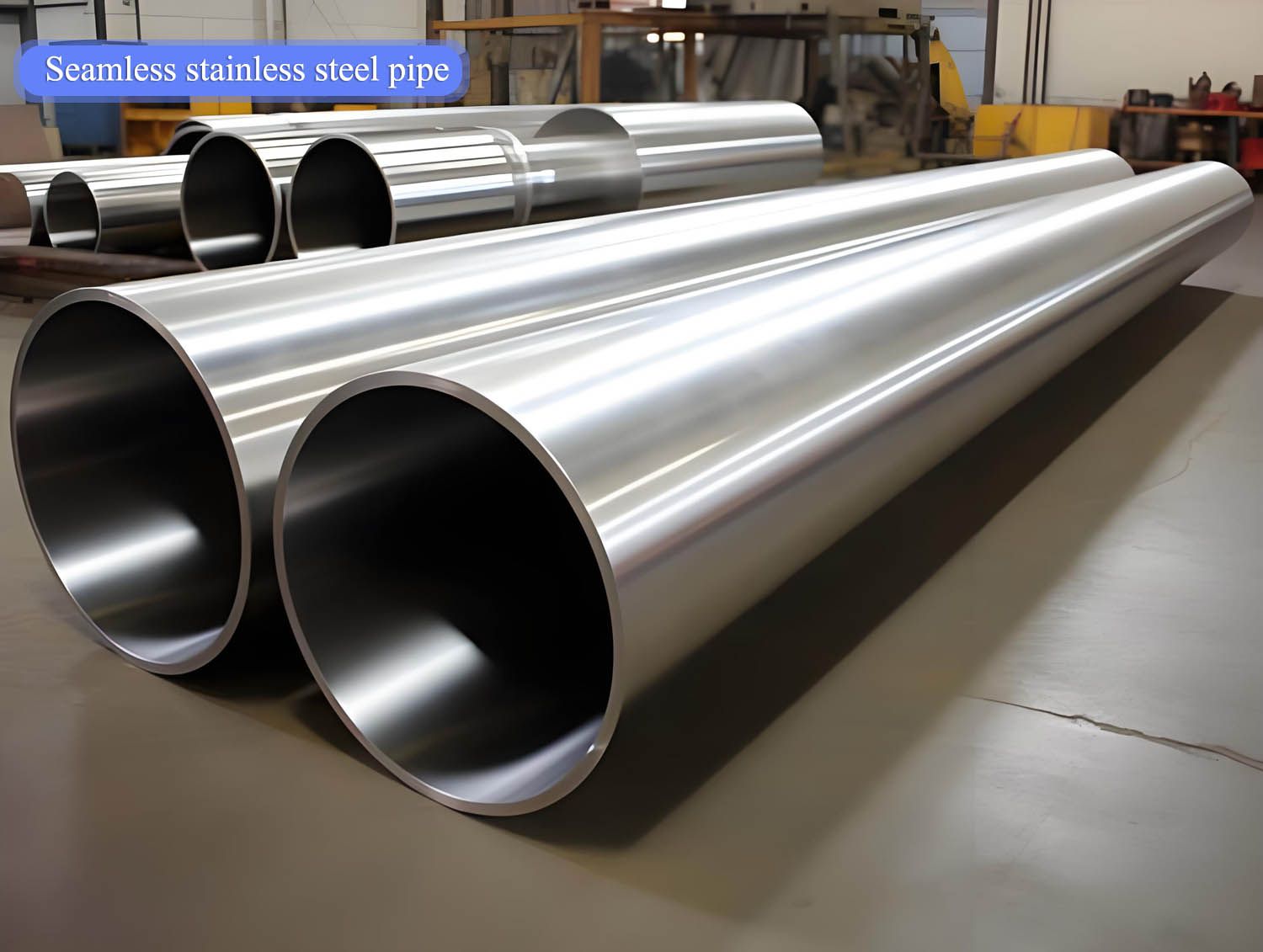
Seamless stainless steel pipes for fluid transportation are standardized industrial pipes designed for conveying liquids, gases, and corrosive media. Manufactured using seamless forming processes, these pipes feature a uniform structure without weld seams, ensuring excellent pressure resistance, corrosion resistance, and long-term operational stability.
They are widely used in industries such as petroleum, natural gas, chemical processing, power generation, food, pharmaceuticals, and water supply systems, making them essential components in modern industrial piping systems.
TP304 / 06Cr19Ni10
Most widely used; general corrosion resistance; suitable for water, steam, and oil
TP304L / 022Cr19Ni10
Ultra-low carbon; improved resistance to intergranular corrosion after welding; ideal for chemical fluids
TP316 / 06Cr17Ni12Mo2
Contains molybdenum; excellent resistance to pitting, seawater, and weak acids
TP316L / 022Cr17Ni12Mo2
Low-carbon version of 316; better weldability; widely used in chemical and marine environments
TP321 / 06Cr18Ni11Ti
Titanium-stabilized; resistant to high temperatures and creep; suitable for medium to high-temperature fluids
GB/T 14976 – Chinese standard for seamless stainless steel pipes for fluid transportation
ASTM A312 – Widely used international standard for high-temperature and corrosion-resistant pipes
EN 10216-5 – European standard for pressure-purpose seamless stainless steel pipes
1. Seamless Structure, High Safety
Eliminates welding defects and leakage risks, ideal for high-pressure and critical systems.
2. Excellent Corrosion Resistance
Chromium forms a dense passive film, providing resistance to oxidation, acids, alkalis, and chlorides.
3. Superior Mechanical Properties
High strength and toughness to withstand pressure fluctuations and impact loads.
4. Smooth Inner Surface, Low Resistance
Reduces flow resistance and improves transport efficiency, suitable for high-purity applications.
5. Long Service Life, Low Maintenance Cost
Corrosion-resistant and durable, reducing replacement frequency.
6. Wide Temperature Resistance
Maintains stable mechanical performance from -196°C to 800°C.
| OD | 6 mm – 630 mm |
| WT | 1 mm – 50 mm |
| Length | 6 m / 12 m / Custom |
| Surface Treatment | Pickled, polished, sandblasted |
| Production Process | Hot rolled / Cold drawn |
| Delivery Condition | Solution annealed |
| Packaging | Hexagonal bundling, steel frame bundling, wooden pallets, anti-rust packaging |
| Grade | Tensile Strength (MPa) | Yield Strength (MPa) | Elongation (%) | Hardness |
| 304 | ≥515 | ≥205 | ≥40 | ≤187 HB |
| 304L | ≥485 | ≥170 | ≥40 | ≤187 HB |
| 316 | ≥515 | ≥205 | ≥40 | ≤187 HB |
| 316L | ≥485 | ≥170 | ≥40 | ≤187 HB |
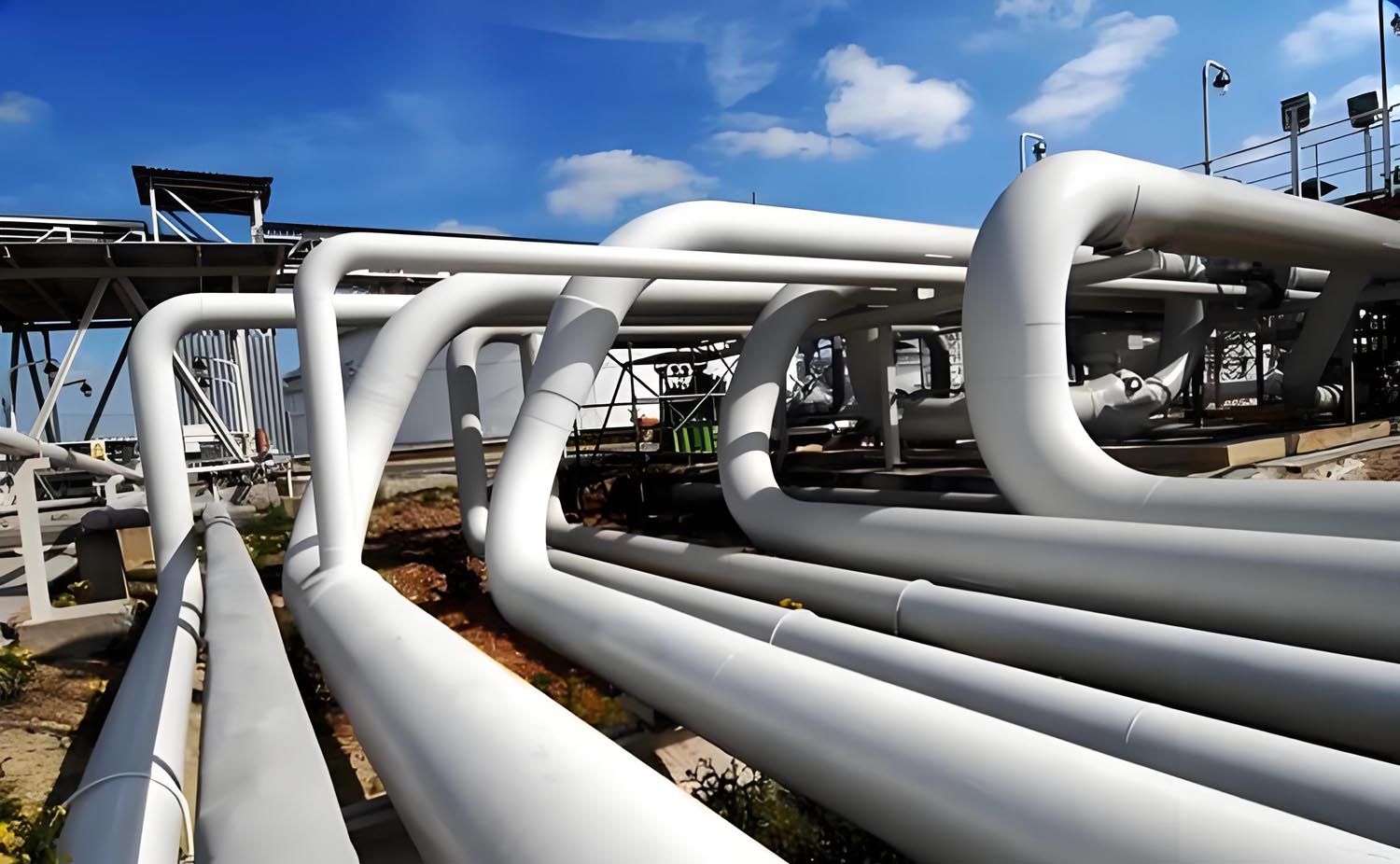
Water supply, HVAC, and fire protection systems
Compressed air, nitrogen, oxygen, and other gas pipelines
Petroleum, lubricating oil, and fuel transportation
Chemical, light industry, food and beverage pipelines
Boilers and heat exchanger piping systems
Municipal engineering, shipbuilding, and mechanical structures
Q1: Why choose seamless pipes instead of welded pipes?
A: Seamless pipes have no weld seams, offering more uniform structure and higher pressure resistance, making them ideal for high-pressure and critical systems.
Q2: How to choose between 304 and 316?
A: 304 is suitable for general environments, while 316 is recommended for chloride-containing or corrosive environments.
Q3: Do you support customization?
A: Yes, we support custom sizes, special materials, and various surface treatments.
Q4: Are inspection reports available?
A: Yes, we provide Mill Test Certificates (MTC) and third-party inspection reports.
 01
01
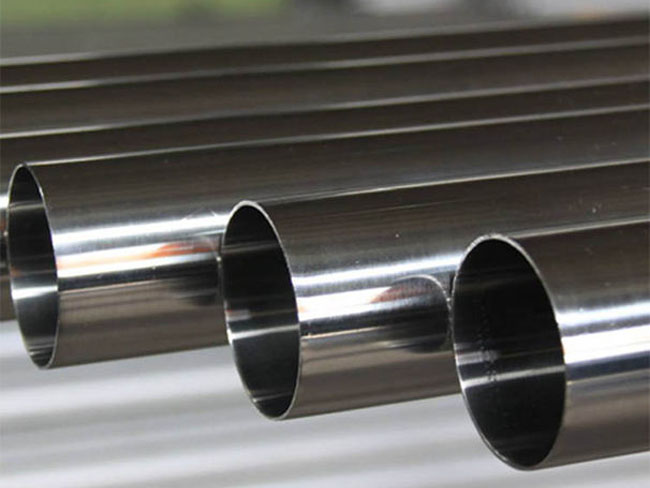
TP316L seamless stainless steel pipe conforms to ASTM A312, A213 and A269 standards, and has excellent corrosion resistance and low carbon welding performance, making it suitable for the chemical, shipbuilding, pharmaceutical and food industries.
 02
02
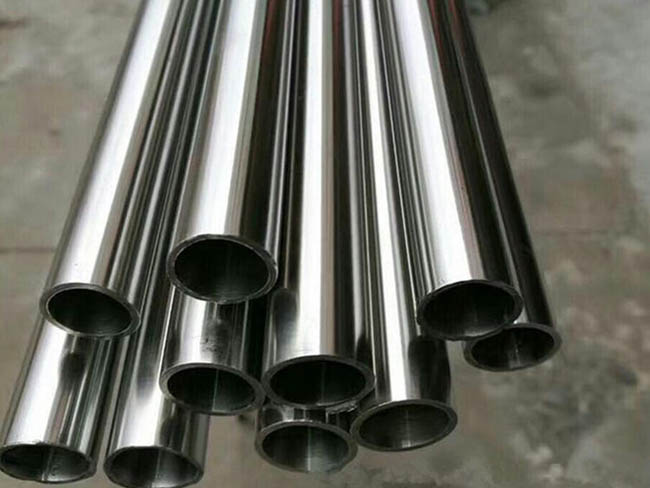
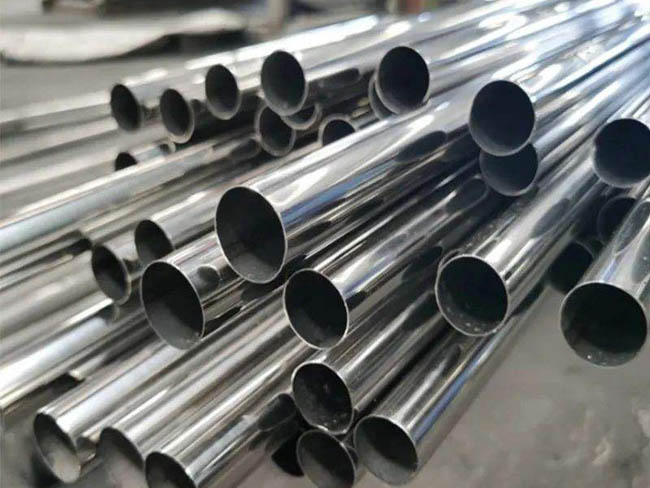
304L stainless steel pipe is produced from the low-carbon version of the widely used austenitic 18-8 stainless steel. The reduced carbon content allows it to be welded without causing localized corrosion. This is because 304L stainless steel produces less
 03
03
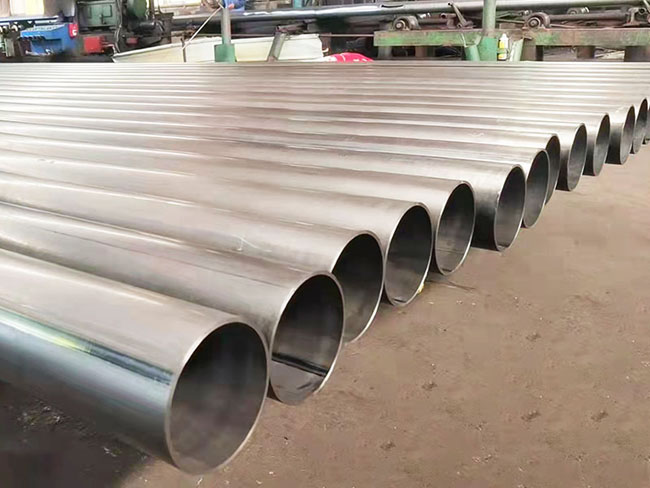
Small diameter seamless steel tubes refer to steel pipes with a relatively small outer diameter and a seamless structure without welding joints. The typical outer diameter range is 6 mm–89 mm. These pipes are manufactured through processes such as piercin
 04
04
Austenitic seamless stainless steel pipe refers to seamless steel tubing whose microstructure remains stable austenite at room temperature. These steels typically use chromium and nickel as the primary alloying elements. A typical example is 18Cr-8Ni (Gra