
-
Email
-
WhatsApp
-
Address
Zhengzhou, China
Zhengzhou, China
 By Hermione
In the shipbuilding and offshore engineering sectors, material selection directly affects equipment safety, service life, and operating costs. Thanks to their excellent strength-to-weight ratio and corrosion resistance, seamless stainless steel pipes have become a preferred material for marine piping systems. Among the many stainless steel grades available, 304L and 316L are undoubtedly two of the most widely discussed options. They both belong to the austenitic stainless steel family and have similar names, but their actual performance and applicable service conditions can differ significantly.
Marine-grade seamless stainless pipe is not merely standard industrial pipe; beyond meeting material grade specifications, it must be suitable for the unique operating conditions found on ships. This entails possessing adequate low-temperature impact toughness and vibration-fatigue resistance, passing intergranular corrosion testing, and being supported by classification society certification (e.g., CCS, BV, LR) in compliance with marine piping standards such as ASTM A312, ASTM A213, and GB/T5312.
Regarding the seamless pipe manufacturing process: a solid steel billet is heated and pierced, then undergoes hot rolling, cold drawing, and finishing. The resulting pipe is entirely free of welded seams. Compared to welded steel pipe, seamless pipe eliminates the weld-an inherent weak point-thereby offering superior pressure-bearing capacity and more consistent fatigue and corrosion resistance. It is ideally suited for high-pressure, high-vibration marine piping systems and serves as the preferred choice for critical shipboard pressure piping.
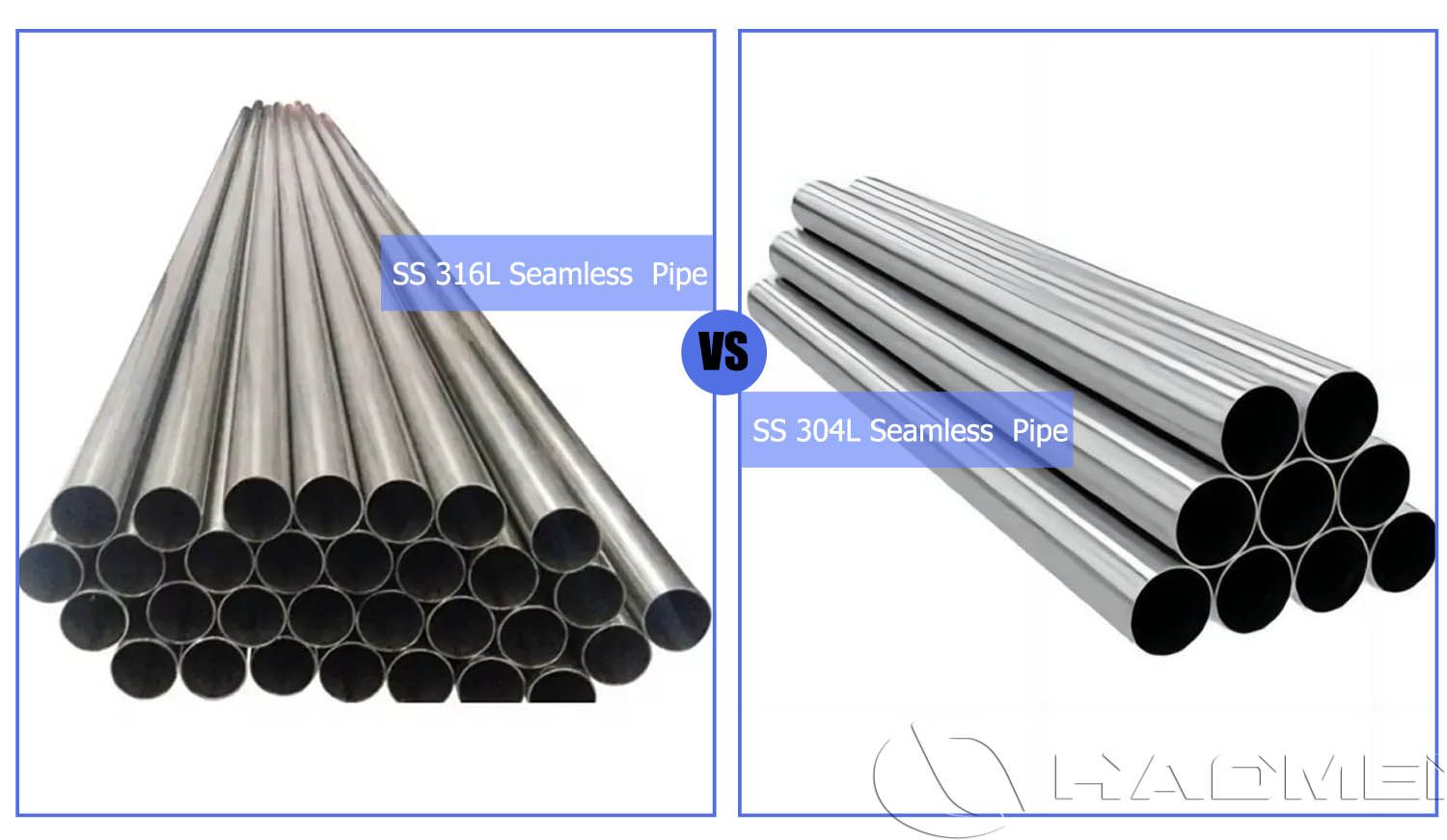
The following table shows typical composition ranges under commonly used standards. Actual chemical composition should be confirmed by the Material Test Certificate (MTC) and the applicable product standard.
| Element | 304L | 316L |
| Cr | Approx. 18%–20% | Approx. 16%–18% |
| Ni | Approx. 8%–12% | Approx. 10%–14% |
| Mo | Normally not included | Approx. 2%–3% |
| C | ≤ 0.03% | ≤ 0.03% |
| Mn | ≤ 2.00% | ≤ 2.00% |
| Si | ≤ 1.00% | ≤ 1.00% |
| P | ≤ 0.045% | ≤ 0.045% |
| S | ≤ 0.030% | ≤ 0.030% |
From a chemical composition perspective, the most important difference in 316L is the addition of molybdenum. This element significantly improves resistance to localized corrosion in chloride-containing environments. Therefore, 316L is particularly suitable for seawater, saltwater, coastal salt-spray environments, and process media containing chlorides.
Limitations of 304L: While 304L offers good atmospheric corrosion resistance and moderate tolerance to acids and alkalis, it is susceptible to pitting and crevice corrosion in environments containing high concentrations of chloride ions, such as seawater or salt spray. Its surface passivation layer is particularly prone to breakdown in stagnant seawater or high-temperature marine environments.
Superiority of 316L: 316L is recognized as a true "marine-grade" stainless steel. The addition of molybdenum significantly boosts its Pitting Resistance Equivalent Number (PREN), enabling it to easily withstand prolonged exposure to seawater and greatly extending its service life in submerged or severe salt-spray environments.
At ambient and moderate temperatures, the yield strength and tensile strength of 304L and 316L are essentially comparable. However, at high temperatures, 316L exhibits superior creep strength and tensile strength-thanks to the solid-solution strengthening effect of molybdenum-making it highly suitable for applications such as marine engine exhaust pipes and high-temperature heat exchanger tubing.
| Property | 304L | 316L |
| Tensile Strength (MPa) | ≥ 485 | ≥ 485 |
| Yield Strength (MPa) | ≥ 170 | ≥ 170 |
| Elongation After Fracture | ≥ 35%–40% | ≥ 35%–40% |
| Density (g/cm³) | 7.93 | 7.98 |
The two materials are comparable in terms of strength, ductility, and low-temperature toughness, and both are suitable for cryogenic service at -196°C. Regarding weldability, as both are low-carbon grades, 304L and 316L exhibit excellent resistance to weld sensitization; they maintain resistance to intergranular corrosion in the heat-affected zone after welding without the need for solution annealing. This is a key reason why "L-grade" steel pipes have become the mainstream choice for marine stainless steel piping.
1. Scenarios where 316L marine seamless pipe is the preferred choice:
Systems in direct contact with seawater: Such as seawater cooling lines, desalination units, ballast water systems, and piping for hull sea-chest valves.
Areas exposed to severe salt spray and immersion: External hull piping, deck piping on offshore oil rigs, deck salvage equipment, and hydraulic lines.
Demanding high-temperature and high-pressure conditions: Marine exhaust gas recirculation systems, high-temperature heat exchangers, and high-pressure seawater fire-fighting lines.
2. Scenarios where 304L marine seamless pipe is suitable:
Unexposed interior areas: Internal domestic water supply and drainage lines, fresh water transport lines, vent pipes, etc.
Inland waterway and freshwater vessels: Vessels operating in inland rivers (such as the Yangtze River or the Beijing-Hangzhou Grand Canal) or freshwater lakes; where chloride ion concentrations are extremely low, 304L provides fully adequate protection.
Marine decorative and light-load structural applications: Auxiliary piping components not directly exposed to seawater immersion, such as interior handrails and indoor framework.
Although 304L and 316L have similar appearances and fabrication properties, their most important difference in marine applications is their resistance to chloride-induced corrosion.
| Comparison Item | 304L | 316L |
| Main Alloy System | Cr-Ni | Cr-Ni-Mo |
| Carbon Content | Low carbon | Low carbon |
| Molybdenum Content | Typically no Mo as a main alloying element | Contains Mo |
| General Corrosion Resistance | Good | Excellent |
| Chloride Pitting Resistance | Moderate | Stronger |
| Crevice Corrosion Resistance | Good | Better |
| Weldability | Excellent | Excellent |
| Formability | Excellent | Excellent |
| Suitability for Seawater Environments | Conditionally suitable | More suitable |
| Overall Cost | Relatively lower | Usually higher |
| Recommended Environment | General marine and interior ship environments | Heavy salt spray, seawater, and severe marine environments |
One of the greatest corrosion risks in ships and offshore engineering is the presence of chloride ions (Cl⁻).
Seawater contains a high concentration of chlorides. Once the passive film on stainless steel is damaged, chloride ions can accelerate localized corrosion and initiate pitting.
The molybdenum in 316L improves the stability of the passive film and enhances the alloy's resistance to chloride-induced localized corrosion. Therefore, 316L generally provides clear advantages in the following environments:
Seawater transfer systems
Offshore drilling platforms
Marine engineering equipment
Ship seawater cooling systems
Seawater desalination plants
Deck areas exposed to heavy salt spray
Offshore wind power equipment
Industrial media containing chlorides
If a piping system will be in long-term direct contact with seawater or exposed to heavy salt spray, selecting 316L is generally more reasonable than making a decision based only on initial material cost.
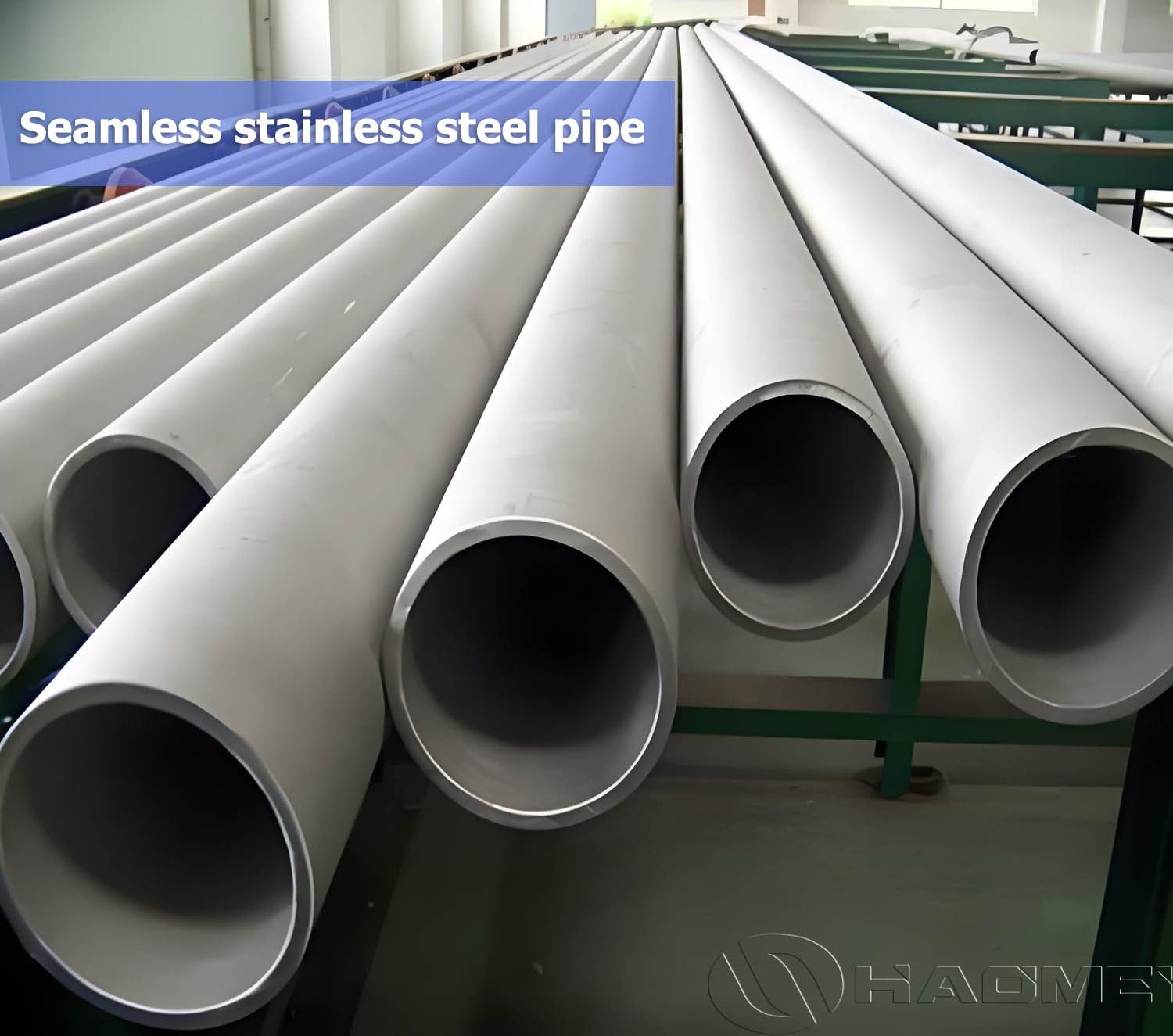
When selecting between 304L and 316L marine-grade seamless stainless steel pipes, the key factors are chloride concentration, medium temperature, operating pressure, exposure conditions, project standards, and budget.
Consider the Operating Environment
If the pipeline will be in direct contact with seawater, continuously exposed to heavy marine salt spray, or used in high-pressure and high-temperature conditions, 316L is the more reliable and safer choice.
Consider the Project Budget
If the application is limited to inland freshwater vessels, onboard freshwater systems, interior ship piping, or mildly corrosive environments, 304L can meet service requirements while effectively reducing material procurement costs.
In short, 304L offers a cost-effective solution for low-chloride and moderately corrosive marine applications, while 316L is better suited for seawater, salt-spray exposure, and demanding chloride-containing environments. For critical shipboard and offshore pressure piping, the final material selection should always be based on actual service conditions, applicable standards, design requirements, and verified material certification documents.
 01
01
Duplex stainless steel pipe consists of approximately equal proportions of ferrite and austenite stainless steel phases. It combines the high strength of ferritic stainless steel with the toughness of austenitic stainless steel. Its yield strength is gene
 02
02
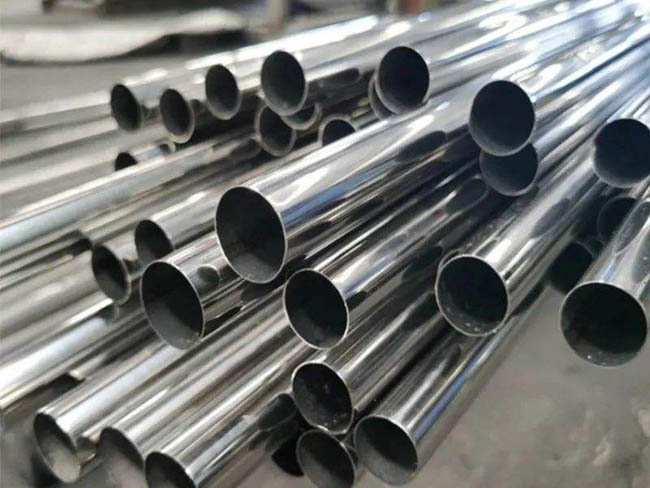
TP316L seamless stainless steel pipe conforms to ASTM A312, A213 and A269 standards, and has excellent corrosion resistance and low carbon welding performance, making it suitable for the chemical, shipbuilding, pharmaceutical and food industries.
 03
03
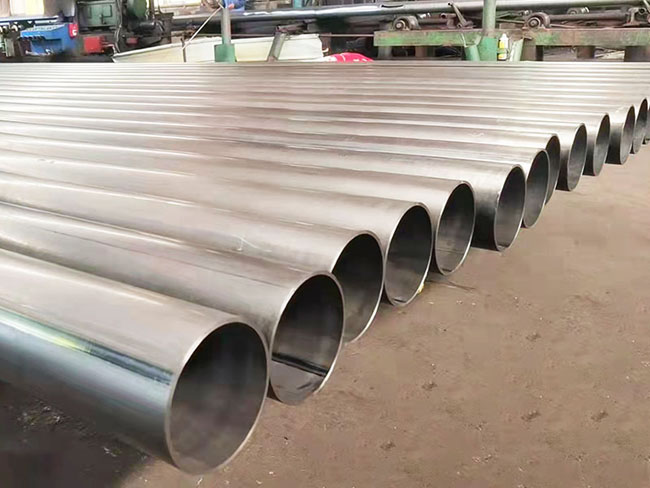
TP304 stainless steel seamless pipe (ASTM A312/A213 TP304) is one of the most widely used austenitic stainless steel pipes in industrial applications. With its excellent corrosion resistance, outstanding workability, and stable performance in both high an
 04
04
Austenitic seamless stainless steel pipe refers to seamless steel tubing whose microstructure remains stable austenite at room temperature. These steels typically use chromium and nickel as the primary alloying elements. A typical example is 18Cr-8Ni (Gra