
-
Email
-
WhatsApp
-
Address
Zhengzhou, China
Zhengzhou, China
 By Hermione
Ships operate in marine environments for extended periods, where high salt spray exposure, high humidity, and chloride ion attack are constant challenges for piping systems. The selection of piping material directly affects vessel safety, operating reliability, and maintenance costs. Among various materials, 316L ultra-low-carbon austenitic seamless stainless steel pipe has become one of the most trusted pipe materials for marine fluid systems due to its excellent corrosion resistance and mechanical performance.
316L is a low-carbon austenitic stainless steel, typically based on iron and alloyed primarily with chromium, nickel, and molybdenum. Chromium helps form a protective passive film on the material surface; nickel improves toughness and microstructural stability; and molybdenum enhances resistance to localized corrosion in chloride-containing environments.
Compared with conventional 304 stainless steel, 316L generally offers better resistance to chloride-induced pitting corrosion and crevice corrosion. It is therefore more suitable for coastal areas, marine equipment, and industrial environments exposed to salt spray.
The "L" in 316L stands for low carbon, with the carbon content generally limited to no more than 0.03%. The low-carbon composition helps reduce the risk of intergranular corrosion during welding or high-temperature fabrication, allowing the material to retain good corrosion resistance under appropriate manufacturing and welding conditions.
Seamless stainless steel pipe is manufactured through piercing, hot rolling, cold drawing, or other applicable seamless forming processes. The pipe body does not contain a longitudinal welded seam. For pressurized fluid systems, the seamless construction can avoid a longitudinal weld seam becoming a potential weak point. However, the overall reliability of the pipe still depends on material quality, manufacturing process, wall thickness, inspection requirements, and actual operating conditions.
It should be noted that salt-spray resistance does not mean complete immunity to seawater corrosion. Although 316L generally performs well in marine atmospheric and salt-spray environments, pitting corrosion and crevice corrosion may still occur during long-term seawater immersion, stagnant seawater service, or high-temperature chloride-containing conditions. Therefore, material selection should be evaluated according to the medium, temperature, flow velocity, and design requirements of the specific marine system.
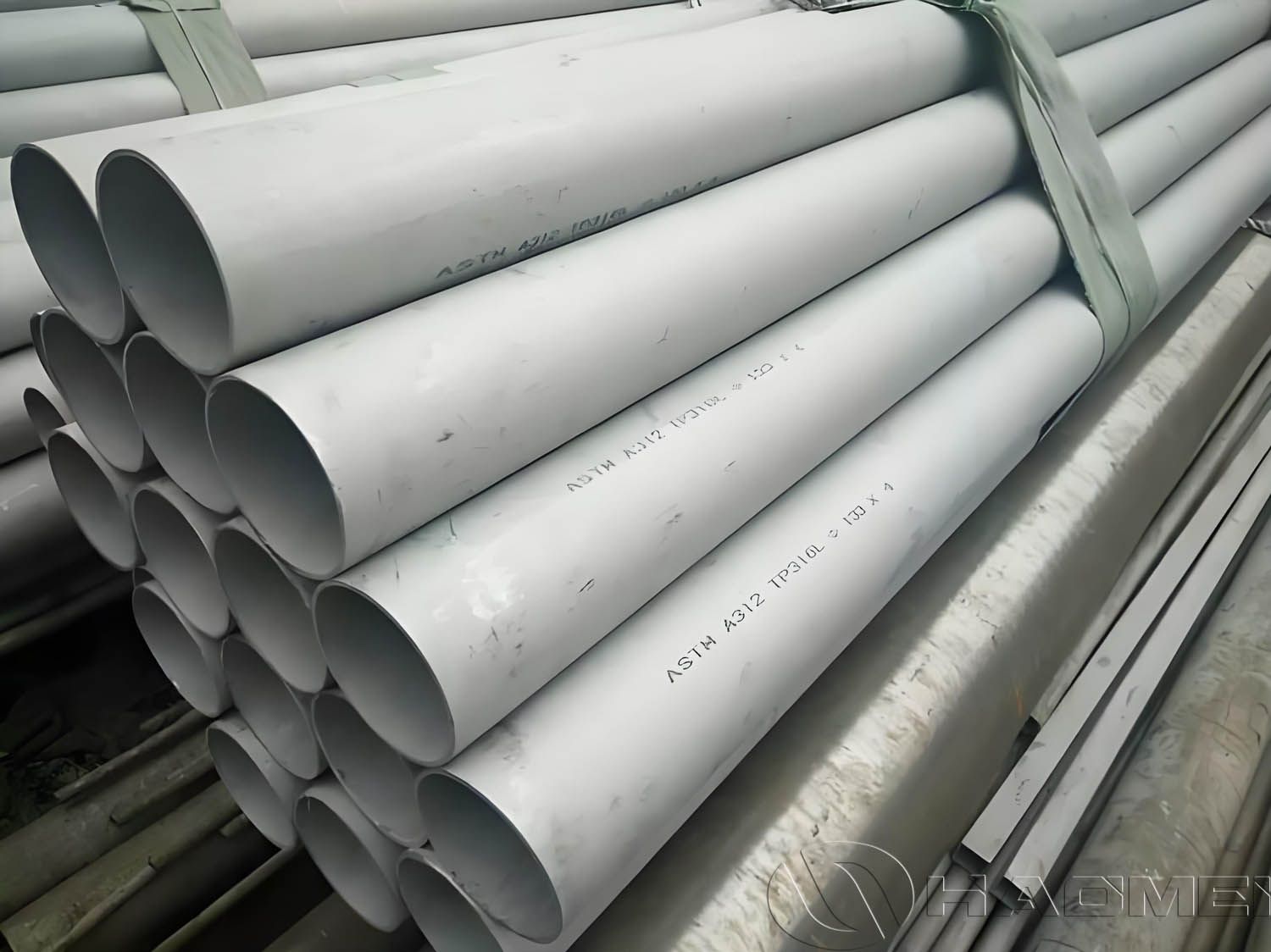
Technical Parameter | Common Specification or Requirement |
| Material Grade | 316L / UNS S31603 |
| Material Type | Austenitic stainless steel |
| Manufacturing Process | Seamless hot rolling, cold drawing, or other applicable processes |
| Outside Diameter | 6–323.9 mm |
| Wall Thickness | 0.5–20 mm |
| Length | 3 m, 6 m, 8 m, etc.; fixed length or random length as required |
| Common Standards | ASTM A312/A312M or project-specified standards |
| Surface Finish | Pickled, bright annealed, or other agreed surface finishes |
| Classification Society Requirements | ABS, DNV, LR, NK, etc. |
1. Salt Spray and Marine Atmospheric Corrosion Resistance
Ships are continuously exposed to sea wind, salt spray, and humid air. Salt deposits can accelerate corrosion, especially in exposed and poorly ventilated areas. With relatively high chromium and nickel contents as well as molybdenum addition, 316L can form a stable passive film and offers good durability in marine atmospheric environments.
It is suitable for condensate piping, auxiliary fluid lines, ventilation-related piping, and coastal industrial facilities.
2. Resistance to Pitting and Crevice Corrosion
Pitting corrosion is a common form of localized corrosion in chloride-containing environments and can affect pressure-bearing capability and operational safety. The molybdenum in 316L improves resistance to chloride-induced pitting and crevice corrosion, providing better performance than 304 stainless steel.
However, 316L cannot completely eliminate the risk of localized corrosion in seawater. For long-term exposure to warm seawater or low-flow service conditions, higher-corrosion-resistance materials such as duplex stainless steel or copper-nickel alloy should be evaluated.
3. Mechanical Properties and Pressure-Service Adaptability
Marine piping systems must withstand internal pressure, pumping impact, equipment vibration, thermal expansion, and installation stress. 316L seamless pipe provides good ductility and toughness, making it suitable for cold bending, cutting, expanding, and connection operations.
Its pressure-bearing capacity depends on outside diameter, wall thickness, design temperature, applicable material standard, and system design pressure. Strength calculations should be carried out in accordance with classification society rules and actual operating conditions rather than determined solely by the material grade.
4. Good Fabrication and Connection Performance
As an austenitic stainless steel, 316L has good cold-forming properties and welding adaptability, making it suitable for the fabrication of complex marine piping systems.
During welding, heat input, interpass temperature, and post-weld cleaning quality should be properly controlled. Where necessary, surface treatments such as pickling and passivation should be carried out. Although seamless pipe has no longitudinal weld seam, circumferential butt welds, flange joints, and valve connections must still be installed and inspected according to applicable quality requirements.
5. Good Thermal Stability
Some marine fluid systems handle elevated-temperature media, such as fuel heaters and fuel pump systems. 316L stainless steel has good thermal stability and can maintain its structure and performance under suitable elevated-temperature operating conditions, helping reduce the risk of thermal deformation and performance degradation.
6. Long Service Life and Lower Maintenance Costs
Thanks to its corrosion resistance and mechanical properties, 316L seamless stainless steel pipe can provide long-term service in marine applications when properly selected, installed, and maintained. Compared with ordinary carbon steel pipe, it can help extend replacement intervals and reduce maintenance frequency, thereby lowering vessel operating costs.
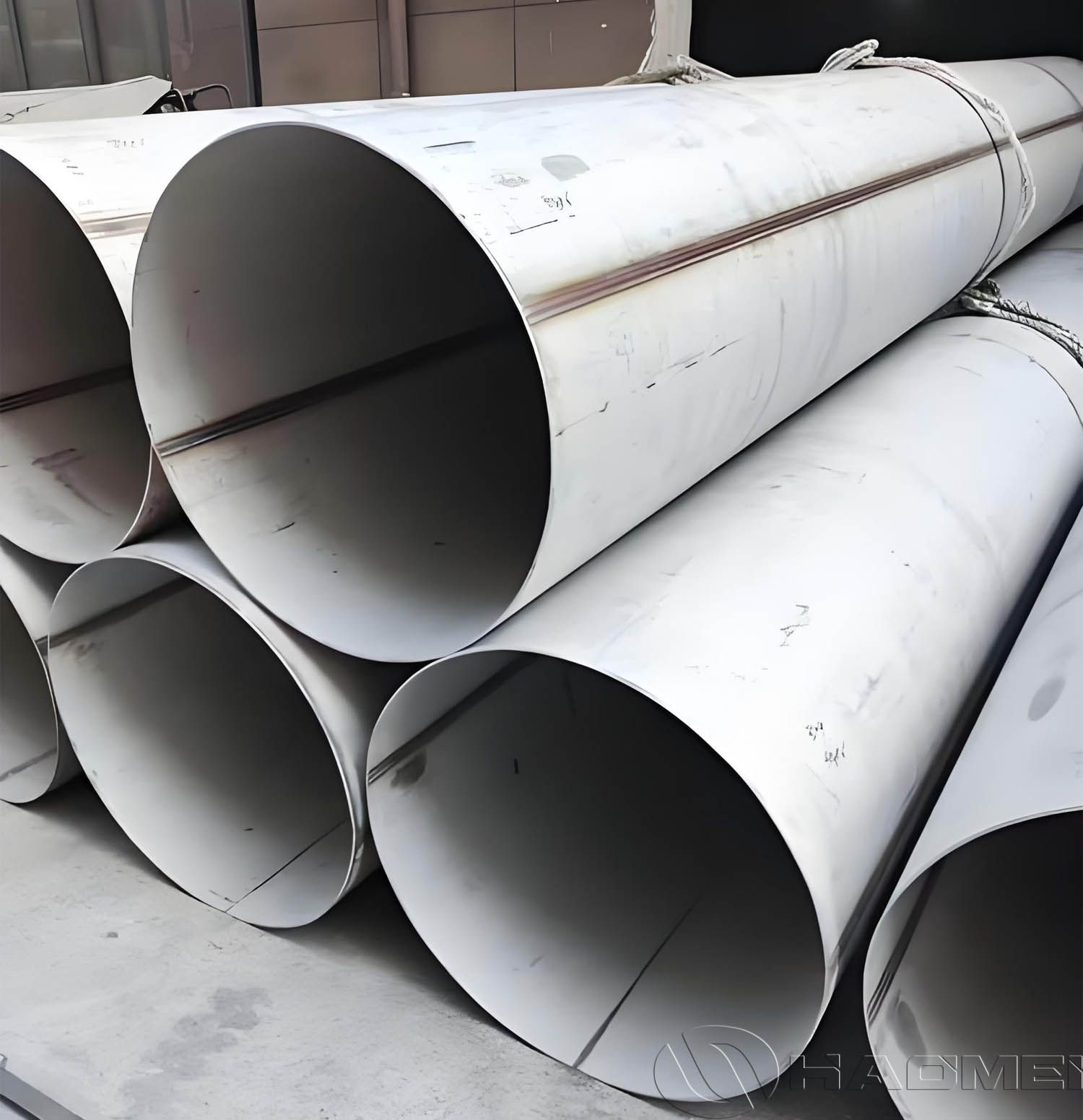
With its balanced corrosion resistance, mechanical strength, and fabrication performance, marine-grade 316L seamless stainless steel pipe is widely used in important marine fluid circuits.
Seawater Cooling Systems
Used in cooling water piping for main engines, auxiliary engines, and air-conditioning systems. When directly exposed to natural seawater, the material selection should be assessed according to seawater temperature, flow velocity, oxygen content, deposits, and crevice conditions.
Ballast Water Management Systems (BWMS)
As environmental regulations become more stringent, ballast water piping systems frequently convey treated ballast water. 316L seamless pipe may be used in suitable sections where resistance to chemical treatment agents and marine environmental corrosion is required. The final material selection should be based on the treatment process, chemical agent type, concentration, temperature, and classification requirements.
Fuel Oil and Lubricating Oil Piping
316L seamless pipe can be used in fuel oil and lubricating oil transfer systems requiring reliable pressure performance, cleanliness, and corrosion resistance. It helps ensure stable delivery of fuel and lubricating oil while minimizing the risk of contamination.
Domestic and Potable Water Systems
316L pipe with an appropriate hygienic surface finish is non-toxic, odorless, and resistant to contamination. It is suitable for domestic water and potable water systems where hygiene, corrosion resistance, and long-term service reliability are required.
Inert Gas Systems and Firefighting Pipe Networks
In high-pressure gas transmission or gas-liquid mixed conveying systems, 316L seamless stainless steel pipe can provide strong structural stability and reliable corrosion resistance when properly designed and installed.
1. Identify the Piping System Class
Marine piping systems are commonly classified into Class I, Class II, and Class III systems. Different classes have different requirements for non-destructive testing, pressure testing, material certification, and inspection ratios.
Class I high-pressure piping systems generally have the most stringent requirements. Before selecting pipe materials, the applicable rules and requirements should be confirmed with the shipyard, shipowner, designer, or classification society.
2. Applicable Standards and Certifications
Ensure that the products comply with international standards such as ASTM A312/A312M and EN 10216-5, or other project-specified standards.
Classification society certificates can be provided according to project requirements, including but not limited to:
DNV
ABS
CCS
BV
LR
NK
3. Surface Finish Requirements
Marine pipes may require different surface finishes depending on internal media and external service environments. Common options include:
AP — Annealed and Pickled Finish: Suitable for general corrosion-resistance requirements;
BA — Bright Annealed Finish: Smooth and bright surface, suitable for applications requiring better surface quality;
Mechanical Polished Finish: Suitable for applications with specific hygiene, appearance, or surface roughness requirements.
The appropriate finish should be selected by balancing corrosion resistance, project requirements, and cost.
4. Dimensional Accuracy
Outside diameter and wall thickness tolerances should be strictly controlled to ensure proper compatibility with compression fittings, flanged fittings, welded joints, valves, and other pipe accessories.
For high-pressure, instrumentation, hydraulic, and precision piping systems, dimensional accuracy is especially important.
5. Packaging and Transportation
Marine-grade stainless steel pipes should be properly protected during storage and transportation. Pipe ends are commonly fitted with plastic protective caps. Moisture-resistant packaging, VCI anti-corrosion protection where required, and wooden supports or pallets can be used to prevent impact damage, surface contamination, and moisture exposure during sea transportation.
 01
01
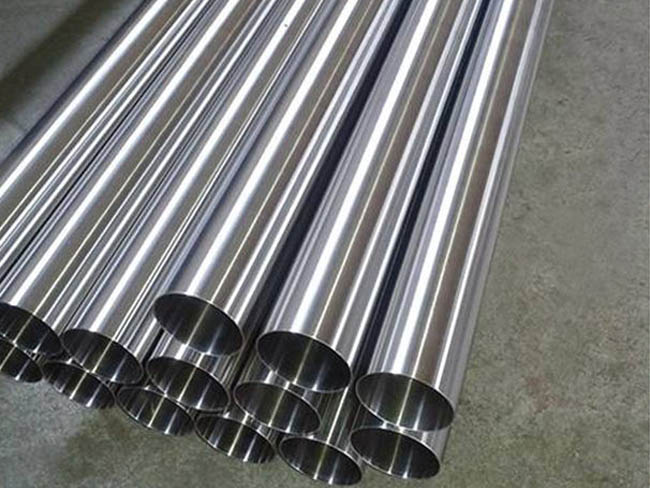
TP316 seamless stainless steel pipe offers excellent corrosion resistance and strength for chemical, marine, food, and petrochemical applications. Manufactured to ASTM A312, A213, and EN 10216-5 standards with customizable sizes and finishes.
 02
02
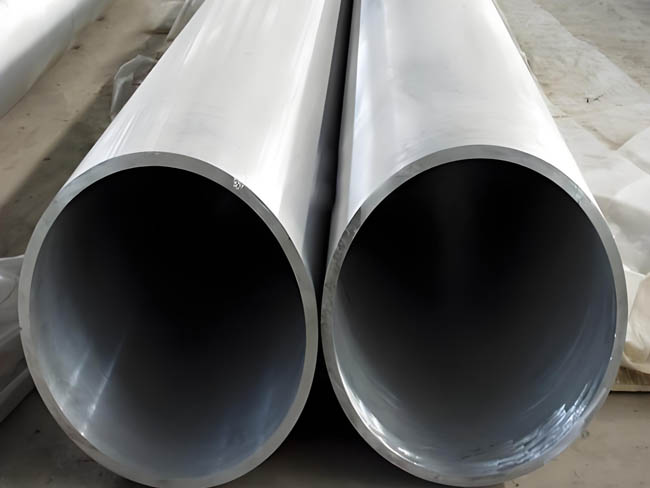
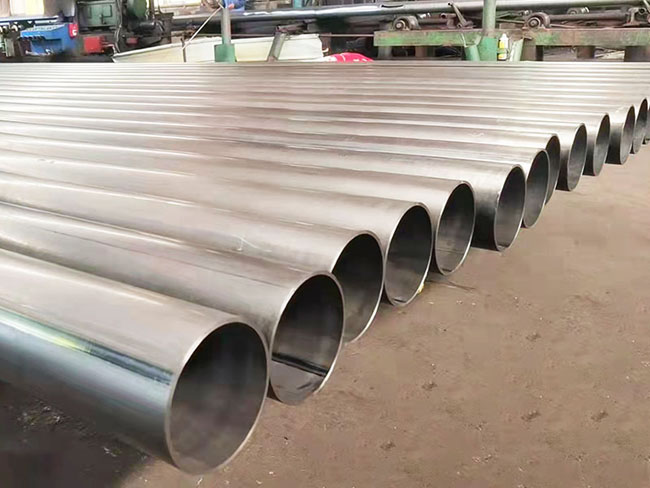
Large diameter seamless steel pipes typically refer to pipes with an outer diameter of 219 mm or larger, and in some cases up to 1020 mm. Compared with standard-size pipes, large-diameter seamless pipes are manufactured using advanced hot rolling or hot e
 03
03
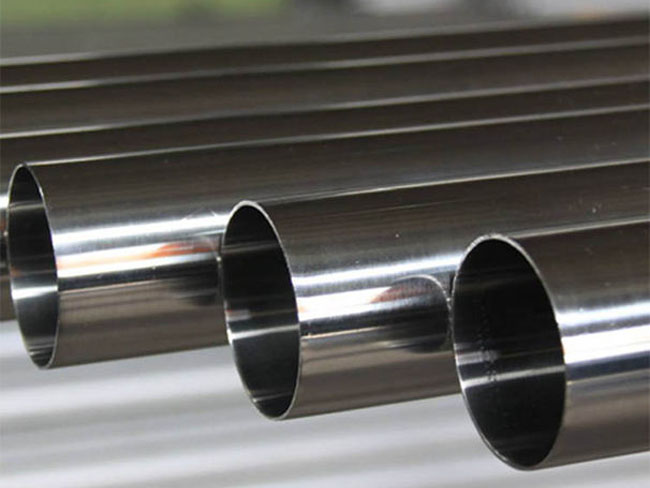
Austenitic seamless stainless steel pipe refers to seamless steel tubing whose microstructure remains stable austenite at room temperature. These steels typically use chromium and nickel as the primary alloying elements. A typical example is 18Cr-8Ni (Gra
 04
04
Marine seamless stainless steel pipes are manufactured from austenitic stainless steels such as 304, 304L, 316, and 316L. They feature excellent seawater corrosion resistance and high structural strength, and are widely used in ship piping systems, seawat