
-
Email
-
WhatsApp
-
Address
Zhengzhou, China
Zhengzhou, China
 By Hermione
In marine engineering, shipbuilding, and coastal infrastructure construction, seamless stainless steel pipes are exposed for long periods to high salt spray, high humidity, and chloride-containing environments, where corrosion failure can easily occur. Therefore, selecting the right stainless steel grade and proper protective measures is essential.
The seamless stainless steel pipes produced by HAOMEI are manufactured through hot rolling or cold drawing processes. Their seamless structure provides better pressure resistance and corrosion resistance compared with welded pipes. Common standards include ASTM A312, ASTM A213, and other specifications, making them widely used in demanding industrial applications.
For shipbuilding and offshore engineering projects, HAOMEI can also provide classification society certification or third-party inspection reports according to customer requirements, including CCS, ABS, DNV, BV, LR, NK, KR, and other certifications.
304 Stainless Steel:
304 stainless steel offers good general corrosion resistance, but it is susceptible to chloride-induced pitting corrosion. Therefore, it is less suitable for direct and long-term contact with seawater.
316/316L Stainless Steel:
316 and 316L stainless steels are among the most widely used stainless steel materials in marine environments. The addition of molybdenum significantly improves corrosion resistance in saltwater environments, making 316L a preferred material for marine applications.
2205 Duplex Stainless Steel:
2205 duplex stainless steel has excellent corrosion resistance and high mechanical strength. It is an ideal choice for shipbuilding, offshore platforms, and seawater piping systems.
2507 Super Duplex Stainless Steel:
2507 super duplex stainless steel contains higher levels of chromium, molybdenum, and nitrogen. It provides stronger resistance to pitting and crevice corrosion, ensuring excellent durability in harsh marine environments.
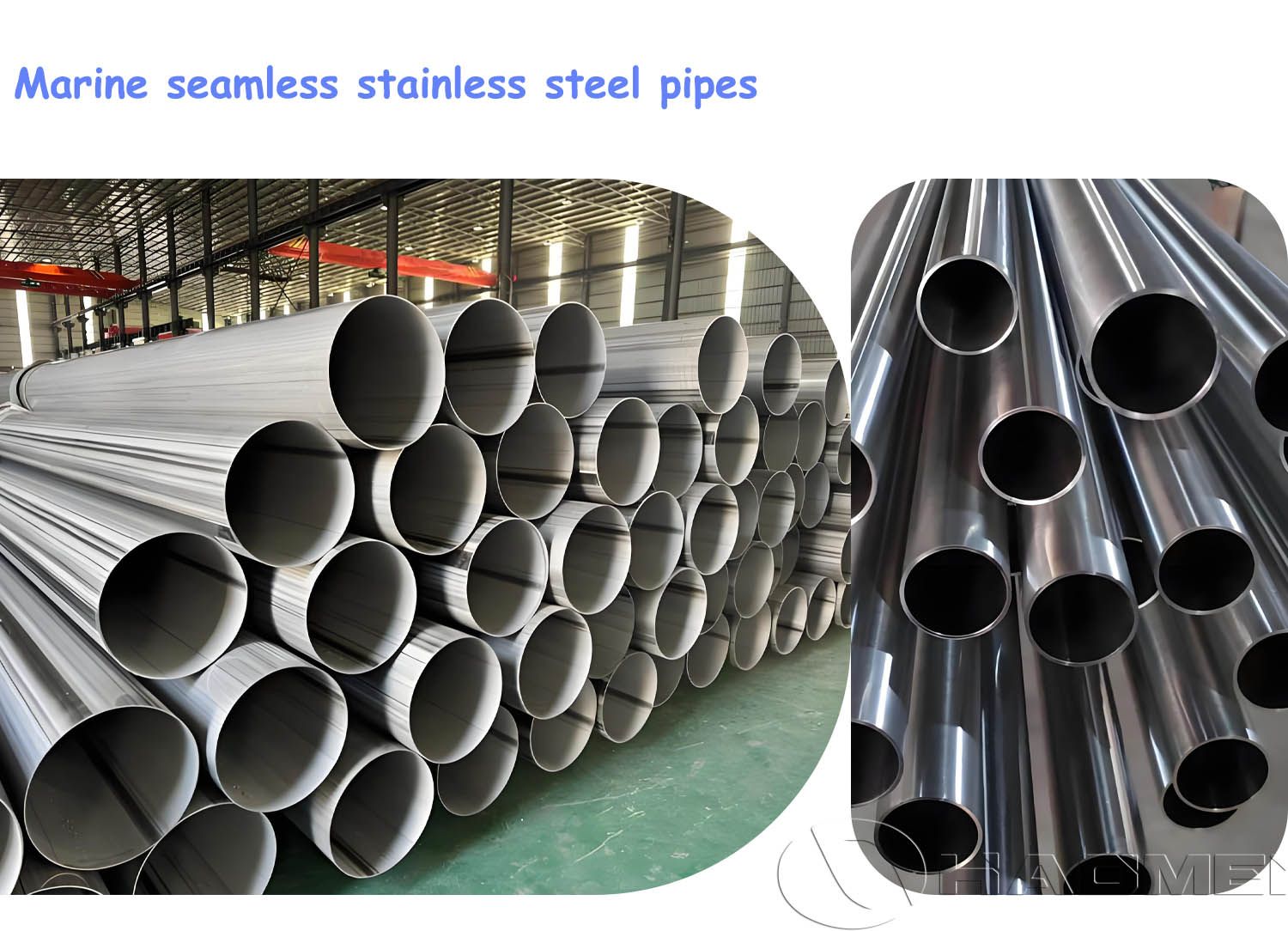
1. Excellent Corrosion Resistance
The chromium content in stainless steel forms a dense passive film on the surface, effectively resisting oxidation and corrosion. In marine environments, molybdenum-containing stainless steels such as 316L, 317L, and 904L perform particularly well.
2. Higher Structural Reliability
The seamless structure eliminates corrosion risks and strength reduction caused by weld defects, making seamless stainless steel pipes especially suitable for high-pressure or critical piping systems.
3. Good Erosion-Corrosion Resistance
Under flowing seawater conditions, seamless stainless steel pipes can maintain a stable surface condition and reduce the risk of wall thinning.
4. Excellent Mechanical Properties
Seamless stainless steel pipes offer good strength, toughness, and fatigue resistance, making them suitable for vibration and complex load conditions.
5. Long Service Life
With proper material selection and maintenance, stainless steel pipes can achieve a service life of more than 20 years in marine environments.
6. Clean and Smooth Surface
Seamless stainless steel pipes have smooth internal and external surfaces, resulting in low fluid resistance, reduced scaling, and easier cleaning and maintenance.
| Item | Specification |
| Product Name | Seamless Stainless Steel Pipe for Marine Environments |
| Common Materials | 304/304L, 316/316L, 317L, 2205, 2507, 904L |
| Outer Diameter Range | 6 mm - 630 mm or customized |
| Wall Thickness Range | 1 mm - 50 mm or customized |
| Length | 3 m, 6 m, 12 m, or fixed length |
| Process | Hot rolled, cold drawn, cold rolled |
| Surface Treatment | Pickling, polishing, bright annealing, sandblasting |
| Pipe End Type | Plain end, beveled end, threaded end, flange connection |
| Inspection Items | Hydrostatic test, eddy current testing, ultrasonic testing, PMI material identification, etc. |
| Standards | ASTM A312 / A213 / EN 10216, etc. |
Shipbuilding:
Used for fuel pipelines, exhaust systems, and ballast water treatment systems.
Offshore Oil & Gas:
Essential for subsea pipelines, risers, and processing facilities.
Desalination Plants:
Used in seawater intake systems and high-pressure piping systems.
Marine Infrastructure:
Applied in docks, ports, and underwater construction projects.
Power Industry:
Used in seawater cooling systems, condensers, and heat exchangers.
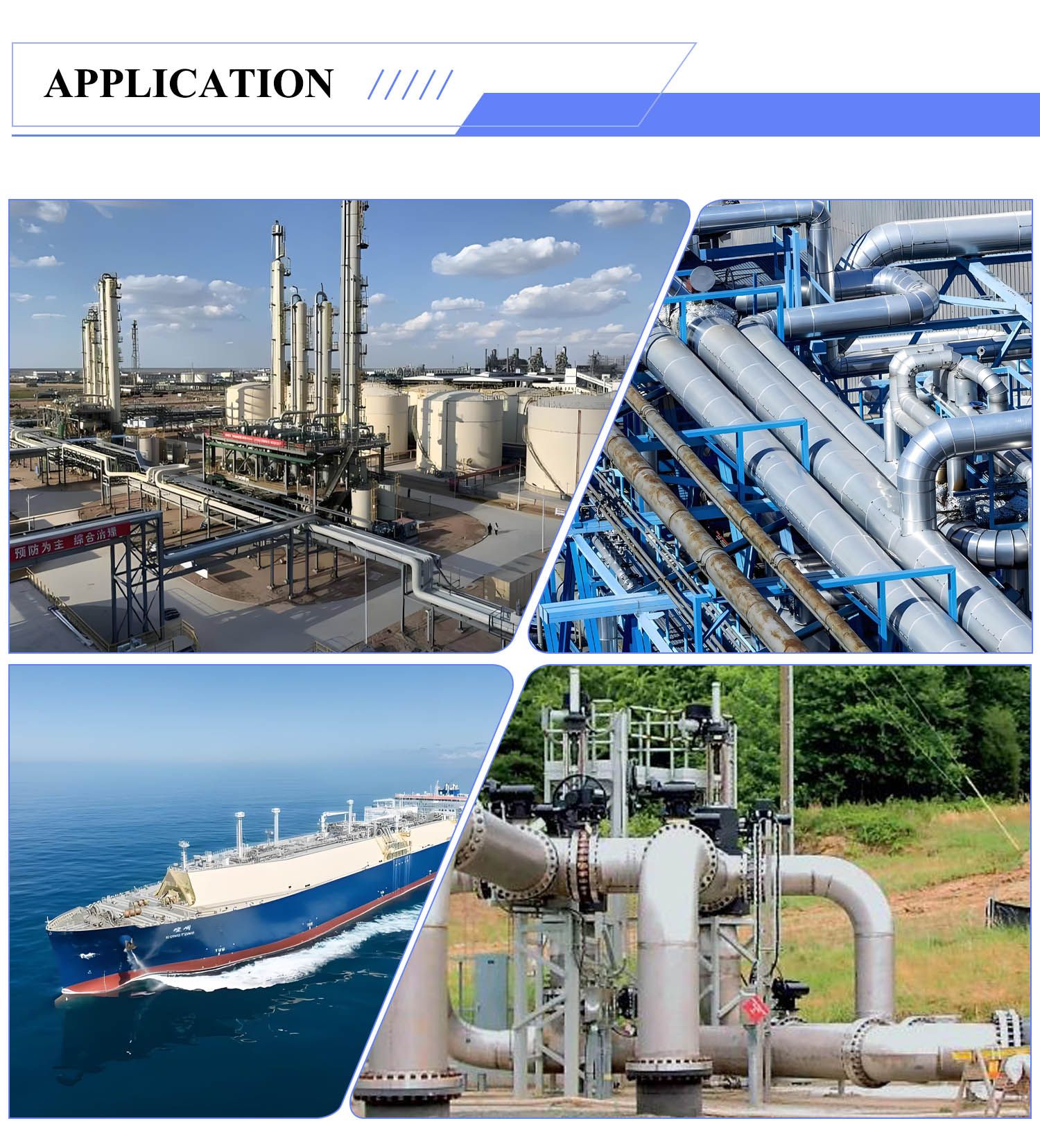
1. Passivation and Pickling
Chemical treatments such as pickling can remove surface contaminants, while passivation enhances the protective chromium oxide layer, improving resistance to marine corrosion.
2. Coatings and Linings
Epoxy and Polymer Coatings:
Provide an additional protective layer to prevent seawater corrosion.
Rubber Lining:
Used in offshore piping systems that transport highly corrosive fluids.
3. Cathodic Protection
Sacrificial Anodes:
Zinc or aluminum anodes help prevent stainless steel corrosion by altering the electrochemical reaction direction.
Impressed Current Systems:
External power sources are used to control corrosion potential in large marine structures.
As a professional stainless steel pipe supplier, we provide a wide range of seamless stainless steel pipe products for marine engineering, shipbuilding, desalination, and coastal industrial projects.
| 316L Seamless Stainless Steel Pipe for Marine Environments | 2205 Duplex Stainless Steel Seamless Pipe | 2507 Super Duplex Stainless Steel Seamless Pipe |
| Marine Seamless Stainless Steel Pipe | Stainless Steel Seamless Pipe for Seawater Pipelines | High-Pressure Seamless Stainless Steel Pipe |
| Large-Diameter Thick-Wall Seamless Stainless Steel Pipe | Customized Non-Standard Seamless Stainless Steel Pipe |
 01
01
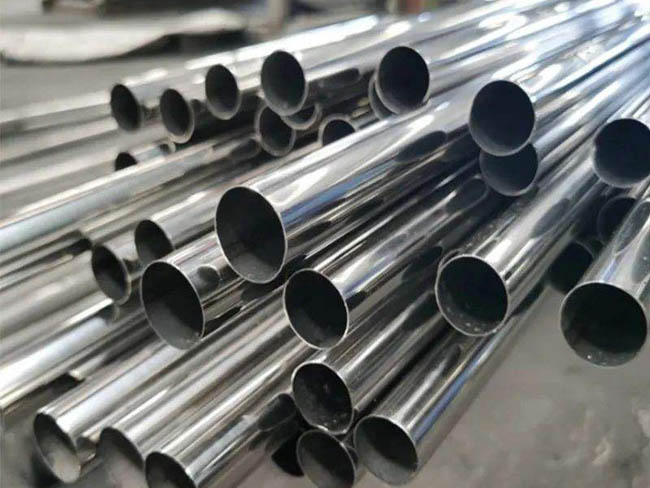
Small diameter seamless steel tubes refer to steel pipes with a relatively small outer diameter and a seamless structure without welding joints. The typical outer diameter range is 6 mm–89 mm. These pipes are manufactured through processes such as piercin
 02
02
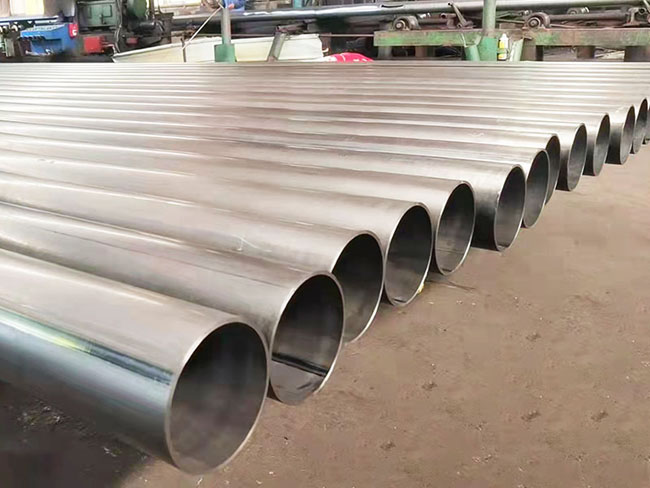
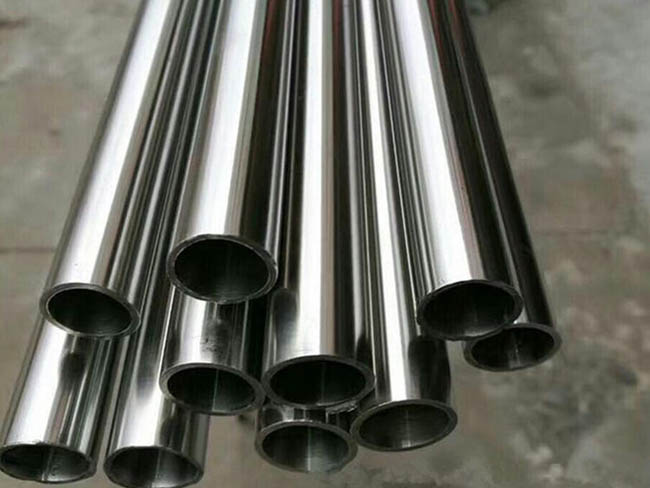
Austenitic seamless stainless steel pipe refers to seamless steel tubing whose microstructure remains stable austenite at room temperature. These steels typically use chromium and nickel as the primary alloying elements. A typical example is 18Cr-8Ni (Gra
 03
03
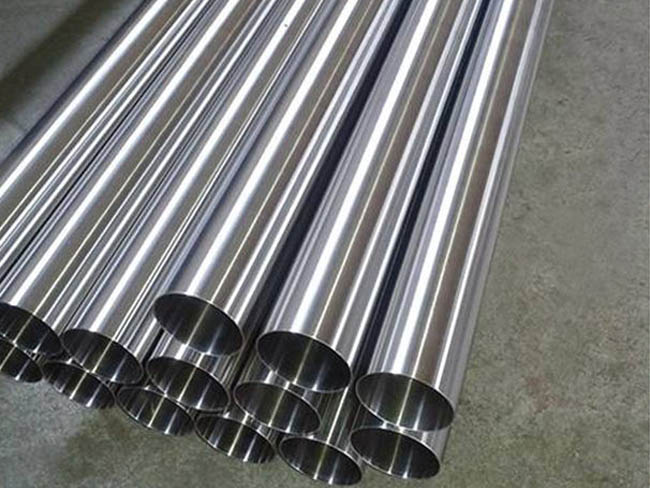
304L stainless steel pipe is produced from the low-carbon version of the widely used austenitic 18-8 stainless steel. The reduced carbon content allows it to be welded without causing localized corrosion. This is because 304L stainless steel produces less
 04
04
TP316 seamless stainless steel pipe offers excellent corrosion resistance and strength for chemical, marine, food, and petrochemical applications. Manufactured to ASTM A312, A213, and EN 10216-5 standards with customizable sizes and finishes.