
-
Email
-
WhatsApp
-
Address
Zhengzhou, China
Zhengzhou, China
 By Hermione
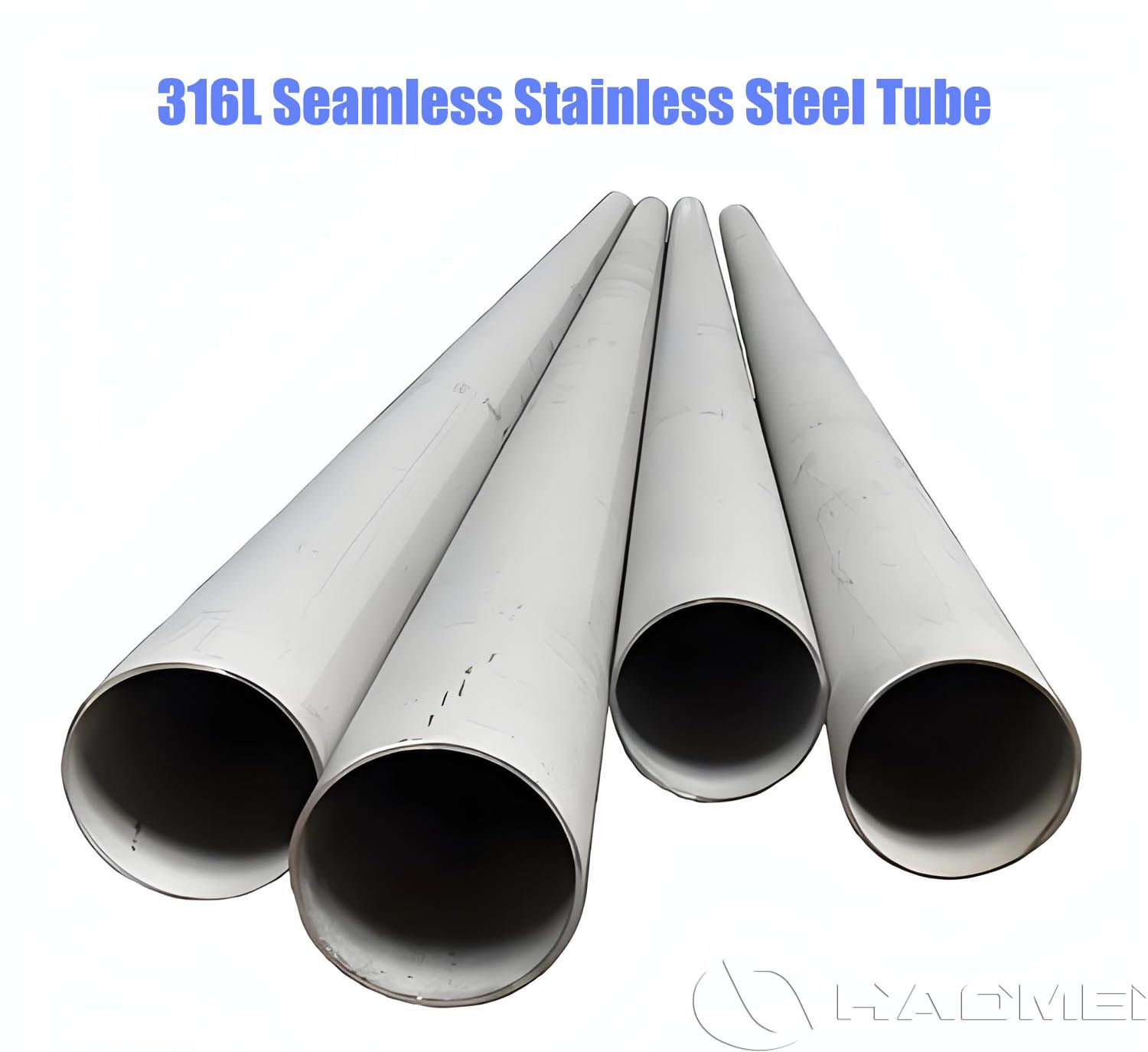
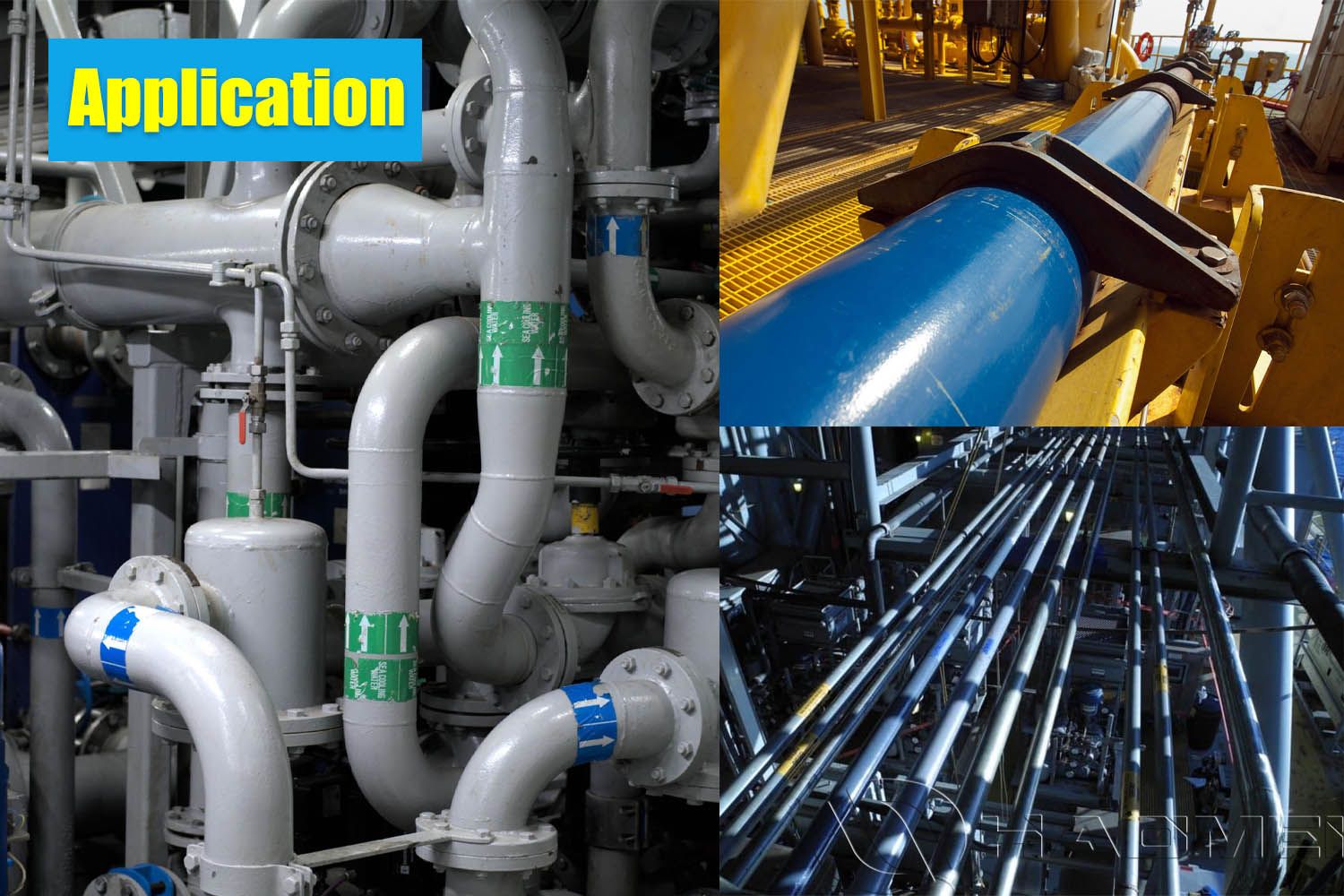
In the fields of shipbuilding and offshore engineering, the selection of piping materials directly affects the safety, reliability, and service life of an entire vessel. Faced with harsh conditions such as high-salinity seawater corrosion, continuous mechanical vibration, and various high-pressure media, 316L seamless stainless steel pipe has become a mainstay of marine piping systems thanks to its outstanding corrosion resistance and mechanical strength.
When selecting specific specifications, SCH 10S, SCH 40S, and SCH 80S represent different wall thickness grades, which directly determine the pressure-bearing capacity and service life of the pipeline.
Marine operating conditions are different from ordinary industrial environments. Marine piping is exposed for long periods to chloride ion attack from seawater, alternating vibration loads, and high/low temperature fluctuations. Ordinary carbon steel and 304 seamless stainless steel pipe cannot meet long-term service requirements. In contrast, 316L seamless pipe offers irreplaceable core advantages.
316L is an austenitic stainless steel containing 2%–3% molybdenum (Mo) in its chemical composition. Compared with 304 stainless steel, which does not contain molybdenum, the addition of Mo significantly improves resistance to pitting corrosion and crevice corrosion in chloride environments such as seawater.
The "L" stands for Low Carbon, with a carbon content of ≤0.03%. This low-carbon design effectively prevents carbide precipitation at grain boundaries during welding, which can otherwise lead to intergranular corrosion. As a result, welded joints can still maintain excellent corrosion resistance without post-weld heat treatment.
Marine Seamless stainless steel pipes generally prioritize seamless pipes. Seamless pipes are produced by piercing, rolling, or drawing solid round billets, meaning there is no weld seam inside the pipe. This avoids electrochemical corrosion caused by non-uniform microstructures at welded areas and gives the pipe excellent overall pressure resistance and fatigue resistance.
1. Excellent Chloride Ion Corrosion Resistance
316L contains molybdenum, which significantly improves the material’s resistance to pitting and crevice corrosion. In seawater, salt spray, and humid air environments, 316L is more stable than 304 stainless steel.
2. Good Weldability
Marine piping systems often require on-site cutting, bending, and welding. Due to its low carbon content, 316L is less likely to suffer severe intergranular corrosion after welding, making it suitable for complex piping installation.
3. Seamless Structure for More Reliable Pressure Resistance
Seamless stainless steel pipe has no longitudinal weld seam, and the pipe body structure is more continuous. It is especially suitable for pressure pipelines, corrosive medium transportation pipelines, and marine systems with high safety requirements.
4. Good Low-Temperature and High-Temperature Adaptability
316L is an austenitic stainless steel with good toughness. It can maintain excellent mechanical properties at low temperatures and is also suitable for hot fluid transportation systems within a certain temperature range.
SCH is the abbreviation for Schedule, commonly referred to as the pipe schedule number. It is not a specific millimeter value, but rather a wall thickness series. The logic is simple: under the same nominal pipe size (NPS), the higher the SCH number, the thicker the wall and the stronger the pressure-bearing capacity.
Common wall thickness grades include SCH 10S, SCH 40S, and SCH 80S. The “S” stands for Stainless Steel, referring specifically to stainless steel pipe wall thickness series under the ASME B36.19 standard.
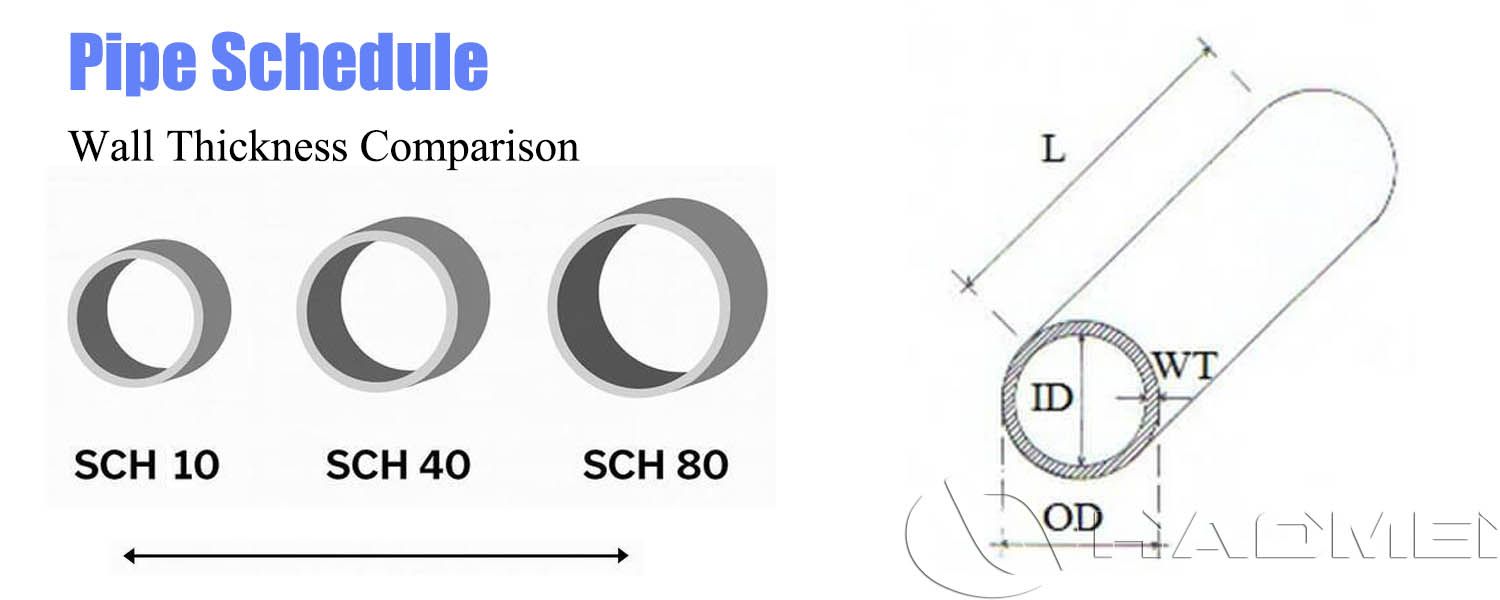
SCH 10S belongs to the thin-wall series. Under the same outside diameter, it has the thinnest wall, which means the largest internal diameter, the lowest fluid resistance, and a very light overall pipe weight.
Commonly Used For:
Low-pressure seawater piping
Drainage pipelines
Ventilation and auxiliary pipelines
Low-pressure cooling water systems
Marine piping systems where weight reduction is important
For vessels, weight reduction is extremely important. Under the condition that the operating pressure requirements are met, SCH 10S can effectively reduce the overall weight of the piping system and improve the economic efficiency of vessel design.
However, if the pipeline needs to withstand higher pressure, strong mechanical impact, or long-term vibration, SCH 10S should be selected with caution.
SCH 40S is a very commonly used wall thickness grade for marine 316L stainless steel pipe. It achieves an excellent balance between structural rigidity, pressure resistance, and material cost, and can withstand alternating mechanical vibration caused by severe vessel motion in waves.
Commonly Used For:
Ship cooling water pipelines
Ballast water systems
Bilge water systems
Deck washing pipelines
General pressure fluid transportation
Offshore engineering auxiliary pipelines
Compared with SCH 10S, SCH 40S has higher mechanical strength and impact resistance, while not being as heavy as SCH 80S. Therefore, it has a wide range of applications.
SCH 80S belongs to the thick-wall pipe series, also known as Extra Strong. It has a very thick wall, excellent tensile strength, strong resistance to external mechanical impact, and sufficient allowance for erosion-corrosion.
Commonly Used For:
High-pressure seawater pipelines
High-pressure liquid transportation systems
Critical equipment connection pipelines
Offshore platform pipelines
Areas with strong vibration or high impact
Systems requiring a higher safety factor
The disadvantages of SCH 80S are its heavier weight, higher material cost, and greater processing and installation difficulty. However, in high-pressure, highly corrosive, and high-safety marine systems, SCH 80S provides more reliable structural protection.
| Nominal Pipe Size (NPS) | Wall Thickness Grade | Outside Diameter (mm) | Wall Thickness (mm) | Theoretical Weight (kg/m) | Relative Pressure Capacity |
| 2" (DN50) | SCH 10S | 60.33 | 2.77 | ~3.93 | Baseline, low pressure |
| SCH 40S | 60.33 | 3.91 | ~5.44 | Increased by approx. 45% | |
| SCH 80S | 60.33 | 5.54 | ~7.48 | Increased by approx. 100% | |
| 4" (DN100) | SCH 10S | 114.30 | 3.05 | ~8.37 | Baseline, low pressure |
| SCH 40S | 114.30 | 6.02 | ~16.10 | Significantly increased | |
| SCH 80S | 114.30 | 8.56 | ~22.30 | Extremely high pressure capacity |
Note: The outside diameter (OD) remains fixed. As the SCH grade increases, the wall thickness increases, the pressure-bearing capacity becomes stronger, and the inside diameter (ID) decreases accordingly.
Seawater cooling systems with extremely high corrosion resistance requirements
Ballast water systems with long-term seawater contact
Fuel oil and lubricating oil systems with high safety requirements
Seawater desalination equipment requiring chloride corrosion resistance
Deck and cabin piping systems
| ASTM A312 TP316L | Commonly used for austenitic stainless steel seamless and welded pipes. It is one of the most common standards for 316L stainless steel pipe in international trade. |
| ASTM A213 TP316L | Commonly used for seamless stainless steel tubes for boilers, heat exchangers, and heat transfer equipment. |
| EN 10216-5 1.4404 | European standard for seamless stainless steel tubes. Grade 1.4404 corresponds to 316L material. |
ASME B36.19M
A standard for stainless steel pipe dimensions and wall thicknesses, applicable to stainless steel pipe wall thickness series such as SCH 5S, SCH 10S, SCH 40S, and SCH 80S.
If the pipes are used in critical marine systems, they may also need to comply with the requirements of relevant classification societies, such as:
ABS
DNV
LR
BV
CCS
RINA
KR
NK
Whether classification society certification is required should be determined according to project design specifications, shipowner requirements, and actual application areas.
Q1: What is the difference between 316L and 304 stainless steel pipes in marine environments?
316L contains molybdenum (Mo), which significantly improves resistance to chloride ion corrosion, making it more suitable for seawater environments. 304 stainless steel is more prone to pitting and corrosion under salt spray and seawater conditions. Therefore, 316L is a more reliable choice for shipbuilding and offshore engineering.
Q2: Which ship systems are 316L seamless stainless steel pipes suitable for?
316L seamless stainless steel pipes are widely used in multiple key ship systems, including seawater cooling systems, ballast water systems, fuel oil and lubricating oil transportation systems, seawater desalination systems, and engine room high-pressure piping systems. Due to their excellent resistance to chloride ion corrosion, they are especially suitable for long-term seawater contact environments.
Q3: Can 316L seamless stainless steel pipe meet classification society certification requirements?
Yes. 316L seamless stainless steel pipes can generally be supplied with classification society certificates such as ABS, DNV, and LR. However, confirmation must be based on the specific production batch, material test certificate (MTC), and inspection reports.
Q4: Can the size and length be customized?
Yes. 316L seamless stainless steel pipes usually support customization of outside diameter, wall thickness, length, and surface treatment, such as pickling and polishing, to meet different shipbuilding and offshore engineering requirements.
Q5: What are the common delivery conditions?
Common delivery conditions include solution annealed and pickled/passivated. The specific delivery condition should be selected according to the application environment, such as seawater, high temperature, or high pressure.
 01
01
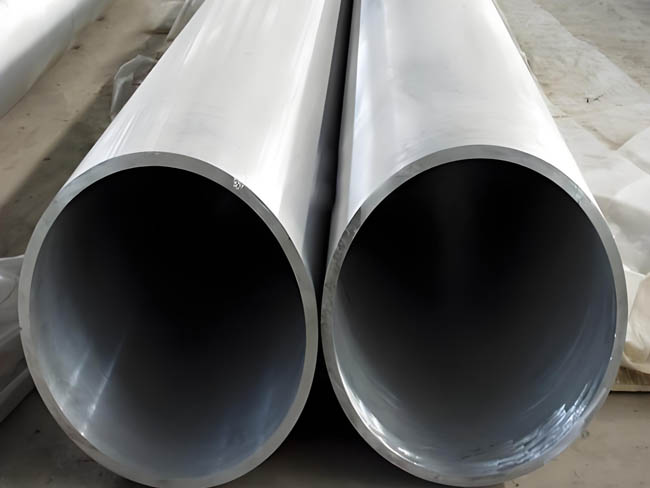
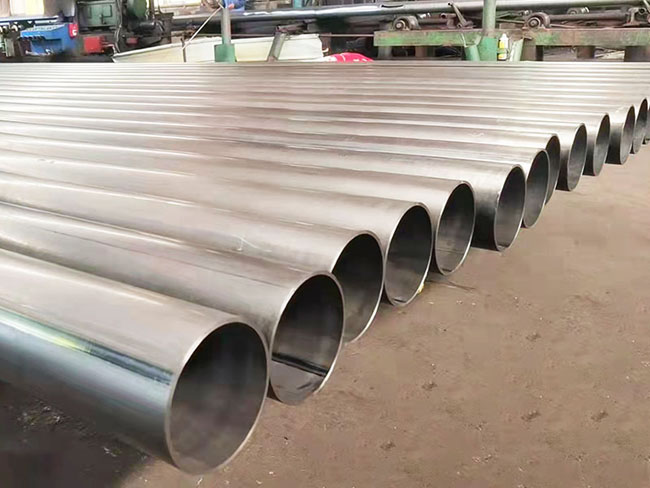
Large diameter seamless steel pipes typically refer to pipes with an outer diameter of 219 mm or larger, and in some cases up to 1020 mm. Compared with standard-size pipes, large-diameter seamless pipes are manufactured using advanced hot rolling or hot e
 02
02
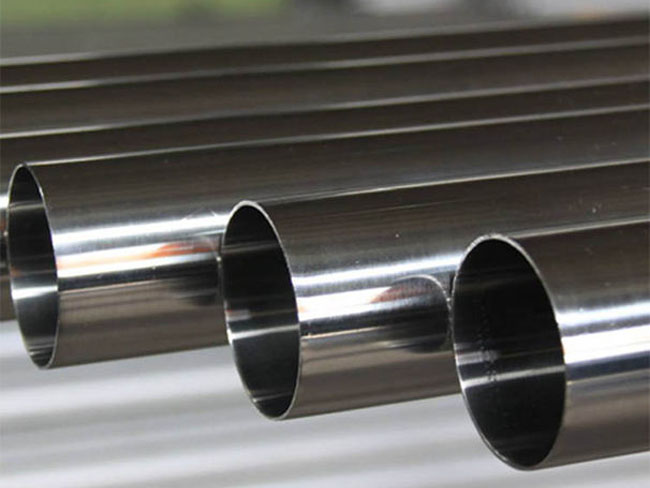
Austenitic seamless stainless steel pipe refers to seamless steel tubing whose microstructure remains stable austenite at room temperature. These steels typically use chromium and nickel as the primary alloying elements. A typical example is 18Cr-8Ni (Gra
 03
03
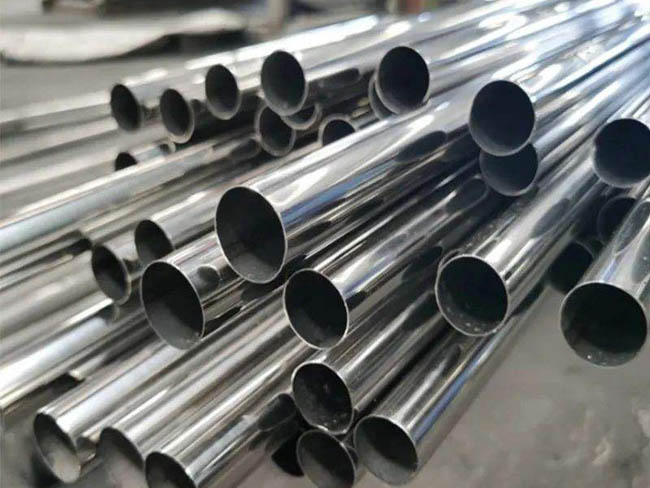
TP316L seamless stainless steel pipe conforms to ASTM A312, A213 and A269 standards, and has excellent corrosion resistance and low carbon welding performance, making it suitable for the chemical, shipbuilding, pharmaceutical and food industries.
 04
04
Small diameter seamless steel tubes refer to steel pipes with a relatively small outer diameter and a seamless structure without welding joints. The typical outer diameter range is 6 mm–89 mm. These pipes are manufactured through processes such as piercin