
-
Email
-
WhatsApp
-
Address
Zhengzhou, China
Zhengzhou, China
 By Hermione
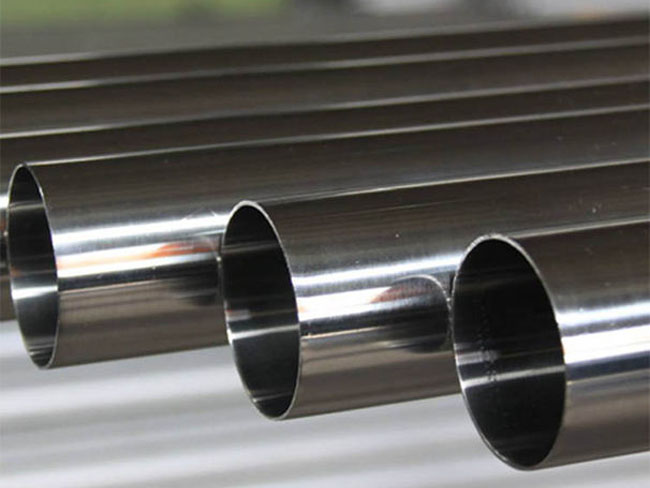
Stainless steel pipe is an economical section steel and an important product in the steel industry. It is widely used in decoration and industrial applications. Common materials include 304, 316, and 904L stainless steel. Stainless steel pipes have a wide range of applications in the national economy.
According to the manufacturing process, stainless steel pipes can be divided into seamless stainless steel pipes and welded stainless steel pipes. So what are the differences between them?
A seamless stainless steel pipe is produced from steel ingots or solid tube billets that are pierced to form a hollow tube, and then processed by hot rolling, cold rolling, or cold drawing.
The surface of hot-rolled pipes is usually pickled, which results in a relatively rough surface and larger dimensional tolerance. In contrast, pipes produced by cold rolling or cold drawing have a bright surface, smoother finish, and tighter dimensional tolerance. However, the manufacturing process is more complicated and the cost is higher.
Generally, seamless stainless steel pipes are used for precision stainless steel pipe applications and high-performance industrial environments.
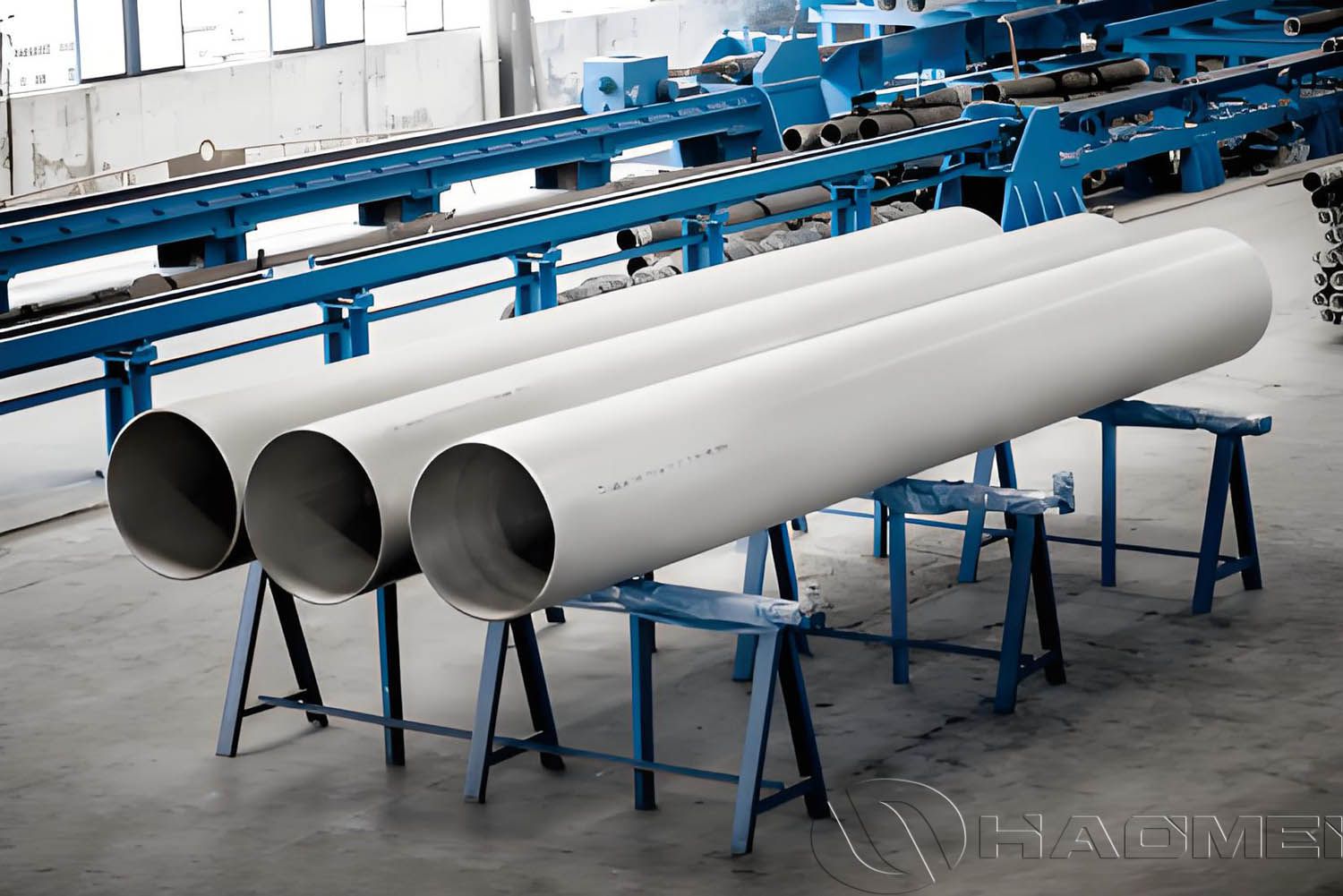
Stainless steel welded pipes are steel pipes produced by forming standard steel materials or steel strips into a tubular shape using specialized machinery and molds, followed by welding. Their production process is straightforward, offering high production efficiency and a wide variety of types and specifications. They are widely utilized across various sectors, including the oil and gas, chemical, construction and decoration, automotive, and food industries.
Seamless Pipe:
Seamless pipes are produced by piercing solid metal billets and then processing them through hot rolling or cold drawing without any welding. This process ensures there are no seams along the entire pipe, providing higher structural integrity and strength.
Welded Stainless Steel Pipe:
Welded pipes are manufactured by rolling stainless steel plates or strips into a cylindrical shape and then joining the edges by welding. Although the manufacturing process is simpler and more efficient, the presence of a weld seam may reduce structural integrity and pressure resistance compared with seamless pipes.
Seamless Pipe:
Since there is no weld seam, seamless pipes have higher pressure resistance and better corrosion resistance. They are widely used in high-pressure equipment, boilers, and heat exchangers.
Welded Stainless Steel Pipe:
Welded pipes generally have lower pressure resistance and are mainly used for medium- and low-pressure pipelines, such as water supply, gas supply, and heating systems. Although they have good corrosion resistance, they may not be as reliable as seamless pipes in high-pressure environments.
Seamless Pipe:
The material composition of seamless pipes is uniform throughout the structure, without segregation or structural discontinuities, resulting in consistent corrosion resistance.
Welded Stainless Steel Pipe:
In welded pipes, the weld area may lead to chromium carbide precipitation, which can reduce local corrosion resistance. However, through solution heat treatment, the corrosion resistance of the weld zone can be restored to a level similar to that of the base metal.
Seamless pipes generally have high surface smoothness and stable dimensional accuracy due to the continuous forming process.
Welded pipes may show rolling marks or weld traces on the surface. Although post-processing can improve the weld appearance, it may still not match the surface quality of seamless pipes.
Seamless Stainless Steel Pipe:
Due to limitations in piercing and cold-drawing processes, the available size range of seamless pipes is relatively limited.
Welded Stainless Steel Pipe:
Because welded pipes are produced by plate forming, they can be manufactured in a very wide range of sizes, from small diameters of only a few millimeters to large diameters exceeding DN3000.
Seamless Pipes:
Seamless pipes are widely utilized in high-pressure and high-temperature environments across industries such as petroleum, natural gas, chemicals, power generation, and boiler manufacturing. Their seamless structure ensures safety and reliability under rigorous operating conditions.
Stainless Steel Welded Pipes:
Welded pipes are primarily employed in construction, interior decoration, furniture manufacturing, and general industrial conveyance applications. They are frequently used for transporting liquids and gases, performing particularly well in low-to-medium pressure environments.
Seamless pipes have a higher cost due to their complex manufacturing processes. They are suitable for applications with strict performance requirements.
Welded pipes have lower production costs and shorter delivery times, making them ideal for large-volume procurement.
Seamless Tubes:
Seamless tubes undergo rigorous quality inspections during the manufacturing process-including ultrasonic testing, eddy current testing, and X-ray testing to ensure that their internal structure is free of defects.
Stainless Steel Welded Tubes:
Inspection of welded tubes focuses primarily on the weld seams; commonly employed inspection methods include ultrasonic testing and X-ray testing. Although the weld seam constitutes a potential weak point, strict quality control measures ensure the safety of the tubes during their operational use.
There is no absolute answer to whether seamless stainless steel pipes or welded stainless steel pipes are better. The key is choosing the product that best fits the application.
If your project involves high pressure, high temperature, strong corrosion, cyclic loads, or extremely high safety requirements (such as boilers, pressure vessels, nuclear industry, and petrochemical core pipelines), seamless stainless steel pipes are the preferred choice.
If you require cost-effective solutions, large diameters, high dimensional accuracy, or applications such as construction and decoration, welded stainless steel pipes are a more economical and practical option.
When purchasing stainless steel pipes, it is recommended to evaluate working conditions, applicable standards, and budget considerations, and to select a qualified and reputable manufacturer to ensure reliable product quality.
Q: Are seamless pipes always better than welded pipes?
A: Not necessarily. Seamless pipes perform better in high-pressure, high-temperature, and highly corrosive environments. However, for many conventional applications, welded pipes can fully meet the requirements and offer lower cost and higher dimensional precision.
Q: Why are seamless stainless steel pipes more expensive than welded pipes?
A: The manufacturing process of seamless pipes is more complex. It involves piercing, hot rolling or cold drawing, heat treatment, and multiple processing steps, which require higher equipment investment and production costs. In addition, the material utilization rate is relatively lower, resulting in higher market prices.
Q: Are welded pipe seams prone to leakage?
A: Modern welding technologies, especially TIG welding and laser welding, combined with non-destructive testing methods such as radiographic inspection and eddy current testing, make welded pipes highly reliable. Weld seams produced by reputable manufacturers can even achieve strength comparable to or higher than the base metal, with an extremely low probability of leakage.
 01
01
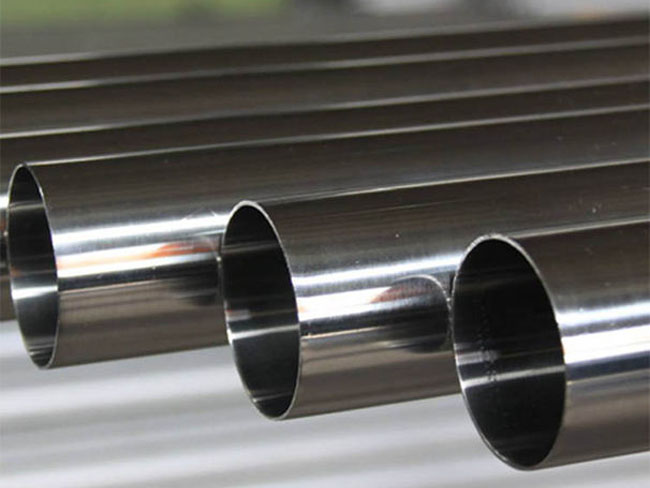
Marine seamless stainless steel pipes are manufactured from austenitic stainless steels such as 304, 304L, 316, and 316L. They feature excellent seawater corrosion resistance and high structural strength, and are widely used in ship piping systems, seawat
 02
02
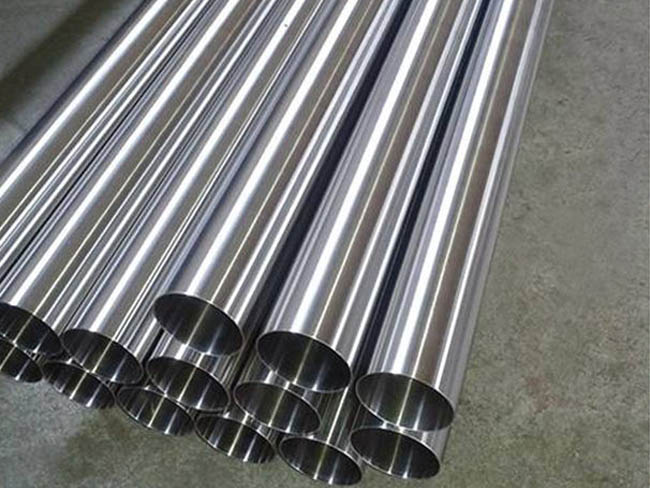
TP316 seamless stainless steel pipe offers excellent corrosion resistance and strength for chemical, marine, food, and petrochemical applications. Manufactured to ASTM A312, A213, and EN 10216-5 standards with customizable sizes and finishes.
 03
03
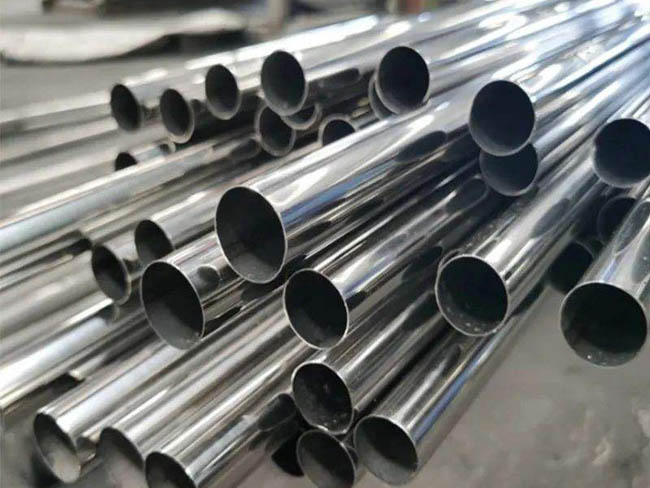
Small diameter seamless steel tubes refer to steel pipes with a relatively small outer diameter and a seamless structure without welding joints. The typical outer diameter range is 6 mm–89 mm. These pipes are manufactured through processes such as piercin
 04
04
TP316L seamless stainless steel pipe conforms to ASTM A312, A213 and A269 standards, and has excellent corrosion resistance and low carbon welding performance, making it suitable for the chemical, shipbuilding, pharmaceutical and food industries.