
-
Email
-
WhatsApp
-
Address
Zhengzhou, China
Zhengzhou, China
 By Hermione
The production of seamless stainless steel pipes has a history of about 100 years. It originated in the late 19th century when the Mannesmann brothers in Germany invented the cross-roll piercing process in 1885. In 1891, the pilger mill was invented. In 1903, Swiss engineer R.C. Stiefel invented the automatic pipe rolling mill, also known as the plug mill. Later, various elongation machines such as continuous rolling mills and pipe jacking mills appeared, gradually forming the modern seamless steel pipe industry.
In the 1930s, the use of three-roll pipe mills, extrusion presses, and periodic cold rolling mills improved the variety and quality of steel pipes. In the 1960s, improvements in continuous rolling mills, the emergence of three-roll piercing mills, and especially the successful application of stretch reducing mills and continuous casting billets greatly improved production efficiency and enhanced the competitiveness of seamless pipes against welded pipes.
In the 1970s, seamless pipes and welded pipes developed side by side, with global steel pipe production increasing at an annual rate of more than 5%.
Since 1953, China has attached great importance to the development of the seamless steel pipe industry and has gradually established a production system capable of rolling various large, medium, and small-sized pipes. Copper pipes are generally also produced through billet cross-roll piercing, pipe rolling, and coil drawing processes.
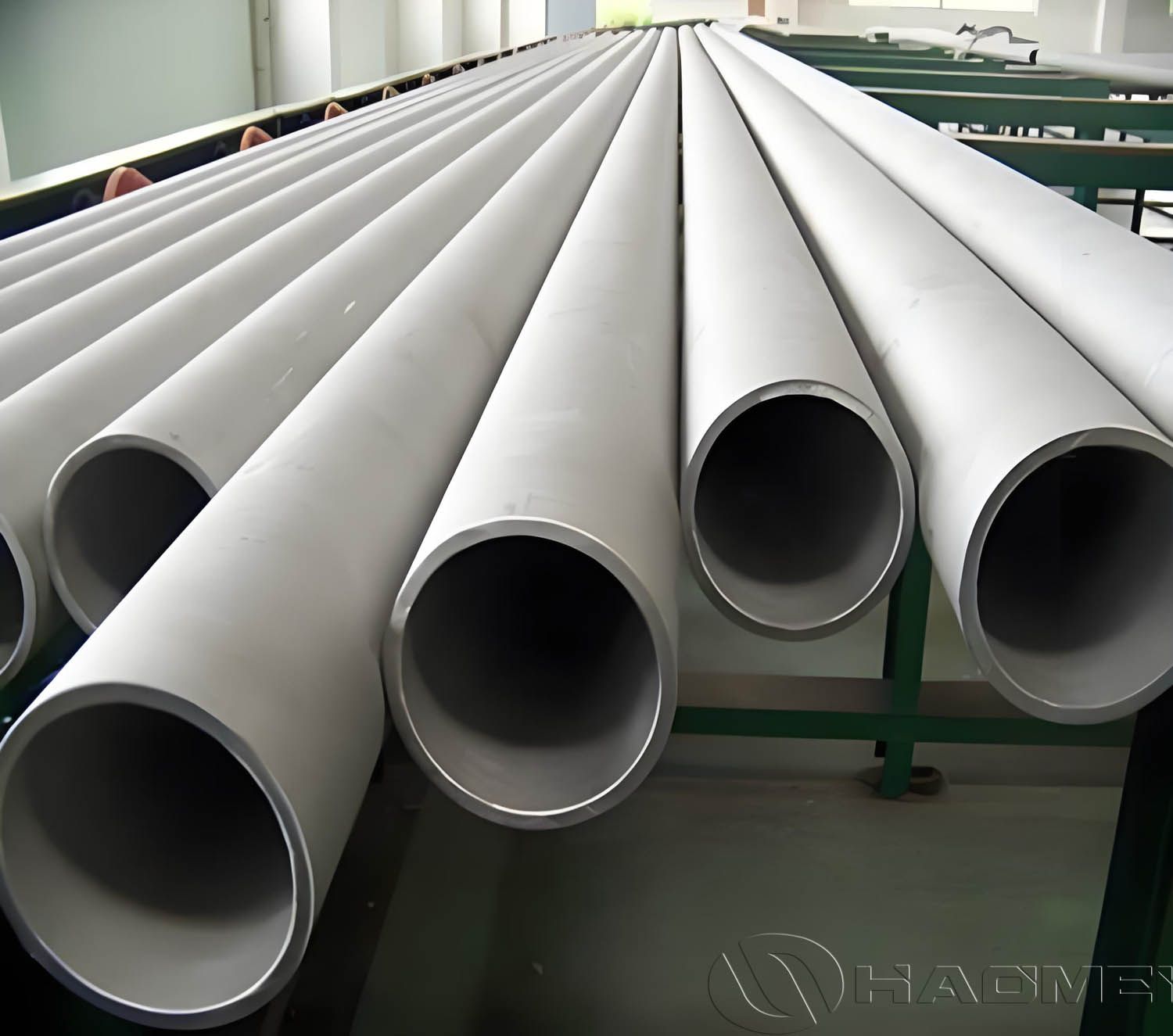
Hot-Rolled Seamless Stainless Steel Pipe
Hot-rolled seamless stainless steel pipes are rolled at high temperatures. Their outer diameter is usually ≥32 mm, with relatively thick wall thickness. The surface may have oxide scale.
Cold-Drawn / Cold-Rolled Seamless Stainless Steel Pipe
Cold-drawn or cold-rolled seamless stainless steel pipes are made from hot-rolled hollow billets through cold processing. They offer higher dimensional accuracy, better surface quality, smaller outer diameters, and thinner wall thickness.
Austenitic Stainless Steel - Most Commonly Used
304 / 304L:
An 18-8 type stainless steel widely used in food processing, chemical industries, and general structural applications.
316 / 316L:
Contains molybdenum, offering better corrosion resistance than 304, especially in chloride environments.
Duplex Stainless Steel - Such as 2205
Duplex stainless steel combines the characteristics of ferritic and austenitic stainless steels. It offers high strength and excellent resistance to stress corrosion cracking.
Seamless Pipes for Structural Use - GB/T 14975-2002
Used for general machinery, chemical transportation, and structural applications.
Seamless Pipes for Fluid Transportation - GB/T 12771-2000
Used for transporting water, oil, gas, and other fluids.
Seamless Pipes for Boilers and Heat Exchangers - GB 13296-2007
Used in high-pressure and high-temperature environments.
Sanitary Seamless Pipes
The inner wall is polished to meet food, medical, and sanitary standards.
Austenitic seamless pipes, such as 304, 316, and 310S
Ferritic seamless pipes, such as 430
Duplex stainless steel seamless pipes, consisting of austenite + ferrite
Including main inspection procedures:
Tube billet preparation and inspection → Billet heating → Piercing → Pipe rolling → Reheating of hollow shell → Sizing / reducing → Heat treatment → Straightening of finished pipe → Finishing → Inspection, including non-destructive testing, physical and chemical testing, and bench inspection → Warehousing
Raw material preparation → Pickling and lubrication → Cold rolling / cold drawing → Heat treatment → Straightening → Finishing → Inspection
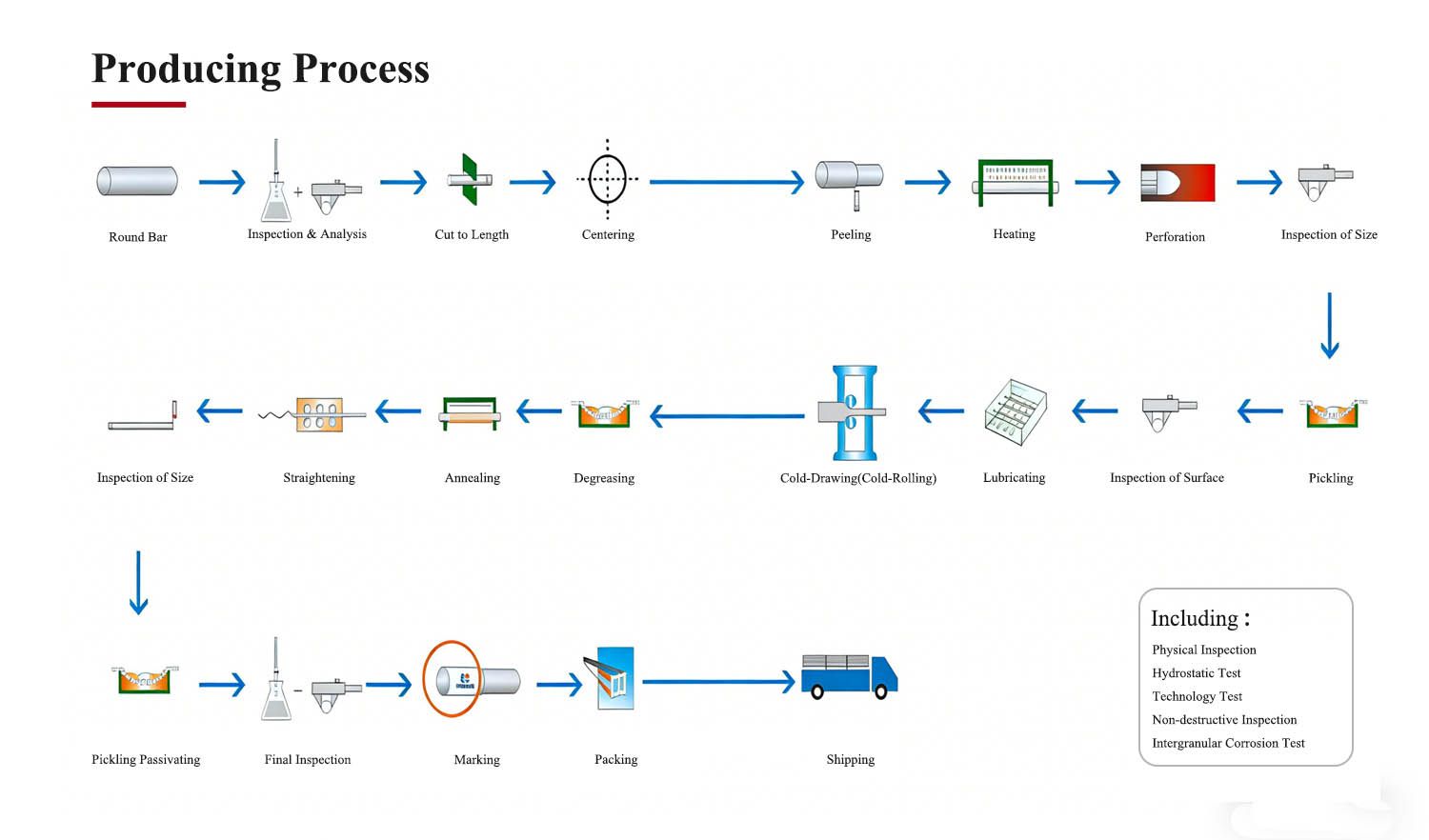
1. Raw Material Preparation
The manufacturing of seamless stainless steel pipes starts with the selection of high-quality raw materials. The main raw material is stainless steel billets that meet relevant standards. Common materials include:
Austenitic Stainless Steel — Such as 304 and 316
These grades offer excellent weldability, formability, and corrosion resistance.
Duplex Stainless Steel — Such as 2205
This material combines the advantages of austenitic and ferritic stainless steels, providing higher strength and better corrosion resistance.
These billets must undergo strict chemical analysis and inspection to ensure that their chemical composition, mechanical properties, and microstructure meet standard requirements.
2. Billet Heating and Pretreatment
The billet is first placed into a heating furnace for uniform heating. The temperature is usually controlled between 1000°C and 1200°C.
After heating, the billet undergoes surface cleaning to remove oxides and impurities, creating favorable conditions for subsequent processing.
3. Piercing Process
Piercing is a key step in seamless pipe manufacturing. After heating, the billet enters a rotary piercing mill to form a hollow shell.
Common piercing methods include:
Rotary Piercing Mill
The billet is formed into a hollow tube under the action of rotating tools. This method is suitable for producing larger-diameter pipes.
Push-Type Piercing Mill
The billet is pushed into rotating tools by a mandrel or push rod for piercing. This method is suitable for producing smaller-diameter pipes.
During the piercing process, temperature, speed, and pressure must be precisely controlled to ensure the accuracy of the hole shape and dimensions.
4. Rolling Process
After piercing, the hollow tube enters the rolling stage. This stage mainly includes two processes:
Hot Rolling
Hot rolling is usually performed at a temperature of 800°C to 1000°C. A series of rolling mills are used to reduce the wall thickness and diameter of the pipe.
Hot rolling can significantly improve the strength and plasticity of the pipe and is an important method for producing large-diameter pipes.
Cold Drawing / Cold Rolling
For pipes requiring higher precision and smoother surfaces, cold drawing or cold rolling is used.
Cold processing can further refine pipe dimensions and improve surface quality.
To obtain the desired mechanical properties and corrosion resistance, the pipes undergo a series of heat treatment processes:
Annealing
The pipe is heated at a high temperature and then slowly cooled to eliminate processing stress and improve weldability and formability.
Solution Treating
Certain alloys are heated to a high temperature and held for a certain period, then rapidly cooled to obtain a uniform microstructure.
Aging
The pipe is heat-treated at a specific temperature for a relatively long time to improve the strength and hardness of the alloy.
6. Straightening and Sizing
After rolling and heat treatment, the steel pipe may have bending or dimensional deviations. Therefore, the following processes are required:
Straightening machine for correcting straightness
Sizing machine for precisely controlling the outer diameter
These processes ensure that the finished product complies with standards such as ASTM, EN, GB, and other specifications.
7. Surface Treatment Process
Surface treatment is an important step to ensure the long-term performance of the pipe. It includes:
Pickling
Dilute sulfuric acid or hydrochloric acid is used to clean the pipe surface, remove oxide scale and rust, and improve surface smoothness and corrosion resistance.
Polishing
Mechanical or chemical methods are used to polish the pipe surface to achieve specific surface finish requirements. This is commonly used in food, pharmaceutical, and sanitary industries.
Coating
Some pipes are treated with anti-corrosion coatings, such as epoxy coatings or polyurethane coatings, to further enhance corrosion resistance.
8. Inspection and Quality Control
High-quality seamless stainless steel pipes must undergo strict inspections, including:
Ultrasonic Testing — UT: Detects internal defects
Eddy Current Testing — ET: Detects surface and near-surface defects
Hydrostatic Testing: Verifies pressure resistance
Spectral Analysis: Confirms chemical composition
Dimensional Inspection: Ensures dimensional accuracy meets standards
FAQ
Q: What is the difference between seamless stainless steel pipe and welded stainless steel pipe?
A: Seamless stainless steel pipe is formed by piercing a solid billet and has no weld seam. It offers higher pressure resistance and a more uniform structure. Welded pipe is made by rolling and welding stainless steel strip. It is lower in cost, but its performance may be slightly inferior in high-pressure, high-temperature, or corrosive environments.
Q: Do you support customized sizes and special specifications?
A: Yes. Most manufacturers support customization, including:
Non-standard outer diameters and wall thicknesses
Special lengths, including fixed length and multiple length
High-precision tolerance control
Q: How is product quality guaranteed?
A: Reliable manufacturers usually provide a complete quality assurance system, including:
Mill Test Certificate, MTC
Non-destructive testing, such as UT / ET
Hydrostatic testing
Third-party inspection, such as SGS or TÜV
Q: What is the delivery time for seamless stainless steel pipes?
A:
Regular stock: 7–15 days
Customized production: 20–45 days
Q: What is the minimum order quantity, MOQ?
A: Different manufacturers have different policies. Generally:
Regular specifications: 1–3 tons
Customized specifications: 3–10 tons
Q: Do you support export and international transportation?
A: Yes. Common export services include:
Standard export packaging, including anti-rust protection and wooden cases or steel frames
Sea freight, air freight, and railway transportation
Complete customs clearance documents, including CO, Form E, invoice, and packing list
 01
01
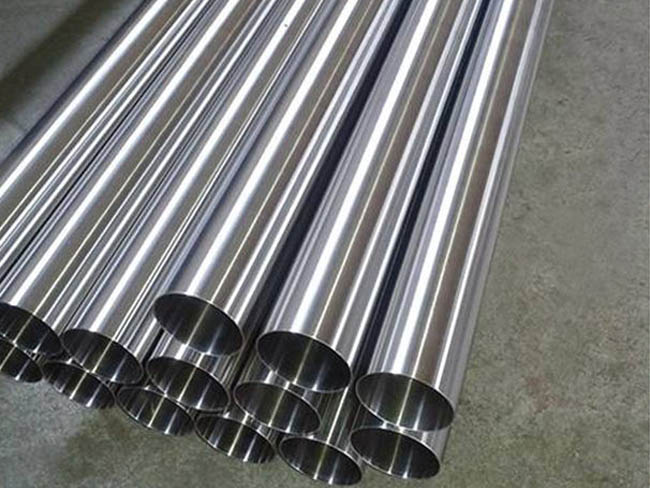
TP316 seamless stainless steel pipe offers excellent corrosion resistance and strength for chemical, marine, food, and petrochemical applications. Manufactured to ASTM A312, A213, and EN 10216-5 standards with customizable sizes and finishes.
 02
02
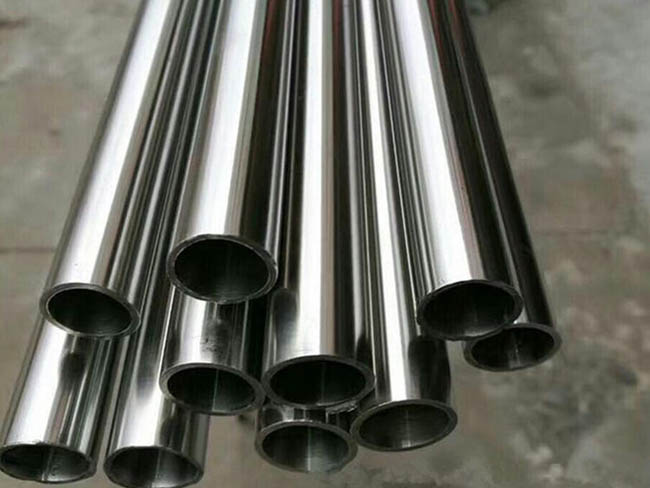
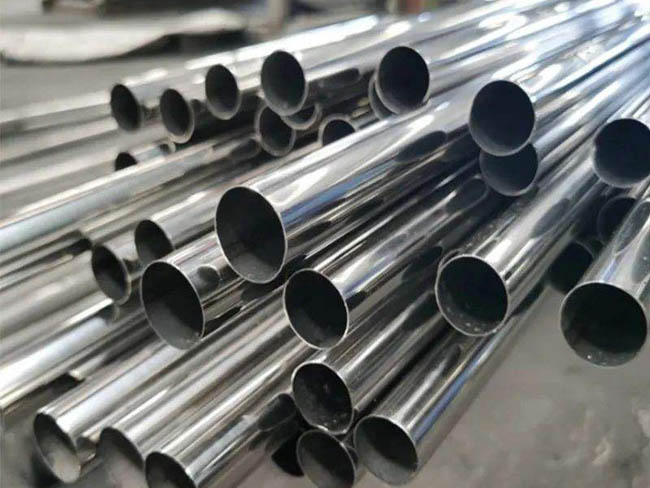
304L stainless steel pipe is produced from the low-carbon version of the widely used austenitic 18-8 stainless steel. The reduced carbon content allows it to be welded without causing localized corrosion. This is because 304L stainless steel produces less
 03
03
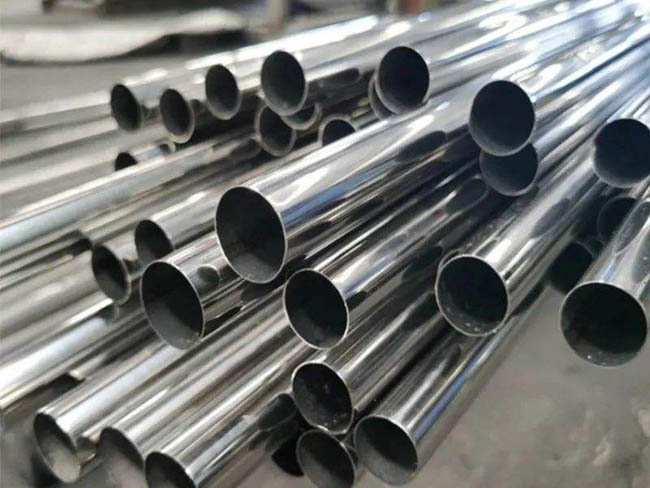
Small diameter seamless steel tubes refer to steel pipes with a relatively small outer diameter and a seamless structure without welding joints. The typical outer diameter range is 6 mm–89 mm. These pipes are manufactured through processes such as piercin
 04
04
TP304 stainless steel seamless pipe (ASTM A312/A213 TP304) is one of the most widely used austenitic stainless steel pipes in industrial applications. With its excellent corrosion resistance, outstanding workability, and stable performance in both high an