
-
Email
-
WhatsApp
-
Address
Zhengzhou, China
Zhengzhou, China
 By Hermione
In industrial piping systems, stainless steel pipes are essential structural components. They are generally divided into two main categories: stainless steel seamless pipes and welded stainless steel pipes.
However, when people hear the term "seamless pipe," a common question arises:
Where exactly is the "seamless" part? And why should you choose it?
This article provides a comprehensive explanation to help you make a more informed decision.
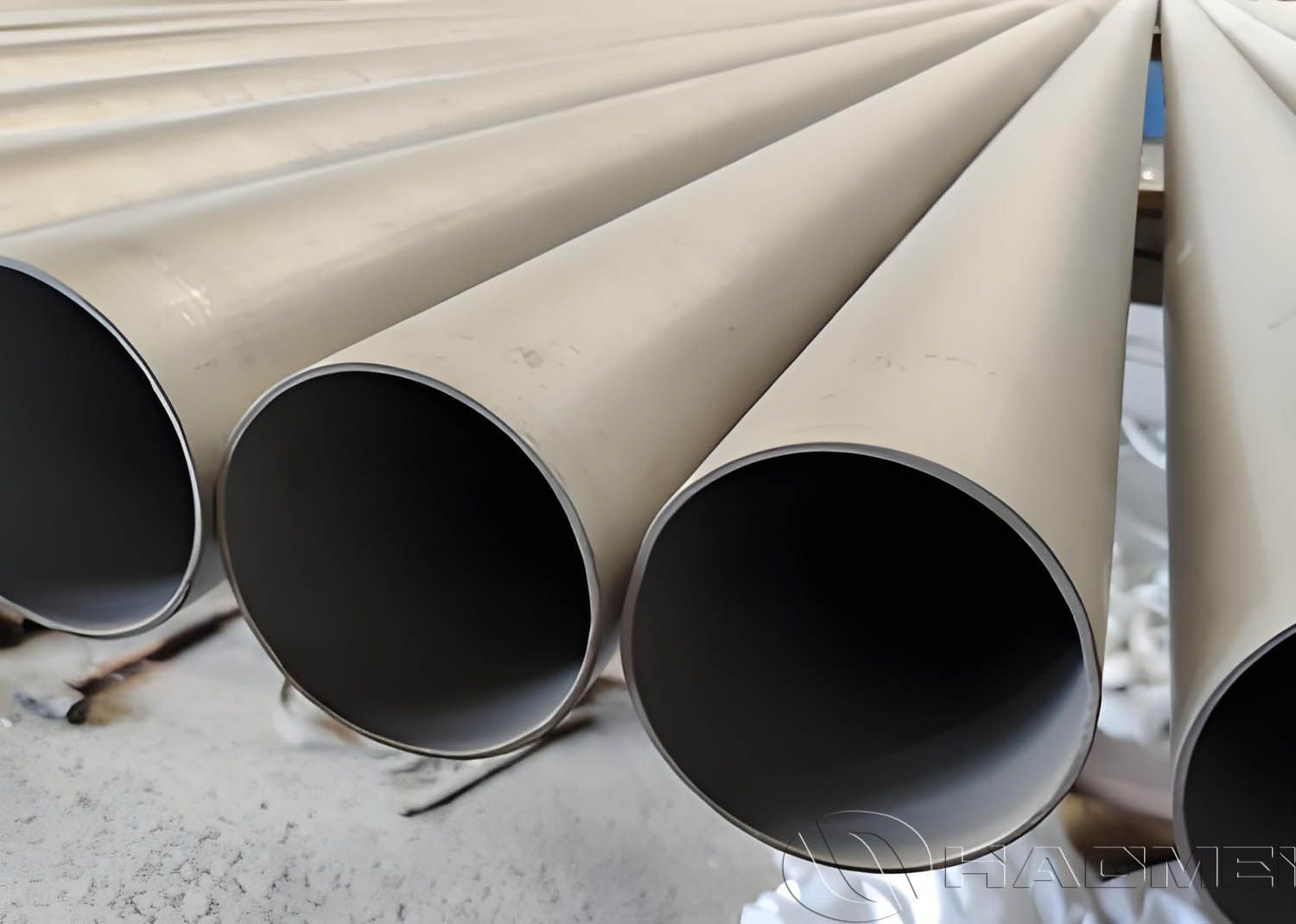
Seamless stainless steel pipes undergo no welding or splicing processes from raw materials to finished products. They are made from solid stainless steel round billets, which are heated to high temperatures and then pierced directly through the center of the billet using a piercing mill to form a hollow tube. This tube then undergoes multiple processes including cold rolling, hot rolling, precision drawing, sizing, and straightening.
The entire pipe is formed as a single piece, completely dense, with no weld seams or splicing joints on the wall. Weld seams are not visible to the naked eye, and there are no weld fusion lines in the metallographic structure, hence the name "seamless pipe."
| Item | Seamless Stainless Steel Pipe | Welded Stainless Steel Pipe |
| Manufacturing | Pierced from solid billet, hot/cold worked | Rolled steel strip welded into pipe |
| Structure | One-piece, no weld seam | Welded joint present |
| Strength Uniformity | High | Weld area may be weaker |
| Pressure Resistance | Excellent | Relatively lower |
| Service Life | Long | Depends on weld quality |
| Cost | Cost | Lower |
| Applications | High-pressure, corrosive, critical systems | Low-pressure, structural, decorative uses |
1. Superior Pressure Resistance
Without the "weak link" of weld seams, seamless pipes distribute pressure evenly across the pipe wall when subjected to internal pressure. Compared to welded pipes of the same specifications, seamless pipes can withstand higher working pressures, making them the preferred choice for high-pressure boilers, hydraulic systems, and high-pressure fluid transportation.
2. Strong Corrosion Resistance
Without the potential hazards of weld seams, seamless stainless steel pipes exhibit balanced resistance to acids, alkalis, oxidation, and chloride ion corrosion. Their service life in the chemical, petrochemical, seawater treatment, food, and pharmaceutical industries is far superior to that of welded pipes.
3. Uniform Wall Thickness and High Precision
Modern manufacturing processes (such as cold drawing and cold rolling) allow for extremely uniform wall thickness in seamless pipes, with inner and outer diameter tolerances controlled within a very small range. This is crucial for precision mechanical parts, medical devices, and high-precision fluid control systems.
4. Excellent Thermal Properties
Seamless stainless steel pipes possess excellent thermal conductivity and are commonly used in heat exchangers and distillation equipment. They maintain structural stability even at high temperatures below 800℃, and are not easily deformed or oxidized.
5. Stable Mechanical Properties
After hot rolling and solution annealing, seamless pipes exhibit uniform and stable tensile strength, yield strength, and toughness. They also possess excellent impact resistance, torsional resistance, and fatigue resistance, making them suitable for stress conditions such as mechanical structures, equipment columns, and fluid pipelines in engineering machinery.
6. High Cleanliness
The smooth inner wall of seamless pipes eliminates weld seams and dead corners, making them less prone to scale buildup and bacterial growth. After pickling, passivation, and fine polishing, they meet the sanitary requirements of food and beverage, pharmaceutical, biopharmaceutical, and pure water transportation industries, unlike welded pipes where impurities and scale easily remain at the weld seams.
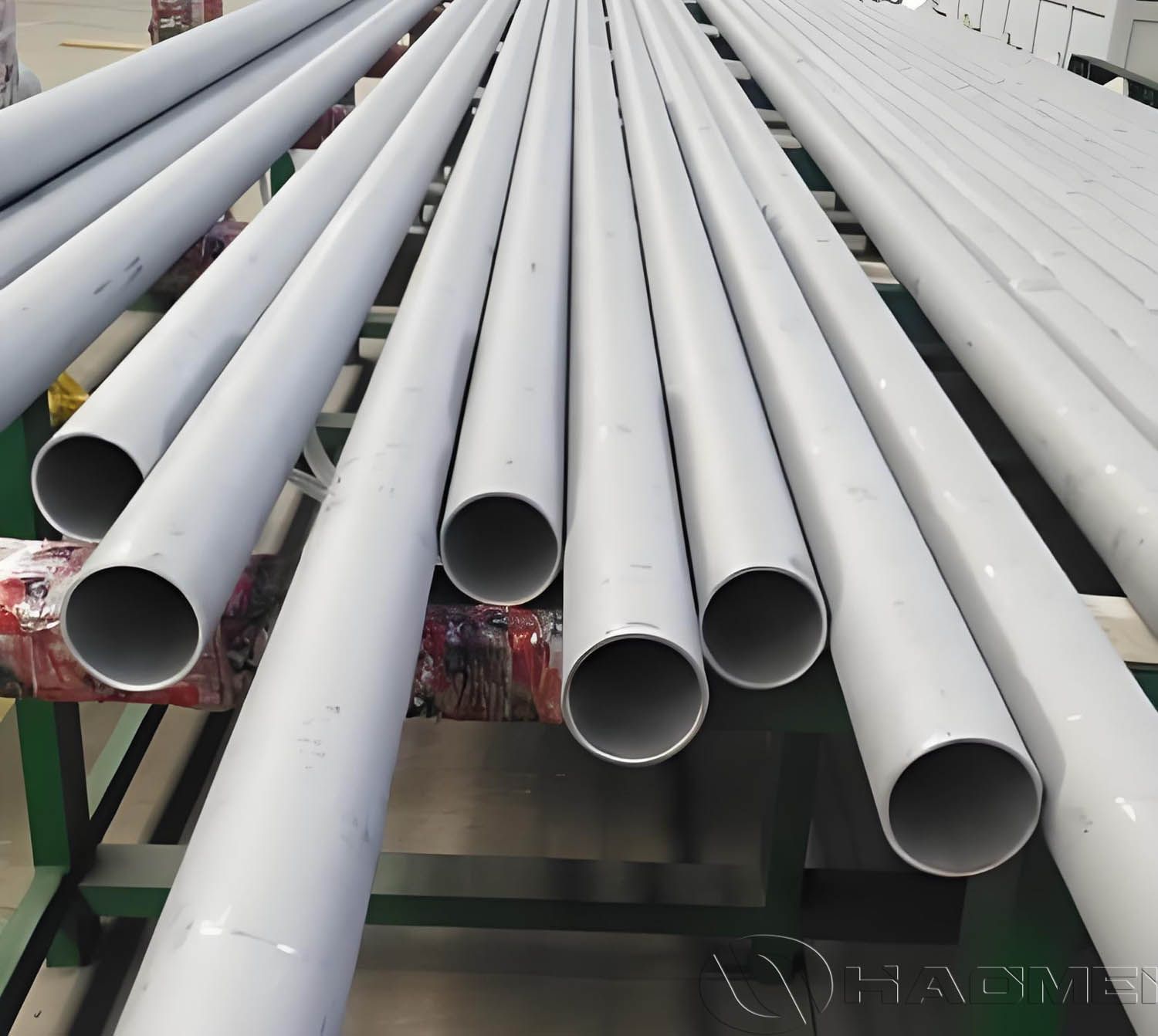
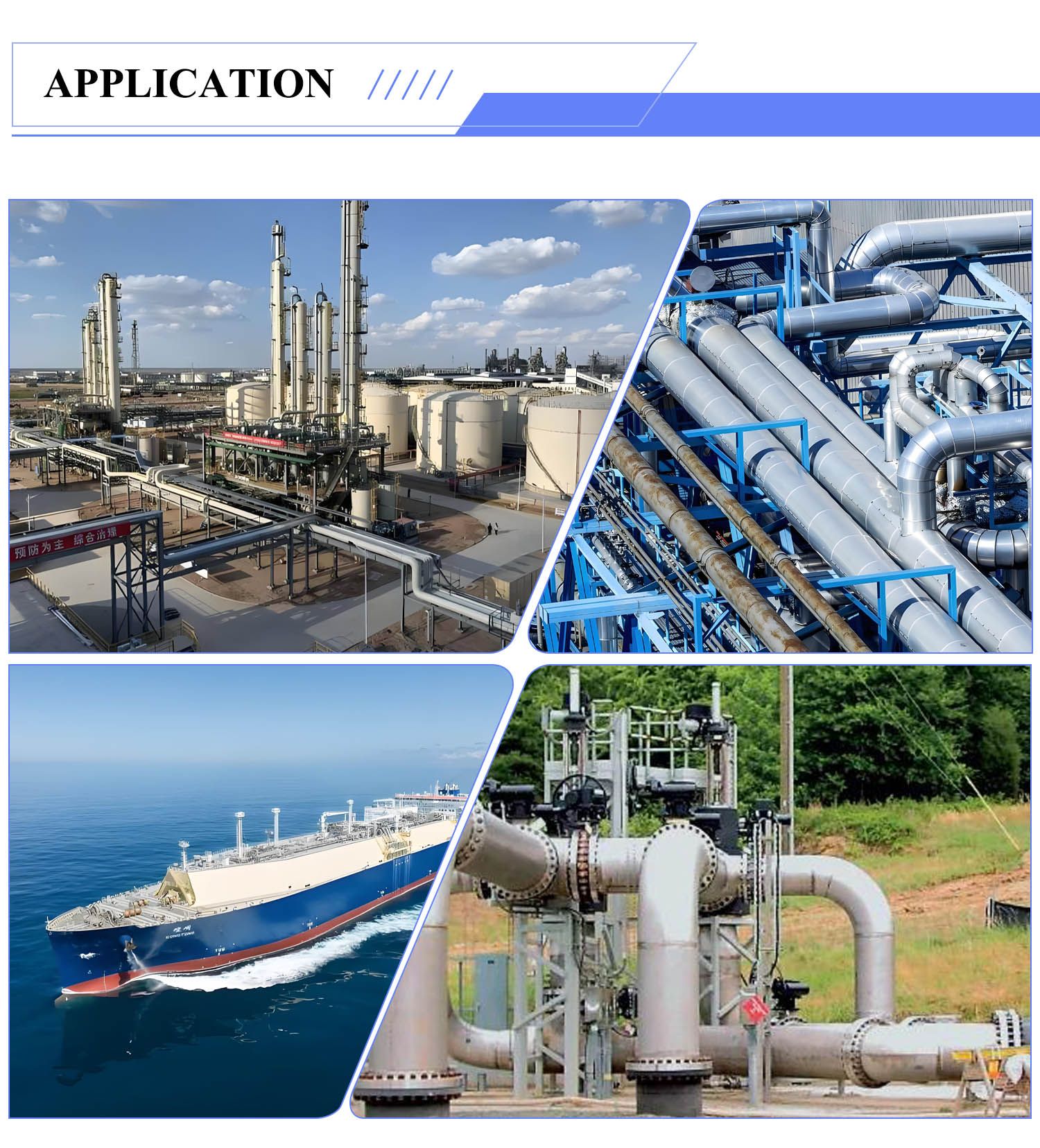
Stainless steel seamless pipes serve as the "lifelines" of many high-end industries:
Marine Engineering
Especially 316L pipes, used in offshore platforms, ship pipelines, and desalination systems due to excellent resistance to salt corrosion.
Oil & Gas / Petrochemical
Used for transporting high-temperature and high-pressure corrosive media, ensuring leak-free operation.
Food & Pharmaceutical
Smooth, contamination-free surfaces make them essential for hygienic production lines.
Energy & Power
Critical components in nuclear and thermal power plants, especially in heat exchange systems.
1. Application Environment
High pressure / high temperature → choose seamless pipes
Highly corrosive environments → seamless pipes reduce maintenance risks
2. Cost Consideration
Although seamless pipes have higher initial costs, they offer:
Longer service life
Lower maintenance costs
Better long-term ROI
3. Standards and Certification
Ensure compliance with international standards such as:ASTM,EN,ISO
This guarantees product reliability and quality consistency.
4. Supplier Capability
Choose a supplier with:
Advanced manufacturing equipment
Complete quality inspection systems
Proven industry experience
This minimizes quality risks and ensures stable supply.
 01
01
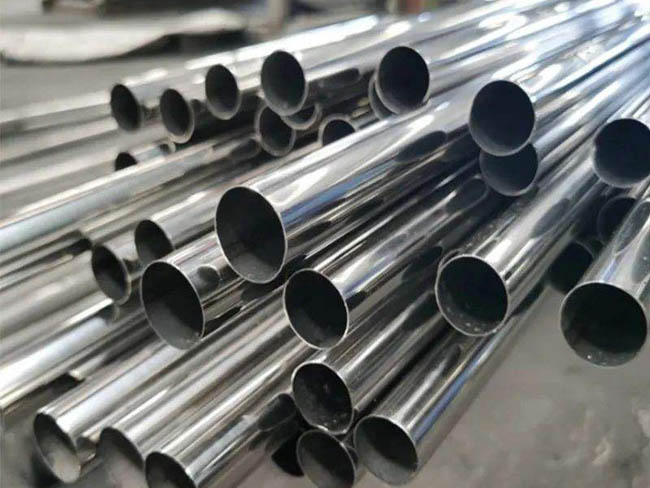
Austenitic seamless stainless steel pipe refers to seamless steel tubing whose microstructure remains stable austenite at room temperature. These steels typically use chromium and nickel as the primary alloying elements. A typical example is 18Cr-8Ni (Gra
 02
02
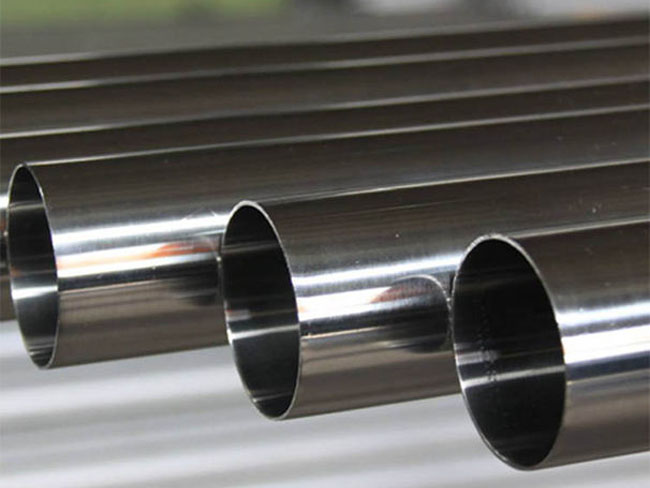
Small diameter seamless steel tubes refer to steel pipes with a relatively small outer diameter and a seamless structure without welding joints. The typical outer diameter range is 6 mm–89 mm. These pipes are manufactured through processes such as piercin
 03
03
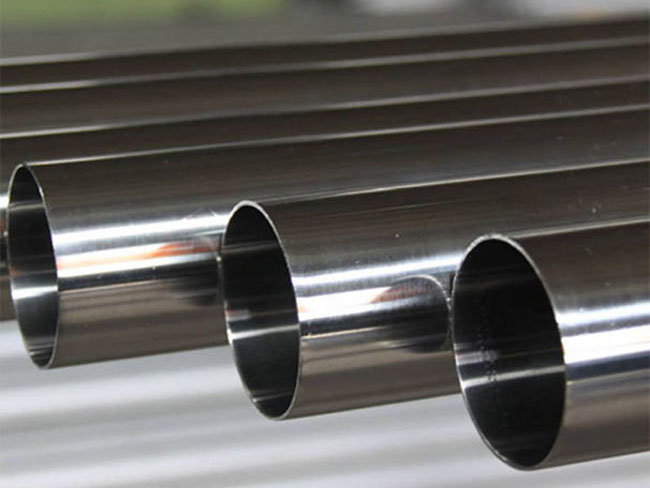
TP316L seamless stainless steel pipe conforms to ASTM A312, A213 and A269 standards, and has excellent corrosion resistance and low carbon welding performance, making it suitable for the chemical, shipbuilding, pharmaceutical and food industries.
 04
04
Duplex stainless steel pipe consists of approximately equal proportions of ferrite and austenite stainless steel phases. It combines the high strength of ferritic stainless steel with the toughness of austenitic stainless steel. Its yield strength is gene