
-
Email
-
WhatsApp
-
Address
Zhengzhou, China
Zhengzhou, China
 By Hermione
Imagine this: a ten-thousand-ton ocean-going vessel cutting through rough waves at sea. From ballast water and bilge discharge to fuel transfer and high-pressure fire-fighting systems, the onboard pipelines must withstand high pressure, severe vibration and the relentless corrosion of seawater every day.
So, under such extreme conditions, what kind of material can operate reliably for decades without failure, rust or leakage?
The answer is - marine 316L seamless stainless steel pipe.
316L stainless steel is a chromium-nickel-molybdenum austenitic stainless steel under the American AISI standard. Its chemical composition contains approximately 2%-3% molybdenum (Mo), which gives it excellent corrosion resistance in high-chloride environments such as seawater.
The letter "L" stands for low carbon content, with carbon content ≤0.03%. This greatly reduces the risk of corrosion in welded areas.
"Seamless" means the entire pipe has no welded seam and is formed through hot extrusion or cold drawing processes. For marine high-pressure systems, such as hydraulic pipelines and fuel injection pipelines, the seamless structure eliminates the risk of weld seams becoming potential failure points.
| C | Si | Mn | S | P | Cr | Ni | Mo |
| ≤0.030 | ≤1.00 | ≤2.00 | ≤0.030 | ≤0.035 | 16.00–18.00 | 12.00–15.00 | 2.00–3.00 |
| Item | Parameter Range |
| Outer Diameter | 6 mm – 630 mm |
| Wall Thickness | 1 mm – 40 mm |
| Length | Fixed length available |
| Standards | ASTM A312 / A213 / EN 10216 |
| Surface | Pickled, polished, sandblasted |
| Delivery Condition | Solution annealed |
| Property | Value |
| Tensile Strength σb | ≥480 MPa |
| Proof Yield Strength σ0.2 | ≥177 MPa |
| Elongation δ5 | ≥40% |
| Reduction of Area ψ | ≥60% |
| Hardness | ≤187HB; ≤90HRB; ≤200HV |
| Density | 7.98 g/cm³ |
| Solution Treatment | 1010–1150℃ rapid cooling |
1. Excellent Seawater Corrosion Resistance
The molybdenum content in 316L significantly improves its resistance to chloride ion pitting corrosion. Therefore, it performs exceptionally well in chloride-containing environments and can effectively resist pitting corrosion, crevice corrosion and stress corrosion cracking. It is especially suitable for seawater systems.
2. Excellent Weldability
The low carbon content reduces the risk of carbide precipitation in the heat-affected zone during welding. Good corrosion resistance can be maintained without complicated post-weld heat treatment.
3. Outstanding High-Temperature Resistance
316L stainless steel can maintain stable performance under high temperatures and temperature fluctuations, making it suitable for marine power systems and exhaust systems.
4. Excellent Low-Temperature Toughness
Austenitic stainless steel exhibits even better toughness in low-temperature environments. This makes 316L seamless pipe suitable for low-temperature piping systems on liquefied natural gas vessels.
5. Smooth Inner Wall and Extremely Low Flow Resistance
The precise cold-rolling process gives the pipe a clean and smooth inner wall. This not only helps prevent marine organisms such as barnacles and algae from adhering and scaling, but also reduces fluid resistance and improves the overall energy efficiency of the vessel system.
6. Erosion and Cavitation Resistance
316L stainless steel has moderate hardness and excellent toughness. It shows good resistance when seawater pipelines are exposed to high-speed erosion and bubble collapse caused by cavitation.
7. Long Service Life and Low Life-Cycle Cost
Although the initial purchase cost of 316L seamless pipe is higher than that of carbon steel or galvanized pipe, its maintenance, replacement and downtime costs are significantly reduced over the 20–30 year service life of a vessel.
Life-cycle cost analysis shows that 316L is often a more economical choice in the long run.
8. Hygienic and Safe for Drinking Water Systems
Modern vessels are increasingly equipped with seawater desalination systems. Thanks to its hygienic properties and resistance to biofilm formation, 316L seamless pipe is a preferred material for onboard drinking water systems.
9. Lightweight
With a density of 7.98 g/cm³, it is approximately 20% lighter than carbon steel, helping reduce vessel weight, lower fuel consumption and improve cruising range.
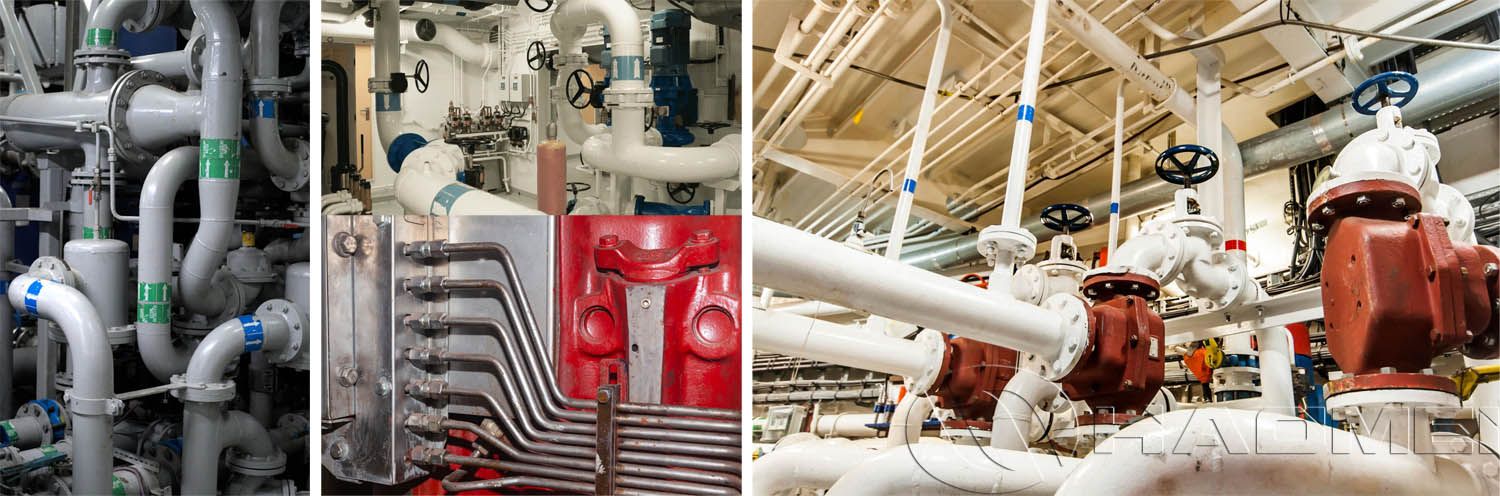
1. Marine Piping Systems
Used in critical pipelines such as fuel transfer, cooling water circulation and ballast water systems.
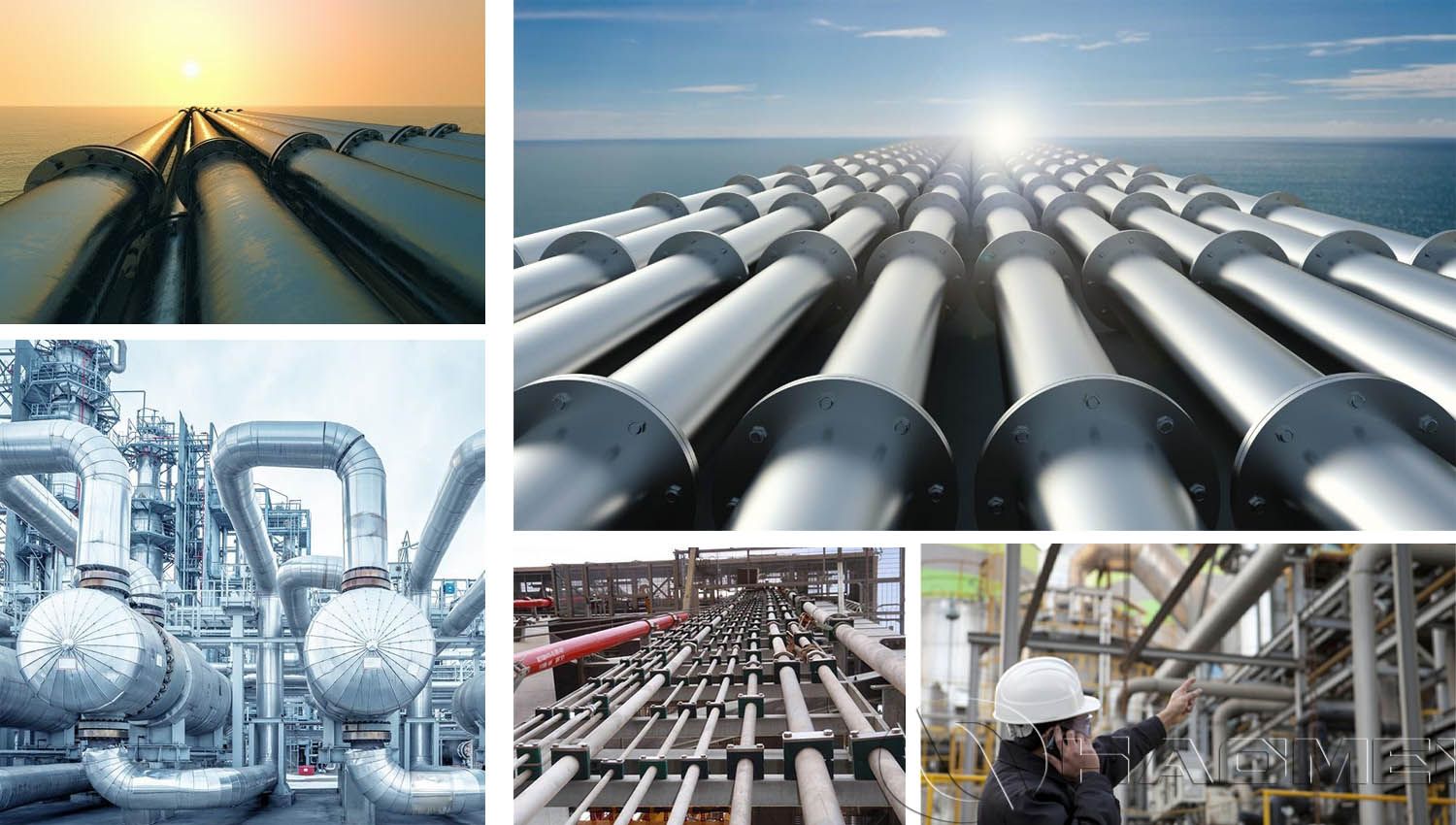
2. Offshore Engineering and Offshore Platforms
Provides long-term corrosion protection in offshore oil platforms, subsea pipelines and other harsh marine environments.
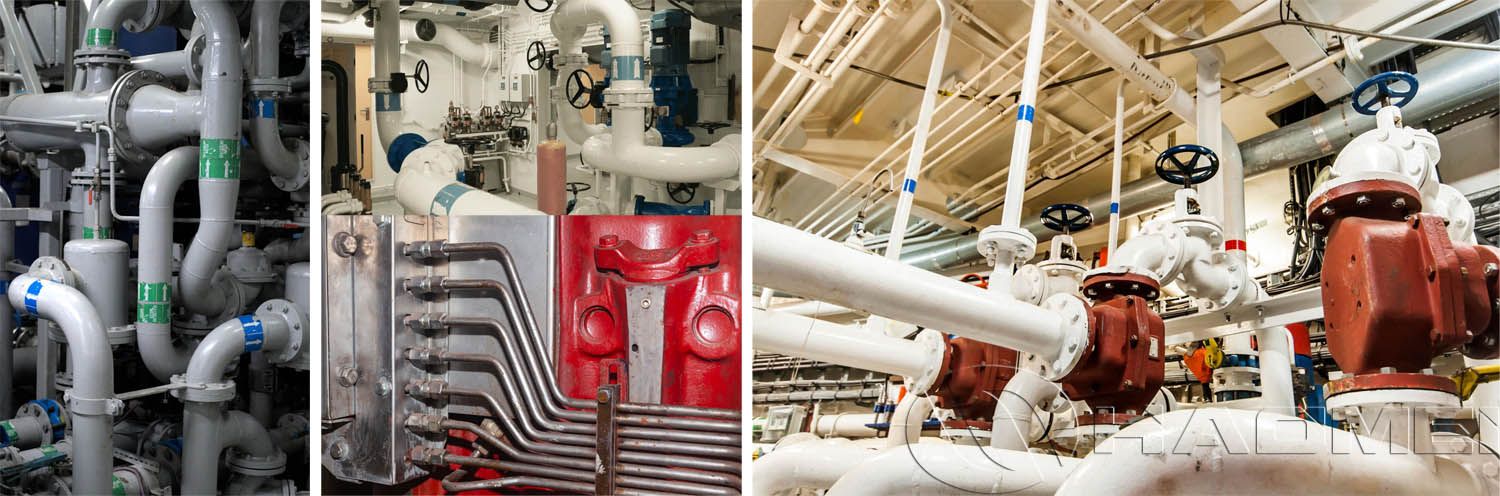
3. Marine Heat Exchange Systems
Used in condensers and heat exchangers to improve system thermal efficiency and extend service life.
4. Seawater Desalination and Domestic Water Systems
Suitable for corrosion-resistant pipelines in reverse osmosis systems and distillation systems.
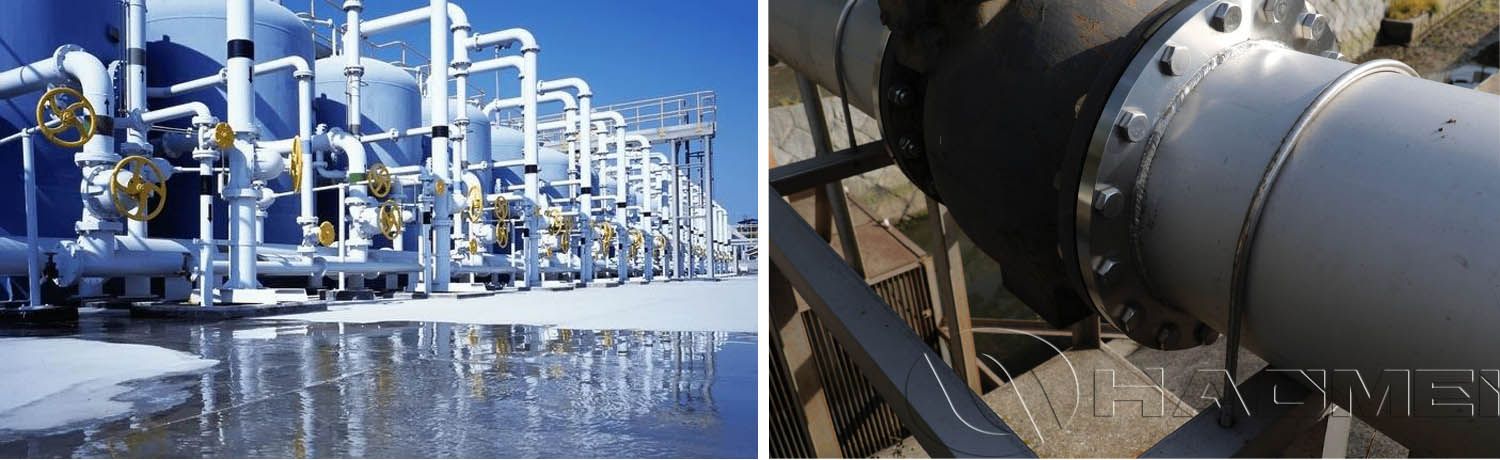
As a high-risk specialized industry, marine seamless stainless steel pipes must strictly comply with international maritime standards and pass factory approval and product certification from major global classification societies.
Our marine 316L seamless stainless steel pipes fully comply with the following standards and specifications:
ASTM A312: Seamless and welded austenitic stainless steel pipes
ASTM A213: Seamless ferritic and austenitic alloy steel boiler, superheater and heat-exchanger tubes
EN 10216-5: European standard for stainless steel seamless tubes
According to project requirements, we can provide material certificates from the following classification societies:
CCS — China Classification Society
DNV — Norway/Germany
ABS — American Bureau of Shipping
LR — Lloyd's Register, UK
BV — Bureau Veritas, France
NK — Nippon Kaiji Kyokai, Japan
RINA — Italy
Material certificates can be provided in accordance with MTC EN 10204 3.1 or 3.2 requirements.
1. Chemical Composition Analysis
An optical emission spectrometer is used to test key elements such as Cr, Ni, Mo and C to ensure compliance with ASTM / EN standard requirements.
2. Mechanical Performance Testing
Tensile strength test
Yield strength test
Elongation test
These tests ensure that the material has sufficient safety margins under high pressure and complex working conditions.
3. Non-Destructive Testing
Ultrasonic testing
Eddy current testing
Radiographic testing, if required
These tests are used to detect internal defects such as pores, inclusions or cracks.
4. Hydrostatic Testing
Hydrostatic tests are performed on each batch of steel pipes to verify sealing performance and pressure-bearing capacity in high-pressure transmission systems.
5. Corrosion Resistance Testing
Salt spray test
Pitting corrosion sensitivity test
These tests simulate marine environments and evaluate long-term corrosion resistance.
6. Dimensional and Appearance Inspection
Outer diameter, wall thickness and length accuracy inspection
Surface quality inspection, including no cracks, scratches, oxide scale or other defects
The price of marine 316L seamless stainless steel pipe is affected by international nickel and molybdenum raw material prices, pipe outer diameter and wall thickness accuracy, and the specified classification society certification, such as 3.1 or 3.2 certificate.
The current price is approximately USD 4,500 – USD 6,500 per ton. The actual price should be subject to the real-time quotation on the day of inquiry.
HAOMEI can produce special wall thicknesses, fixed lengths such as 6 meters or 12 meters, and customized surface requirements including internal pickling and passivation or mechanical polishing. We can customize products according to your project needs.
Q: Why is 316L seamless stainless steel pipe suitable for marine applications?
A: Because it contains molybdenum, 316L has excellent resistance to pitting corrosion and crevice corrosion in seawater and chloride environments. It is an ideal material for marine systems.
Q: What is the difference between seamless pipe and welded pipe?
A: Seamless pipe has no welded seam and has a uniform overall structure. It offers stronger pressure-bearing capacity and is more suitable for high-pressure and critical systems. Welded pipe has a lower cost, but its reliability is slightly lower under extreme conditions.
Q: Can you provide classification society certification?
A: Yes. According to customer requirements, we can provide classification society certifications such as ABS, DNV and LR to meet the requirements of shipbuilding and offshore engineering projects.
Q: Do you support customized sizes?
A: Yes. Outer diameter, wall thickness, length and surface treatment can be customized according to project requirements.
Q: What delivery conditions are available?
A: The common delivery condition is solution annealed, ensuring the best corrosion resistance and mechanical properties.
Q: How long is the service life?
A: Under normal marine conditions, 316L stainless steel pipe can be used for more than 10 years. The specific service life depends on working conditions and maintenance.
Q: Is it suitable for seawater desalination systems?
A: Yes. It is highly suitable, especially in reverse osmosis and distillation systems, where it can resist high-salinity corrosion for a long time.
Q: What is your usual delivery time?
A: For regular specifications with outer diameters from 6 mm to 219 mm, we keep common wall thicknesses in stock and can arrange shipment within 3–7 days at the fastest. For large-volume orders or special non-standard customized specifications, together with classification society inspection schedules, the production lead time is generally around 30–45 days.
 01
01
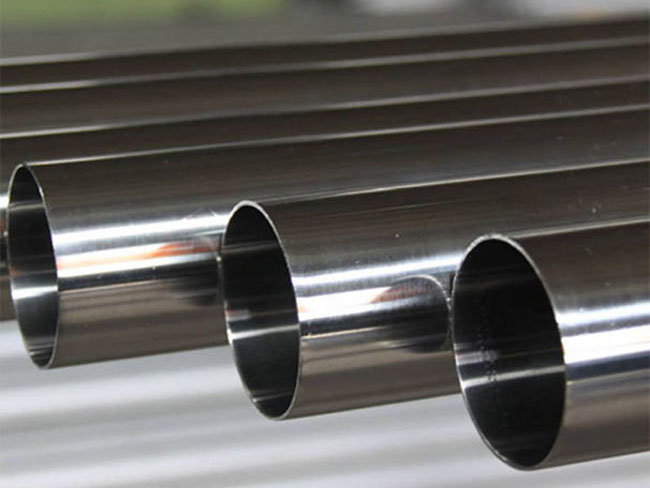
Duplex stainless steel pipe consists of approximately equal proportions of ferrite and austenite stainless steel phases. It combines the high strength of ferritic stainless steel with the toughness of austenitic stainless steel. Its yield strength is gene
 02
02
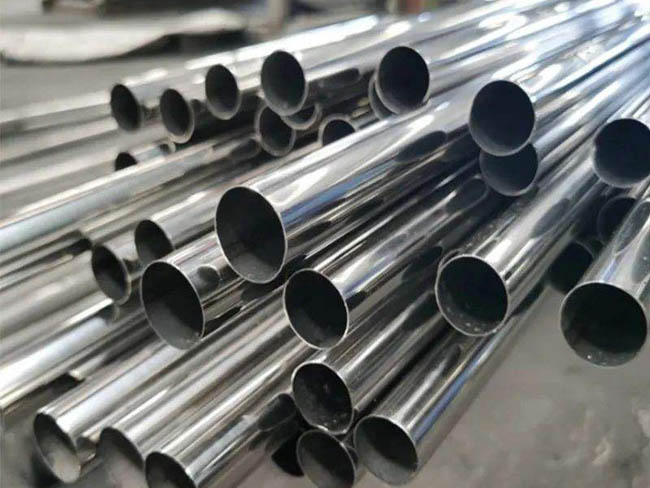
Small diameter seamless steel tubes refer to steel pipes with a relatively small outer diameter and a seamless structure without welding joints. The typical outer diameter range is 6 mm–89 mm. These pipes are manufactured through processes such as piercin
 03
03
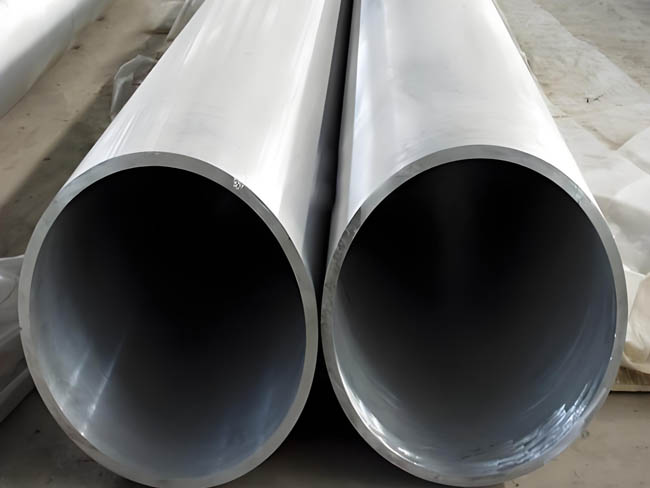
Large diameter seamless steel pipes typically refer to pipes with an outer diameter of 219 mm or larger, and in some cases up to 1020 mm. Compared with standard-size pipes, large-diameter seamless pipes are manufactured using advanced hot rolling or hot e
 04
04
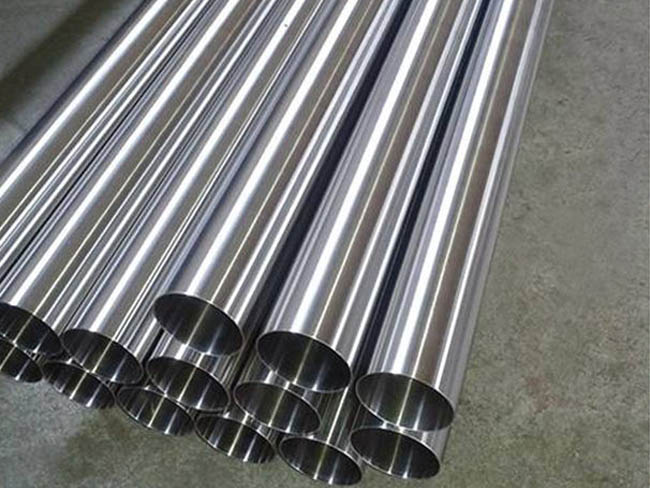
TP316 seamless stainless steel pipe offers excellent corrosion resistance and strength for chemical, marine, food, and petrochemical applications. Manufactured to ASTM A312, A213, and EN 10216-5 standards with customizable sizes and finishes.