
-
Email
-
WhatsApp
-
Address
Zhengzhou, China
Zhengzhou, China
 By Hermione
On the vast and boundless ocean, ships must not only withstand salt spray and corrosive marine environments, but also endure deep-water pressure and heavy loads. For modern shipbuilding, especially high-tech vessels and offshore engineering equipment, material selection directly determines the service life and safety of the vessel.
Compared with ordinary carbon steel pipes, seamless stainless steel pipes have become indispensable materials in the shipbuilding industry due to their excellent corrosion resistance, high mechanical strength, and good resistance to both high and low temperatures.
Whether used in ocean-going cargo ships, oil tankers, chemical tankers, offshore platforms, marine engineering equipment, or military vessels, seamless stainless steel pipes play a key role in fluid transportation, hydraulic systems, exhaust systems, cooling systems, structural support, and many other applications.
Stainless steel seamless pipe is a long steel product with a hollow cross-section and no welded seam. By adding alloying elements such as chromium, nickel, and molybdenum, a protective oxide film is formed on the surface, enabling resistance to corrosion from air, steam, water, and other mildly corrosive media, as well as acids, alkalis, salts, and other chemically corrosive media. It is also known as stainless acid-resistant steel pipe.
Generally speaking, the thicker the wall of a stainless steel seamless pipe, the more economical and practical it is; the thinner the wall, the higher the processing cost. Common materials include 304, 304L, 316, 316L, duplex 2205, and other grades.
The production of seamless pipes mainly adopts the following two mainstream processes, each giving the pipe different performance characteristics:
Hot Rolled / Extruded
Round tube billets are heated, pierced, and elongated. This method offers high production efficiency and is suitable for large-diameter and thick-wall pipes, providing good structural uniformity.
Cold Drawn / Cold Rolled
The tube blank is further processed at room temperature.
Cold rolling provides extremely high dimensional accuracy and excellent internal and external surface finish, with the inner wall as smooth as a mirror.
Cold drawing enables more precise control of small specifications and is often used for high-precision applications such as instrumentation tubing.
| ASTM A312 / A312M | Standard specification for seamless, welded, and heavily cold-worked austenitic stainless steel pipes. |
| ASTM A213 | Standard specification for seamless ferritic and austenitic alloy-steel boiler, superheater, and heat-exchanger tubes. |
| EN 10216-5 | Seamless steel tubes for pressure purposes — stainless steel tubes. |
| GB/T 14976 | Chinese national standard for stainless steel seamless steel pipes for fluid transportation. |
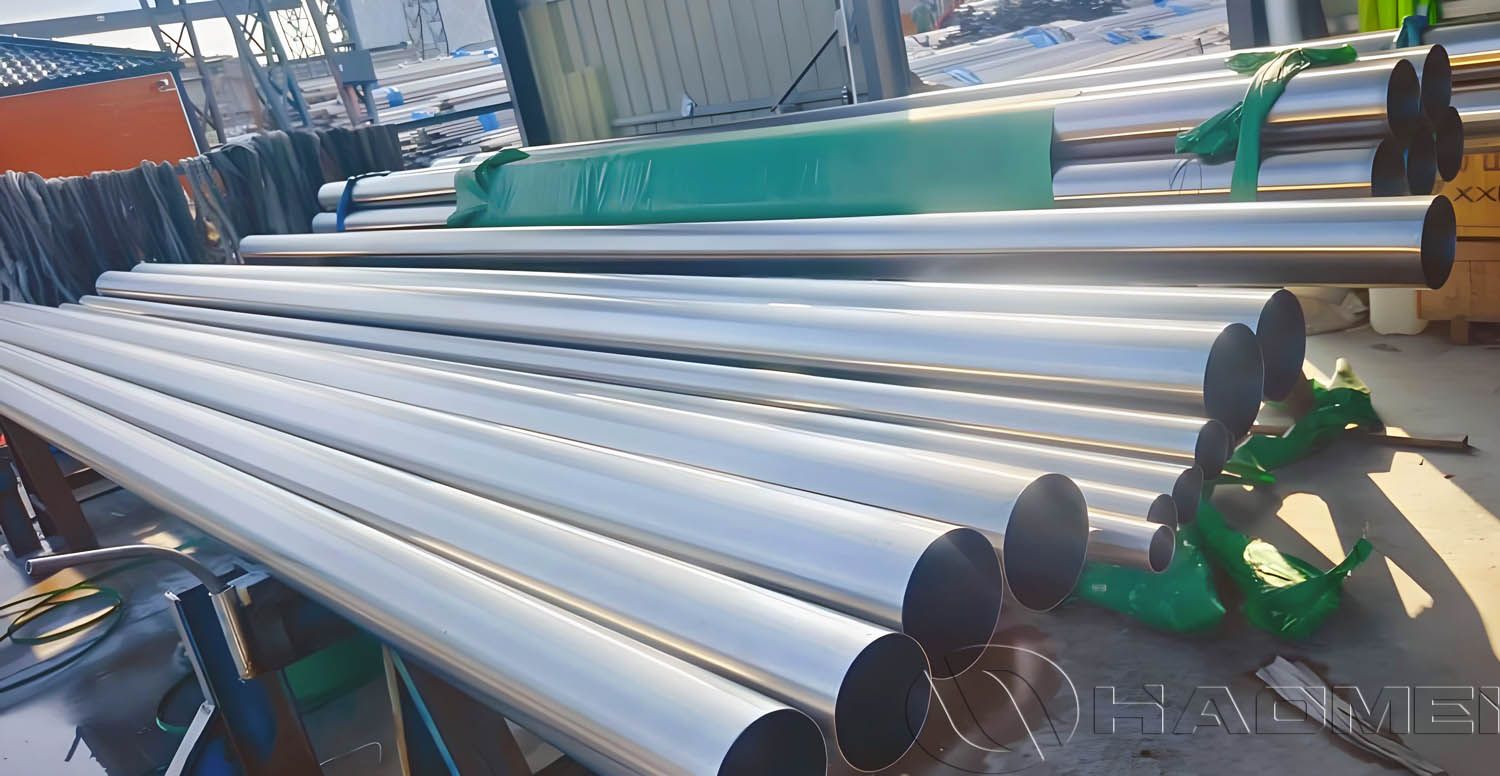
In extreme marine environments involving high pressure and severe corrosion, even the smallest defect in a pipeline may lead to catastrophic consequences. Compared with welded pipes, marine seamless stainless steel pipes offer the following incomparable advantages:
1. Excellent Pressure Resistance
Seamless steel pipes are made by piercing round steel billets, resulting in uniform pipe walls without weld seams. This allows them to withstand higher working pressures, especially in hydraulic systems and high-pressure steam pipelines.
2. Superior Corrosion Resistance
Weld seams are often the first areas where corrosion begins, especially intergranular corrosion. Seamless pipes eliminate this weak point, significantly extending service life in high-salt, high-humidity seawater environments.
3. Smooth Inner Wall and Low Fluid Resistance
Precision manufacturing ensures extremely low internal surface roughness, effectively preventing marine organism attachment and scaling while maintaining stable flow rates over long-term operation.
4. Aesthetic Appearance
Stainless steel has a bright and polished surface, which can enhance the aesthetic appeal of various applications.
5. Versatility
Seamless stainless steel pipes are available in a wide range of sizes and shapes, making them suitable for various applications, including piping systems, heat exchangers, pressure vessels, and structural components.
6. Cost-Effectiveness
Although the initial cost of seamless stainless steel pipes may be higher than that of other materials, their long service life, low maintenance requirements, and resistance to corrosion and environmental factors make them a cost-effective solution in the long run.
7. High and Low Temperature Resistance
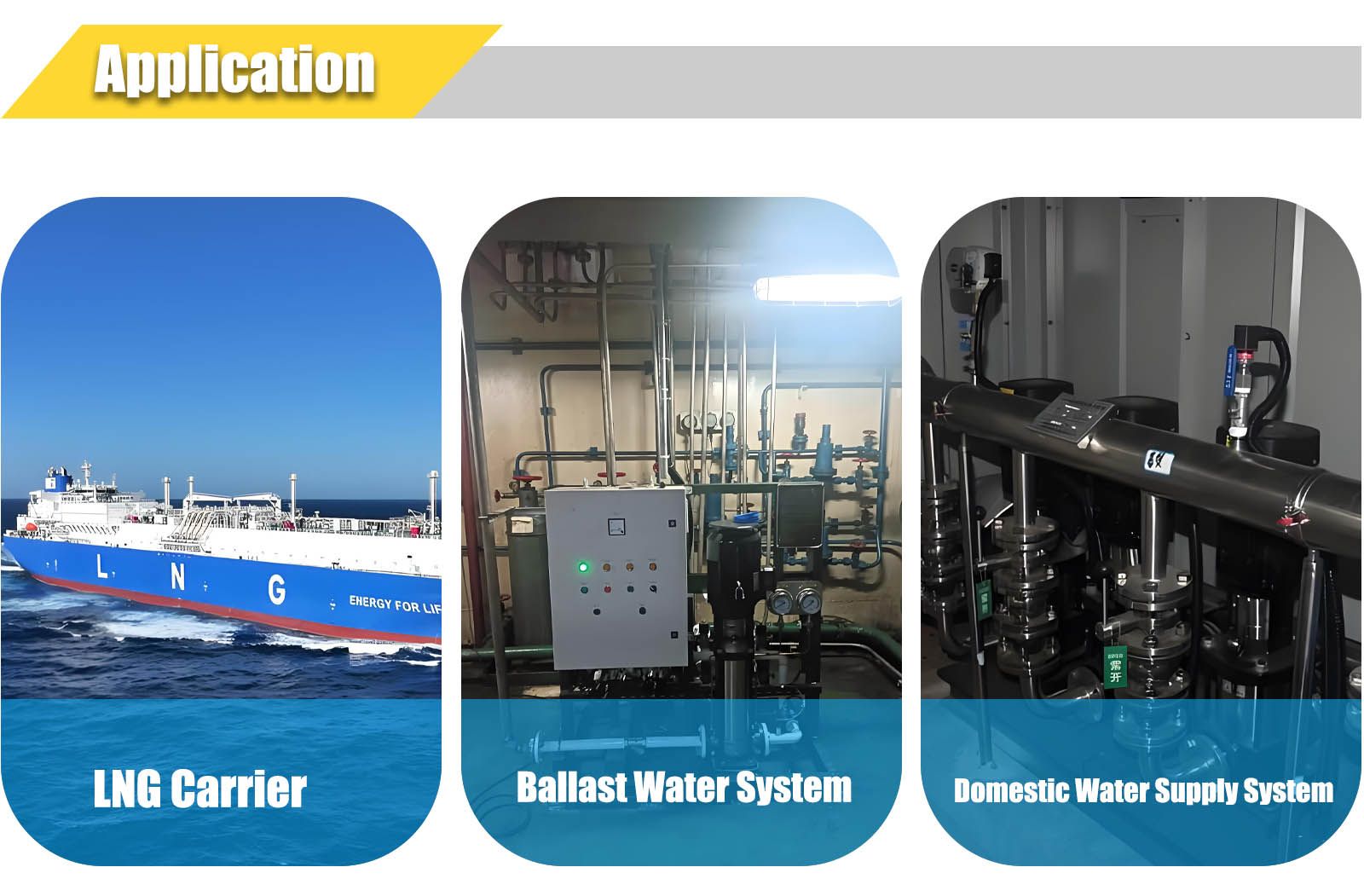
They can withstand high-temperature media transportation in engine rooms and are also suitable for ultra-low-temperature environments such as LNG carriers and polar vessels. They do not become brittle at low temperatures and maintain stable performance under alternating hot and cold working conditions.
8. Hygienic and Environmentally Friendly
Food-grade stainless steel does not release harmful substances, resists corrosion, and prevents secondary pollution. It is suitable for drinking water and domestic water pipelines on ships, ensuring safe water use for crew members.
1. Marine Power and Fuel Systems
Ship engines require continuous high-pressure fuel supply. Due to their excellent fatigue resistance and pressure resistance, seamless stainless steel pipes are widely used in fuel injection pipelines and lubricating oil systems to ensure stable power system output.
2. Seawater Cooling and Ballast Water Systems
Seawater is highly corrosive. Seamless pipes made of 316L or duplex stainless steel can effectively resist chloride ion corrosion, making them ideal for seawater cooling systems and ballast water discharge systems.
3. LNG/LPG Carriers - Low-Temperature Environments
In liquefied natural gas LNG carriers, pipelines must withstand extremely low temperatures of -163°C. Austenitic seamless stainless steel pipes maintain good toughness under cryogenic conditions, making them an ideal choice for low-temperature media transportation.
4. Firefighting and Domestic Water Supply Systems
Marine firefighting systems require extremely high reliability. Seamless pipes are fire-resistant and pressure-resistant, and they are not prone to rusting or blockage even after long periods of inactivity, ensuring rapid response in critical moments.
The shipbuilding industry has strict access requirements for pipe procurement. High-quality seamless stainless steel pipe suppliers usually need to obtain certifications from major international classification societies, such as:
CCS - China Classification Society
ABS - American Bureau of Shipping
DNV - Det Norske Veritas
LR - Lloyd's Register
When purchasing, in addition to checking the material test certificate, MTC, buyers should also confirm whether the products have undergone strict eddy current testing, ultrasonic testing, and hydrostatic testing to ensure that every pipe can withstand harsh marine conditions.
| Medium / Environment | Recommended Material |
| Fresh water | 304 |
| Seawater environment | 316L |
| High chloride ion environment | 2205 |
| High-temperature exhaust | 310S |
| LNG low-temperature environment | 304L / 316L |
2. Select Wall Thickness According to Pressure
For high-pressure systems, it is recommended to choose:
Thick-wall seamless pipes
High-strength materials
Higher-level inspection standards
Common surface treatments include:
Pickling
Polishing
Passivation
Electropolishing
Good surface treatment can further improve corrosion resistance.
 01
01
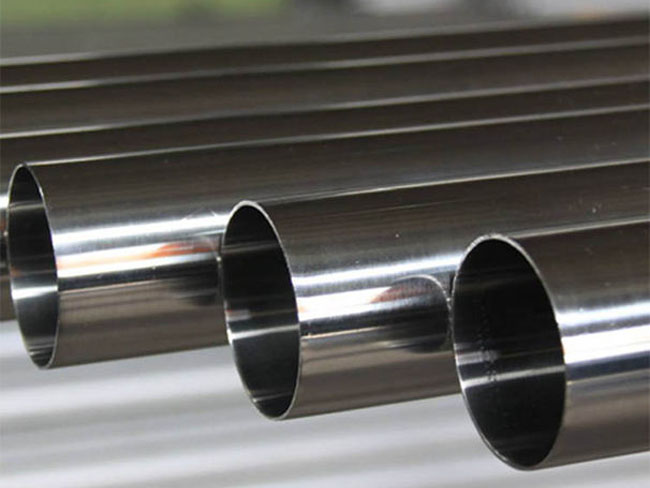
Marine seamless stainless steel pipes are manufactured from austenitic stainless steels such as 304, 304L, 316, and 316L. They feature excellent seawater corrosion resistance and high structural strength, and are widely used in ship piping systems, seawat
 02
02
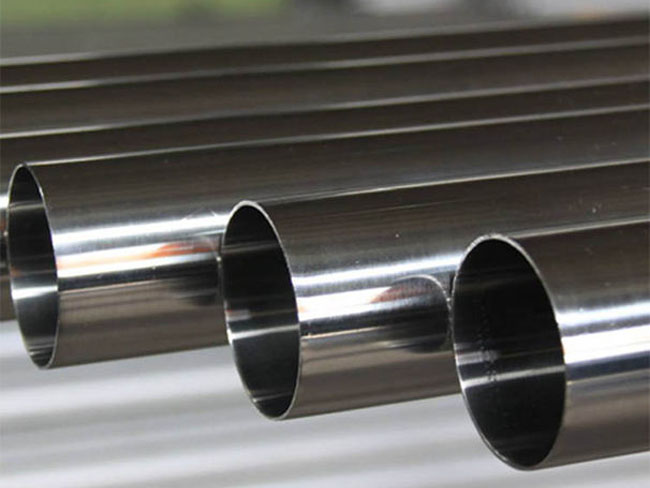
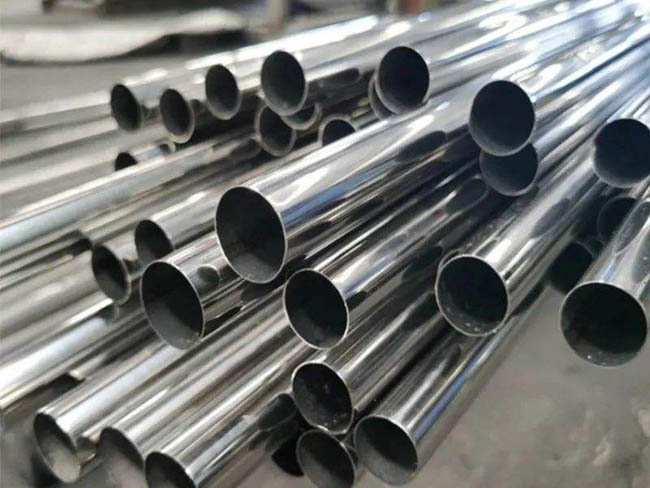
TP316L seamless stainless steel pipe conforms to ASTM A312, A213 and A269 standards, and has excellent corrosion resistance and low carbon welding performance, making it suitable for the chemical, shipbuilding, pharmaceutical and food industries.
 03
03
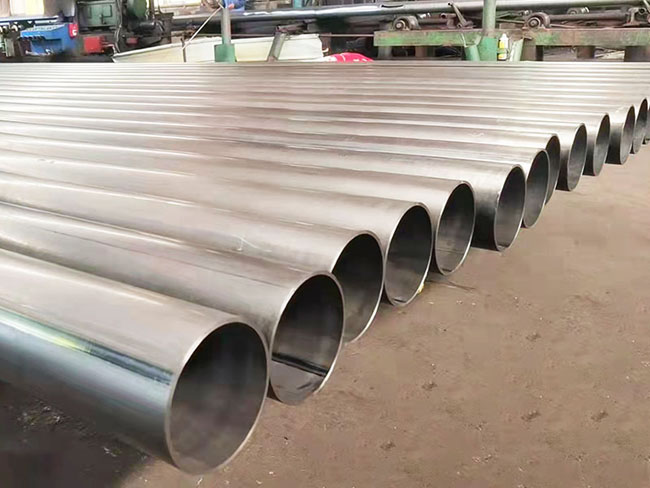
TP304 stainless steel seamless pipe (ASTM A312/A213 TP304) is one of the most widely used austenitic stainless steel pipes in industrial applications. With its excellent corrosion resistance, outstanding workability, and stable performance in both high an
 04
04
Austenitic seamless stainless steel pipe refers to seamless steel tubing whose microstructure remains stable austenite at room temperature. These steels typically use chromium and nickel as the primary alloying elements. A typical example is 18Cr-8Ni (Gra