
-
Email
-
WhatsApp
-
Address
Zhengzhou, China
Zhengzhou, China
 By Hermione
Across the vast ocean, ships and offshore engineering equipment must not only withstand tremendous wind and wave pressure, but also constantly resist the corrosion caused by high concentrations of chloride ions in seawater. For liquefied natural gas (LNG) carriers, chemical tankers, and high-grade offshore platforms, ordinary carbon steel pipes are often prone to rusting, perforation, or even fracture within a short period under such harsh operating conditions.
With outstanding corrosion resistance, high strength, and excellent stability in extreme environments, stainless steel seamless pipes have become an indispensable key material in modern shipbuilding, especially in the manufacturing of high-value-added vessels.
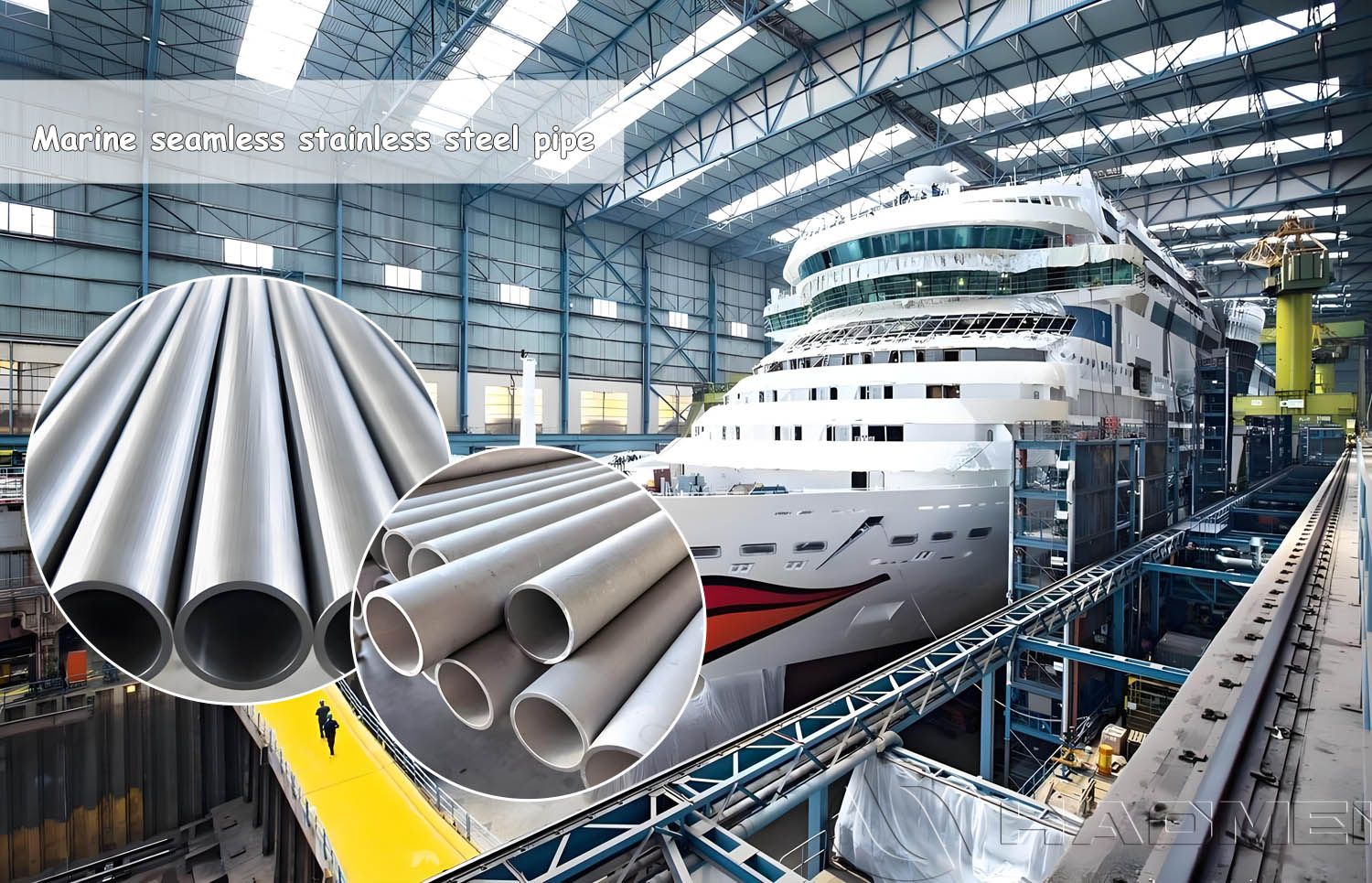
Compared with ordinary welded pipes or other metal pipes, stainless steel seamless pipes offer four irreplaceable core advantages in shipbuilding applications:
1. Seamless Structure for Maximum Safety
Seamless steel pipes are manufactured directly through hot piercing, hot rolling, or cold drawing processes, with no weld seam throughout the pipe body. This seamless structure eliminates the critical risk of stress concentration and cracking at welded areas, greatly reducing the possibility of offshore fuel leakage or system failure.
2. Excellent Marine Corrosion Resistance
Stainless steel seamless pipes contain chromium, nickel, molybdenum, and other alloying elements. These elements form an extremely thin yet strong passive film on the surface, effectively resisting corrosion from seawater, sea wind, salt spray, ballast water, and marine microorganisms.
3. Outstanding Adaptability to Extreme Temperatures
From high-temperature steam in boiler rooms to cryogenic environments on liquefied gas carriers, stainless steel seamless pipes maintain excellent toughness and stability. Austenitic stainless steel pipes can still retain good impact toughness in liquid nitrogen environments at -196°C, making them the preferred material for LNG carrier containment systems and piping systems.
4. Smooth Inner Wall for Reduced Resistance and Anti-Scaling
Cold drawing or cold rolling processes give seamless pipes a highly smooth inner surface. This not only effectively reduces friction resistance during fluid transportation and improves system efficiency, but also helps prevent marine organisms such as barnacles and algae from attaching and forming scale, thereby extending the service life of marine piping systems.
Seamless steel pipes are manufactured using hot-forming or cold-forming processes without welding or joints. Therefore, they provide higher strength and reliability under pressure and stress conditions.
Stainless steel is mainly composed of carbon, chromium, nickel, molybdenum, and nitrogen. The main categories include:
Austenitic stainless steel, such as 304, 304L, 316, and 316L: known for high-temperature strength and excellent corrosion resistance.
Duplex stainless steel, such as 2205 and 2507: offering both high strength and excellent corrosion resistance.
Because austenitic stainless steels such as 304 and 316 provide good weldability and corrosion resistance, they are the most commonly used stainless steel materials in the shipbuilding industry.
Hot forming: Includes hot extrusion and hot rolling for large-diameter and thick-wall pipes.
Cold forming: Includes cold drawing and cold rolling to improve surface finish and mechanical properties.
Combined process: Combines hot forming and cold forming with subsequent heat treatment to achieve optimal performance.
Marine stainless steel seamless pipes usually need to comply with internationally recognized standards to ensure quality and safety:
ASTM A312 / A213 — American standards
EN 10216-5 — European standard
JIS G3459 — Japanese standard
Classification society certifications: ABS, DNV, LR, BV, CCS, etc.
These standards impose strict requirements on chemical composition, mechanical properties, dimensional tolerances, and non-destructive testing.
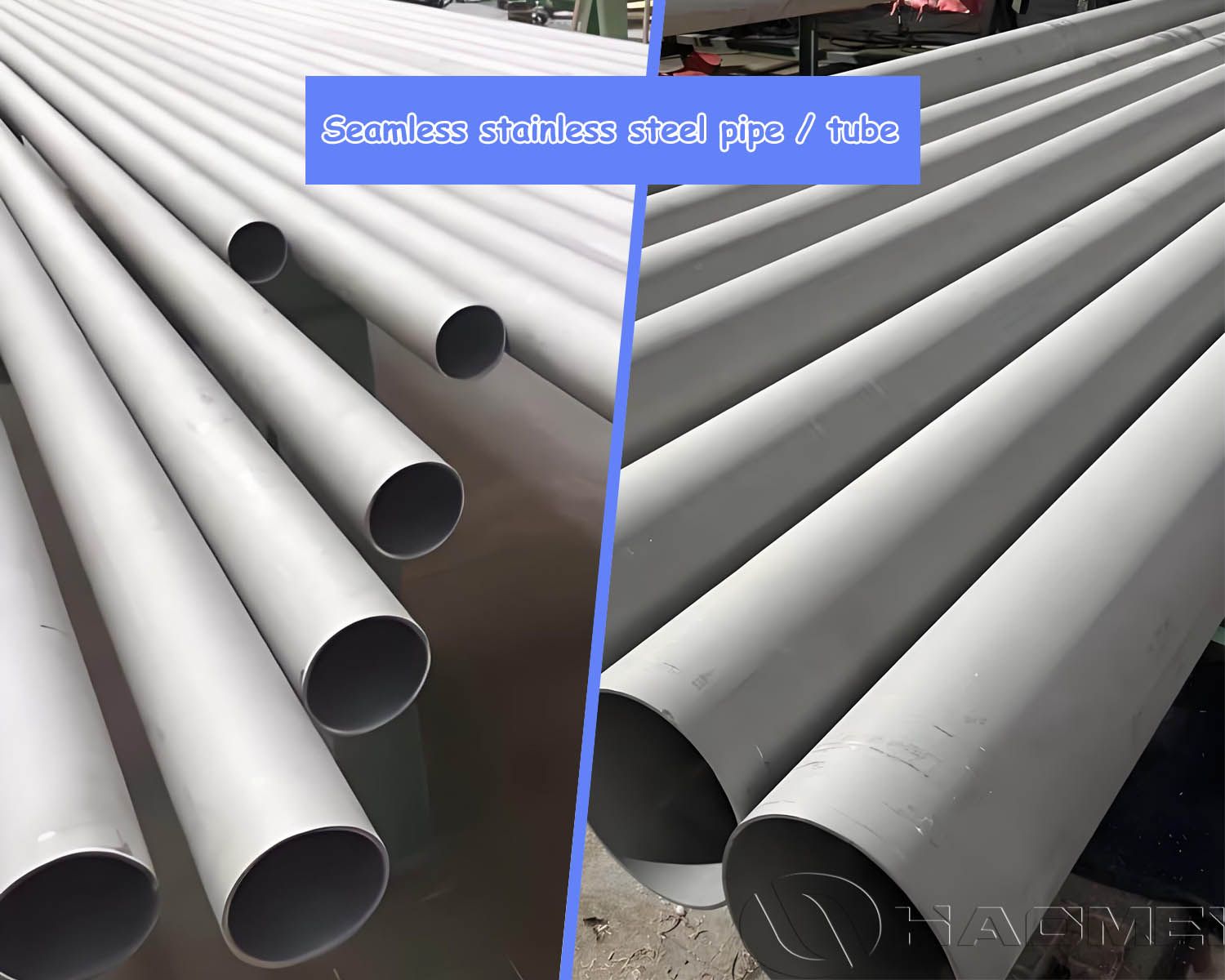
The shipbuilding industry has strict requirements for pipe materials. In addition to the material properties themselves, attention must also be paid to production processes, testing standards, and quality stability.
1. Good Corrosion Resistance
This is one of the most essential performance requirements for marine stainless steel seamless pipes. In particular, seawater systems, ballast water systems, and offshore platform pipelines must have strong resistance to pitting corrosion, crevice corrosion, and stress corrosion.
2. Stable Mechanical Properties
Pipes must have sufficient tensile strength, yield strength, and elongation to meet the requirements of pressure resistance, vibration resistance, and impact resistance during ship operation.
3. High Dimensional Accuracy
Space inside ships is limited, and piping systems are complex. If the outer diameter, wall thickness, or roundness deviation of the pipe is too large, it may affect installation accuracy and sealing performance. Therefore, stainless steel seamless pipes used in shipbuilding usually require stable dimensional control.
4. Good Internal and External Surface Quality
The pipe surface should be free from cracks, folds, scabs, severe scratches, and other defects. A smoother inner wall is beneficial to fluid flow and can also reduce sediment accumulation and corrosion risk.
5. Excellent Welding and Processing Performance
During marine piping installation, pipes often need to be cut, bent, welded, flared, or connected with flanges. Therefore, stainless steel seamless pipes should have good processing adaptability to facilitate on-site construction and later maintenance.
6. Compliance with Classification Society Requirements
Stainless steel seamless pipes used in important marine systems usually need to comply with relevant classification society requirements, such as CCS, ABS, DNV, BV, LR, NK, KR, and RINA. Depending on project requirements, suppliers may also need to provide material certificates, inspection reports, or classification society certificates.
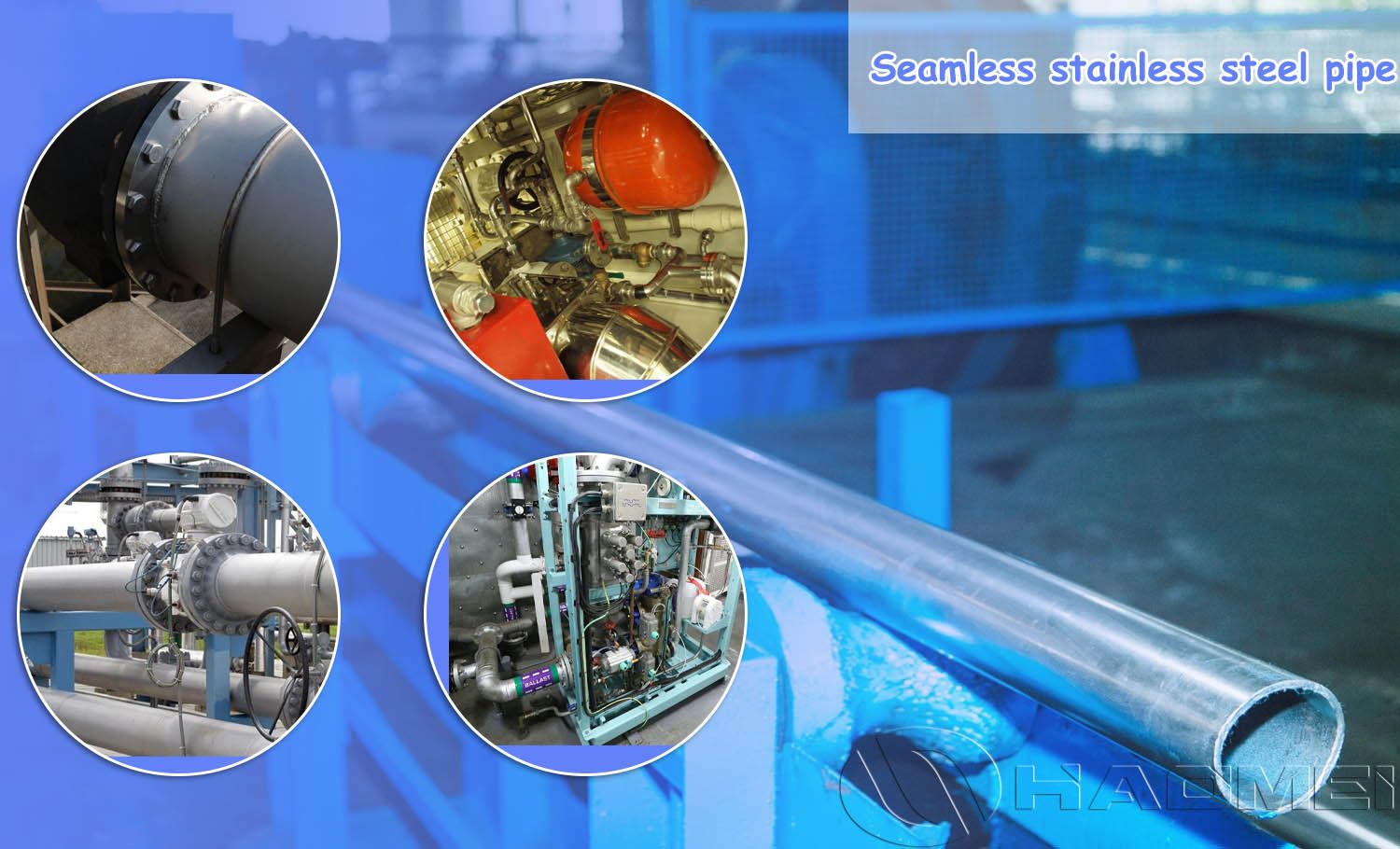
Stainless steel seamless pipes are widely used in shipbuilding, mainly including:
Seawater cooling systems: Resistant to salt spray corrosion, ensuring stable equipment operation.
Ballast water systems: Improving the efficiency of ship balance adjustment.
Fuel transportation systems: Resistant to high temperature and corrosion, ensuring safe fuel delivery.
Hydraulic and pneumatic systems: High pressure-bearing strength, reducing leakage risks.
Offshore platform piping systems: Suitable for extreme marine environments.
High-quality stainless steel seamless pipes depend on strict manufacturing procedures:
Raw material inspection, including spectral analysis
Hot piercing or cold drawing forming
Solution treatment to improve corrosion resistance
Non-destructive testing, such as UT, ET, and RT
Surface treatment, such as pickling and polishing
Dimensional and performance inspection
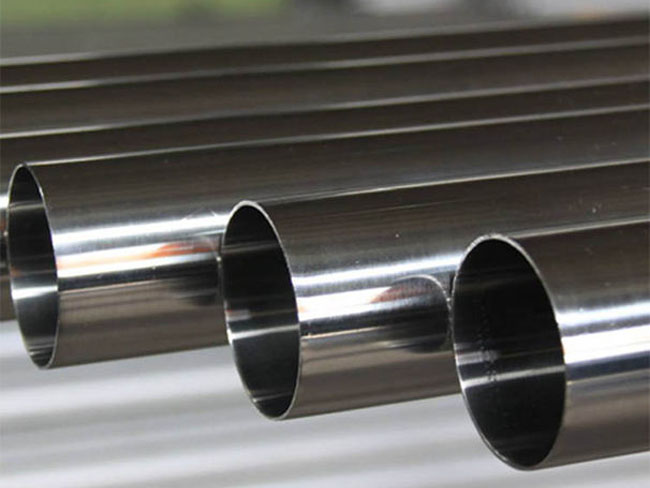
Through full-process quality control, stainless steel seamless pipes can maintain long-term stable operation in complex marine environments.
 01
01
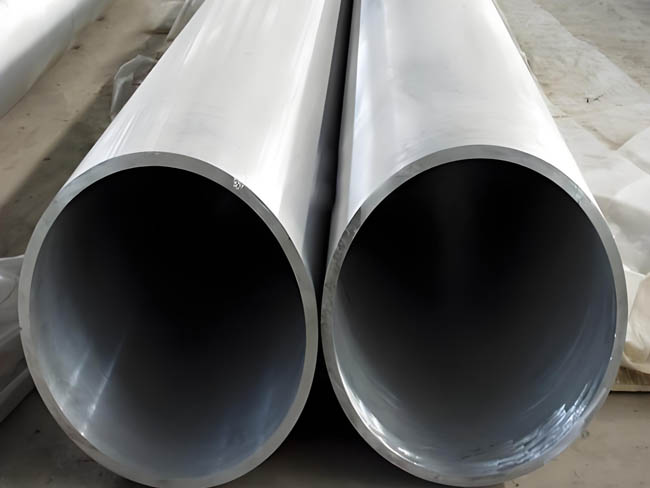
TP316L seamless stainless steel pipe conforms to ASTM A312, A213 and A269 standards, and has excellent corrosion resistance and low carbon welding performance, making it suitable for the chemical, shipbuilding, pharmaceutical and food industries.
 02
02
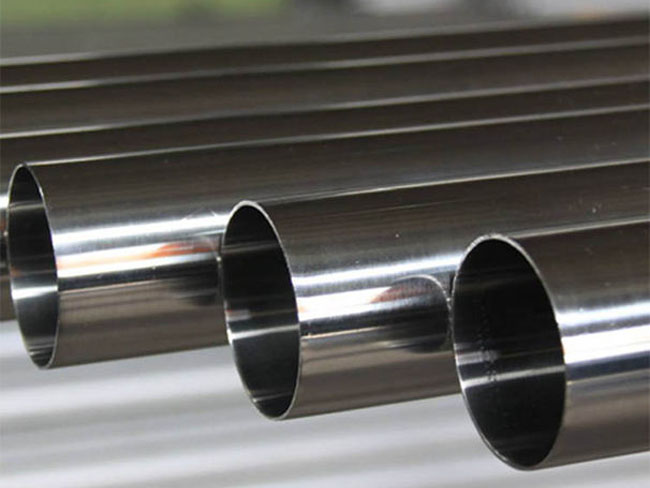
Large diameter seamless steel pipes typically refer to pipes with an outer diameter of 219 mm or larger, and in some cases up to 1020 mm. Compared with standard-size pipes, large-diameter seamless pipes are manufactured using advanced hot rolling or hot e
 03
03
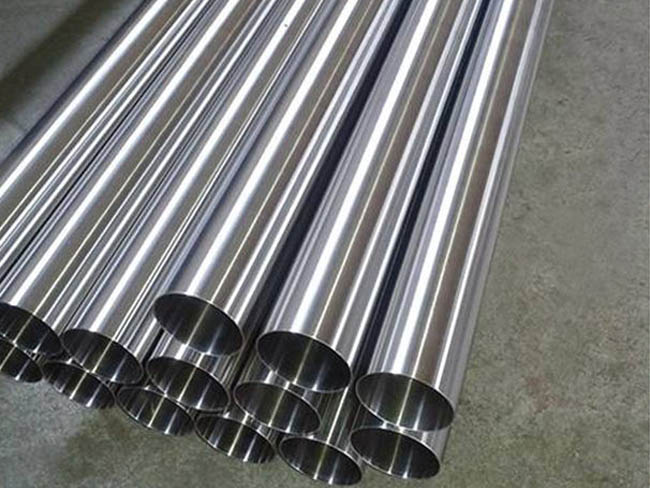
Marine seamless stainless steel pipes are manufactured from austenitic stainless steels such as 304, 304L, 316, and 316L. They feature excellent seawater corrosion resistance and high structural strength, and are widely used in ship piping systems, seawat
 04
04
TP316 seamless stainless steel pipe offers excellent corrosion resistance and strength for chemical, marine, food, and petrochemical applications. Manufactured to ASTM A312, A213, and EN 10216-5 standards with customizable sizes and finishes.