
-
Email
-
WhatsApp
-
Address
Zhengzhou, China
Zhengzhou, China
 By Hermione
Freshwater marine 304L marine-grade seamless stainless steel pipe has become a mainstream choice for freshwater cooling, water supply and drainage, fuel transfer, and other piping systems on inland cargo vessels, passenger boats, and workboats. With its seamless structure, low-carbon alloy properties, and overall performance compatible with marine classification requirements, it can replace conventional galvanized carbon steel pipes and address common problems such as corrosion blockage, leakage, and short service life.
304L, also known as 022Cr19Ni10, is a low-carbon austenitic stainless steel with carbon content controlled at ≤0.03%. Compared with standard 304 stainless steel, its key advantage is the reduced risk of intergranular corrosion after welding.
After pipeline welding and installation, 304L generally does not require additional solution heat treatment. The weld zone can still maintain excellent corrosion resistance, making it particularly suitable for shipbuilding applications involving extensive on-site welding and assembly.
Unlike welded pipes, seamless stainless steel pipes are manufactured from solid steel billets through piercing, hot rolling, cold rolling, and cold drawing processes. The entire pipe body contains no longitudinal welded seam, eliminating potential weak points associated with welds.
As a result, 304L seamless stainless steel pipes offer stronger pressure resistance and improved resistance to vibration fatigue. They are suitable for Class I, II, and III marine pressure piping systems and can withstand pressure fluctuations during navigation as well as cyclic loads caused by hull deformation. This helps reduce the risk of pipe bursting and leakage.
The term marine-grade indicates that the pipe is manufactured in accordance with ship-specific standards, such as GB/T 31928-2015. Some products may also obtain approvals from classification societies such as the China Classification Society (CCS).
In addition to routine chemical composition and mechanical property testing, marine-grade pipes may undergo more stringent inspections, including eddy current testing, hydrostatic pressure testing, and intergranular corrosion testing. Surface defects, wall thickness tolerances, and internal inclusions are controlled more strictly to meet vessel classification and marine service requirements.
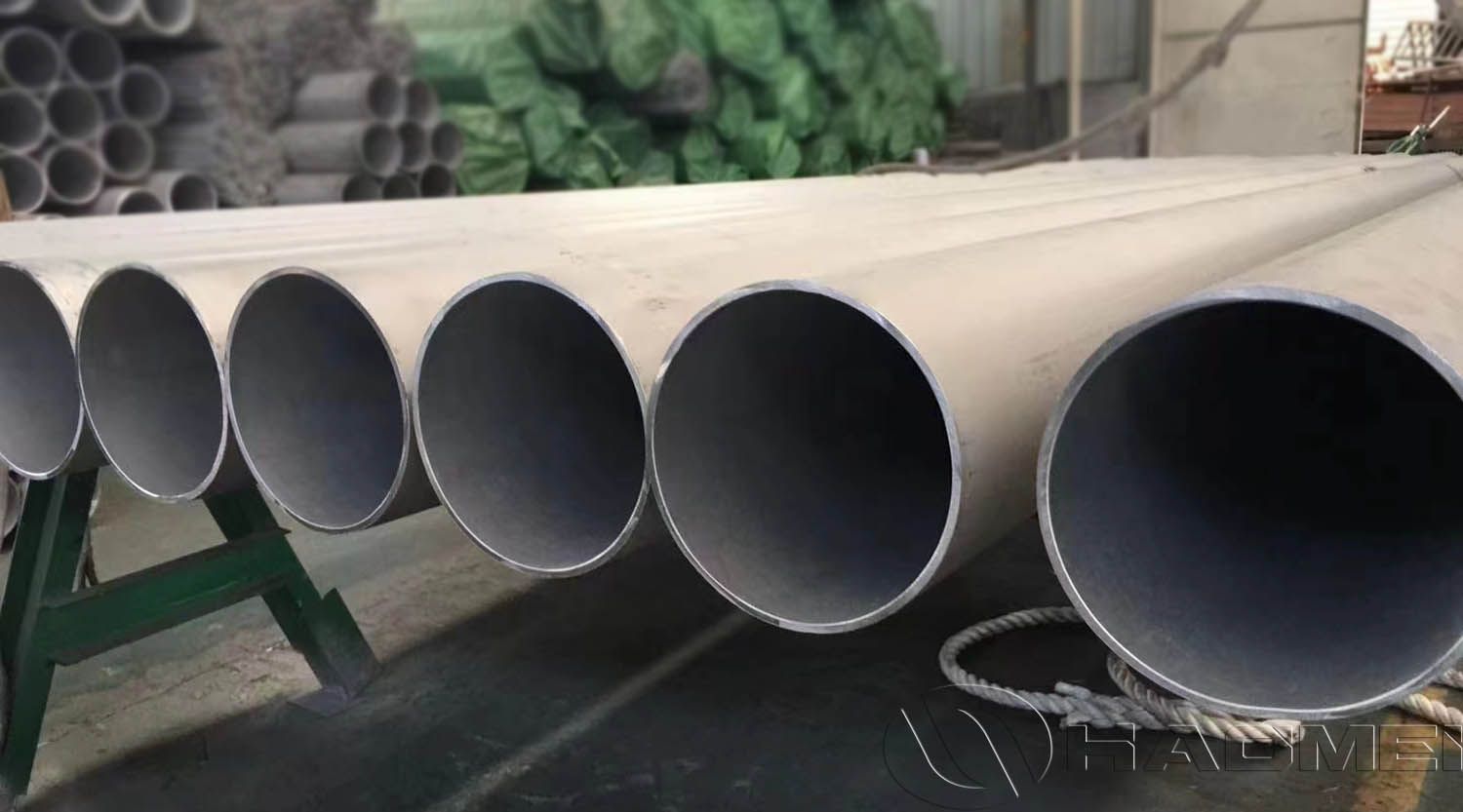
Different media in marine piping systems impose different requirements on material selection.
Seawater contains a relatively high concentration of chloride ions, which can easily cause pitting corrosion, crevice corrosion, and stress corrosion cracking in stainless steel. Therefore, for critical piping systems that are in long-term direct contact with seawater, materials with a higher corrosion resistance grade should generally be selected according to actual operating conditions.
For freshwater systems—especially treated freshwater, domestic water, and certain closed-loop circulating water systems—the chloride ion concentration is generally much lower than that of natural seawater. Under these conditions, 304L can meet many application requirements due to its balanced corrosion resistance, weldability, and cost efficiency.
1. Good Corrosion Resistance in Freshwater Environments
304L offers good corrosion resistance in normal-temperature freshwater environments. It can effectively reduce general rusting, oxidation, and scale accumulation.
It is well suited for freshwater tanks, domestic water supply systems, cooling water circulation systems, and freshwater transfer pipelines on vessels.
2. Excellent Weldability
Marine piping installation inevitably involves welding, elbow connections, tee connections, and pipe support installation.
Due to its low carbon content, 304L has better corrosion resistance stability after welding. With appropriate welding procedures, it can reduce the risk of corrosion in the weld heat-affected zone.
3. High Strength and Good Toughness
304L seamless stainless steel pipe can withstand a certain level of internal pressure and external mechanical impact while maintaining good toughness.
It provides reliable structural support in the vibration-prone operating environment of ships and vessels.
4. Long Service Life
Compared with ordinary carbon steel pipes, 304L seamless stainless steel pipes may have a higher initial purchase cost. However, their corrosion resistance and ease of maintenance are significantly better.
Over the long term, they can help reduce costs related to repeated rust removal, replacement, repair welding, and vessel downtime for maintenance.
5. Good Hygienic Performance
For potable water, food-processing auxiliary water, freshwater aquaculture supply, and onboard domestic water systems, stainless steel pipe provides a relatively clean internal surface and is less likely to contaminate water with rust.
This makes it a hygienic and environmentally friendly option for freshwater-related piping systems.
6. Cost-Effectiveness
Compared with molybdenum-containing 316L stainless steel, 304L does not contain molybdenum and has a lower raw material cost.
For freshwater systems with relatively low chloride concentrations, 304L can fully meet many operational requirements and is a highly cost-effective material choice.
| Item | Common Range or Description |
| Material Grade | 304L / 1.4307 / S30403 |
| Product Type | Marine-grade seamless stainless steel pipe |
| Manufacturing Process | Hot rolling, hot extrusion, cold rolling, cold drawing, solution annealing, pickling and passivation |
| Outside Diameter Range | Typically 6mm–630mm; customized sizes are available |
| Common Outside Diameters | 10mm, 12mm, 16mm, 19mm, 22mm, 25mm, 32mm, 38mm, 42mm, 48mm, 57mm, 76mm, 89mm, 108mm, etc. |
| Wall Thickness Range | Typically 0.8mm–40mm; can be customized according to design requirements |
| Common Wall Thicknesses | 1mm, 1.2mm, 1.5mm, 2mm, 2.5mm, 3mm, 4mm, 5mm, etc. |
| Standard Length | Commonly 5m, 6m, 8m, or 10m; fixed lengths and multiple lengths are available |
| Delivery Condition | Solution annealed and pickled, pickled and passivated, cold-drawn bright, polished, etc. |
| Surface Condition | Smooth internal and external surfaces, free from cracks, folds, scabs, dents, and severe scratches that may affect service performance |
| Inspection Items | Chemical composition, dimensional inspection, mechanical properties, eddy current testing, ultrasonic testing, hydrostatic testing, intergranular corrosion testing, etc. |
| Standards | ASTM A312, ASTM A269, EN 10216-5, GB/T 14976, GB/T 21833, etc.; classification society or customer-specific standards can also be followed |
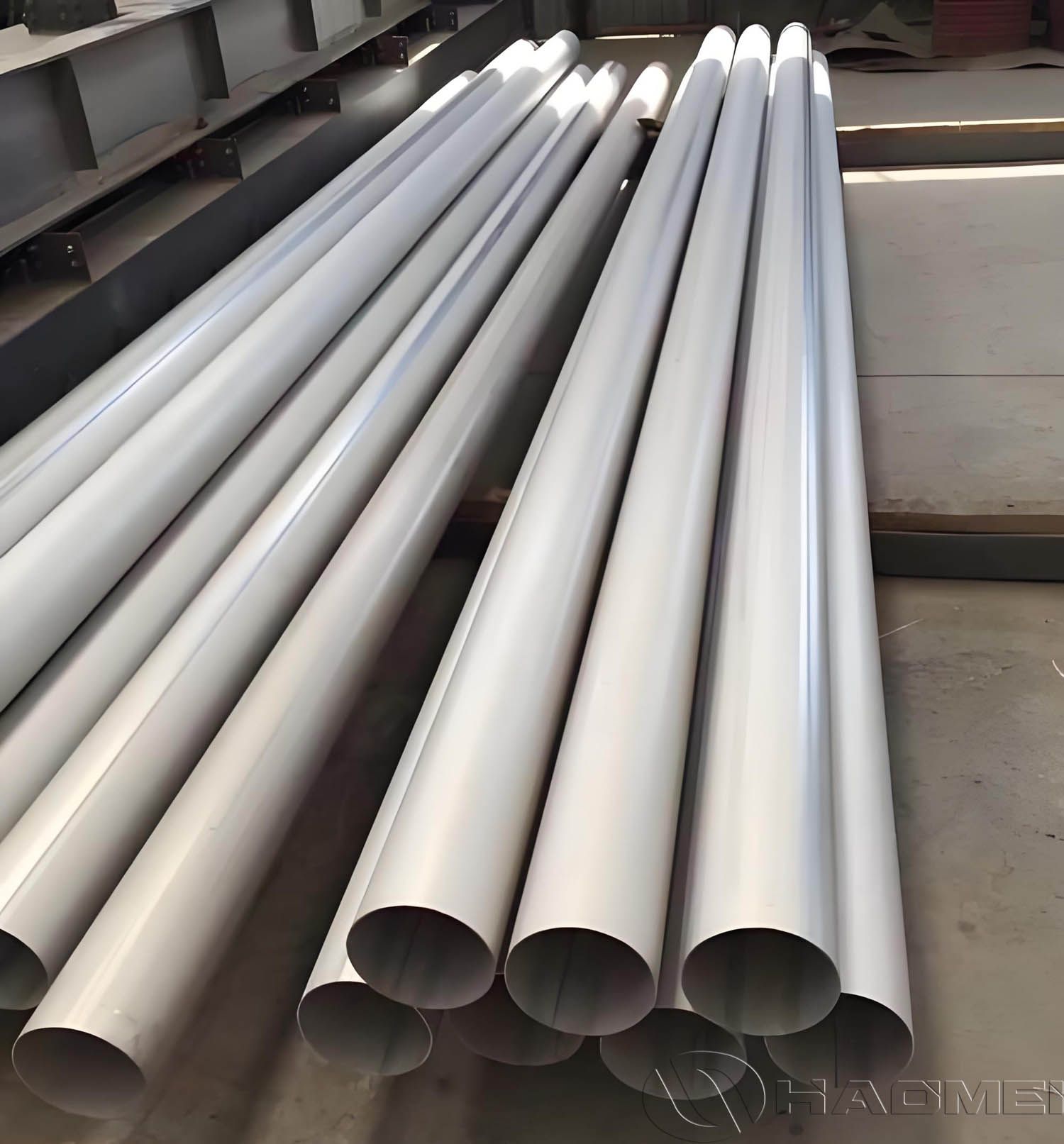
In marine piping material selection, 304L and 316L are often compared. Understanding the difference between the two is essential for proper material selection.
The primary advantage of 316L is the addition of approximately 2–3% molybdenum (Mo). Molybdenum significantly improves resistance to pitting corrosion and crevice corrosion in chloride-containing environments.
For this reason, 316L is widely regarded as a "marine-grade" stainless steel and is suitable for piping systems in direct contact with seawater.
By contrast, 304L does not contain molybdenum, so its resistance to chloride corrosion is relatively limited. In engineering practice, the PREN value-Pitting Resistance Equivalent Number-of 304L is approximately 18–20. It is suitable for freshwater and low-chloride process fluids, generally at temperatures below 60°C.
In simple terms:
Freshwater systems, potable water piping, and clean utility systems inside vessel cabins: 304L is an economical and reliable choice.
Seawater cooling systems, ballast water piping, and marine atmospheric exposure environments: 316L or duplex stainless steel should be selected.
Freshwater marine 304L seamless stainless steel pipe is widely used in a range of onboard piping systems, including:
Potable Water and Domestic Water Systems: Used for freshwater storage, transfer, domestic water supply, and sanitary water circulation.
Freshwater Cooling Systems: Used in freshwater cooling pipelines for main engines, auxiliary engines, and related equipment.
Fuel Transfer Systems: Used for the transfer and distribution of diesel fuel, heavy fuel oil, and other fuel media, subject to applicable design and safety requirements.
HVAC and Refrigeration Systems: Used for piping connections in marine air-conditioning systems, chilled water systems, and refrigeration units.
Instrumentation and Control Lines: Used for precision instrumentation tubing and control pipelines.
Internal Cleaning and Utility Systems: Used for general onboard service piping and internal cleaning utility systems.
 01
01
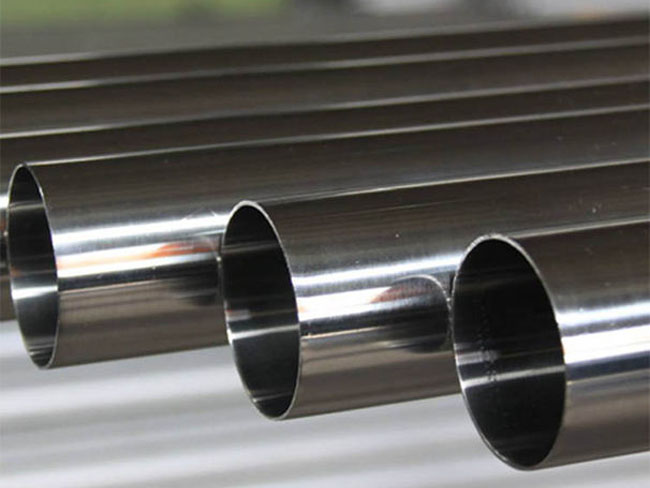
TP316L seamless stainless steel pipe conforms to ASTM A312, A213 and A269 standards, and has excellent corrosion resistance and low carbon welding performance, making it suitable for the chemical, shipbuilding, pharmaceutical and food industries.
 02
02
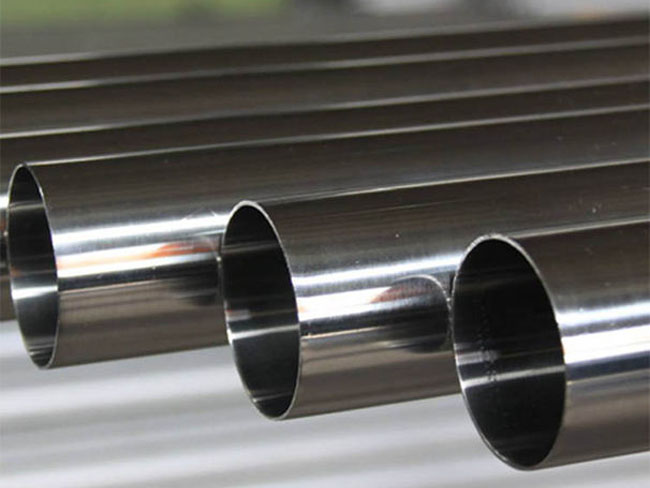
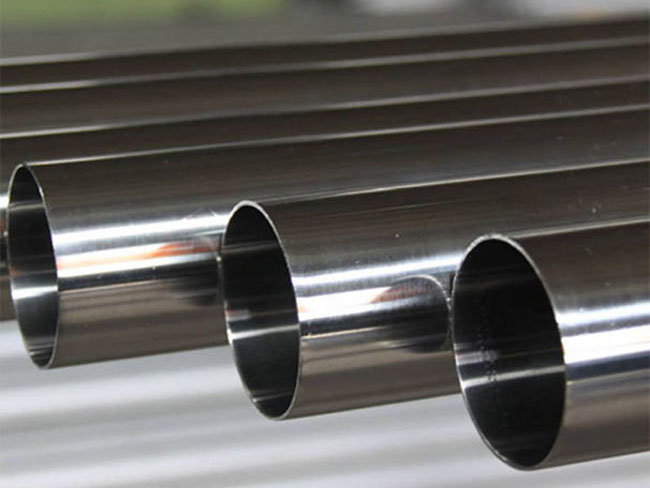
Marine seamless stainless steel pipes are manufactured from austenitic stainless steels such as 304, 304L, 316, and 316L. They feature excellent seawater corrosion resistance and high structural strength, and are widely used in ship piping systems, seawat
 03
03
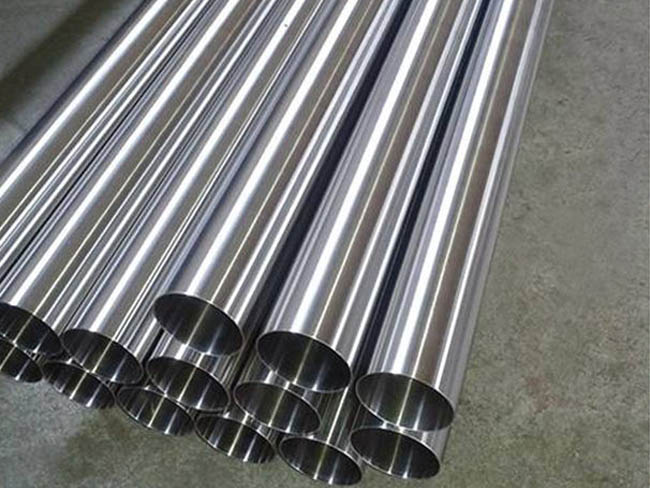
Duplex stainless steel pipe consists of approximately equal proportions of ferrite and austenite stainless steel phases. It combines the high strength of ferritic stainless steel with the toughness of austenitic stainless steel. Its yield strength is gene
 04
04
TP316 seamless stainless steel pipe offers excellent corrosion resistance and strength for chemical, marine, food, and petrochemical applications. Manufactured to ASTM A312, A213, and EN 10216-5 standards with customizable sizes and finishes.