
-
Email
-
WhatsApp
-
Address
Zhengzhou, China
Zhengzhou, China
 By Hermione
In modern offshore oil and gas exploration, offshore drilling platforms are essential infrastructure for the development of petroleum and natural gas resources. These platforms must operate under extremely demanding marine conditions, including heavy salt spray, corrosive seawater, high humidity, wave-induced vibration, and significant mechanical stress.
Therefore, selecting suitable piping materials is critical to the safe operation, service life, and long-term reliability of offshore platforms. Among the materials used in key piping systems, ASTM A312 TP316L seamless stainless steel pipe plays an important role.
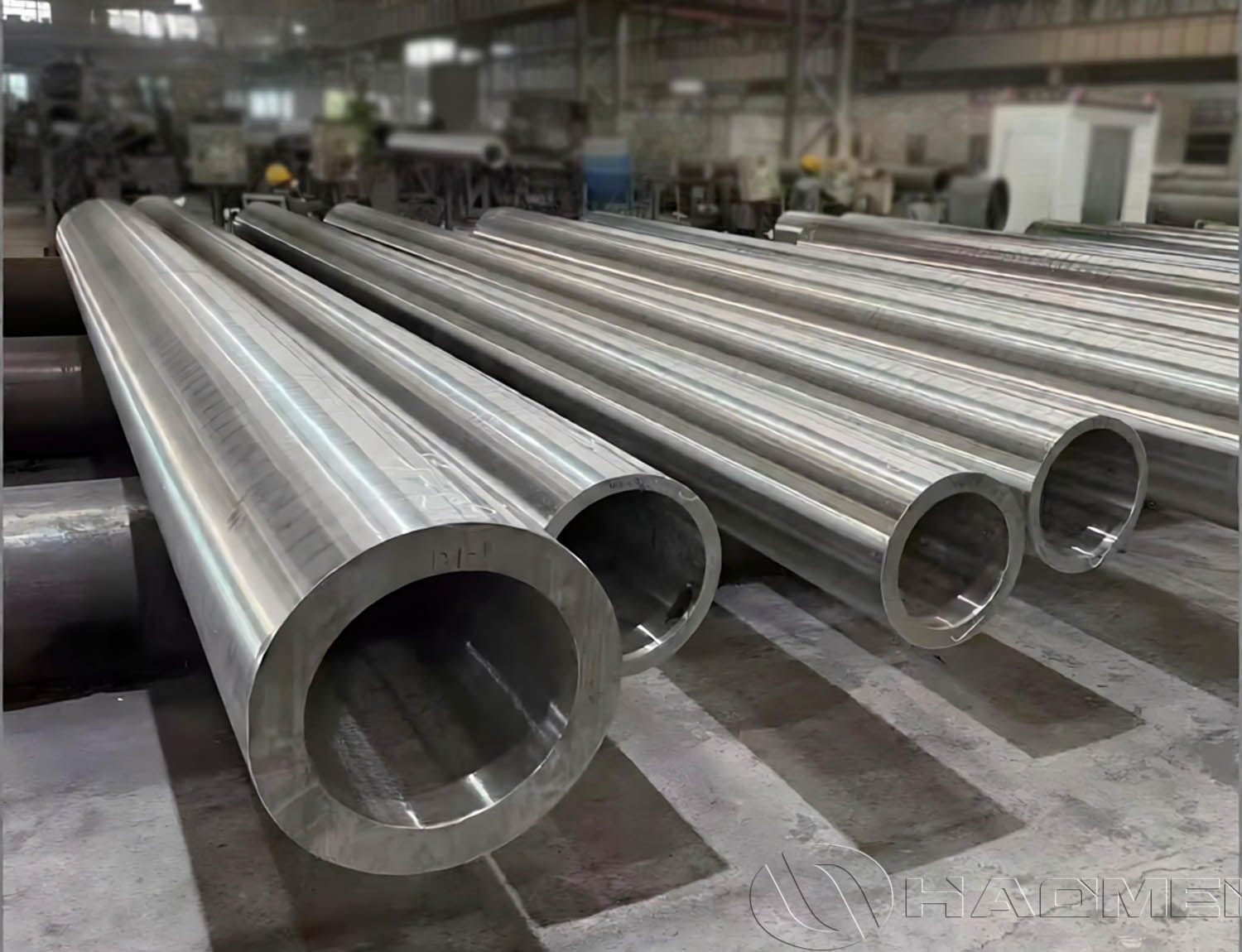
ASTM A312 is a widely used material standard for seamless, welded, and heavily cold-worked welded austenitic stainless steel pipes intended for high-temperature and general corrosive service. The standard covers various austenitic stainless steel grades, such as TP304, TP304L, TP316, TP316L, and TP321.
316L is the low-carbon version of Type 316 austenitic stainless steel. Its principal alloying elements include chromium (Cr), nickel (Ni), and molybdenum (Mo). The key chemical characteristics of 316L include:
Carbon content ≤ 0.03% – The low-carbon design improves weldability and helps reduce the risk of intergranular corrosion in the weld heat-affected zone.
Chromium content: 16.0%–18.0% – Chromium forms a dense passive oxide film on the surface, providing fundamental corrosion resistance.
Nickel content: 10.0%–14.0% – Nickel stabilizes the austenitic structure and improves toughness, ductility, and formability.
Molybdenum content: 2.0%–3.0% – Molybdenum is the key element that distinguishes 316L from the 304 series. It significantly enhances resistance to pitting corrosion and crevice corrosion in chloride-containing environments.
Compared with welded pipes, TP316L seamless stainless steel pipe has no longitudinal weld seam. It is therefore suitable for applications with high requirements for pipe integrity, pressure resistance, vibration resistance, and process safety.
1. Resistance to Chloride Ion Corrosion
The addition of 2%–3% molybdenum significantly boosts the material's Pitting Resistance Equivalent Number (PREN); consequently, 316L demonstrates corrosion resistance far superior to that of 304L in seawater environments.
2. Proven Weldability and Reliability
Austenitic stainless steels offer excellent welding characteristics. The low-carbon content of 316L further minimizes the risk of weld sensitization, ensuring the corrosion resistance of welded joints without the need for post-weld heat treatment.
3. Seamless Structure
Seamless pipes eliminate risks associated with weld defects (such as incomplete penetration or porosity) and ensure uniform stress distribution. Their ability to withstand high pressure, water hammer effects, and severe vibration far exceeds that of welded pipes, drastically reducing the risk of leaks and pipe bursts.
4. Excellent Mechanical Properties at Low and High Temperatures
Whether in low-temperature environments, such as polar waters—where it maintains good toughness without undergoing a brittle transition, or in applications involving the transport of high-temperature steam or media, 316L retains stable yield strength and elongation.
5. Certifications from International Classification Societies
ASTM A312 316L seamless stainless steel pipe has obtained certification from multiple authoritative bodies, including the American Bureau of Shipping (ABS) and the China Classification Society (CCS).
| Parameter | Available Range |
| Standard | ASTM A312 / ASME SA312 |
| Material Grade | TP316L / UNS S31603 |
| Outside Diameter | 6 mm to 630 mm; up to 830 mm may be available from selected manufacturers |
| Wall Thickness | 0.5 mm to 50 mm |
| Schedule | SCH 10S, SCH 40S, SCH 80S, SCH 160, etc. |
| Length | Random length or fixed cut length; up to 18 m depending on size and manufacturing process |
| Manufacturing Process | Hot-finished, cold-drawn, cold-rolled, etc. |
| Surface Finish | Pickled, passivated, polished, or customized upon request |
| Property | Typical Minimum Requirement |
| Tensile Strength | ≥ 485 MPa |
| Yield Strength | ≥ 170 MPa |
| Elongation | ≥ 35% |
Actual specifications, tolerances, and mechanical properties may vary according to pipe size, wall thickness, manufacturing method, heat treatment condition, and project-specific requirements.
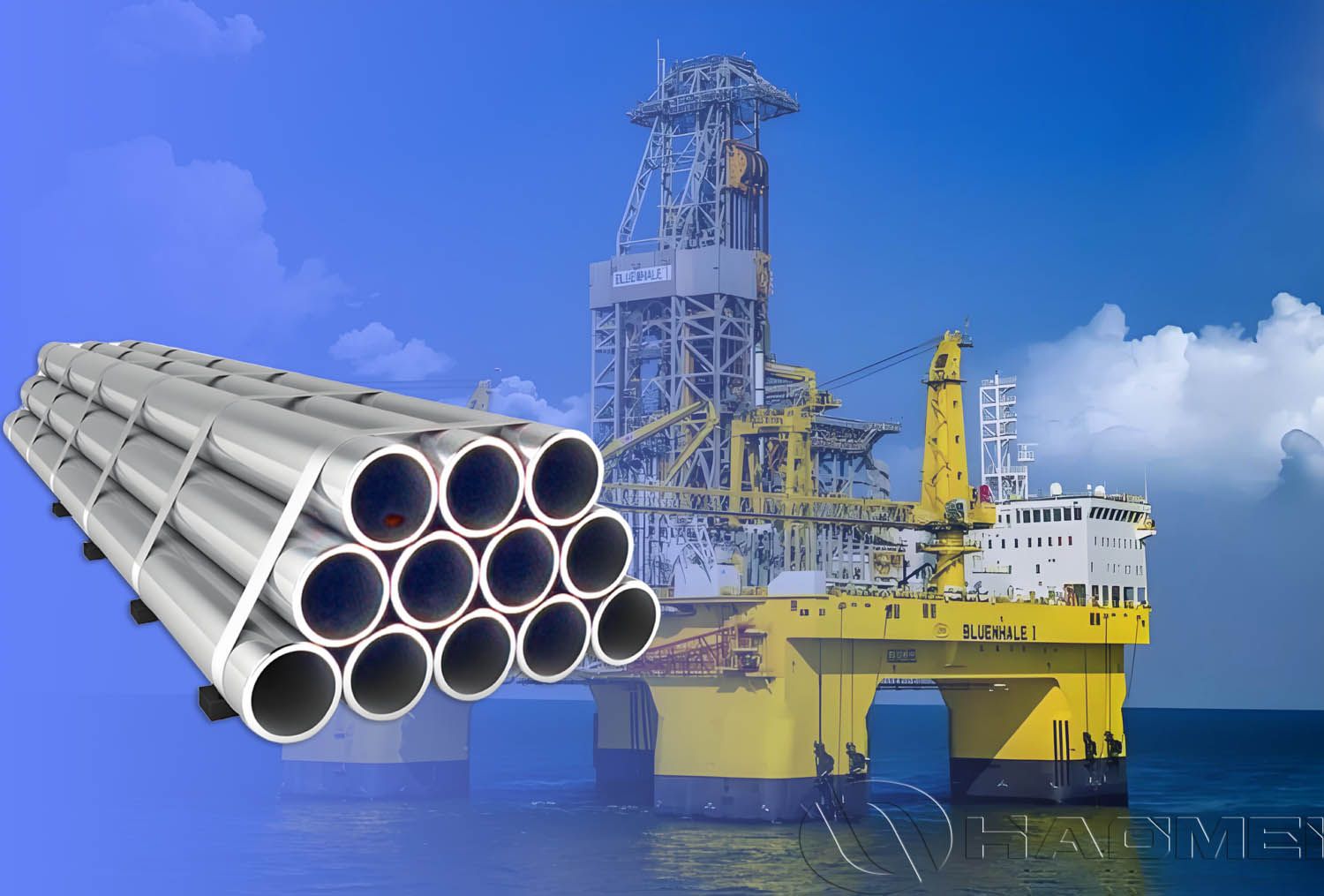
ASTM A312 TP316L seamless stainless steel pipes are utilized across virtually every aspect of production and support systems on offshore drilling platforms:
Process piping systems: Used for transporting oil, gas, chemical media, and seawater;
Heat exchangers and condensers: Leveraging the material's excellent thermal conductivity and corrosion resistance;
Seawater desalination and treatment systems: Its resistance to chloride ion corrosion makes it an ideal choice for seawater filtration, disinfection, and transport piping;
Instrumentation lines and hydraulic systems: 316/316L seamless stainless steel pipe is the preferred material for instrument air lines and hydraulic systems;
High-pressure flare systems: Chosen for their excellent low-temperature toughness.
1. Pipe dimensions and specifications: Appropriate pipe dimensions and specifications must be selected based on the specific requirements of the offshore drilling platform. Common parameters include outside diameter, wall thickness, and length.
2. Supplier selection: Choosing a reliable supplier is crucial for ensuring pipe quality. Suppliers with a strong reputation and extensive experience should be selected, and their product certifications and test reports carefully verified.
3. Installation and maintenance: Proper installation and maintenance are essential for the long-term service life of the piping. Installation should be carried out in accordance with the supplier's instructions, and regular maintenance and inspections should be performed to ensure safe operation.
 01
01
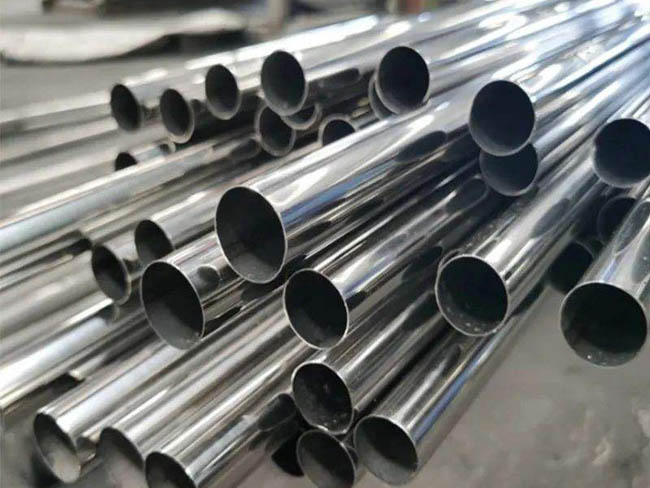
Small diameter seamless steel tubes refer to steel pipes with a relatively small outer diameter and a seamless structure without welding joints. The typical outer diameter range is 6 mm–89 mm. These pipes are manufactured through processes such as piercin
 02
02
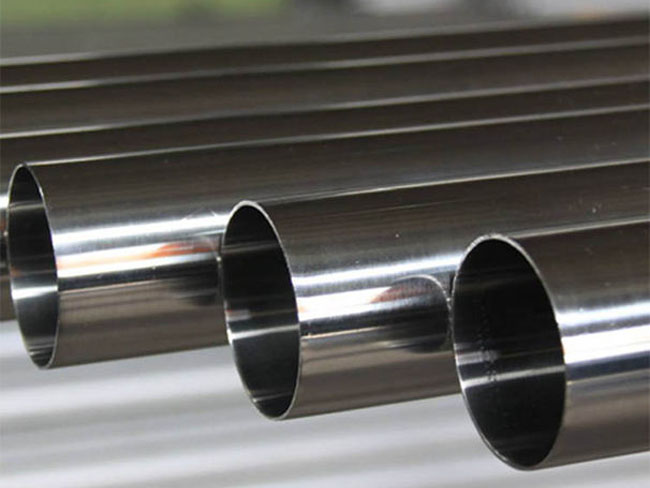
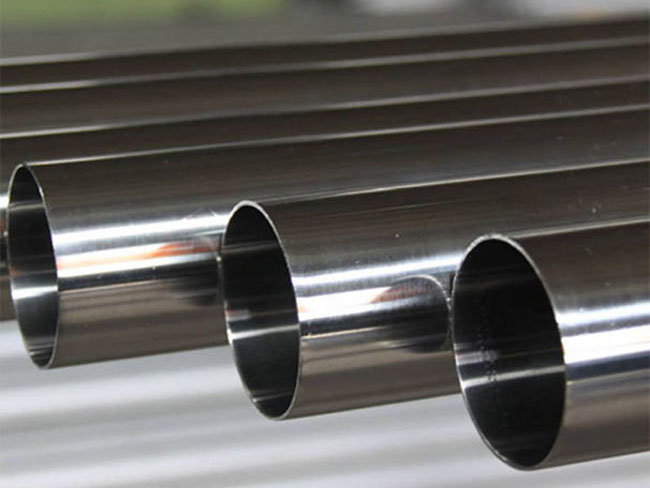
Marine seamless stainless steel pipes are manufactured from austenitic stainless steels such as 304, 304L, 316, and 316L. They feature excellent seawater corrosion resistance and high structural strength, and are widely used in ship piping systems, seawat
 03
03
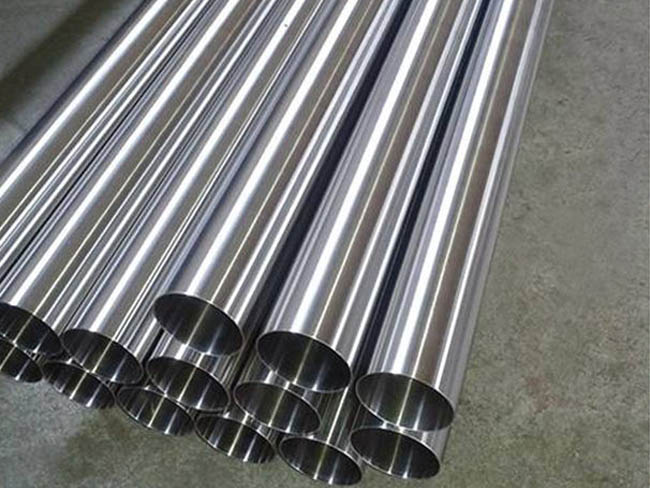
Duplex stainless steel pipe consists of approximately equal proportions of ferrite and austenite stainless steel phases. It combines the high strength of ferritic stainless steel with the toughness of austenitic stainless steel. Its yield strength is gene
 04
04
TP316 seamless stainless steel pipe offers excellent corrosion resistance and strength for chemical, marine, food, and petrochemical applications. Manufactured to ASTM A312, A213, and EN 10216-5 standards with customizable sizes and finishes.