
-
Email
-
WhatsApp
-
Address
Zhengzhou, China
Zhengzhou, China
 By Hermione
In marine engineering and coastal industrial applications, piping systems are exposed for long periods to high salt spray, high humidity, and chloride-containing media. These conditions place extremely high demands on the corrosion resistance of materials. ASTM A312 316/316L seamless stainless steel pipe, with its excellent resistance to pitting corrosion, crevice corrosion, and stable mechanical properties, has become one of the most commonly used stainless steel piping materials in marine environments.
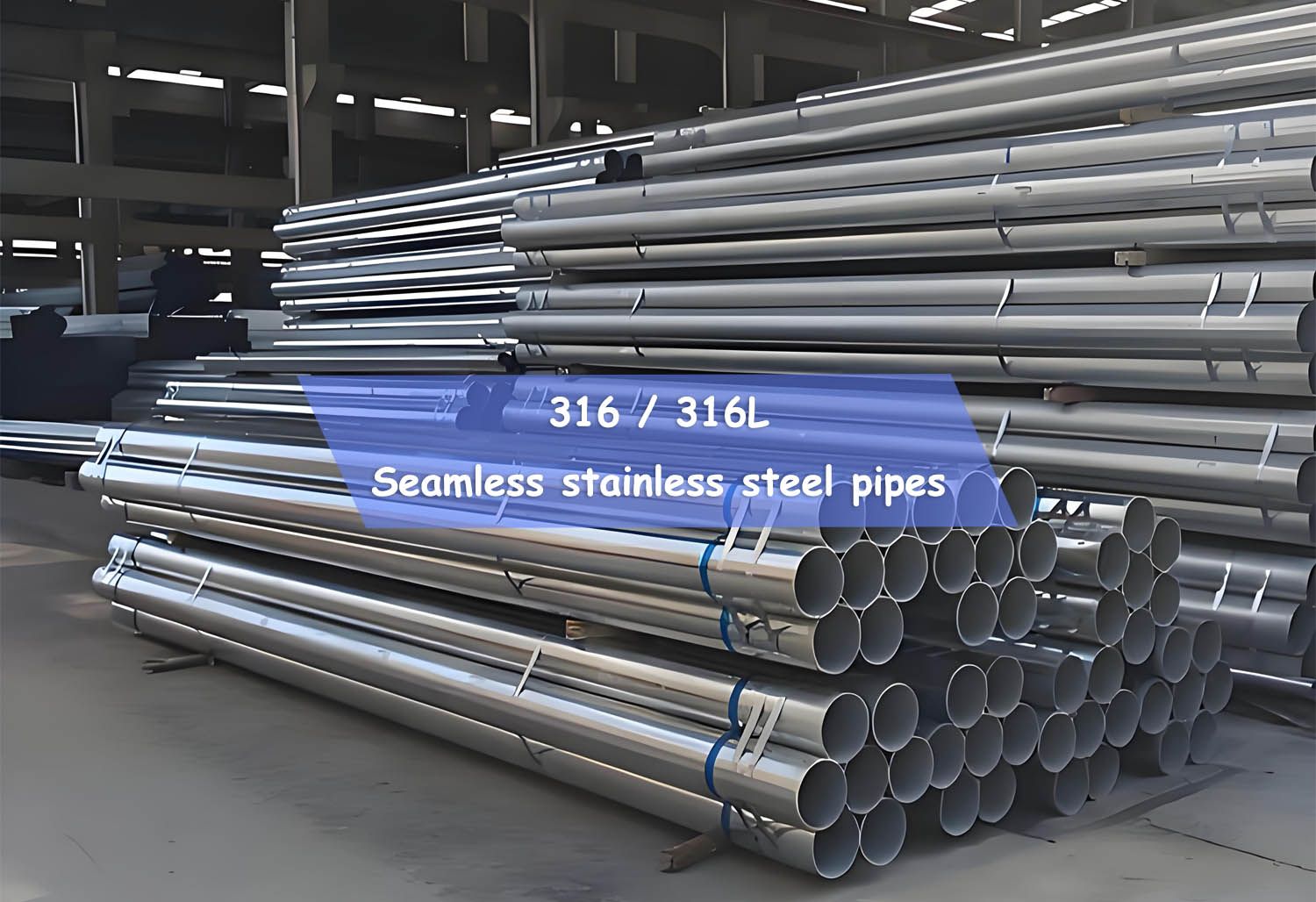
The reason why 316/316L stainless steel is widely recognized as a "marine-grade" metal lies mainly in its chemical composition, particularly the addition of molybdenum (Mo), with a content of 2.00%–3.00%. The addition of molybdenum significantly improves the material’s resistance to chloride-induced pitting and crevice corrosion.
316L is the low-carbon version of 316, with carbon content controlled at ≤0.03%. This small but important change effectively suppresses carbide precipitation during welding, thereby reducing the risk of intergranular corrosion. In offshore engineering projects that require extensive on-site welding, 316L is generally preferred.
Compared with welded stainless steel pipes, seamless stainless steel pipes are produced from solid round billets through piercing, cold drawing, or cold rolling.
No Weak Structural Points
A seamless pipe has no weld seam around its circumference. In the microcell corrosion effect of marine environments, weld seams are often the first weak points to be attacked. Seamless pipes completely eliminate the risk of "preferential weld corrosion."
High Pressure-Bearing Capacity
Seamless pipes have better structural uniformity and can withstand higher fluid working pressures. They are especially suitable for hydraulic systems, high-pressure water injection systems, and chemical injection pipelines on offshore platforms.
| Element | TP316 (%) | TP316L (%) |
| Carbon (C) | ≤0.08 | ≤0.035 |
| Chromium (Cr) | 16.0–18.0 | 16.0–18.0 |
| Nickel (Ni) | 10.0–14.0 | 10.0–14.0 |
| Molybdenum (Mo) | 2.00–3.00 | 2.00–3.00 |
| Manganese (Mn) | ≤2.0 | ≤2.0 |
| Silicon (Si) | ≤1.0 | ≤1.0 |
| Phosphorus (P) | ≤0.045 | ≤0.045 |
| Sulfur (S) | ≤0.030 | ≤0.030 |
ASTM A312 is a standard specification issued by the American Society for Testing and Materials (ASTM), titled "Standard Specification for Seamless, Welded, and Heavily Cold-Worked Austenitic Stainless Steel Pipes." This standard covers numerous austenitic stainless steel grades, such as TP304, TP304L, TP316, TP316L, TP321, and TP347—and serves as the core technical basis for stainless steel piping in the chemical, food processing, pharmaceutical, and oil and gas industries.
Pipes certified to this standard must pass strict tests such as intergranular corrosion testing, flattening testing, flange testing, and nondestructive testing, including hydrostatic testing or eddy current testing. These tests ensure that the pipes will not suffer brittle fracture under extreme pressure and complex stress conditions.
| Item | Specification |
| Material Grade | 316,316L |
| Outside Diameter | 6 mm – 610 mm |
| Wall Thickness | Sch 5S / 10S / 40S / 80S / 160 |
| Length | 6 m / 12 m / Fixed length or random length |
| Pressure Rating | Class 150 – Class 2500 |
| Surface Treatment | Pickling, bright annealing, polishing, etc. |
| Standards | ASTM A312 / A312M, ASME B36.19M, etc. |
| Applications | Shipbuilding, offshore platforms, seawater desalination plants, etc. |
Mechanical Properties
| Property | TP316 | TP316L |
| Tensile Strength, min. | 515 MPa | 485 MPa |
| Yield Strength, min. | 205 MPa | 170 MPa |
| Elongation, min. | 35% | 35% |
1. Excellent Resistance to Chloride Corrosion
The chloride ion concentration in seawater is typically between 10,000 and 35,000 ppm. Ordinary stainless steel, such as 304, may suffer severe corrosion within several years under such conditions.
The molybdenum content in 316/316L increases its pitting potential, with Eₚ higher than -0.2V, significantly improving its resistance to pitting corrosion and crevice attack.
2. Resistance to Biofouling and Oxidative Corrosion
Marine organisms, such as shellfish and algae, may attach to the pipe wall and form biofilms, accelerating localized corrosion. The molybdenum element on the surface of 316/316L helps inhibit biofilm formation, while its high nitrogen content, typically ≤0.75%, further enhances resistance to oxidation.
3. Stability Under High Temperature and High Pressure
Marine equipment, such as submersibles and offshore platforms, often operates under high-temperature and high-pressure conditions. 316/316L maintains its austenitic structure during long-term use at 800°C, without phase transformation or performance degradation.
4. Electrochemical Compatibility
When in contact with other metals, such as copper alloys and aluminum alloys, 316/316L has a relatively small potential difference, which helps reduce the risk of galvanic corrosion.
5. Good Weldability
Marine piping systems usually require extensive welded connections. The low-carbon composition of 316L reduces the risk of intergranular corrosion in the heat-affected zone after welding, making it more suitable for complex piping installation in marine engineering.
Based on the above performance advantages, ASTM A312 316/316L seamless stainless steel pipe is widely used in the marine sector, including:
Ship Piping Systems
Seawater cooling pipes
Ballast water pipes
Firefighting pipelines
Offshore Oil Platforms
Pipelines and equipment exposed to seawater and chemical media
Seawater Treatment Facilities
Seawater desalination units
Wastewater treatment systems
Marine Structural Components
Structural piping for deep-sea engineering equipment
1. Pickled Surface
Pickling removes oxide scale, welding heat tint, and iron contamination, restoring a uniform stainless steel surface.
2. Passivation Treatment
Passivation helps strengthen the passive film on the stainless steel surface and improve corrosion resistance. For 316/316L Marine Seamless stainless steel pipe, passivation is highly beneficial.
3. Polishing Treatment
In applications requiring high cleanliness and reduced adhesion, mechanical polishing or electropolishing can be used to reduce surface roughness and minimize deposit accumulation.
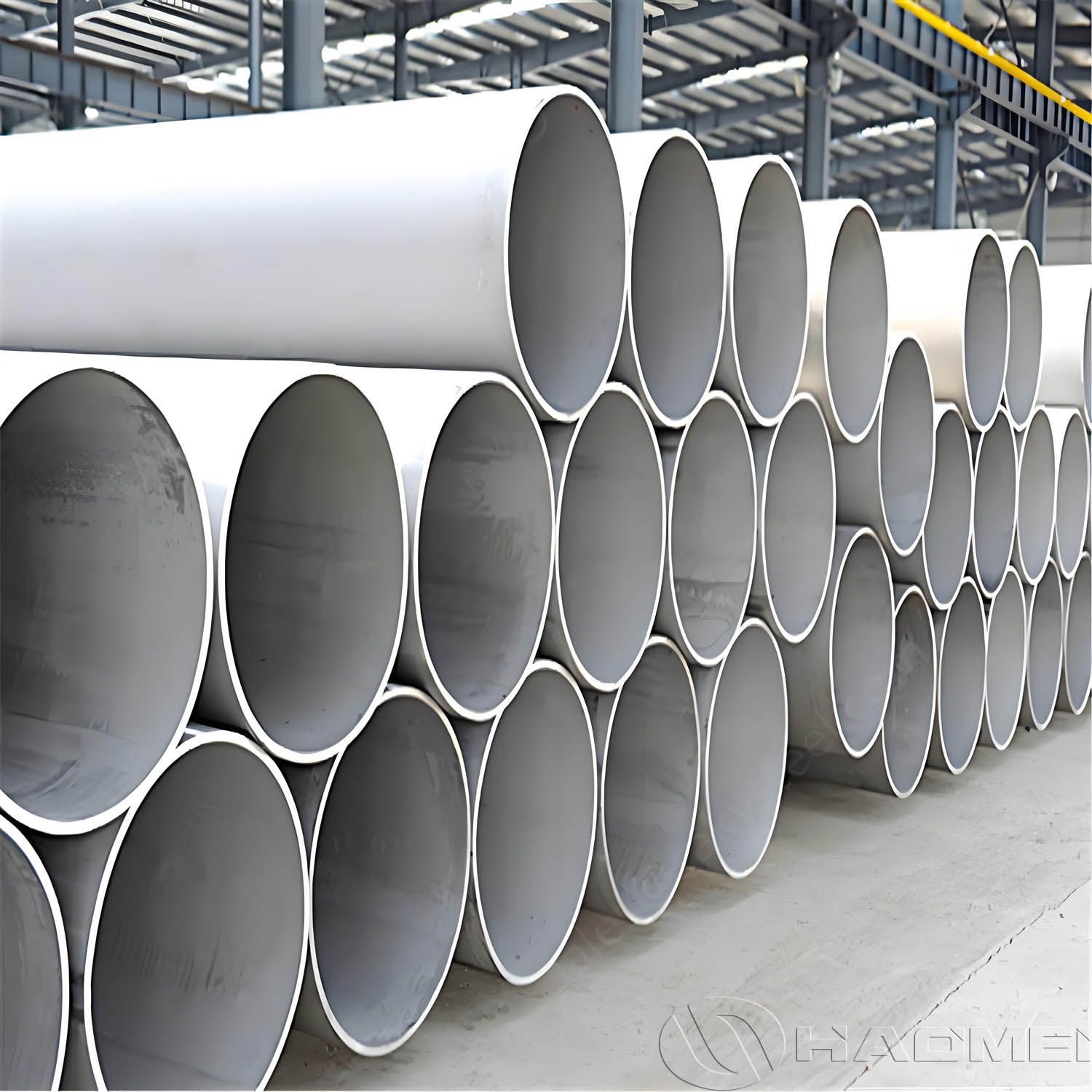
In many projects, users often choose between 304 and 316/316L. Both are austenitic stainless steels, but their performance differs significantly in marine environments.
| Comparison Item | 304 Stainless Steel Pipe | 316/316L Stainless Steel Pipe |
| Main Feature | General-purpose stainless steel | Contains molybdenum; better chloride corrosion resistance |
| Salt Spray Resistance | Moderate | Better |
| Pitting Resistance | Weaker | Stronger |
| Suitability for Marine Environments | Not recommended for long-term direct use | More suitable for marine and coastal environments |
| Cost | Lower | Higher |
| Typical Applications | Food, decoration, general industry | Shipbuilding, marine engineering, chemical industry, seawater treatment |
If the project is located indoors or in a low-corrosion environment, 304 may be sufficient. However, if the piping system is exposed to coastal areas, salt spray, seawater splash, or chloride-containing media for a long time, 316/316L is usually the safer and more reliable choice.
Q1: What is the main difference between 316 and 316L stainless steel pipes?
316L has a lower carbon content, generally ≤0.03%, which gives it better weldability and stronger resistance to intergranular corrosion. It is more suitable for seawater environments and welded structures.
Q2: Is 316L suitable for long-term immersion in seawater?
Yes. 316L has good resistance to chloride ion corrosion and is suitable for environments involving long-term seawater contact, such as seawater desalination and ship ballast water systems.
Q3: Why is 316L recommended for marine engineering instead of 304?
304 does not contain molybdenum and has weaker resistance to pitting corrosion. 316L contains 2%–3% Mo, which significantly improves its resistance to seawater corrosion.
Q4: Which is better in marine environments, seamless pipe or welded pipe?
Seamless pipe has a more uniform structure and no weld seam weakness, making it more suitable for high-pressure seawater systems and critical engineering applications.
Q5: How long is the service life of 316L stainless steel pipe?
In normal marine environments, its service life can reach 10–25 years, depending on water quality, flow velocity, and maintenance conditions.
Q6: Does 316L stainless steel pipe require additional anti-corrosion treatment?
Generally, no additional treatment is required. However, in extreme seawater conditions or high-flow environments, electropolishing or protective coatings can be used to enhance protection.
 01
01
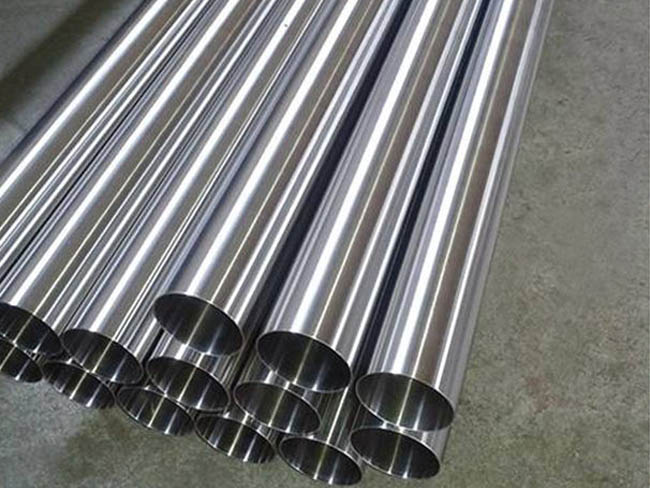
TP316 seamless stainless steel pipe offers excellent corrosion resistance and strength for chemical, marine, food, and petrochemical applications. Manufactured to ASTM A312, A213, and EN 10216-5 standards with customizable sizes and finishes.
 02
02
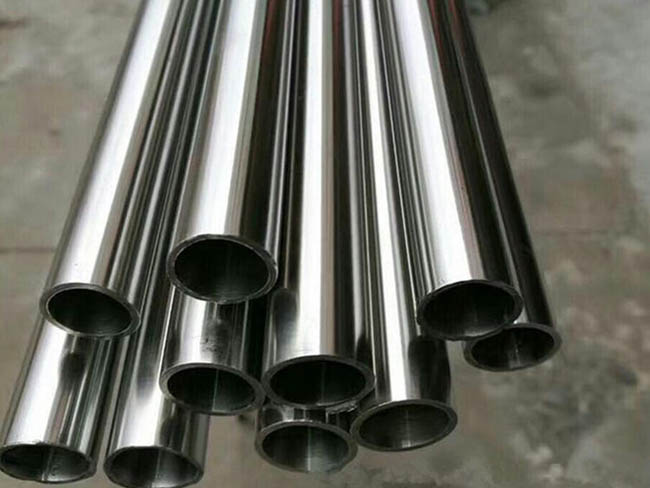
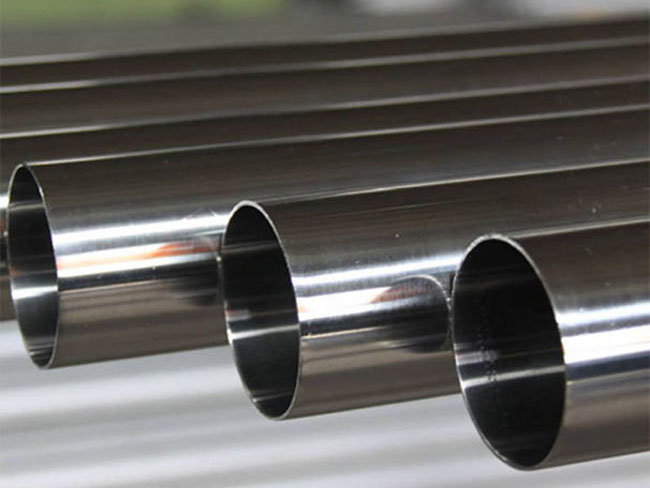
304L stainless steel pipe is produced from the low-carbon version of the widely used austenitic 18-8 stainless steel. The reduced carbon content allows it to be welded without causing localized corrosion. This is because 304L stainless steel produces less
 03
03
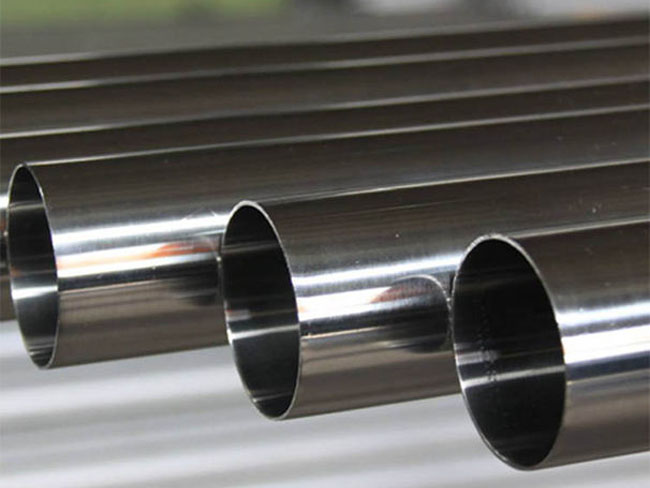
Duplex stainless steel pipe consists of approximately equal proportions of ferrite and austenite stainless steel phases. It combines the high strength of ferritic stainless steel with the toughness of austenitic stainless steel. Its yield strength is gene
 04
04
TP316L seamless stainless steel pipe conforms to ASTM A312, A213 and A269 standards, and has excellent corrosion resistance and low carbon welding performance, making it suitable for the chemical, shipbuilding, pharmaceutical and food industries.