
-
Email
-
WhatsApp
-
Address
Zhengzhou, China
Zhengzhou, China
 By Hermione
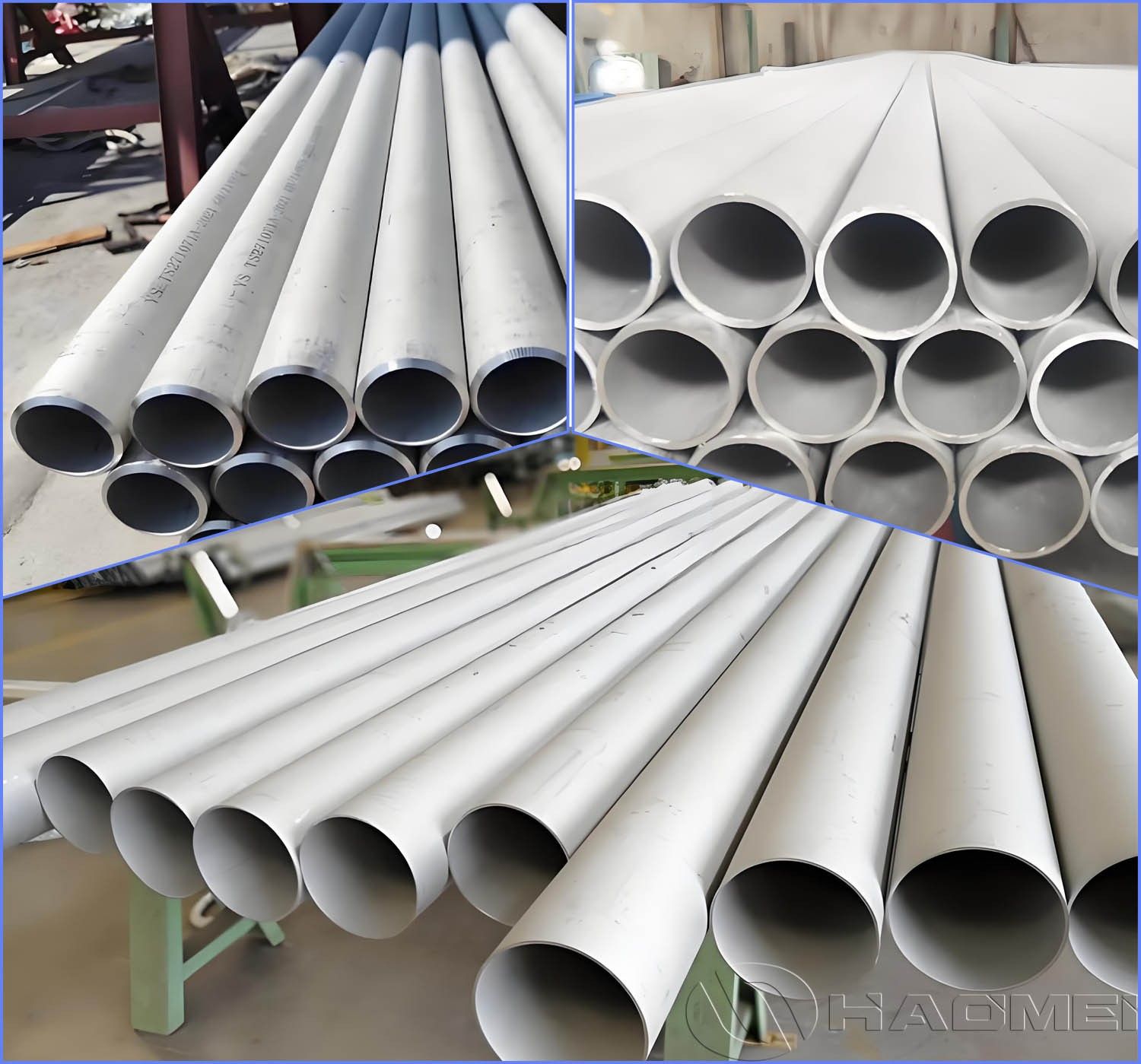
An Omani customer ordered a batch of seamless stainless steel pipes with an outer diameter of 4 inches (114.3 mm) and a wall thickness of SCH 80 (12.7 mm) from our company. Production standards are in accordance with ASME B36.19M, and the material requirements are ASTM A312. Seamless steel pipes are one of our main products. Due to the successful cooperation of previous orders, this customer has a high level of trust in us, and chose our company again for this large-scale purchase. After communicating with the customer to confirm some production and packaging details, we successfully secured the order.
"4 inches" usually refers to the nominal diameter of the pipe (NPS 4), while "SCH 80" indicates the wall thickness grade.
It is important to note that NPS 4 does not mean that the actual outer diameter of the steel pipe is 4 inches. According to the common ASME B36.19M sizing system, the standard outer diameter of NPS 4 stainless steel pipe is approximately 114.3 mm.
SCH 80 is a thicker-walled grade, with a greater wall thickness compared to common grades like SCH 10S and SCH 40S, thus typically offering higher pressure resistance and mechanical strength.
For industrial piping systems requiring resistance to high pressure, temperature variations, or mechanical loads, 4-inch SCH 80 seamless stainless steel pipe provides more reliable structural support.
| Project | Common Specifications |
| Nominal Size | NPS 4 / DN100 |
| Outer Diameter | 114.3 mm |
| Pipe type | Seamless stainless steel pipe |
| Wall Thickness Grade | SCH 80 |
| Commonly used materials | 304/304L, 316/316L |
| End forms | PE, BE, etc. |
| Length | Usually fixed length or random length. |
| Manufacturing methods | Hot-rolled seamless, cold-drawn seamless, cold-rolled seamless. |
| surface | Pickling, annealing, etc. |
| Applications | Chemical, petroleum, natural gas, power, industrial fluid transportation, etc. |
| Common Standards | ASTM A312, ASTM A269, ASTM A213, ASME B36.19M, etc. |
4-inch SCH 80 seamless stainless steel pipes are available in different grades depending on the application environment. Common materials include:
304 and 304L are widely used austenitic stainless steel materials with good corrosion resistance, formability, and weldability. They are suitable for general industrial environments, food processing equipment, building decoration, clean fluid transportation, and general chemical pipelines.
304: Suitable for general corrosion-resistant conditions;
304L: A low-carbon version with better resistance to intergranular corrosion after welding, suitable for piping systems requiring extensive welding.
316 and 316L contain molybdenum, and their resistance to pitting corrosion, crevice corrosion, and chloride ion corrosion is superior to the 304 series. They are particularly suitable for marine environments, salt spray environments, coastal engineering, chemical media, pharmaceutical equipment, and chloride ion-containing fluid transportation systems.
316: Suitable for general operating conditions requiring high corrosion resistance;
316L: Low-carbon version, combining good weldability and resistance to intergranular corrosion.
For seawater, strong chloride ion, offshore platforms, oil and gas, and highly corrosive media environments, duplex stainless steel materials such as 2205 and 2507 can be selected. These materials typically have high strength and excellent resistance to chloride stress corrosion cracking.
Compared to the more common SCH 40 pipe, SCH 80 seamless stainless steel pipe offers several advantages:
Superior Pressure Resistance: The thicker wall allows it to withstand higher pressures. For example, the pressure resistance of SCH 80 (approximately 15 MPa) is significantly higher than that of SCH 40 (approximately 10 MPa) for NPS 2 pipe.
Greater Mechanical Strength: The thicker wall design provides greater structural strength, better resisting external impacts and internal stresses.
Excellent Corrosion Resistance: Stainless steel itself has strong resistance to rust, pitting, and oxidation.
High Temperature Resistance: Designed for high-temperature applications, it maintains stable performance under harsh temperature conditions.
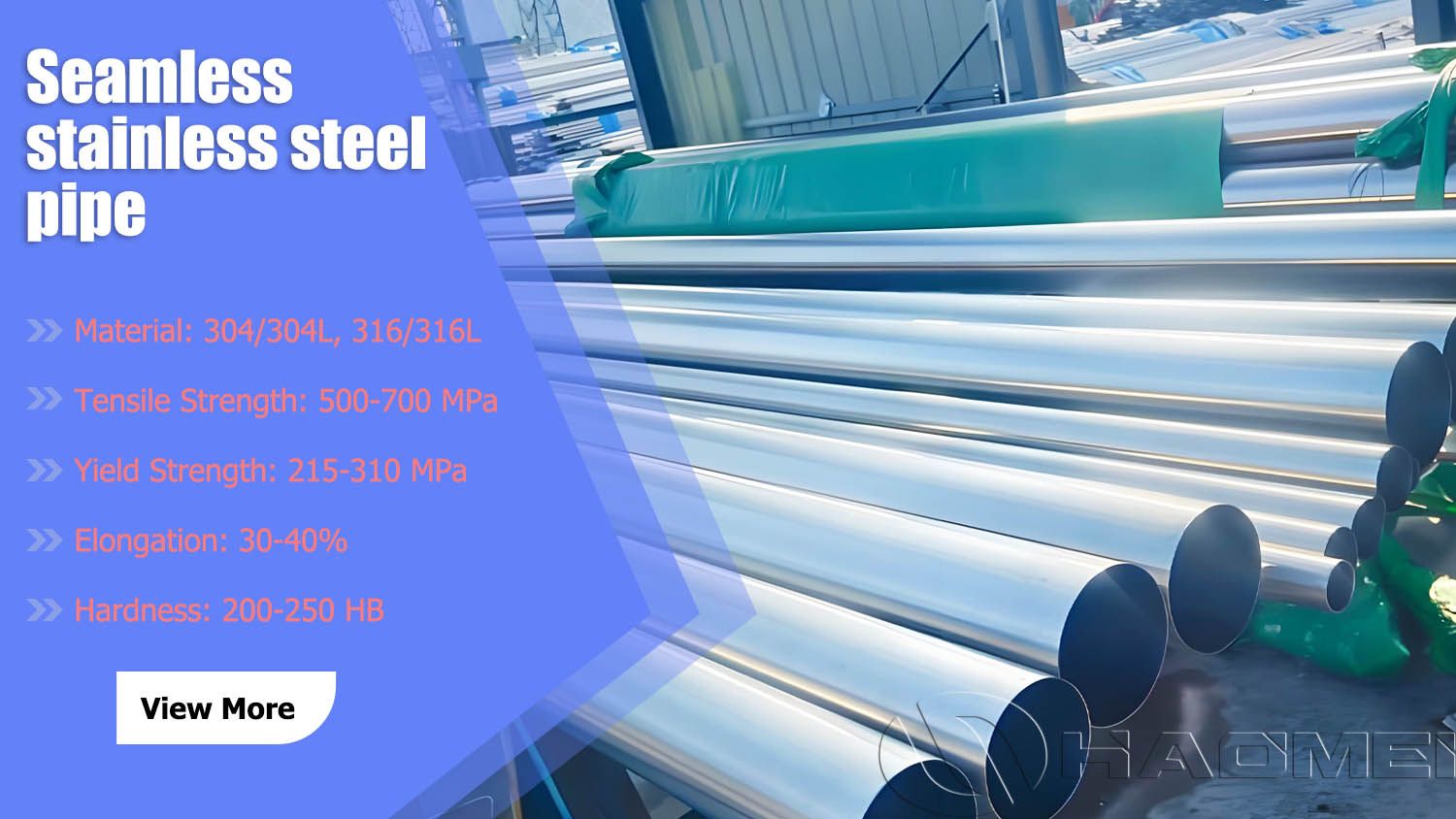
4-inch SCH 80 seamless stainless steel pipe is manufactured using a seamless process, unlike welded steel pipe, its body has no longitudinal welds.
This gives seamless pipe a significant advantage in high-pressure, high-temperature, and high-reliability applications.
1.High-Pressure Adaptability
The seamless structure reduces potential structural weaknesses in welded areas, making it suitable for systems with high requirements for pipeline integrity.
2.Good Pressure Resistance
Combined with the relatively thick wall of SCH 80, the seamless structure can meet the needs of many industrial pressure pipeline applications.
3.Continuous Inner Wall
The seamless pipe has good inner wall integrity, which is beneficial for stable fluid transport and is also suitable for applications with high requirements for internal pipeline quality.
4.Long-Term Reliability
The combination of high-quality stainless steel materials and a seamless structure improves the long-term reliability of the pipeline in complex industrial environments.
Depending on the project location, industry requirements, and design specifications, 4-inch SCH 80 seamless stainless steel pipes can be manufactured and supplied according to the following standards:
ASTM A312: Standard for seamless, welded, and cryogenically worked austenitic stainless steel tubes;
ASTM A269: Standard for general-purpose seamless and welded austenitic stainless steel tubes;
ASTM A213: Seamless ferritic and austenitic alloy steel tubes for boilers, superheaters, and heat exchangers;
ASME SA312: ASME material standard commonly used in pressure vessels and boilers;
ASME B36.19M: Stainless steel tube size standard;
EN 10216-5: European standard for seamless stainless steel tubes for pressure applications;
JIS G3459 / JIS G3463: Japanese Industrial Standards for stainless steel tubes;
GB/T 14976: Standard for seamless stainless steel tubes for fluid transport.
For export orders or large-scale engineering projects, materials and inspection documents conforming to EN, DIN, JIS, GOST, ASME, and other systems can also be provided upon request.
Oil & Gas: Used in oil and gas pipelines, offshore platform risers, etc.
Chemical & Petrochemical: Used for transporting corrosive chemicals and high-temperature, high-pressure fluids.
Power Energy: Used in boiler piping, steam distribution networks, and heat exchanger connections.
High-Pressure Fluid Systems: Used for high-pressure gas transport, high-pressure water systems, and fire protection systems.
Marine Engineering: Used in seawater systems, ship ballast pipes, etc.
 01
01
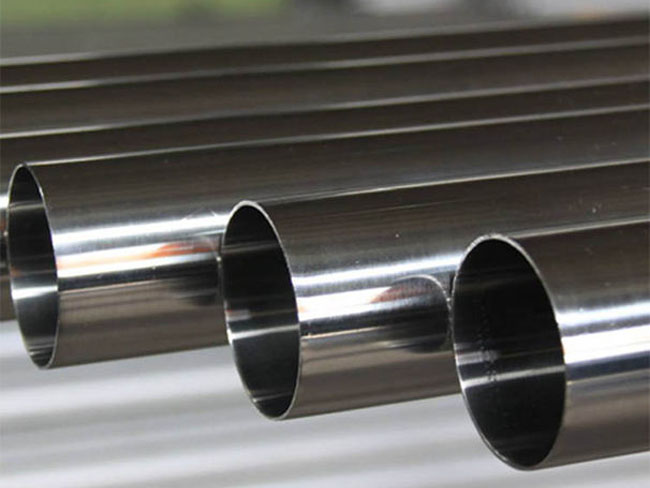
TP316L seamless stainless steel pipe conforms to ASTM A312, A213 and A269 standards, and has excellent corrosion resistance and low carbon welding performance, making it suitable for the chemical, shipbuilding, pharmaceutical and food industries.
 02
02
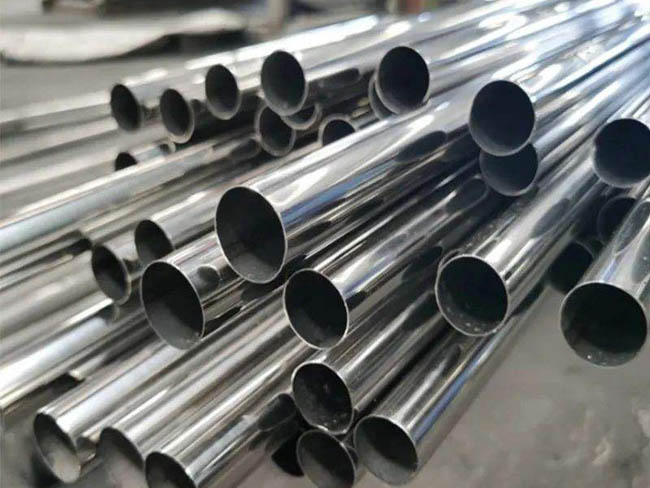
Small diameter seamless steel tubes refer to steel pipes with a relatively small outer diameter and a seamless structure without welding joints. The typical outer diameter range is 6 mm–89 mm. These pipes are manufactured through processes such as piercin
 03
03
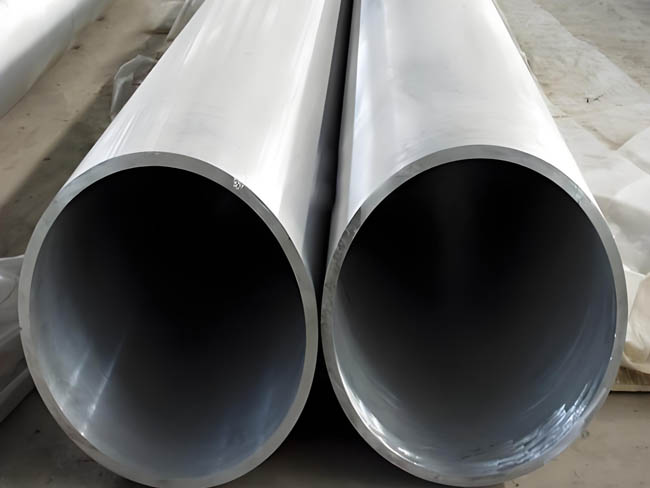
Large diameter seamless steel pipes typically refer to pipes with an outer diameter of 219 mm or larger, and in some cases up to 1020 mm. Compared with standard-size pipes, large-diameter seamless pipes are manufactured using advanced hot rolling or hot e
 04
04
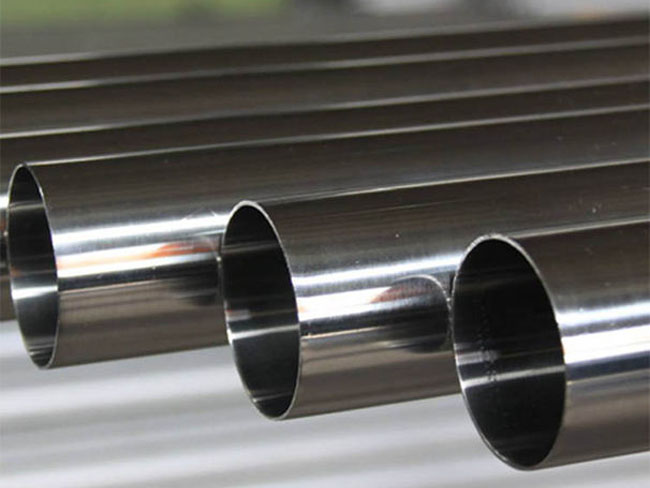
Marine seamless stainless steel pipes are manufactured from austenitic stainless steels such as 304, 304L, 316, and 316L. They feature excellent seawater corrosion resistance and high structural strength, and are widely used in ship piping systems, seawat