
-
Email
-
WhatsApp
-
Address
Zhengzhou, China
Zhengzhou, China
 By Hermione
In offshore platforms, marine equipment, chemical fluid transfer systems, seawater desalination plants, and salt-spray corrosive environments, ordinary carbon steel and 304 stainless steel pipes may face challenges such as pitting corrosion, crevice corrosion, intergranular corrosion, and chloride attack.
With its low-carbon molybdenum-alloy composition, bright annealed (BA) precision surface, and seamless uniform metallographic structure, 316L BA seamless stainless steel pipe is widely selected for corrosion-resistant fluid piping in marine engineering and fine chemical industries. It is suitable for high-pressure, clean, and highly corrosive media transfer applications.
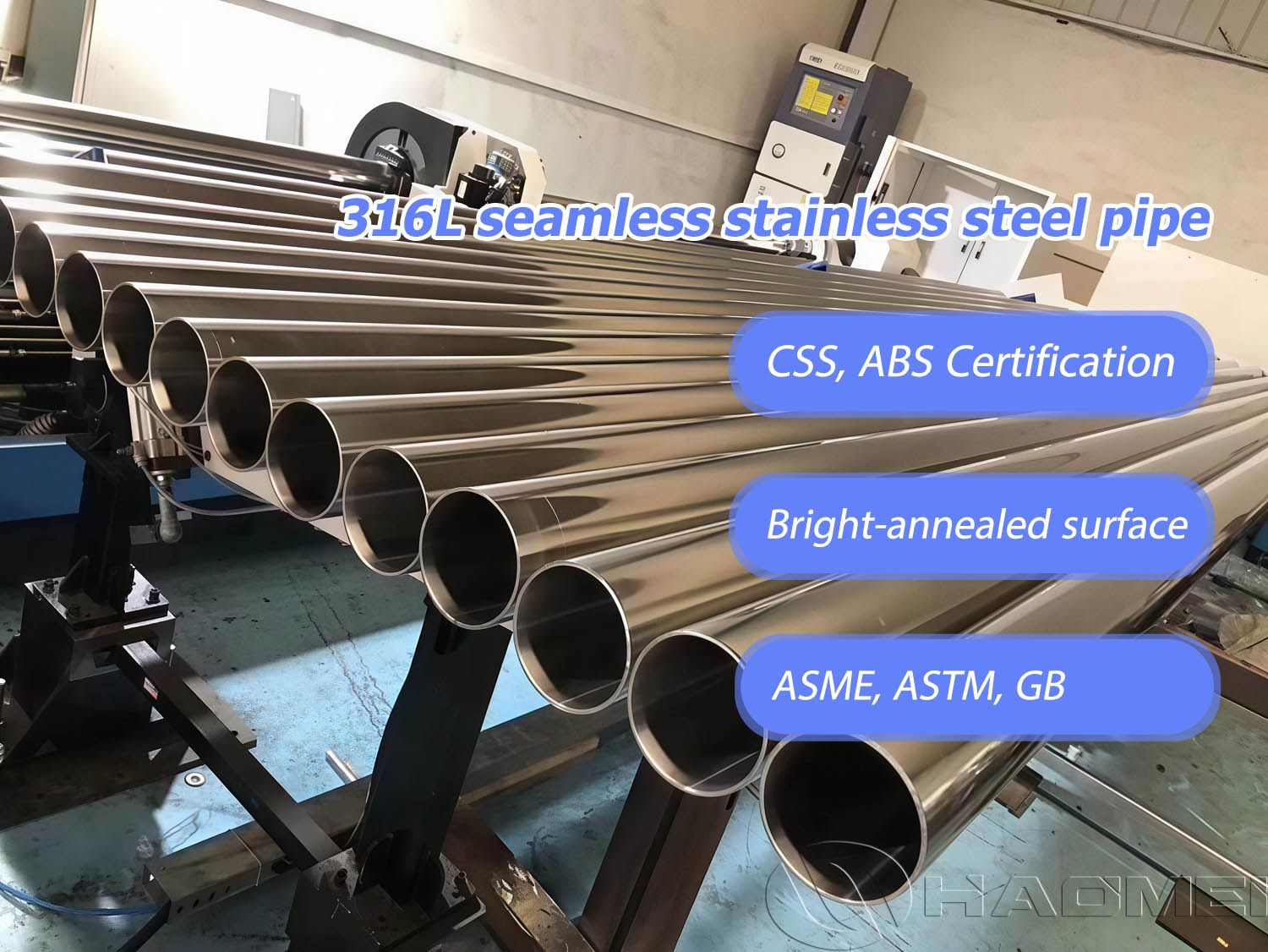
316L is a low-carbon austenitic stainless steel, also known as 022Cr17Ni12Mo2 or UNS S31603. The “L” stands for low carbon, with a carbon content of ≤0.03%, helping reduce the risk of intergranular corrosion after welding.
The addition of molybdenum significantly improves resistance to chloride corrosion, which is one of the main differences between 316L and 304 stainless steel.
BA stands for Bright Annealing. During this process, the pipe is solution annealed in a protective atmosphere. This prevents the formation of oxide scale and eliminates the need for pickling. The result is a uniform, bright metallic surface with high internal cleanliness and minimal oxidation, impurities, or surface pits.
For piping systems that require high surface cleanliness, easy cleaning, or better control over fluid purity, BA-finished pipes offer important practical advantages.
The seamless manufacturing process uses solid stainless steel billets that are pierced and extruded into pipe. Since there is no weld seam, the pipe has no welded weak zone. Its metallographic structure is continuous and uniform, providing more consistent pressure resistance and corrosion performance than welded pipe.
This product is widely used in marine engineering, seawater systems, chemical process pipelines, oil and gas auxiliary lines, salt chemical projects, and water treatment facilities. Supply can be provided in accordance with ASME, ASTM, GB, EN, and other applicable standards for domestic and export projects.
The corrosion resistance of 316L is closely related to its alloy composition. Chromium helps form a stable passive film; nickel supports a stable austenitic structure; and molybdenum improves resistance to localized corrosion in chloride-containing environments.
The following table shows typical chemical composition ranges for 316L stainless steel. Final requirements should be determined according to the applicable material standard and project specification.
Chemical Element | Typical Content by Mass |
| Carbon (C) | ≤ 0.030% |
| Chromium (Cr) | 16.0–18.0% |
| Nickel (Ni) | 10.0–14.0% |
| Molybdenum (Mo) | 2.0–3.0% |
| Manganese (Mn) | ≤ 2.0% |
| Silicon (Si) | ≤ 0.75% |
| Phosphorus (P) | ≤ 0.045% |
| Sulfur (S) | ≤ 0.030% |
The low carbon content of 316L is one of its key characteristics. Compared with standard 316 stainless steel, 316L is less susceptible to sensitization and intergranular corrosion during welding, making it suitable for piping and equipment fabrication projects involving welded connections.
Material Grade | 316L / UNS S31603 |
| Manufacturing Process | Seamless |
| Outside Diameter Range | Ø6 mm–Ø219 mm; larger sizes available upon request |
| Wall Thickness | 0.8 mm–12 mm; precision tolerances available upon request |
| Available Standards | ASTM A312 / ASTM A269 / GB/T 14976 / EN 10216-5 |
| Condition | BA bright annealed / solution annealed |
Surface Finish | Bright internal and external surface, free from oxide scale; surface roughness Ra can be controlled |
| Testing | Hydrostatic pressure test, eddy current testing, random intergranular corrosion testing, PMI spectrometer verification |
| Packaging | Plastic protection, bundled packaging, or wooden cases |
Marine Engineering and Offshore Equipment: Seawater cooling systems for offshore platforms, ballast auxiliary piping, subsea sampling lines, seawater piping for vessels, instrumentation tubing for offshore wind power facilities, and piping in coastal tidal zones (subject to long-term salt spray and intermittent seawater immersion).
Chemical and Fine Chemical Industry: Fluid piping for chemical reactors; transport of acid, alkali, and salt solutions; piping for the production of agrochemicals, pharmaceutical intermediates, and dyes; and auxiliary piping for desulfurization and denitrification systems.
Seawater Desalination and Water Treatment: High-pressure piping for reverse osmosis (RO) systems, seawater pre-treatment piping, concentrated brine transport, and piping systems for chlorine-based disinfectants.
Other Corrosive Environments: Salt chemical industry, geothermal/hot spring piping, sanitary fluid piping for the food and pharmaceutical industries, and high-purity media piping for laboratories.
Billet inspection → Heating and piercing → Cold drawing / cold rolling precision forming → Sizing and straightening → Bright annealing in a protective atmosphere → Internal and external surface finishing → Non-destructive testing (eddy current + hydrostatic test) → Dimensional and surface inspection → Cutting, end finishing, marking, and packaging
Surface quality is controlled throughout the production process to avoid scratches, peeling, black spots, and other defects. For each batch, material certificates, corrosion test reports, and hydrostatic test reports can be provided to meet the inspection requirements of third-party inspectors, classification societies, and chemical engineering projects.
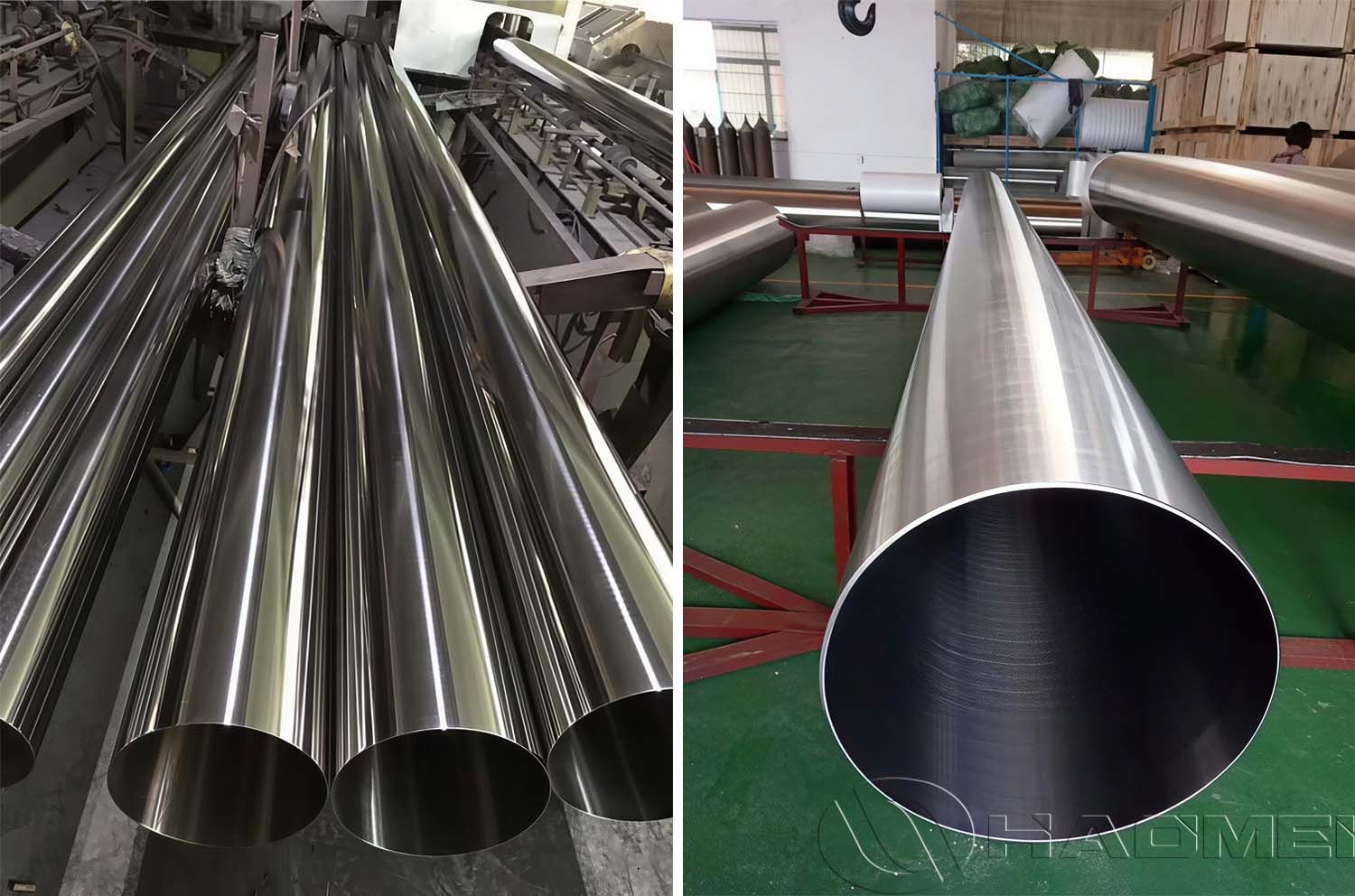
The surface condition of stainless steel pipe affects corrosion performance, cleaning and maintenance requirements, and overall appearance. BA bright annealed surfaces generally offer the following benefits:
Bright, smooth, and uniform surface appearance
Reduced oxide scale generated during high-temperature annealing
Easier cleaning, polishing, bending, and assembly
Reduced possibility of impurity and residue adhesion
Suitable for industrial piping systems with certain surface cleanliness requirements
Please note that a BA surface finish does not mean the pipe is suitable for every extreme corrosive environment. For high-concentration chlorides, high-temperature seawater, strong acids or alkalis, or special chemical media, professional material selection and corrosion evaluation should still be performed based on the actual medium composition, temperature, pressure, flow rate, and service life.
Q1: What is the difference between 316L BA seamless pipe and ordinary pickled 316L seamless pipe?
A: The main difference is the annealing environment and resulting surface finish. BA pipe is bright annealed in a protective atmosphere, producing a clean and smooth surface without oxide scale. Pickled pipe is annealed and then pickled to remove oxide scale; its surface is generally less smooth and may contain microscopic pits. Such surface conditions can more easily retain deposits and increase the risk of crevice corrosion. For marine and clean chemical applications, BA-finished pipe is often preferred.
Q2: How should I choose between 316L BA pipe and 304 BA pipe?
A: For environments containing chlorides, such as seawater, brine, or salt spray, 316L is generally the preferred choice because of its molybdenum content and stronger corrosion resistance. For freshwater, dry air, and non-chloride media, 304 BA pipe may be sufficient and is usually more cost-effective.
Q3: Can BA pipe be welded? Will welding damage the BA surface?
A: Yes, BA pipe can be welded normally. However, the bright surface finish will be affected in the heat-affected zone and around the weld seam. For corrosion-sensitive applications, weld cleaning and passivation treatment are recommended after welding.
Q4: Do you support export packaging and marine inspection documents?
A: Yes. English material certificates, non-destructive testing reports, and other required inspection documents can be provided. Pipes can be packed in moisture-proof sealed packaging suitable for ocean freight export.
 01
Small diameter seamless steel tubes refer to steel pipes with a relatively small outer diameter and a seamless structure without welding joints. The typical outer diameter range is 6 mm–89 mm. These pipes are manufactured through processes such as piercin
 02
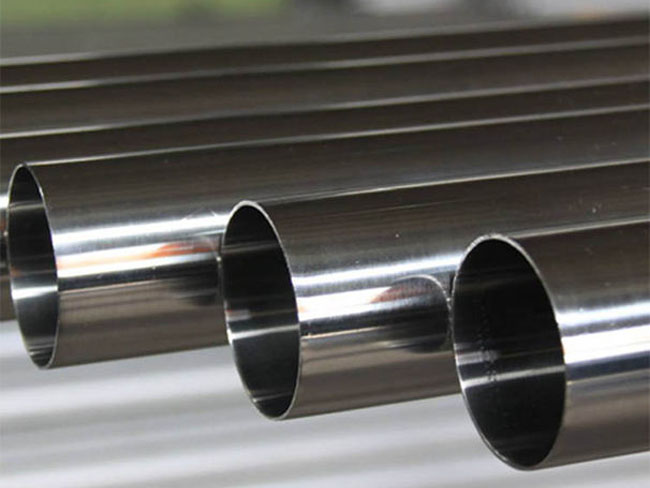
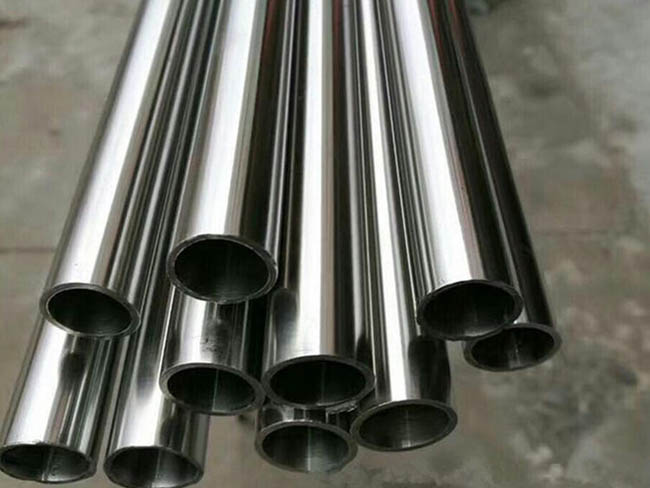
TP316L seamless stainless steel pipe conforms to ASTM A312, A213 and A269 standards, and has excellent corrosion resistance and low carbon welding performance, making it suitable for the chemical, shipbuilding, pharmaceutical and food industries.
 03
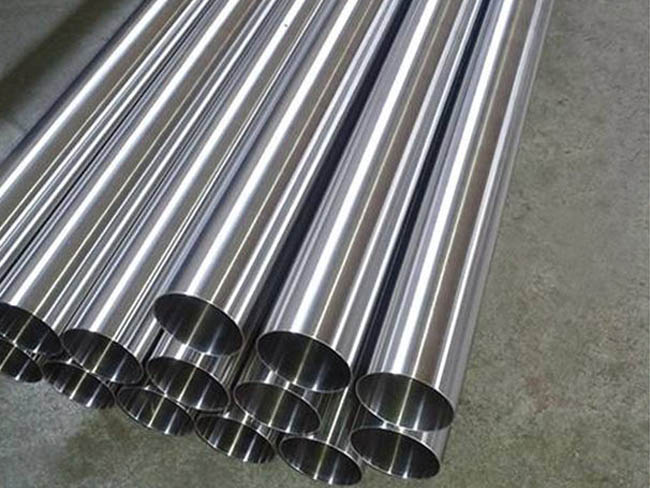
304L stainless steel pipe is produced from the low-carbon version of the widely used austenitic 18-8 stainless steel. The reduced carbon content allows it to be welded without causing localized corrosion. This is because 304L stainless steel produces less
 04
TP316 seamless stainless steel pipe offers excellent corrosion resistance and strength for chemical, marine, food, and petrochemical applications. Manufactured to ASTM A312, A213, and EN 10216-5 standards with customizable sizes and finishes.