
-
Email
-
WhatsApp
-
Address
Zhengzhou, China
Zhengzhou, China
 By Hermione
316L stainless steel seamless pipe is a common austenitic stainless steel pipe material. Thanks to its good corrosion resistance, weldability, and mechanical properties, it is widely used in chemical processing, food, pharmaceuticals, marine engineering, heat exchange equipment, and other industries. So, can 316L stainless steel seamless pipe withstand seawater corrosion? The answer is: it can resist seawater corrosion under certain conditions, but it is not suitable for long-term, direct, stagnant, or high-temperature seawater environments.
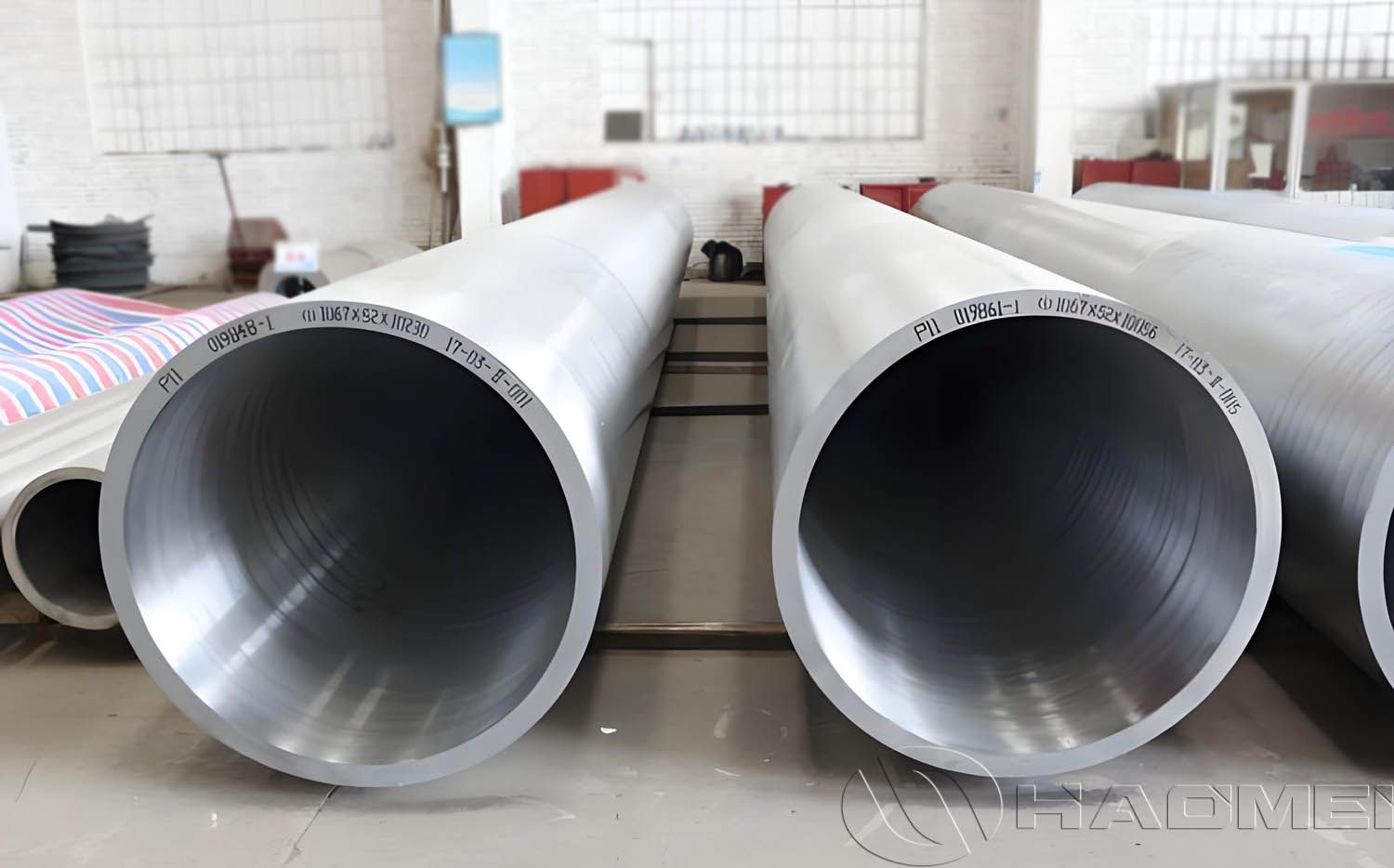
316L stainless steel is a classic grade of austenitic stainless steel. Its chemical composition includes three key elements: chromium (Cr), nickel (Ni), and molybdenum (Mo), with molybdenum content generally between 2% and 3%. Compared with commonly used 304 stainless steel, 316L significantly improves resistance to chloride-induced localized corrosion, such as pitting and crevice corrosion, by adding molybdenum.
Molybdenum (Mo):
Molybdenum is the "core shield" of 316L. It helps form a more stable and dense passive film on the metal surface, effectively preventing further chloride ion attack.
Chromium (Cr):
Chromium forms a Cr₂O₃ passive layer, which is the foundation of stainless steel's corrosion resistance.
Nickel (Ni):
Nickel maintains the austenitic structure and improves the plasticity and corrosion resistance of the metal.
Low Carbon "L":
The low carbon content reduces the risk of intergranular corrosion after welding.
The answer is: it depends on the working conditions.
In marine engineering, seawater conditions are constantly changing. 316L seamless pipe performs very differently under different seawater environments.
Flowing seawater with a velocity greater than 1–1.5 m/s:
316L performs well in flowing seawater. This is because flowing seawater contains dissolved oxygen, which helps the passive film on the stainless steel surface continuously repair itself. At the same time, higher flow velocity can reduce the attachment of marine organisms such as barnacles and shellfish. Under such conditions, 316L seamless pipe shows excellent corrosion resistance.
Marine atmospheric environment:
For applications that do not directly contact seawater but are exposed to sea wind and salt spray, such as decks and coastal structures, 316L seamless pipe can achieve a very long service life.
Stagnant or intermittent seawater:
If seawater remains stagnant inside the pipe for a long time, marine organisms, mud, and sand may accumulate. This can create oxygen-deficient areas under the deposits, which can easily cause crevice corrosion.
High-temperature seawater above 50°C–60°C:
As temperature increases, chloride ion activity increases rapidly. In seawater environments above 60°C, 316L is more likely to suffer stress corrosion cracking (SCC), which may lead to sudden brittle failure of the pipe.
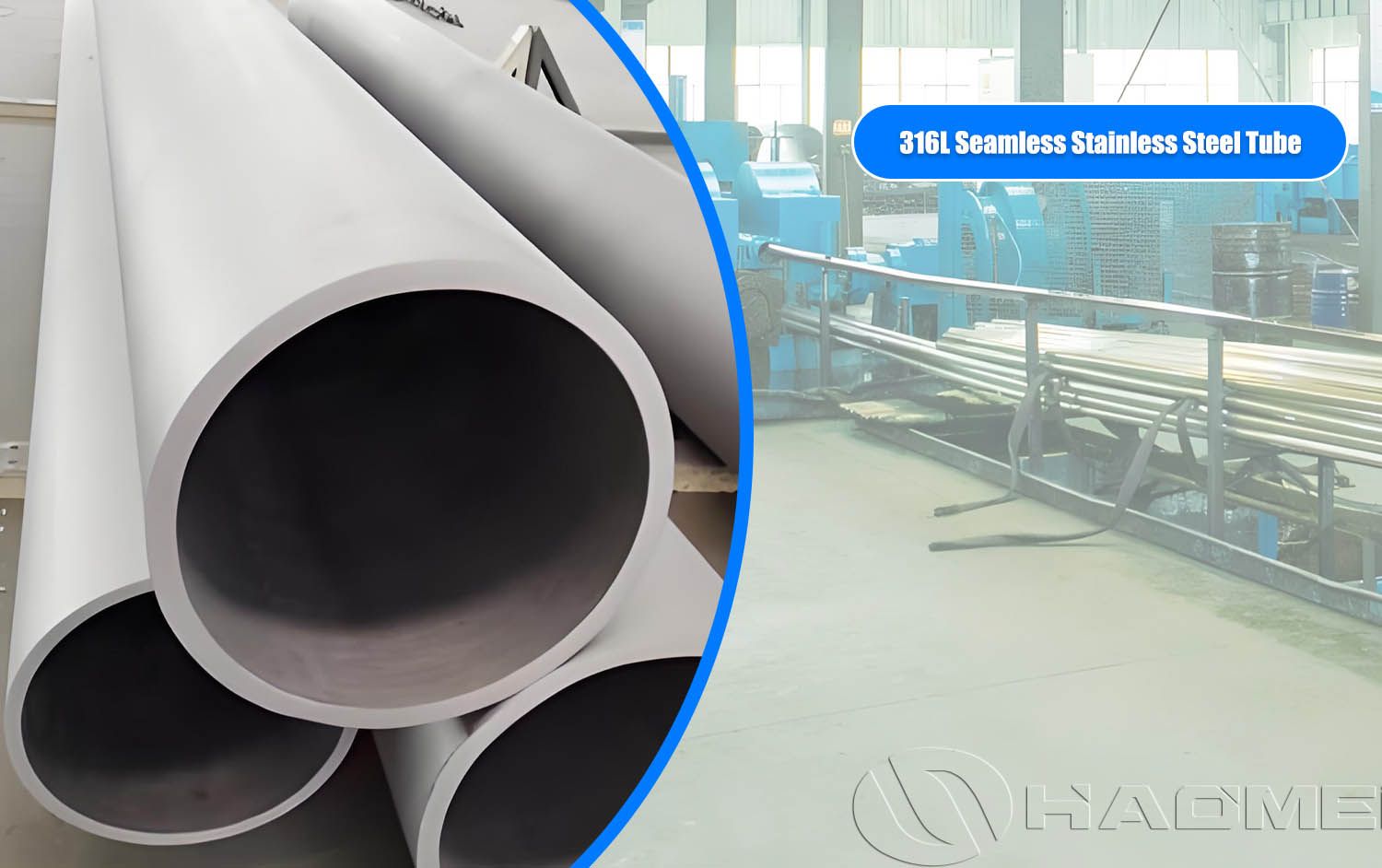
Corrosion Resistance:Due to its molybdenum content, 316L has strong resistance to acids, alkalis, salts, and certain chemical media. It is suitable for coastal areas, humid environments, and some chemical medium transportation applications.
Pitting Corrosion Resistance:316L contains about 2% molybdenum, which makes its pitting corrosion resistance significantly better than that of 304 stainless steel. In coastal air, salt spray environments, or low-concentration chloride media, 316L seamless stainless steel pipe generally has a longer service life than ordinary 304 pipe.
Weldability:316L seamless stainless steel pipe can be connected by argon arc welding, plasma welding, and other welding methods. The welded joints are stable in quality. If pickling and passivation treatment is carried out after welding, the corrosion resistance of the weld and heat-affected zone can be further improved.
Stable Mechanical Properties:316L seamless stainless steel pipe has good strength, toughness, and plasticity, meeting the requirements of most industrial piping systems for pressure resistance, impact resistance, and forming performance.
High and Low Temperature Resistance:316L stainless steel can maintain good performance over a wide temperature range. It can be used for certain hot fluid transportation applications and can also maintain good toughness in low-temperature environments.
Good Surface Quality:The surface of 316L seamless stainless steel pipe can be polished, pickled, and passivated. It has high surface smoothness, is not easy to accumulate dirt, and is easy to clean.
Long Service Life and Cost Efficiency:In corrosive environments or applications where maintenance is inconvenient, choosing 316L can reduce replacement frequency and downtime losses. From the perspective of long-term use, it offers good overall cost performance.
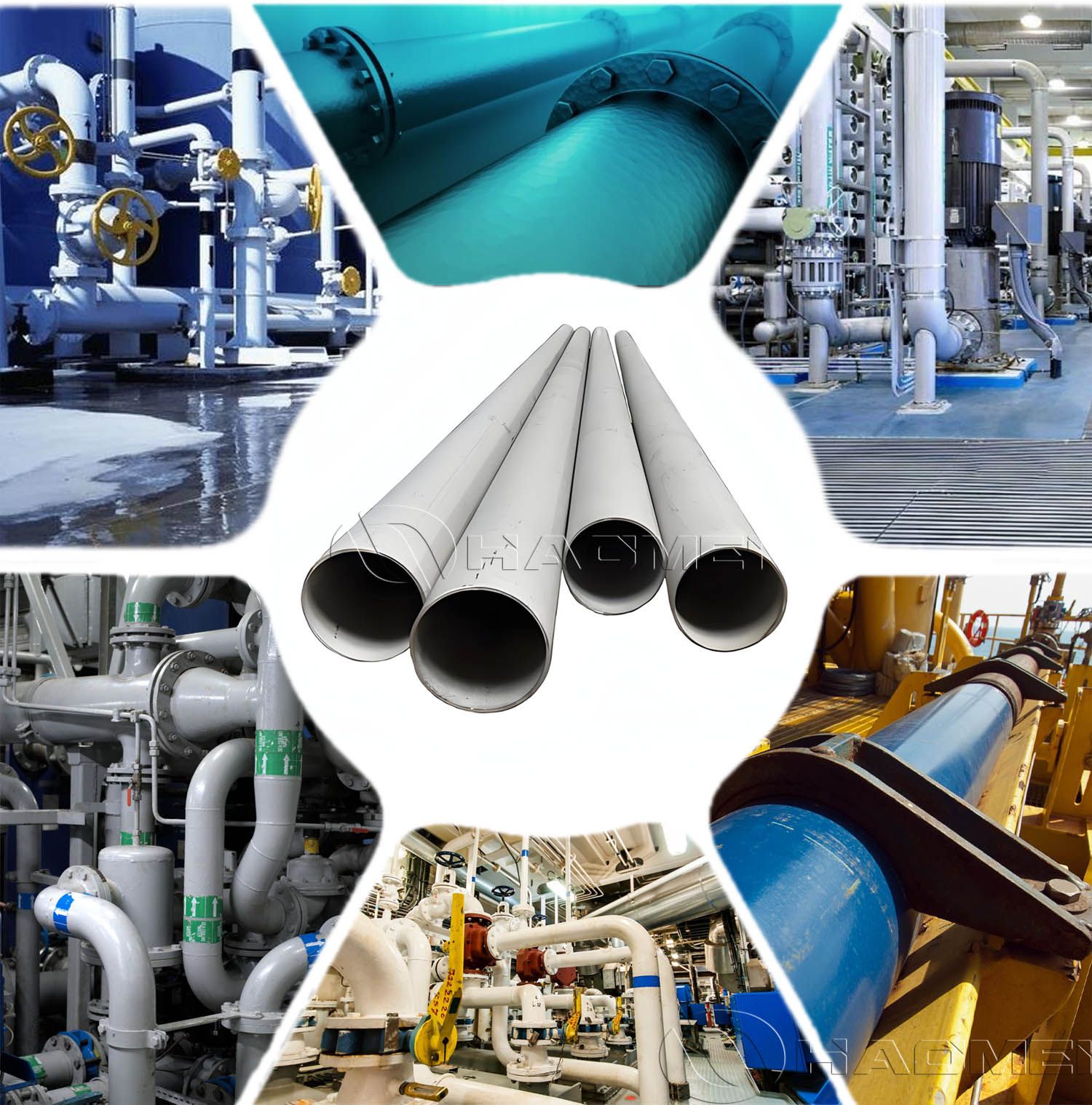
Ship Piping Systems
316L seamless stainless steel pipe can be used in ballast water piping, seawater cooling systems, fire-fighting pipelines, and other systems on ocean-going cargo ships and naval vessels.
Offshore Oil and Gas Platforms
It can be used for domestic sewage treatment systems, seawater fire-fighting systems, and process pipelines on offshore platforms.
Seawater Desalination Projects
In the pretreatment stage of reverse osmosis desalination systems, 316L pipe can be used to transport low-pressure, normal-temperature seawater.
Coastal Industries
It is also used in condenser systems of coastal power plants and seawater intake pipelines in chemical plants.
1. Optimize Structural Design
Select qualified standard seamless pipes and optimize the piping structure to reduce fittings and dead zones, preventing chloride ion accumulation. Match pipe wall thickness according to different service zones and avoid direct contact between dissimilar metals.
2. Surface Treatment
Pickling or passivation treatment should be applied to the surface to enhance the density and stability of the passive film.
Pickling can remove oxide scale, iron contamination, and processing residues from the surface. Passivation can strengthen the protective film of stainless steel. For seawater or salt spray environments, pickling and passivation are very important.
3. Keep the Medium Flowing
Flowing seawater is usually more favorable for stainless steel than stagnant seawater because flow helps replenish oxygen and maintain the stability of the passive film. However, excessive flow velocity or high sand content may also cause erosion and abrasion.
4. Regular Cleaning and Maintenance
Salt, sludge, biological fouling, and deposits on the inner and outer walls of the pipeline should be removed regularly to prevent localized corrosion from worsening.
5. Cathodic Protection
Corrosion can be reduced by using impressed current cathodic protection or sacrificial anodes.
6. Control Operating Temperature
The higher the temperature, the stronger the corrosive effect of chloride ions. 316L has a significantly higher corrosion risk in high-temperature seawater, so it should be avoided in high-temperature concentrated chloride environments.
HAOMEI professionally supplies 316L seamless stainless steel pipe, 304L seamless stainless steel pipe, marine seamless stainless steel pipe, duplex stainless steel pipe, austenitic stainless steel pipe, and other products.
If you are looking for high-quality, long-service-life seamless stainless steel pipes for your offshore or marine project, please feel free to contact us. Our engineers will provide free technical consultation and customized pipe solutions for your project.
 01
01
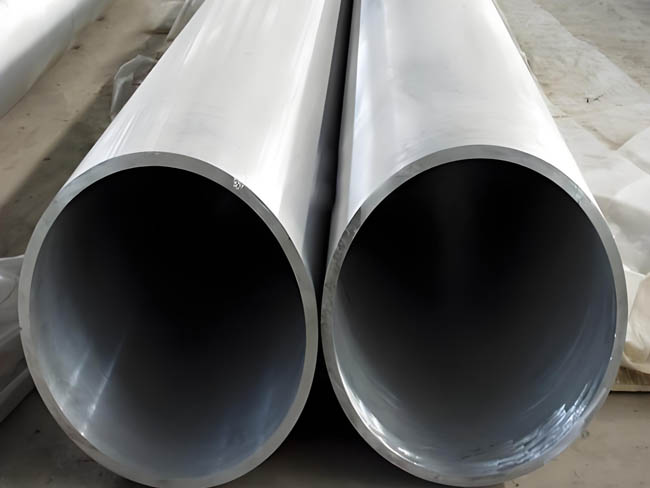
Marine seamless stainless steel pipes are manufactured from austenitic stainless steels such as 304, 304L, 316, and 316L. They feature excellent seawater corrosion resistance and high structural strength, and are widely used in ship piping systems, seawat
 02
02
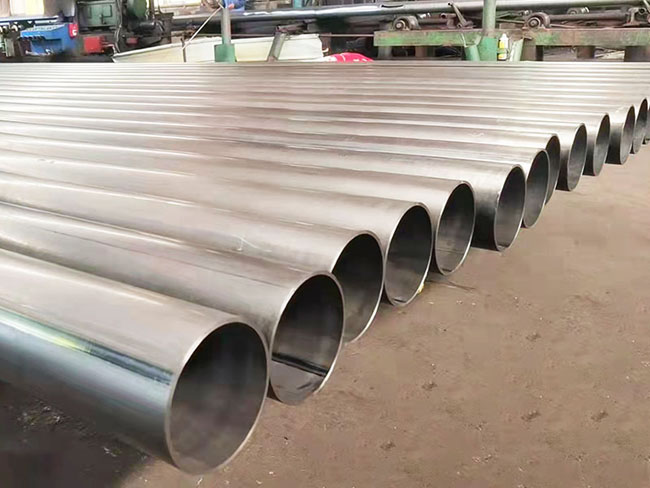
Large diameter seamless steel pipes typically refer to pipes with an outer diameter of 219 mm or larger, and in some cases up to 1020 mm. Compared with standard-size pipes, large-diameter seamless pipes are manufactured using advanced hot rolling or hot e
 03
03
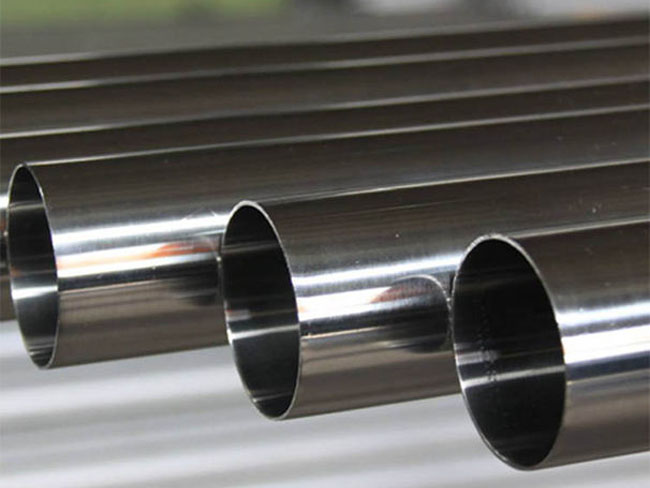
Austenitic seamless stainless steel pipe refers to seamless steel tubing whose microstructure remains stable austenite at room temperature. These steels typically use chromium and nickel as the primary alloying elements. A typical example is 18Cr-8Ni (Gra
 04
04
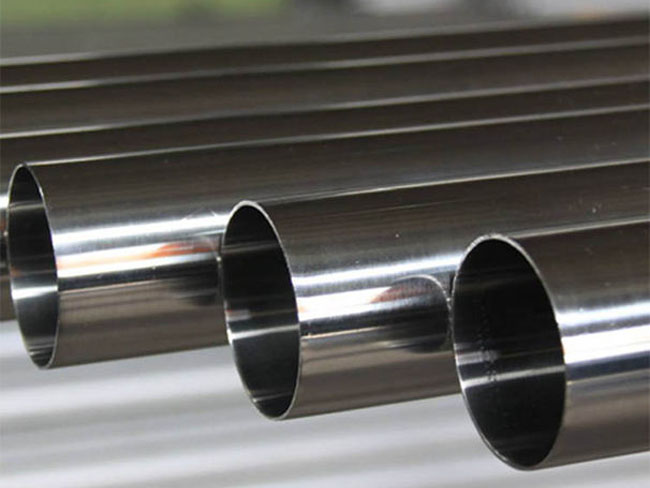
TP316L seamless stainless steel pipe conforms to ASTM A312, A213 and A269 standards, and has excellent corrosion resistance and low carbon welding performance, making it suitable for the chemical, shipbuilding, pharmaceutical and food industries.