
-
Email
-
WhatsApp
-
Address
Zhengzhou, China
Zhengzhou, China
 By Hermione
In modern marine engineering, piping systems are responsible not only for fluid transportation but also play a direct role in vessel safety, service life, and maintenance costs. In environments exposed to seawater, humid salt spray, condensate, and chemical media, ordinary steel pipes are susceptible to corrosion, pitting, and stress corrosion cracking.
Therefore, cold drawn ASTM A312 TP316L seamless stainless steel pipe has become an important material choice for marine engineering and related offshore industrial piping systems. With excellent corrosion resistance, dimensional accuracy, mechanical properties, and the reliable structure of seamless construction, it is widely used in demanding marine applications.
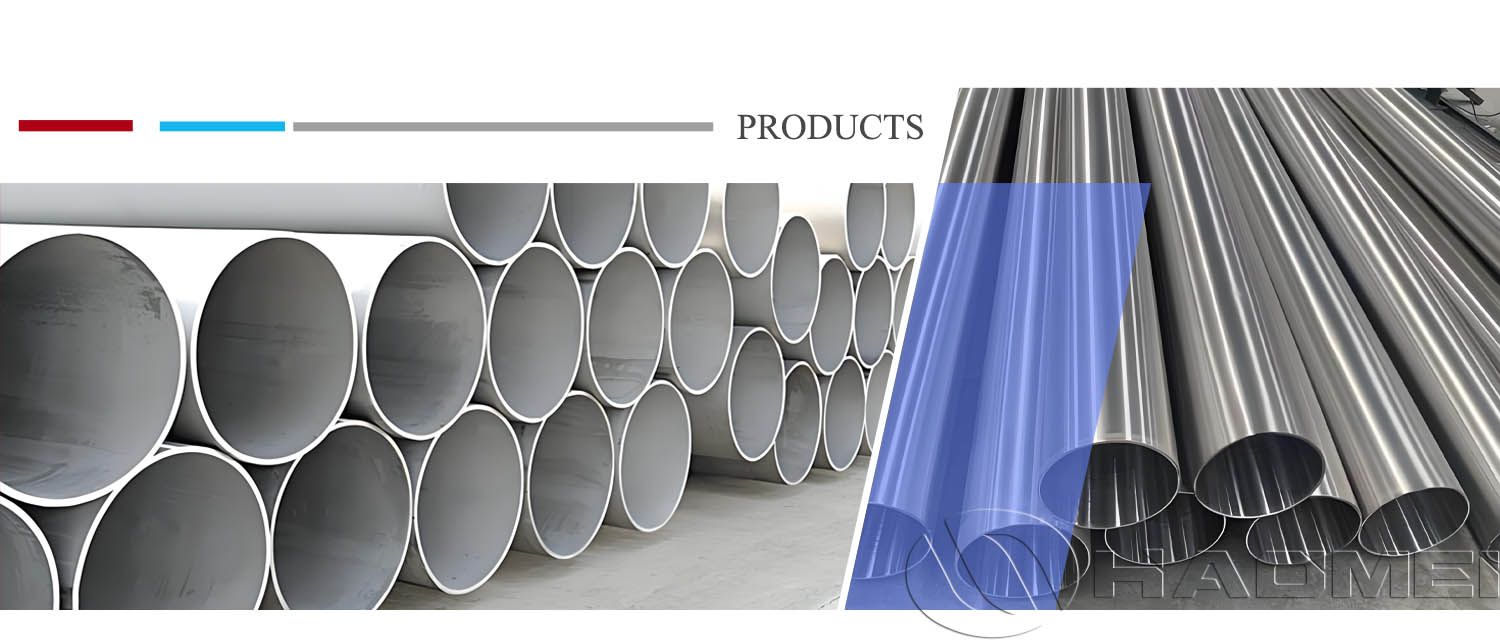
ASTM A312 TP316L is a low-carbon austenitic stainless steel pipe material based on 316L stainless steel. Its principal alloying elements include chromium (Cr), nickel (Ni), and molybdenum (Mo).
Molybdenum is one of the main elements that distinguishes 316L from 304 and 304L stainless steel. It improves the material's resistance to pitting corrosion and crevice corrosion in chloride-containing environments. As a result, 316L is frequently used in marine, chemical processing, shipbuilding, and other corrosive service conditions.
"Cold drawn" refers to the manufacturing and dimensional finishing process of the pipe.
Cold drawn seamless stainless steel pipe is generally produced from seamless tube hollows and then further processed by cold drawing to reduce the outside diameter or wall thickness while improving dimensional precision and surface finish.
1. Cold Drawing Process
Cold drawing is a manufacturing method that uses plastic deformation at room temperature to precisely control pipe diameter, wall thickness, and surface quality. The process generally includes the following stages:
Hot-rolled or cold-rolled tube production: Initial production of the seamless pipe or tube.
Cold drawing: The pipe is drawn through a die at low temperature to achieve accurate dimensions and a smoother surface.
Heat treatment: Heat treatment is performed after cold drawing to relieve internal stresses and ensure the required mechanical properties.
2. Main Benefits of Cold Drawing
Precise dimensional control: Cold drawing enables accurate control of outside diameter and wall thickness, meeting the strict dimensional requirements of marine engineering projects.
Smooth surface finish: The cold drawing process produces a smoother pipe surface, which can help reduce corrosion risk in marine environments.
Improved strength and hardness: Cold working improves the strength and hardness of the material while maintaining good weldability and machinability.
According to the specific requirements of marine engineering applications, TP316L seamless stainless steel pipes can be supplied in different surface conditions.
Pickled Surface
Suitable for general industrial and marine piping systems. Pickling removes oxide scale formed during heat treatment and improves the surface condition of the pipe.
Bright Annealed Surface
This finish provides a cleaner and smoother surface and is suitable for piping systems with higher requirements for appearance and internal surface quality.
Polished Surface
Different polishing grades can be supplied according to customer requirements. This finish is suitable for applications with special surface roughness requirements.
| Item | Specification |
| Product Name | Cold Drawn ASTM A312 TP316L Seamless Stainless Steel Pipe |
| Standard | ASTM A312 / ASME SA312 |
| Material Grade | TP316L |
| Material | 316L Austenitic Stainless Steel |
| Manufacturing Process | Seamless / Cold Drawn Seamless |
| Outside Diameter | Customizable according to project requirements |
| Wall Thickness | Customizable according to design pressure and piping class |
| Length | 5.8 m, 6 m, 11.8 m, 12 m, or fixed length |
| Surface | Pickled, Bright Annealed, Polished, etc. |
| Temper / Condition | Solution Annealed, subject to applicable standards and order requirements |
| Shape | Round |
| Ends | Plain End, Beveled End, Threaded End, etc. |
| Inspection | Dimensional Inspection, Visual Inspection, Hydrostatic Test, NDT, etc. |
| Certificate | Mill Test Certificate (MTC) |
| Packing | Moisture-proof packaging, wooden cases, steel-strapped bundles, or export seaworthy packing |
| Tensile Strength | ≥ 485 MPa |
| Yield Strength (0.2% Proof Strength) | ≥ 170 MPa |
| Elongation | ≥ 35% longitudinal |
| Brinell Hardness | ≤ 217 HB |
1. Excellent Corrosion Resistance
ASTM A312 TP316L stainless steel pipe is an austenitic stainless steel pipe with enhanced resistance to chloride-containing environments. In particular, its resistance to saltwater corrosion in marine environments is generally superior to that of standard stainless steel grades.
The material contains molybdenum, typically around 2.0%–2.5%, which enhances resistance to chloride ion corrosion. This makes TP316L an ideal option for ship hull-related systems, marine equipment, offshore structures, and corrosive piping applications.
2. High Strength and Hardness
The cold drawing process enables TP316L seamless stainless steel pipe to obtain increased strength and hardness while maintaining good ductility. This allows the pipe to withstand complex stresses, vibration, and dynamic loads commonly encountered in marine structures and shipboard systems.
3. Low Carbon Content
The low-carbon design of TP316L, with a carbon content of no more than 0.03%, helps reduce the risk of corrosion after welding and supports long-term stability of welded joints. This is especially important in shipbuilding, vessel repair, and offshore piping installation.
4. Excellent Thermal Stability
TP316L stainless steel pipe can maintain stable performance in elevated-temperature environments. This is important for ship engine systems, cooling systems, heat exchanger connections, and other temperature-sensitive components.
5. Good Fabrication Performance
As an austenitic stainless steel, 316L offers good plasticity and toughness. It can be cut, bent, welded, machined, and fabricated to meet various marine piping requirements.
6. Superior Surface Quality
After solution annealing, pickling and passivation, or polishing, the pipe surface can develop a stable passive film. This improves corrosion resistance and minimizes the effects of surface contaminants, oxide scale, and processing defects on subsequent use.
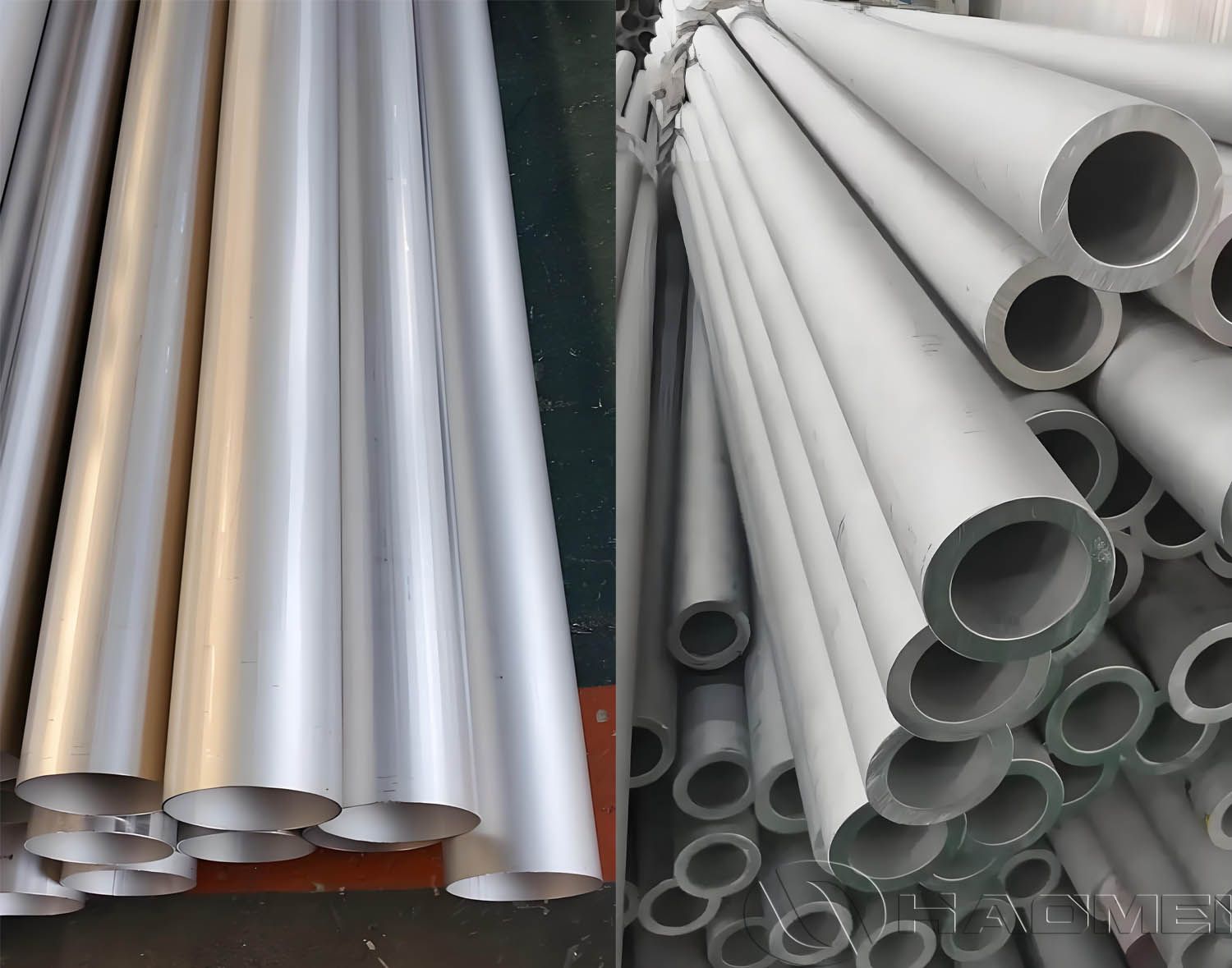
ASTM A312 mainly covers austenitic stainless steel seamless, welded, and heavily cold-worked pipes for use in general corrosive service and high-temperature piping systems. From production to delivery, ASTM A312 TP316L seamless stainless steel pipes undergo a series of strict quality control procedures.
Hydrostatic Test or Eddy Current Test
For pipes with an outside diameter of ≤ 88.9 mm, the hydrostatic test pressure is ≤ 19 MPa. For pipes with an outside diameter of > 88.9 mm, the test pressure is ≤ 31 MPa.
Intergranular Corrosion Test — ASTM A262 Method E
This test is used to verify the material’s resistance to intergranular corrosion. It is particularly important for marine piping systems where post-weld annealing cannot be performed.
Non-Destructive Testing — Such as ASTM E426 Eddy Current Testing
This method is used to detect surface and near-surface defects in the pipe.
HAOMEI products can be supplied with complete Mill Test Certificates, including EN 10204 3.1 certification, and can comply with inspection requirements from major classification societies such as ABS, DNV, LR, CCS, and others.
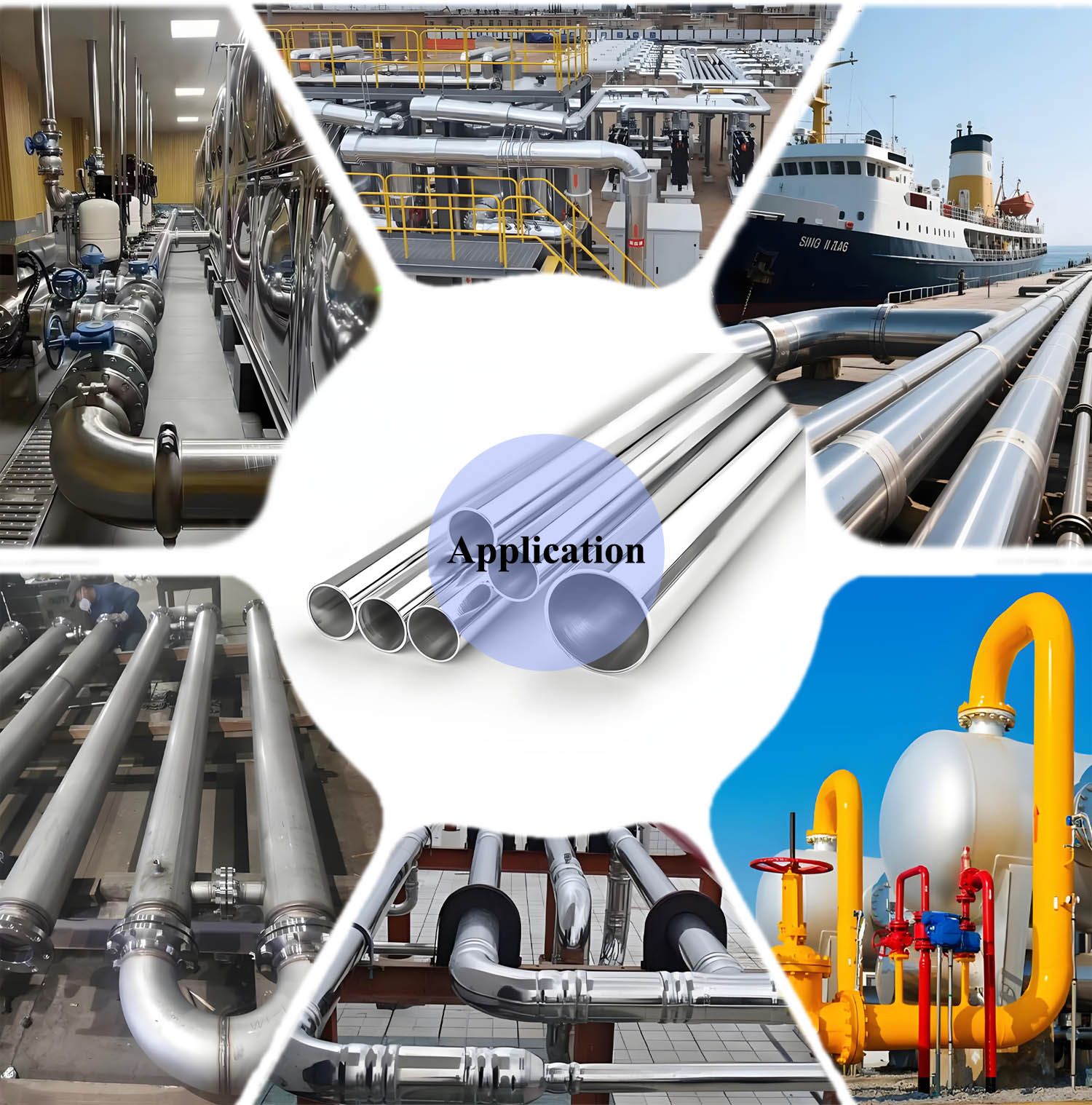
1. Marine Cooling Systems
Cooling water pipelines
Auxiliary cooling systems
Heat exchanger connection pipes
Equipment cooling pipelines
2. Marine Water Supply and Drainage Systems
TP316L seamless pipes can be used in selected fresh water, seawater-related, drainage, and service water piping systems, depending on project requirements and service conditions.
3. Firefighting and Auxiliary Piping Systems
Cold drawn TP316L seamless stainless steel pipes are suitable for selected marine firefighting, safety, and auxiliary piping applications requiring corrosion resistance and reliable performance.
4. Offshore and Marine Engineering Equipment
Offshore platform auxiliary systems
Marine equipment piping
Offshore equipment
Ship machinery systems
Offshore engineering auxiliary pipelines
5. Chemical Media Transportation
TP316L seamless pipe can be used for transporting certain chemical media, cleaning agents, additives, process fluids, and other corrosive liquids, subject to compatibility evaluation.
Both 304L and 316L are common low-carbon austenitic stainless steels, but there are significant differences in their alloy systems and corrosion resistance.
| Item | TP304L | TP316L |
| Basic Alloy System | Cr-Ni | Cr-Ni-Mo |
| Molybdenum Content | Normally none | Contains Mo |
| Chloride Corrosion Resistance | Good | Generally better |
| Pitting Corrosion Resistance | Good | Generally superior |
| Suitability for Marine Environments | Depends on service conditions | Better suited for more demanding corrosive conditions |
| Material Cost | Generally lower | Generally higher |
If piping systems in marine engineering are mainly exposed to normal atmospheric conditions, fresh water, or low-corrosion environments, TP304L may be sufficient.
However, where the piping system is exposed to higher chloride levels or greater corrosion risk, TP316L generally provides stronger material advantages.
The final material selection should always be based on the transported medium, operating temperature, pressure, chloride concentration, flow velocity, as well as classification society requirements and project specifications.
The cold drawing process is especially suitable for pipes requiring high dimensional precision and good surface quality. The actual supply range should be confirmed according to production capability and order requirements.
| Outside Diameter (OD) | Common Wall Thickness (WT) |
| 6 mm | 0.5–1.5 mm |
| 8 mm | 0.5–2.0 mm |
| 10 mm | 0.5–2.0 mm |
| 12 mm | 0.8–2.5 mm |
| 14 mm | 0.8–2.5 mm |
| 16 mm | 1.0–3.0 mm |
| 18 mm | 1.0–3.0 mm |
| 20 mm | 1.0–3.0 mm |
| 22 mm | 1.0–3.5 mm |
| 25 mm | 1.0–4.0 mm |
| 28 mm | 1.5–4.0 mm |
| 32 mm | 1.5–4.5 mm |
| 38 mm | 1.5–5.0 mm |
| 42 mm | 1.5–5.0 mm |
| 48.3 mm | 1.5–5.0 mm |
| 60.3 mm | 2.0–6.0 mm |
| 73 mm | 2.0–6.0 mm |
| 88.9 mm | 2.0–8.0 mm |
| 114.3 mm | 2.0–8.0 mm |
 01
01
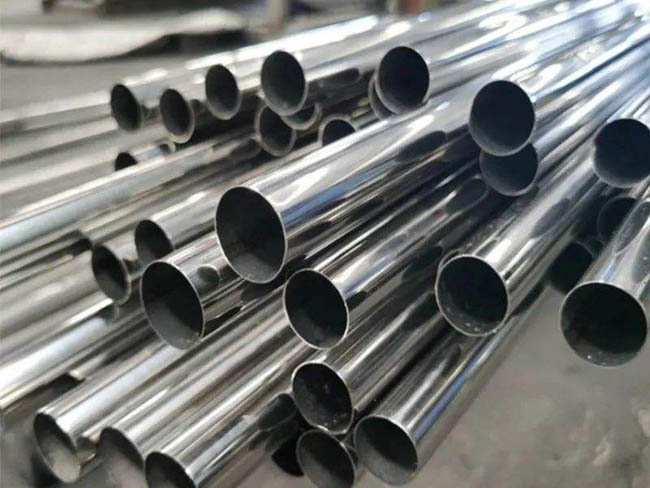
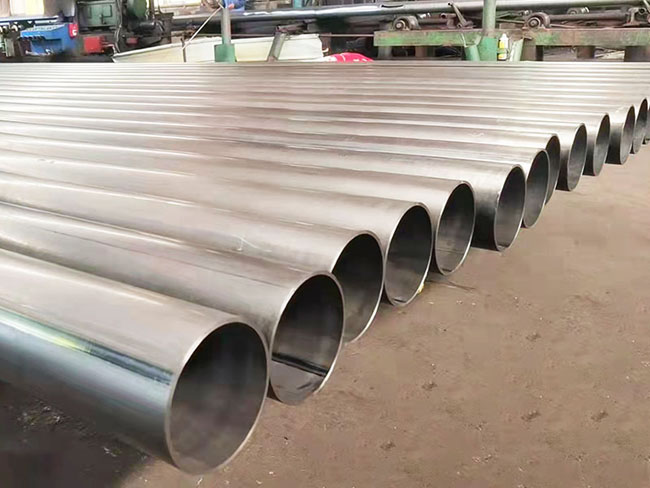
TP304 stainless steel seamless pipe (ASTM A312/A213 TP304) is one of the most widely used austenitic stainless steel pipes in industrial applications. With its excellent corrosion resistance, outstanding workability, and stable performance in both high an
 02
02
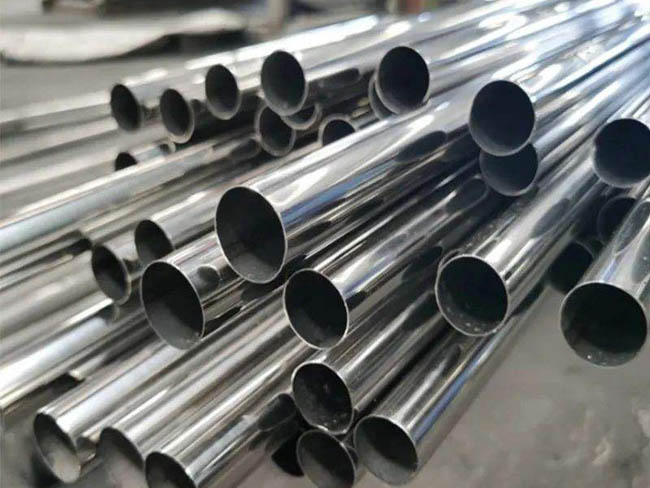
Austenitic seamless stainless steel pipe refers to seamless steel tubing whose microstructure remains stable austenite at room temperature. These steels typically use chromium and nickel as the primary alloying elements. A typical example is 18Cr-8Ni (Gra
 03
03
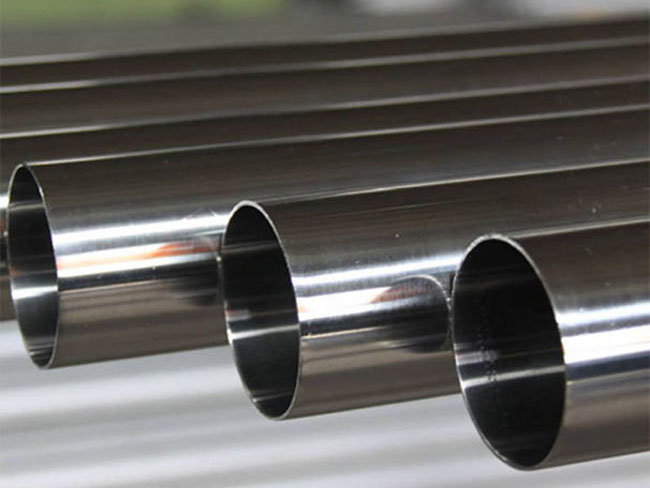
Small diameter seamless steel tubes refer to steel pipes with a relatively small outer diameter and a seamless structure without welding joints. The typical outer diameter range is 6 mm–89 mm. These pipes are manufactured through processes such as piercin
 04
04
Duplex stainless steel pipe consists of approximately equal proportions of ferrite and austenite stainless steel phases. It combines the high strength of ferritic stainless steel with the toughness of austenitic stainless steel. Its yield strength is gene