
-
Email
-
WhatsApp
-
Address
Zhengzhou, China
Zhengzhou, China
 By Hermione
Ship railings are like an invisible safety belt for people working at sea. Imagine operating in Sea State 6 without reliable guardrails—it would be like dancing on the edge of a cliff. Modern marine guardrails are commonly made from 316L seamless stainless steel pipe, a material capable of resisting salt spray corrosion for up to 15 years under suitable service and maintenance conditions.
HAOMEI has extensive experience in the field of thick-wall seamless stainless steel pipes. Its production line can consistently manufacture high-strength railing posts with wall thicknesses of 5.0 mm and above. In addition, specialized welding processes are used during railing fabrication to ensure that bent sections do not crack. This is an especially important safety assurance for marine guardrail systems required to withstand significant impact loads.
Combined with mature surface finishing processes, HAOMEI can provide consistent finishes ranging from weather-resistant matte brushed surfaces to mirror-polished surfaces suitable for high-end yachts.
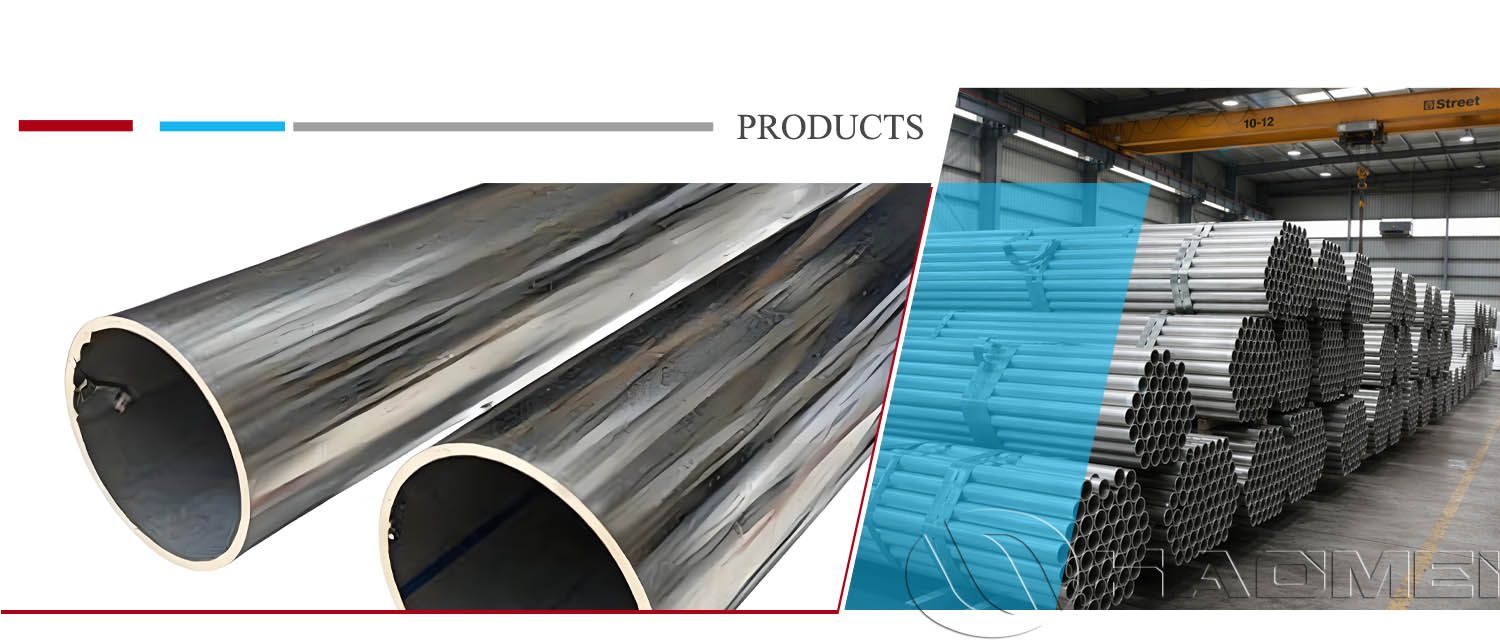
316L stainless steel is often referred to as "marine-grade" stainless steel because of its unique chemical composition. Compared with common 304 stainless steel, 316L contains approximately 2%–3% molybdenum (Mo). This molybdenum addition significantly improves resistance to pitting corrosion and crevice corrosion in chloride-containing environments such as seawater and salt spray.
In addition, the low carbon content of 316L-typically no more than 0.03%—helps reduce the risk of intergranular corrosion. Even after welding and other thermal processing operations, 316L can maintain good corrosion resistance.
The cold-drawn, annealed 316L seamless stainless steel pipe manufactured by HAOMEI is produced through a cold-drawing process that improves dimensional accuracy and surface quality. It is then annealed to relieve processing stresses, resulting in a more stable microstructure and more balanced overall performance.
Compared with ordinary welded steel pipe, seamless stainless steel pipe has no longitudinal weld seam. This helps avoid potential issues associated with weld-zone corrosion and stress concentration, making it more suitable for marine safety structures.
Cold drawing is a precision cold-working process. A pipe blank that has been hot-rolled or extruded is drawn through a die at room temperature, making the pipe dimensions more accurate, wall thickness more uniform, and surface smoother.
During cold drawing, the metal grain structure becomes elongated and denser, while the strength and hardness of the pipe are significantly improved. The dimensional precision and mechanical-performance advantages achieved by this process are difficult to match with conventional hot-rolled pipe.
After cold drawing, the steel pipe may contain work hardening and residual stresses. If the pipe is directly used for bending, welding, or complex fabrication, these factors may affect its formability and long-term service stability.
Through solution annealing, 316L seamless stainless steel pipe can relieve the internal stresses generated during cold drawing, restore ductility and toughness, optimize grain structure, and obtain a more uniform and stable metallurgical condition.
During heat treatment, welding, transportation, or fabrication, the pipe surface may develop oxide scale, oil contamination, weld discoloration, iron particle contamination, or localized surface defects.
Pickling removes oxide layers, impurities, and contaminants from the pipe surface. Passivation helps form a more stable and uniform chromium-rich oxide film, thereby improving corrosion resistance.
Excellent Marine Corrosion Resistance
The molybdenum content in 316L gives it superior resistance to pitting corrosion in chloride-containing environments. It can effectively extend the service life of railings and reduce maintenance, replacement, and vessel downtime costs caused by corrosion.
Seamless Construction
Compared with welded pipe, seamless pipe generally offers advantages in pressure resistance, microstructural uniformity, roundness control, and localized stress distribution.
Long Service Life and Lower Maintenance Costs
316L seamless stainless steel pipe reduces the need for frequent replacement caused by rusting or perforation. This can significantly lower maintenance costs during vessel operation, including rust removal, painting, and pipe replacement.
High Design Flexibility
Whether used for streamlined handrails on luxury yachts or high-strength right-angle guardrails on cargo vessels and engineering ships, 316L seamless pipe can be readily bent and welded into a wide variety of railing configurations.
Premium Appearance
316L stainless steel maintains an attractive metallic appearance under sunlight, enhancing the overall visual quality and value of the vessel.
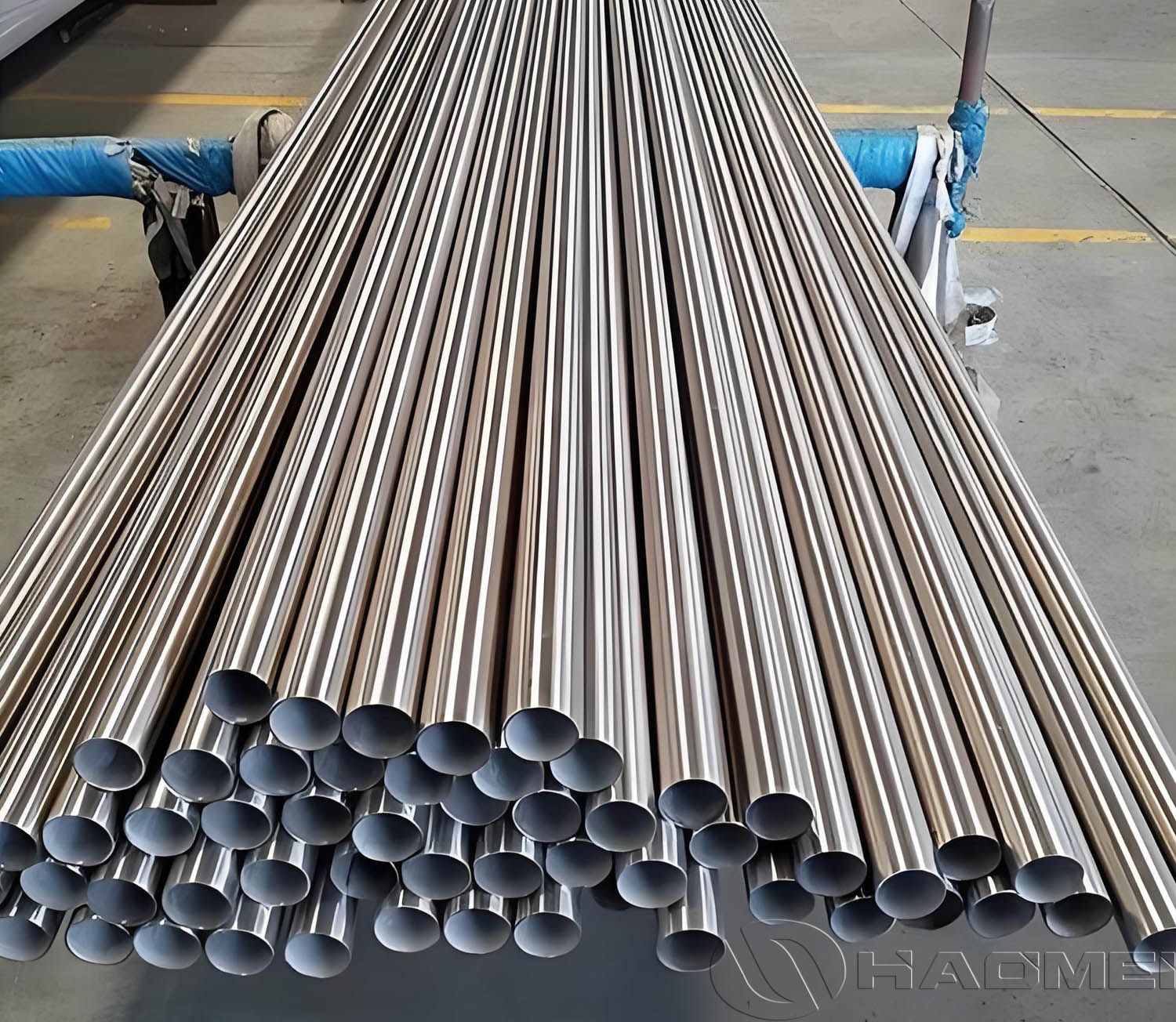
Marine railings are typically designed with different outside diameters and wall thicknesses according to structural and safety requirements.
| Outside Diameter | Wall Thickness | Typical Application |
| 19 mm | 1.5–2.0 mm | Small vessel handrails |
| 25 mm | 1.5–3.0 mm | Yacht railings |
| 32 mm | 2.0–3.0 mm | Main deck guardrails |
| 38 mm | 2.0–3.0 mm | Commercial vessel railings |
| 42.4 mm | 2.0–3.0 mm | Standard marine handrails |
| 48.3 mm | 2.0–4.0 mm | Heavy-duty guardrail structures |
ASTM A312 TP316L
ASTM A269 TP316L
ASTM A213 TP316L
EN 10216-5
DIN 17456
Because ships operate in marine environments for extended periods, seamless steel pipes used on board must meet several special requirements.
Seawater Corrosion Resistance
Marine pipes must have strong resistance to seawater corrosion. Corrosion-resistant materials such as stainless steel and copper-nickel alloys are commonly selected for this purpose.
High Strength and Toughness
Marine structures must withstand wave impact, vessel vibration, wind, and other harsh conditions. Therefore, the pipe material must have sufficient strength and toughness.
Good Weldability
Shipbuilding involves extensive welding work. For this reason, marine pipe materials must provide reliable welding performance.
Dimensional Accuracy
Marine piping and railing systems require high dimensional accuracy to ensure proper installation, fitting, and connection.
Compliance with Classification Society Requirements
Seamless steel pipes for marine applications may need to comply with the requirements of relevant classification societies, such as:
China Classification Society (CCS)
Lloyd's Register (LR)
DNV
Relevant marine material and welding rules, including those issued by CCS, may apply depending on the vessel type, project specifications, and classification requirements.
Rinse Railing Surfaces Regularly with Fresh Water
Fresh-water rinsing removes accumulated salt, dust, and seawater residue. This is particularly important for vessels that are frequently moored, docked, or exposed to heavy seawater spray.
Clean with Neutral Detergent
For oil stains and dirt, use a neutral detergent with a soft cloth. Avoid chlorine-containing bleach, strong acidic or alkaline cleaners, and steel wool, as these may damage the stainless steel surface.
Inspect Welds and Connection Areas
Welds, bolted joints, bases, corners, and drainage holes are the areas most susceptible to corrosion. These areas should be inspected regularly.
Address Tea Staining and Surface Contamination Promptly
If brown discoloration, tea staining, or localized rust spots appear, the cause should be identified as soon as possible. Possible causes include iron contamination, salt residue, surface scratches, or contact with dissimilar metals.
Stainless steel cleaning products can be used for treatment, followed by localized passivation repair where necessary.
Avoid Prolonged Contact with Wet Covering Materials
Wet tarpaulins, ropes, rubber pads, or other damp materials should not remain in contact with railing surfaces for long periods. Such conditions may create localized oxygen-depleted areas and increase the risk of crevice corrosion.
 01
01
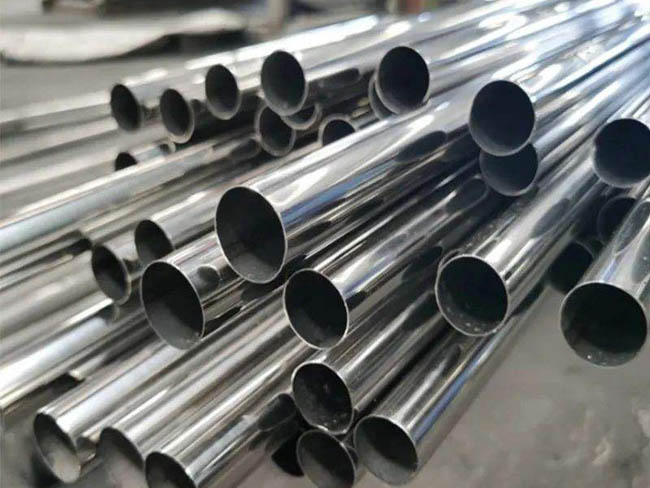
Small diameter seamless steel tubes refer to steel pipes with a relatively small outer diameter and a seamless structure without welding joints. The typical outer diameter range is 6 mm–89 mm. These pipes are manufactured through processes such as piercin
 02
02
Austenitic seamless stainless steel pipe refers to seamless steel tubing whose microstructure remains stable austenite at room temperature. These steels typically use chromium and nickel as the primary alloying elements. A typical example is 18Cr-8Ni (Gra
 03
03
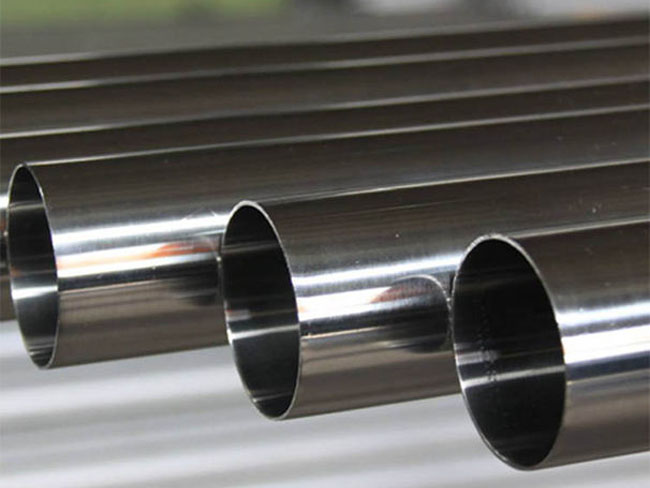
TP316L seamless stainless steel pipe conforms to ASTM A312, A213 and A269 standards, and has excellent corrosion resistance and low carbon welding performance, making it suitable for the chemical, shipbuilding, pharmaceutical and food industries.
 04
04
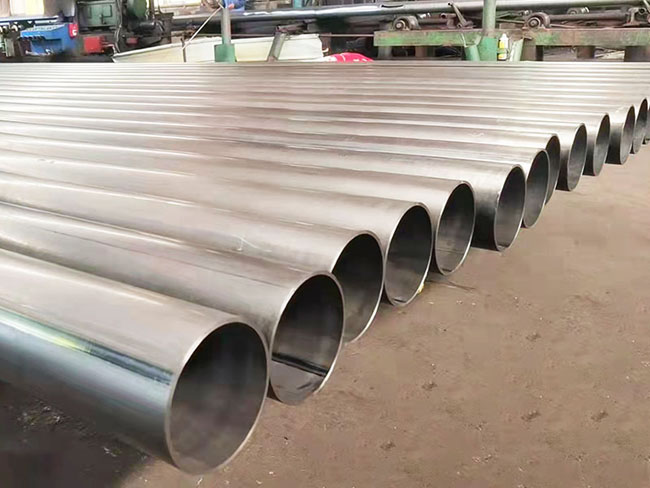
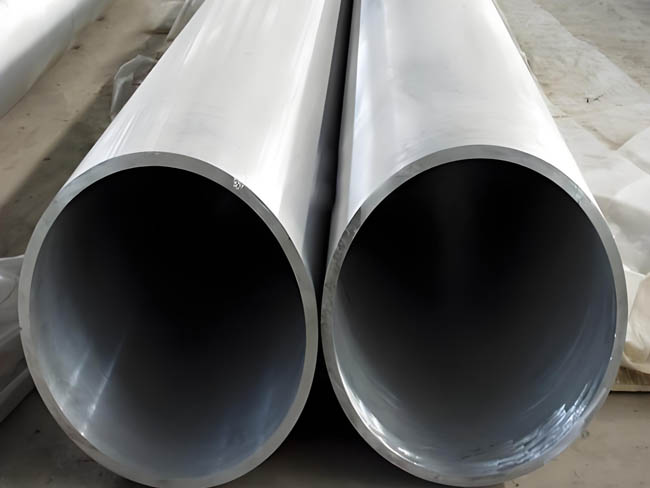
Large diameter seamless steel pipes typically refer to pipes with an outer diameter of 219 mm or larger, and in some cases up to 1020 mm. Compared with standard-size pipes, large-diameter seamless pipes are manufactured using advanced hot rolling or hot e