
-
Email
-
WhatsApp
-
Address
Zhengzhou, China
Zhengzhou, China
 By Hermione
In shipbuilding, offshore platforms, offshore projects, seawater desalination, and onboard utility piping systems, material reliability, traceability, and classification society approval are mandatory requirements for overseas shipowners, engineering firms, and EPC contractors.
TP304L (UNS S30403) seamless stainless steel pipe, supported by DNV and ABS mill approval certificates, is a mainstream austenitic stainless steel piping material for marine low-pressure utility systems, freshwater, compressed air, wastewater, and fire-fighting pipelines. Its excellent resistance to intergranular corrosion after welding makes it well suited for global mainstream marine classification requirements.
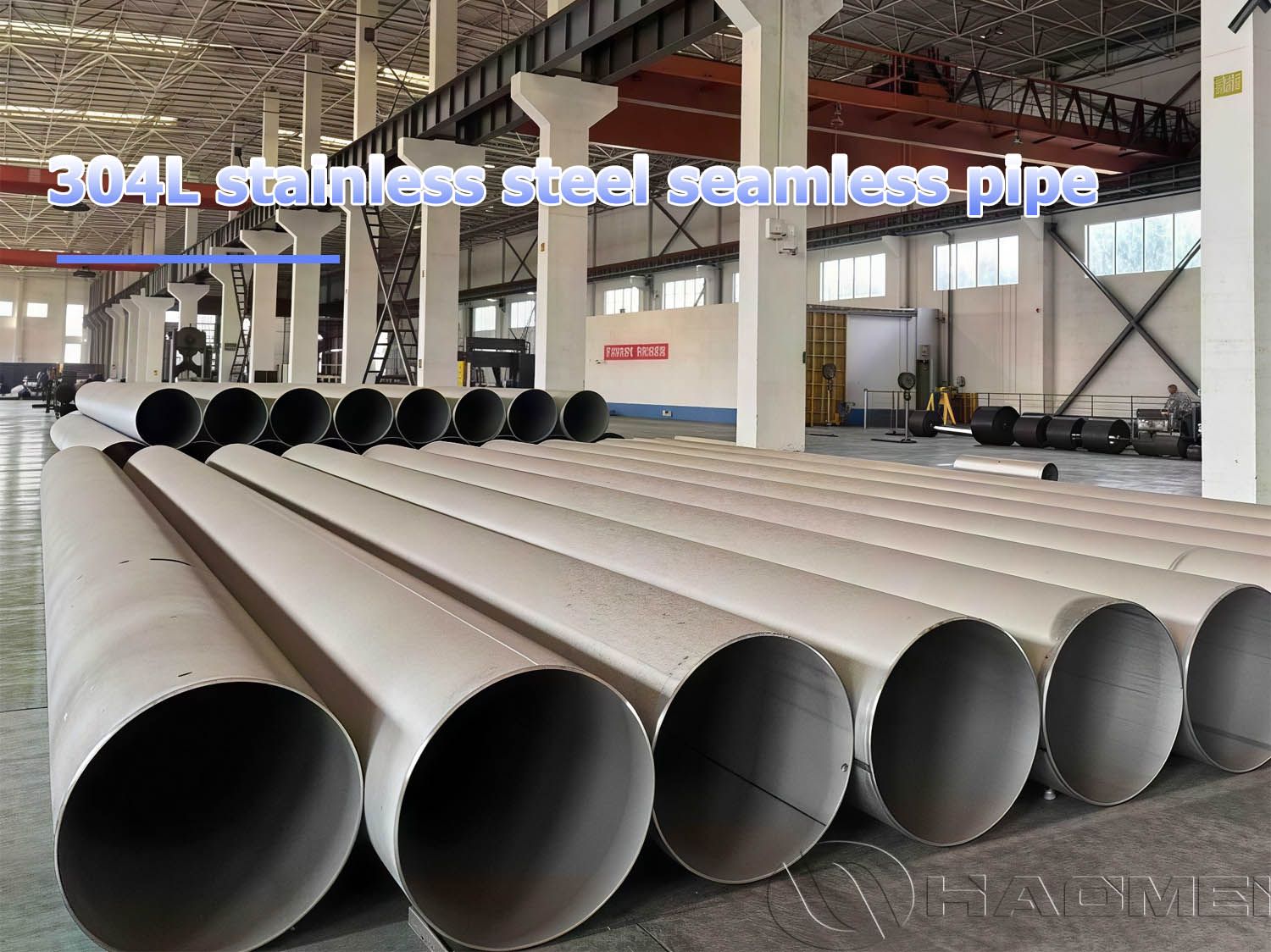
304L seamless stainless steel pipe is manufactured from 304L austenitic stainless steel through processes including piercing, hot rolling, cold rolling, cold drawing, solution annealing, pickling and passivation, straightening, cutting, and testing. The finished pipe has a continuous structure without longitudinal weld seams.
The letter “L” stands for low carbon. Compared with standard 304 stainless steel, 304L has a lower carbon content, which helps reduce the risk of intergranular corrosion under welding and high-temperature sensitization conditions. Therefore, 304L is particularly suitable for piping systems involving welded connections, subsequent assembly, on-site installation, or higher requirements for corrosion resistance stability.
The seamless structure provides a more continuous pipe wall and avoids potential microstructural differences and welding defects associated with welded pipe seams. Under pressure, vibration, cyclic loading, and other demanding service conditions, seamless stainless steel pipe generally offers higher structural integrity and operational reliability.
| Standard System | Common Grade |
ASTM / ASME | TP304L, UNS S30403 |
| EN | 1.4307 |
| JIS | SUS304L |
| GB/T | 00Cr19Ni10 |
| ISO | X2CrNi19-11 |
1. Low-Carbon Design with Excellent Weldability
The carbon content of 304L is controlled to 0.03% maximum, effectively reducing the risk of carbide precipitation in the heat-affected zone during welding and minimizing susceptibility to intergranular corrosion. It can maintain good corrosion resistance after welding without requiring post-weld solution annealing in many applications. It is especially suitable for on-site welding and complex piping prefabrication.
2. Good Corrosion Resistance
304L performs reliably in oxidizing media, atmospheric environments, and a variety of organic and inorganic acids. It is suitable for the transportation of general corrosive fluids. However, its resistance to chloride-induced pitting corrosion is limited, so it is not recommended for direct contact with high-concentration chloride media or seawater.
3. Balanced Mechanical Properties and Low-Temperature Toughness
Its austenitic microstructure provides good ductility and toughness, with no ductile-to-brittle transition at low temperatures. It is suitable for low-temperature piping applications such as LNG and cryogenic storage and transportation systems.
4. Seamless Structure with High Integrity
Manufactured as an integral pipe without longitudinal weld seams, 304L seamless pipe features uniform wall thickness and enhanced pressure-bearing and sealing performance compared with welded pipe. It is suitable for pressure piping systems with high requirements for integrity and safety.
5. Non-Magnetic in Solution-Annealed Condition
Austenitic stainless steel is generally non-magnetic in the solution-annealed condition. It can be used near navigation equipment, instruments, and sensors without interfering with magnetic instruments, helping meet piping requirements in vessel navigation areas.
6. Smooth Internal Surface and Reduced Scaling Tendency
The smooth internal surface reduces fluid resistance and makes the pipe suitable for freshwater, potable water, and fire-fighting water systems. During long-term service, it is less likely to accumulate impurities, helping reduce pipeline maintenance frequency.
| Item | Product Parameters |
| Product Name | 304L Seamless Stainless Steel Pipe |
| Material Grade | 304L / TP304L |
| UNS Number | S30403 |
| Material Type | Austenitic Stainless Steel |
| Applicable Standard | ASTM A312 / A312M |
| Manufacturing Process | Seamless Manufacturing |
| Common Size Range | 1/2"–24" (customized according to supply capability) |
| Wall Thickness | SCH 5S, SCH 10S, SCH 40S, SCH 80S, etc. |
| Length | Fixed length of 6 m or 12 m, or cut to drawing requirements |
| Surface Condition | Pickled, annealed, or other agreed condition |
| Connection Method | Butt welding, flange connection, and other piping connection methods |
| Certification Requirement | DNV- and ABS-related certificates and inspection documents available according to project requirements |
| Matching Fittings | Matching certified 304L elbows, tees, reducers, and flanges are available for complete piping package delivery |
DNV certification covers the entire process of material manufacturing, testing, and inspection, in accordance with DNV requirements for marine and offshore piping materials. It is suitable for vessels and offshore facilities classed by DNV.
ABS certification also evaluates material performance, manufacturing processes, and quality management systems. Products can be used in shipbuilding and offshore construction projects classed by the American Bureau of Shipping.
Holding both DNV and ABS approvals allows the products to flexibly meet the requirements of projects under different classification societies, reducing procurement barriers caused by certification mismatch.
The certification process also involves ongoing supervision of the mill’s quality system, testing capability, and product consistency, providing independent third-party support for stable product quality. Classification certificates and inspection reports can be supplied with the shipment to facilitate project submittal, inspection, and acceptance.
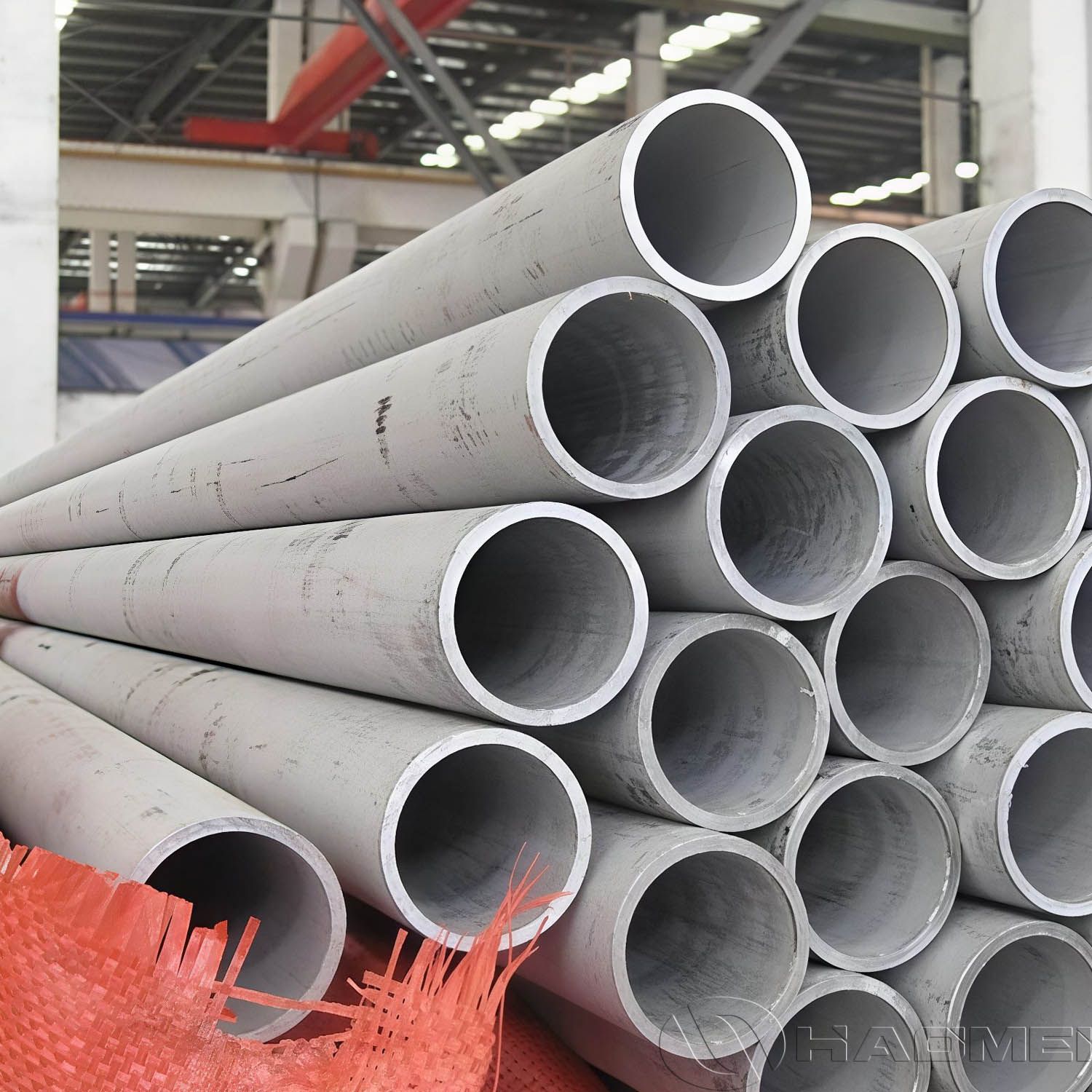
Ship freshwater systems: Domestic water, potable water pipelines, and freshwater cooling circuits. 304L offers excellent cost performance in freshwater service conditions.
Onboard compressed air and instrument air systems: Low-pressure air supply and instrument tubing, providing corrosion resistance and minimizing contamination of instrument air sources.
Fire-fighting, wastewater, and greywater discharge systems: Fire protection and wastewater pipelines for inland vessels and nearshore vessels.
Offshore platform auxiliary process pipelines: Platform freshwater, closed-loop cooling water, and inert gas auxiliary pipelines, excluding main pipelines directly handling high-chloride seawater.
Offshore wind farm support vessels and workboat piping systems.
Export vessels, ocean-going cargo ships, container vessels, and offshore platform utility piping systems.
Q1: What is the difference between DNV and ABS certification? Can both certifications cover the same order?
A: DNV is widely used for European, North Sea, and Southeast Asian offshore projects. ABS is the American Bureau of Shipping and is commonly required by North American, American shipowner, and U.S. offshore projects. Our mill holds both DNV and ABS approvals. Classification society witness inspection can be arranged according to customer and project requirements.
Q2: How should I choose between 304L and 316L seamless pipe for marine applications?
A: For freshwater, compressed air, wastewater, fire-fighting water, and instrument air systems, 304L is generally the more economical choice. For seawater, high-chloride environments, and chemically corrosive media, 316L seamless pipe containing molybdenum is recommended.
Q3: Must every marine 304L seamless pipe undergo hydrostatic testing?
A: Depending on applicable DNV or ABS rules and project requirements, hydrostatic testing or ultrasonic testing may be specified. Where the contract requires 100% hydrostatic testing, each pipe will be tested individually, and the surveyor may witness the test on site.
Q4: Do classification-certified pipes look the same as ordinary industrial 304L seamless pipes?
A: Their appearance may be similar. However, the key differences lie in the quality control process, required intergranular corrosion testing, availability for classification surveyor witness inspection, and complete material traceability. Ordinary industrial pipes may not meet classification society submission and inspection requirements and can be rejected by shipowners.
Q5: Can you supply matching certified fittings, such as elbows and tees?
A: Yes. Matching 304L seamless fittings approved by DNV and/or ABS, including elbows, tees, reducers, and flanges, can be supplied. Delivering a complete piping package with consistent qualifications helps simplify shipowner review and project acceptance.
 01
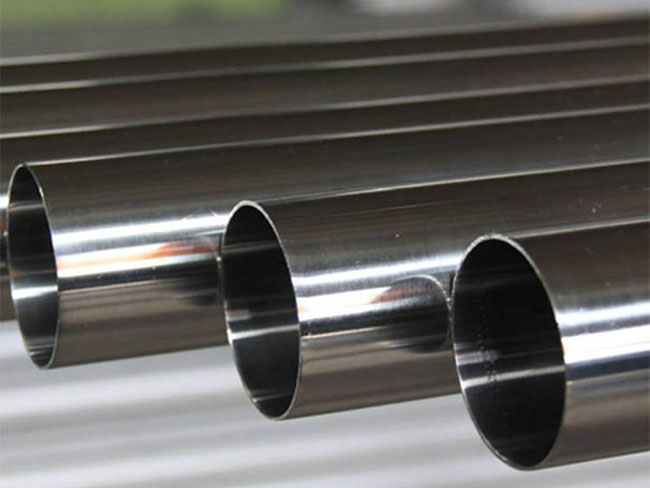
Marine seamless stainless steel pipes are manufactured from austenitic stainless steels such as 304, 304L, 316, and 316L. They feature excellent seawater corrosion resistance and high structural strength, and are widely used in ship piping systems, seawat
 02
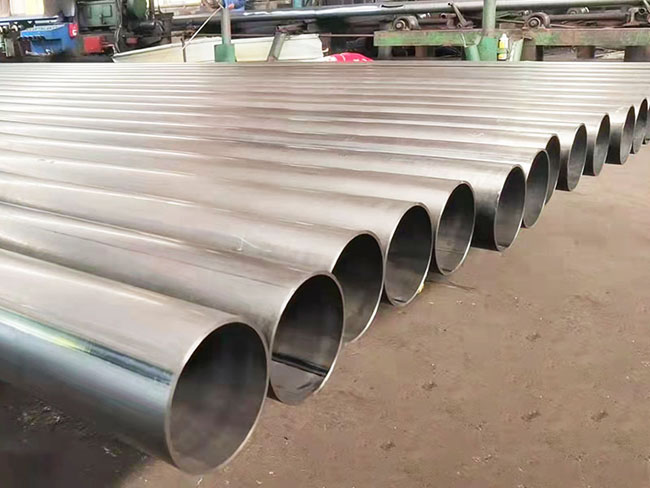
Austenitic seamless stainless steel pipe refers to seamless steel tubing whose microstructure remains stable austenite at room temperature. These steels typically use chromium and nickel as the primary alloying elements. A typical example is 18Cr-8Ni (Gra
 03
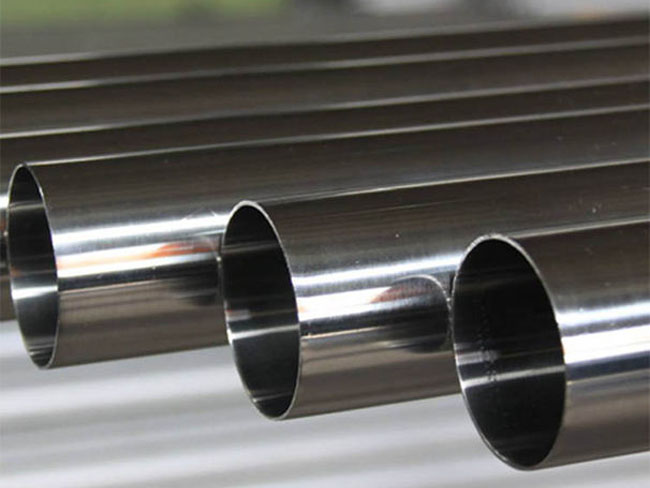
TP316L seamless stainless steel pipe conforms to ASTM A312, A213 and A269 standards, and has excellent corrosion resistance and low carbon welding performance, making it suitable for the chemical, shipbuilding, pharmaceutical and food industries.
 04
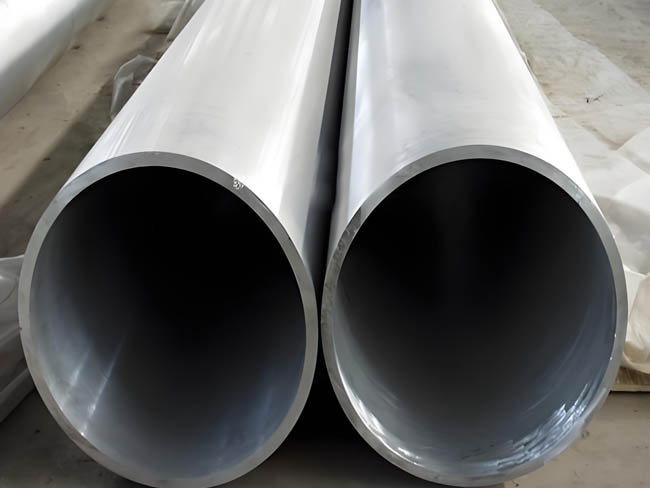
Large diameter seamless steel pipes typically refer to pipes with an outer diameter of 219 mm or larger, and in some cases up to 1020 mm. Compared with standard-size pipes, large-diameter seamless pipes are manufactured using advanced hot rolling or hot e