
-
Email
-
WhatsApp
-
Address
Zhengzhou, China
Zhengzhou, China
 By Hermione0
Marine-grade TP316L stainless steel seamless pipe—also known as UNS S31603, EN 1.4404, and 022Cr17Ni12Mo2—is an important pressure-bearing piping material for ships, offshore platforms, LNG auxiliary systems, and marine equipment piping networks.
Unlike standard industrial 316L stainless steel pipes, this series of seamless pipes can be manufactured and controlled throughout the production process in accordance with marine classification society requirements. Carbon content is strictly controlled at ≤0.03%, while molybdenum is added to improve resistance to seawater pitting corrosion, crevice corrosion, and intergranular corrosion.
The pipes are manufactured through hot rolling and cold drawing seamless forming processes. With no welded seam, they help reduce the risk of weld corrosion and leakage. Products can be supplied with classification society inspection certificates and may support on-site witnessed sampling, non-destructive testing, and hydrostatic testing as required.
Marine-grade 316L seamless stainless steel pipesare widely used in seawater cooling systems, ballast water piping, freshwater supply systems, lubricating oil auxiliary piping, instrument control lines, and heat exchanger tube bundles on ocean-going cargo vessels, engineering ships, yachts, offshore platforms, and other marine facilities.
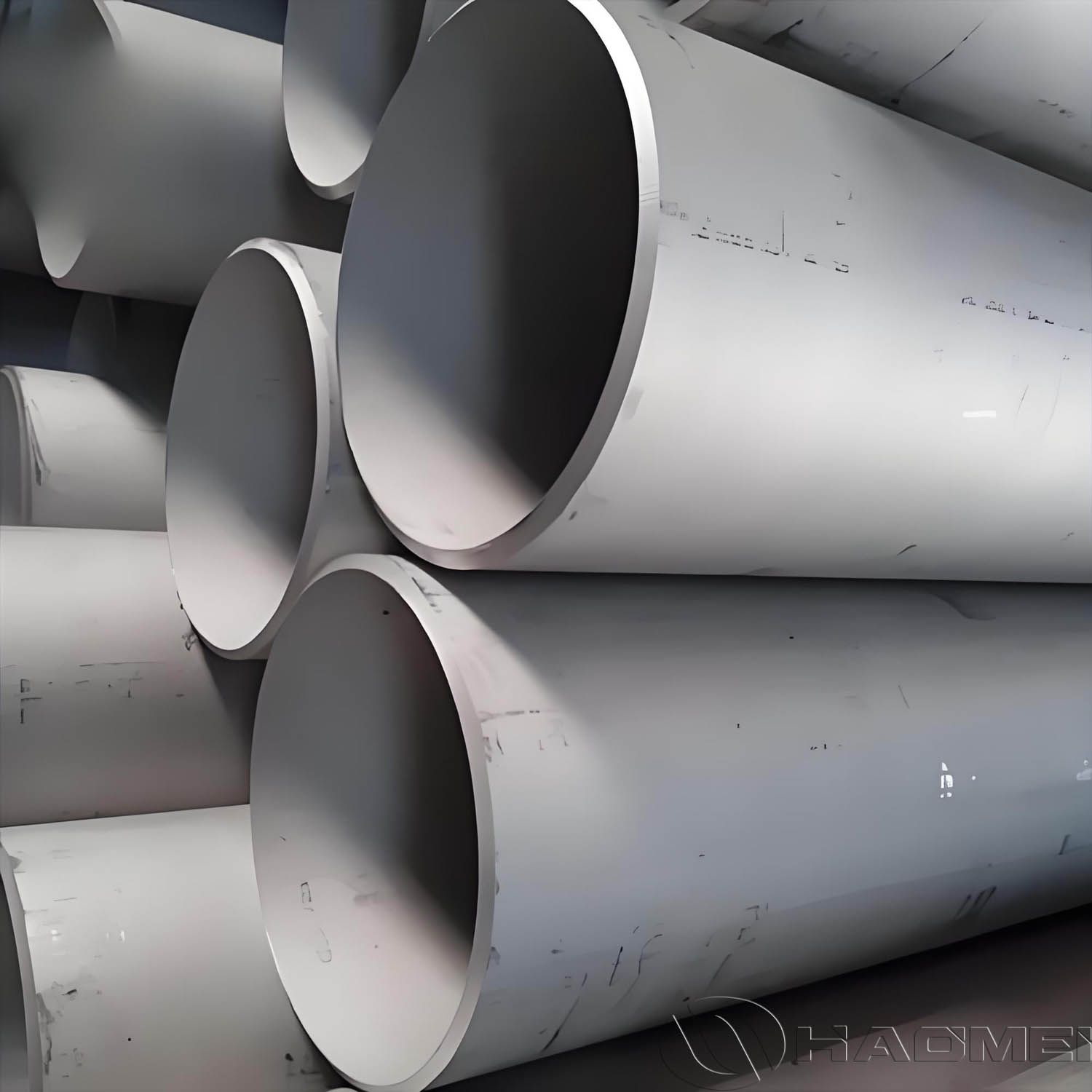
Marine 316L seamless pipes are commonly specified by Nominal Pipe Size (NPS/DN) or actual Outside Diameter (OD).
For international projects, imperial NPS sizes and metric DN sizes are often used together. However, it should be noted that DN does not directly equal the actual outside diameter.
The following table shows common outside diameter references:
Nominal Size | Nominal DN Reference | Actual Outside Diameter (mm) |
| 1/8" | DN6 | 10.3 |
| 1/4" | DN8 | 13.7 |
| 3/8" | DN10 | 17.1 |
| 1/2" | DN15 | 21.3 |
| 3/4" | DN20 | 26.7 |
| 1" | DN25 | 33.4 |
| 1-1/4" | DN32 | 42.2 |
| 1-1/2" | DN40 | 48.3 |
| 2" | DN50 | 60.3 |
| 2-1/2" | DN65 | 73.0 |
| 3" | DN80 | 88.9 |
| 4" | DN100 | 114.3 |
| 5" | DN125 | 141.3 |
| 6" | DN150 | 168.3 |
| 8" | DN200 | 219.1 |
| 10" | DN250 | 273.1 |
| 12" | DN300 | 323.9 |
Standard Length:Standard random lengths are generally 5–7 meters, while 6-meter fixed lengths are also commonly available. Cut-to-length and multiple-length supply can be provided according to shipyard prefabrication requirements.
For certain ASTM A269 products, lengths in the range of 4.5–6.5 meters can be supplied, with a typical length tolerance of -0 / +50 mm.
The above dimensions mainly correspond to the NPS outside diameter series specified in ASME B36.19M for stainless steel pipes. Actual available sizes, dimensional tolerances, and manufacturing ranges shall be subject to the applicable product standard and manufacturer capability.
Some small-diameter and large-diameter piping systems may use other OD series. For marine instrument tubing, small-bore auxiliary pipelines, and precision equipment connection pipes, customers should confirm the actual outside diameter rather than ordering only according to DN or inch designation.
Wall thickness is a critical parameter that determines a pipe's pressure-bearing capacity, structural strength, weight, and service life. For 316L stainless steel pipes manufactured according to the ASME B36.19M dimensional standard, common wall thickness series include Sch 5S, Sch 10S, Sch 40S, and Sch 80S.
The term "Schedule" (Sch) denotes the pipe wall thickness series. For a given nominal pipe size, a higher Schedule rating generally indicates a greater wall thickness; however, the exact wall thickness must be verified by consulting the relevant tables based on the pipe size.
The following list provides reference values for wall thickness across several common sizes (in millimeters):
Nominal Size | OD (mm) | SCH 5S (mm) | SCH 10S (mm) | SCH 40S (mm) | SCH 80S (mm) |
| 1/2" | 21.3 | 1.65 | 2.11 | 2.77 | 3.73 |
| 3/4" | 26.7 | 1.65 | 2.11 | 2.87 | 3.91 |
| 1" | 33.4 | 1.65 | 2.77 | 3.38 | 4.55 |
| 1-1/2" | 48.3 | 1.65 | 2.77 | 3.68 | 5.08 |
| 2" | 60.3 | 1.65 | 2.77 | 3.91 | 5.54 |
| 3" | 88.9 | 2.11 | 3.05 | 5.49 | 7.62 |
| 4" | 114.3 | 2.11 | 3.05 | 6.02 | 8.56 |
| 6" | 168.3 | 2.77 | 3.40 | 7.11 | 10.97 |
| 8" | 219.1 | 2.77 | 3.76 | 8.18 | 12.70 |
| 10" | 273.1 | 3.40 | 4.19 | 9.27 | 12.70 |
| 12" | 323.9 | 3.96 | 4.57 | 9.53 | 12.70 |
Wall Thickness Selection Recommendations
SCH 10S: Commonly suitable for low-pressure seawater cooling lines, deck drainage lines, and other non-critical piping systems.
SCH 40S: A common selection for general marine hydraulic lines and compressed air pipelines.
SCH 80S and above: Suitable for high-pressure hydraulic systems, CO₂ fire-fighting pipelines, and applications with specific wall thickness requirements.
SCH 160 / XXS: Available for special high-pressure applications. For example, a 5-inch pipe can be supplied with a wall thickness up to 19.05 mm.
The overall available wall thickness range can cover approximately 0.5 mm to 50 mm, while marine applications typically use wall thicknesses in the range of 2.0–12.7 mm.
Marine piping prefabrication often requires tighter dimensional tolerances than ordinary fluid piping systems. The dimensional tolerances of 316L seamless pipes are typically controlled according to EN ISO 1127 or ASTM A312 / ASTM A269.
For marine projects, D4/T3 tolerance grade or an equivalent standard is recommended whenever applicable.
Tolerance Grade | Permissible Deviation | Typical Application |
| D4, EN ISO 1127 | ±0.5%, minimum ±0.1 mm | Recommended for marine instrument tubing and precision hydraulic tubing |
| ASTM A269, standard | ±0.5% to ±1% | Generally acceptable for standard marine piping systems |
For example, for a pipe with an OD of 25 mm, D4 tolerance allows a deviation of only ±0.125 mm, helping improve alignment accuracy during flange welding and enhancing the stability of automatic welding processes.
| Tolerance Grade | Permissible Deviation | Typical Application |
| T3, EN ISO 1127 | ±10%, minimum ±0.2 mm | Recommended for marine-grade applications |
| ASTM A312, standard | ±12.5% | Minimum wall thickness must be evaluated for pressure requirements |
Negative wall thickness tolerance directly affects the minimum pressure-bearing wall thickness of a pipeline.
For example, a 2-inch SCH 40S marine hydraulic pipe with a nominal wall thickness of 3.91 mm may have a minimum wall thickness of approximately 3.42 mm under a ±12.5% tolerance. Therefore, pressure calculations should be based on the minimum permitted wall thickness.
Where stricter classification society requirements apply, it is recommended to specify T3 grade tolerance (±10%) or request positive-tolerance supply.
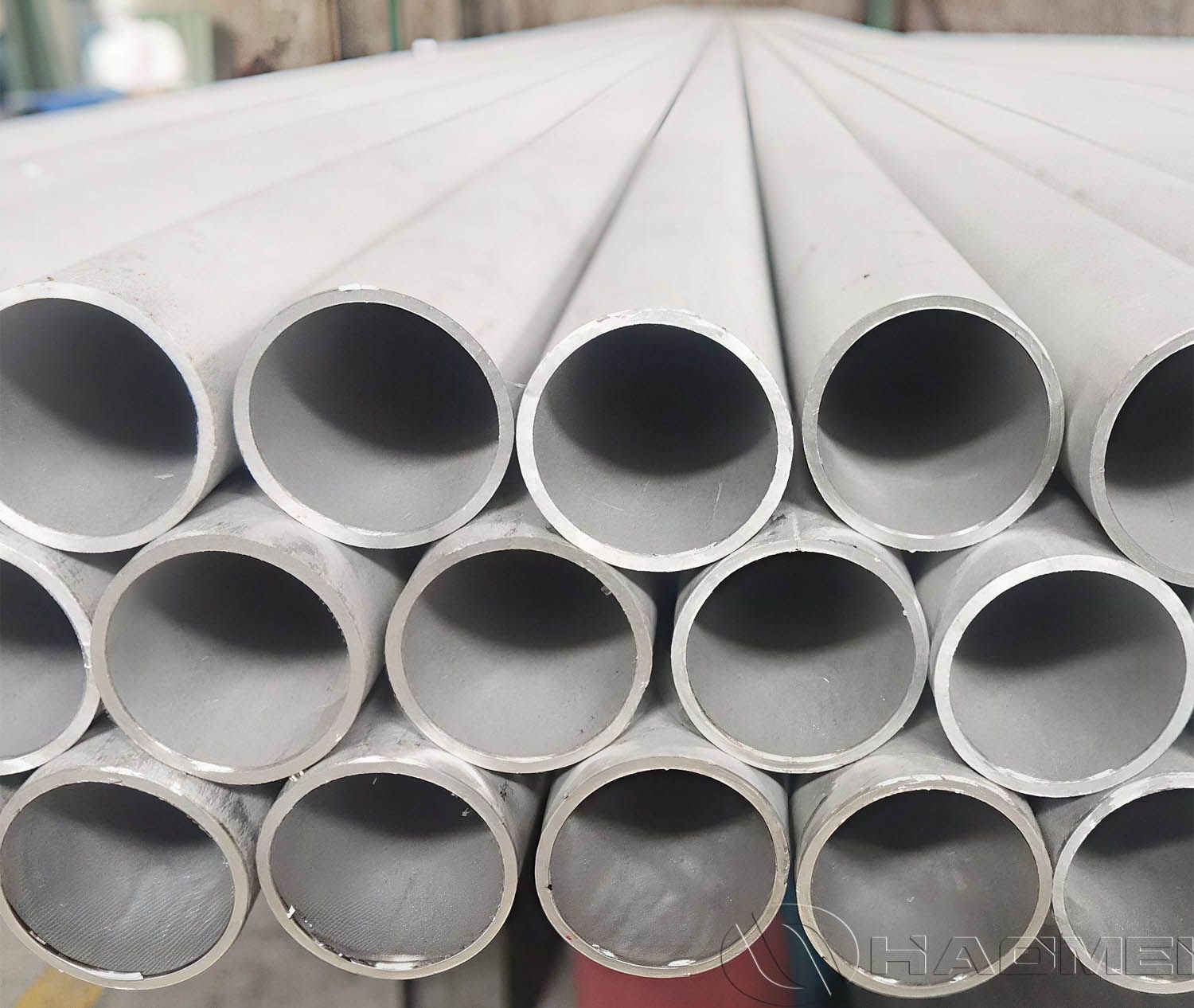
Marine-grade 316L seamless pipes typically require factory approval or product certification from a classification society. Common certifications include those from CCS (China Classification Society), ABS (American Bureau of Shipping), GL/DNV (Germanischer Lloyd/Det Norske Veritas), and LR (Lloyd’s Register). Procurement specifications should clarify the following:
Applicable Standards: ASTM A312 (seamless pipes for high-temperature/corrosive environments), ASTM A269 (general-purpose seamless and welded pipes), EN 10216-5 (seamless steel pipes for pressure purposes), or specific standards mandated by the classification society.
Certification Requirements: An EN 10204 3.1 certificate is a baseline requirement for marine projects; it must include heat treatment records and measured mechanical property values.
Special Requirements: Certain offshore projects may invoke the NORSOK M-650 standard, imposing additional requirements on manufacturer qualifications and testing scopes—typically covering demanding operating conditions for pipes with diameters ranging from 1″ to 24″ and wall thicknesses from 10 mm to 31.25 mm.
Supply Formats and Processing Services
In addition to standard-length pipes, the following supporting services are available to meet shipyard prefabrication requirements:
End Preparation: Options include plain ends, beveled ends, or threaded and coupled ends.
Surface Condition: Pickling and passivation are standard requirements for marine applications. For hydraulic system piping, internal surface polishing or a bright-annealed finish can be provided.
Precision Cutting: Pipes can be cut to specific lengths based on engineering drawings, minimizing the need for on-site processing—an approach particularly well-suited for prefabrication scenarios involving dense pipe routing within pipe trunks or utility corridors.
1. Seamless, Integrated Construction with Uniform Wall Thickness
Produced via piercing and rolling, these pipes are entirely seamless with highly consistent wall thickness. Unlike welded pipes, they eliminate localized wall thinning at weld seams—a common site for preferential corrosion and perforation. This makes them ideal for long-term service in seawater environments and the preferred choice for high-pressure marine piping systems as specified by classification societies.
2. Comprehensive Wall Thickness Grading to Support Lightweight Ship Design
Pipes are available in various SCH (Schedule) ratings, allowing for precise selection based on design pressure, the medium being transported, and the corrosive environment. This avoids unnecessary over-thickening; by meeting strength requirements and corrosion allowances while keeping weight to a minimum, these pipes help reduce the vessel's overall displacement and energy consumption, aligning with modern trends toward lightweight ship design.
3. Resistance to Chloride-Ion Corrosion and Excellent Low-Temperature Toughness
The low-carbon 316L alloy eliminates the risk of sensitization after welding, ensuring that welded joints remain resistant to intergranular corrosion. Furthermore, the material maintains stable impact toughness at low temperatures, making it suitable for vessels operating in cold oceanic regions and for cryogenic piping systems used in LNG applications.
4. Full-Scope Marine Inspection and Traceability
Each batch is supplied with comprehensive documentation, including material certificates, spectral analysis, tensile and hardness test results, and intergranular corrosion test reports. Every pipe undergoes 100% eddy-current testing and hydrostatic testing; for large-diameter, thick-walled pipes, ultrasonic testing (UT) can also be performed to ensure full compliance with the inspection requirements of classification societies such as CCS or DNV.
5. Clean Surfaces to Minimize Fouling and Accumulation
Pipes undergo pickling and passivation to create a dense, stable protective film. Optional electropolishing of the inner bore further reduces the risk of marine organism attachment and sediment scaling, thereby lowering flow resistance and minimizing the need for future maintenance.
Seawater cooling systems and central cooling water circuits for vessels
Ballast water auxiliary piping and deck spray lines
Potable water and fresh water supply piping
Hydraulic, pneumatic, and instrumentation sampling lines for engine rooms
Lube oil and fuel oil auxiliary transfer lines, and chemical dosing lines
Tube bundles for marine heat exchangers and condensers
Piping systems for offshore platforms, floating equipment, and offshore wind energy facilities
Outside Diameter × Wall Thickness (mm) | Equivalent Specification | Reference Weight (kg/m) | Typical Marine Application |
| 21.3 × 2.77 | 1/2" SCH 40S | 1.28 | Instrument air lines, low-pressure hydraulic lines |
| 33.4 × 3.38 | 1" SCH 40S | 2.54 | Steering gear hydraulic lines, compressed air lines |
| 48.3 × 3.68 | 1-1/2" SCH 40S | 4.11 | Main hydraulic lines for deck machinery |
| 60.3 × 3.91 | 2" SCH 40S | 5.51 | Seawater cooling branch lines |
| 88.9 × 5.49 | 3" SCH 40S | 11.44 | Ballast water and fire-fighting branch lines |
| 114.3 × 6.02 | 4" SCH 40S | 16.28 | Cargo hold drainage and fire-fighting main lines |
| 168.3 × 7.11 | 6" SCH 40S | 28.69 | Main seawater cooling lines and ballast water main lines |
 01
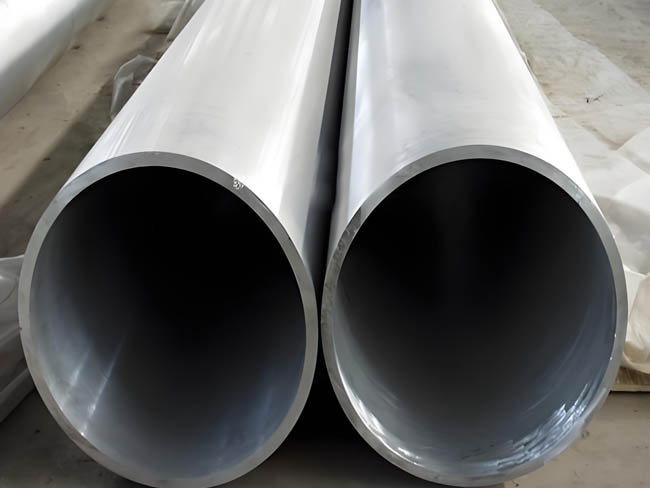
Large diameter seamless steel pipes typically refer to pipes with an outer diameter of 219 mm or larger, and in some cases up to 1020 mm. Compared with standard-size pipes, large-diameter seamless pipes are manufactured using advanced hot rolling or hot e
 02
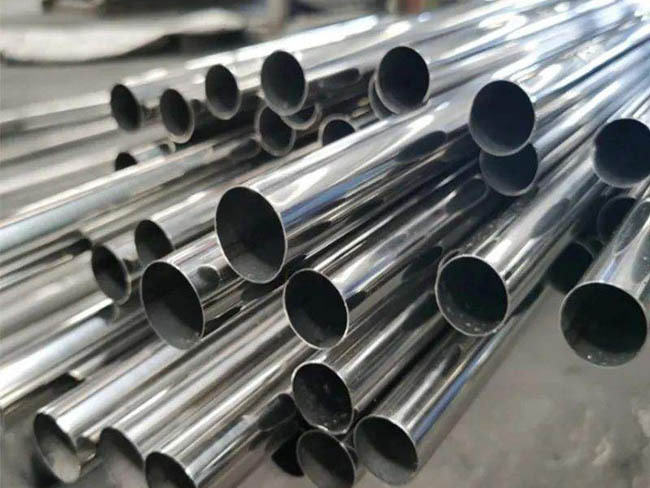
Small diameter seamless steel tubes refer to steel pipes with a relatively small outer diameter and a seamless structure without welding joints. The typical outer diameter range is 6 mm–89 mm. These pipes are manufactured through processes such as piercin
 03
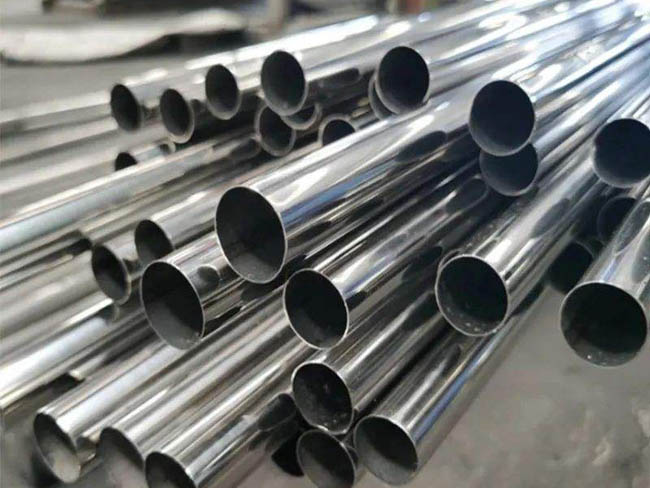
TP304 stainless steel seamless pipe (ASTM A312/A213 TP304) is one of the most widely used austenitic stainless steel pipes in industrial applications. With its excellent corrosion resistance, outstanding workability, and stable performance in both high an
 04
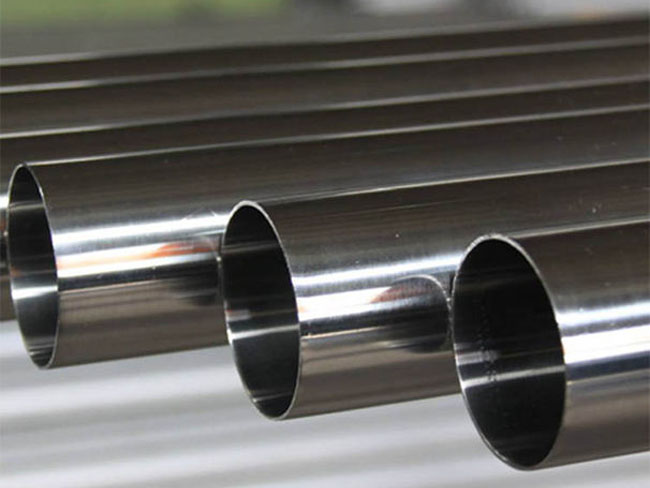
Duplex stainless steel pipe consists of approximately equal proportions of ferrite and austenite stainless steel phases. It combines the high strength of ferritic stainless steel with the toughness of austenitic stainless steel. Its yield strength is gene