
-
Email
-
WhatsApp
-
Address
Zhengzhou, China
Zhengzhou, China
 By Hermione
In the shipbuilding and offshore engineering industries, piping systems are the "lifeline" that ensures safe navigation and stable equipment operation. CCS marine cold drawn seamless stainless steel pipe is a core component of this complex piping network. It must not only maintain stable performance in high-salinity, high-humidity, and high-pressure marine environments, but also withstand vibration, corrosion, temperature fluctuations, and other demanding service conditions.
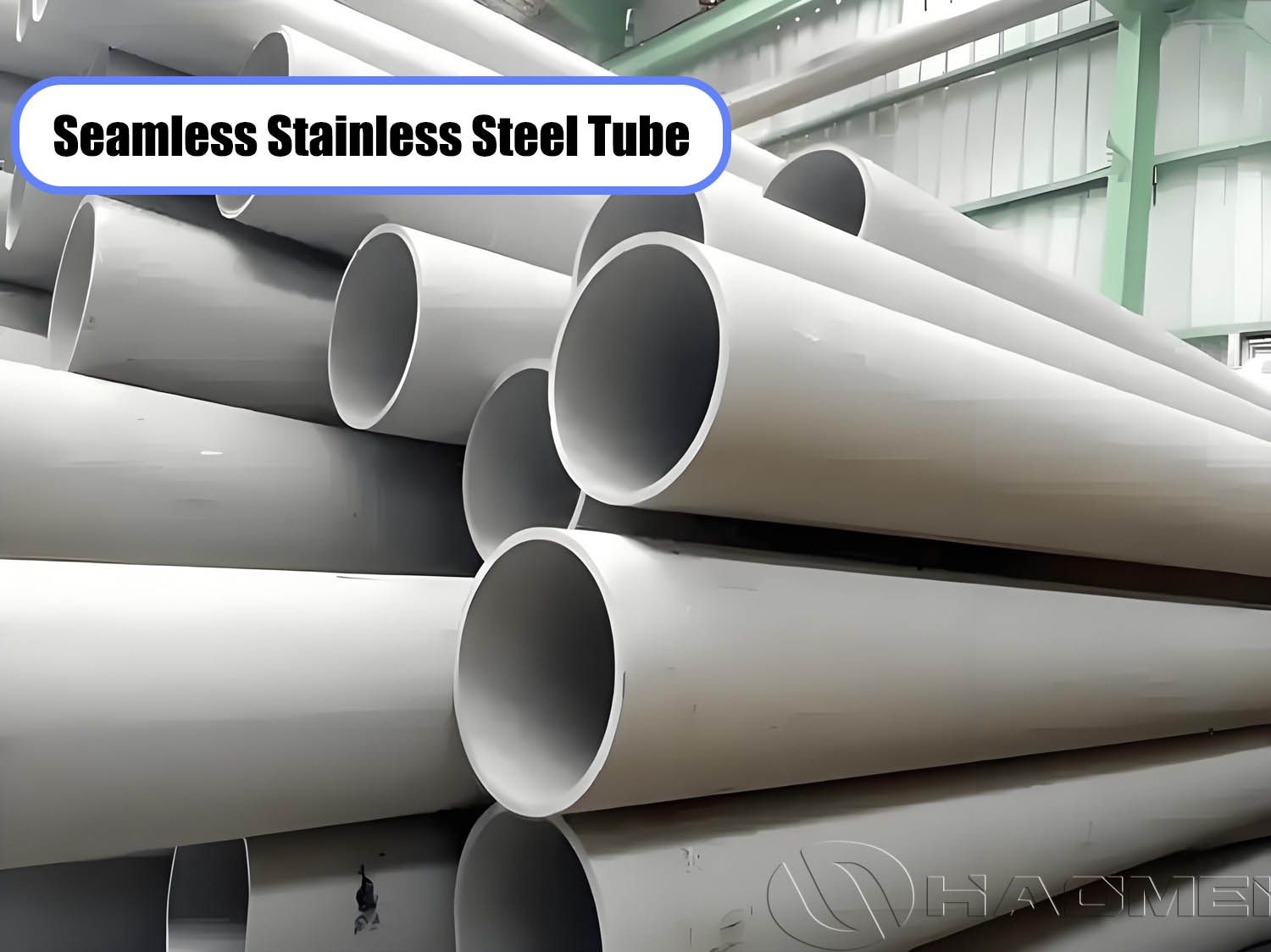
CCS marine cold drawn seamless stainless steel pipe is a high-quality stainless steel pipe designed for shipbuilding and offshore engineering applications. It is manufactured from premium stainless steel billets through multiple processes, including piercing, cold drawing or cold rolling, solution heat treatment, pickling and passivation, straightening, and non-destructive testing.
With CCS certification, the product is suitable for key systems in ships and offshore engineering projects. It can also comply with international standards such as ASTM A312, ASTM A269, and EN 10216-5, making it an ideal alternative to imported pipes and helping ships meet international navigation and project requirements smoothly.
The cold drawing process further improves dimensional accuracy and surface quality, giving the pipe more uniform wall thickness, more stable mechanical properties, and better internal and external surface conditions. After solution treatment, the stainless steel pipe obtains excellent resistance to intergranular corrosion, good toughness, and high ductility, making it suitable for long-term use in complex marine environments.
Compared with welded pipes, seamless pipes have no weld seam. Their overall structure is more continuous, offering better pressure resistance and higher safety. They are especially suitable for marine systems with strict requirements for sealing performance, pressure resistance, and corrosion resistance.
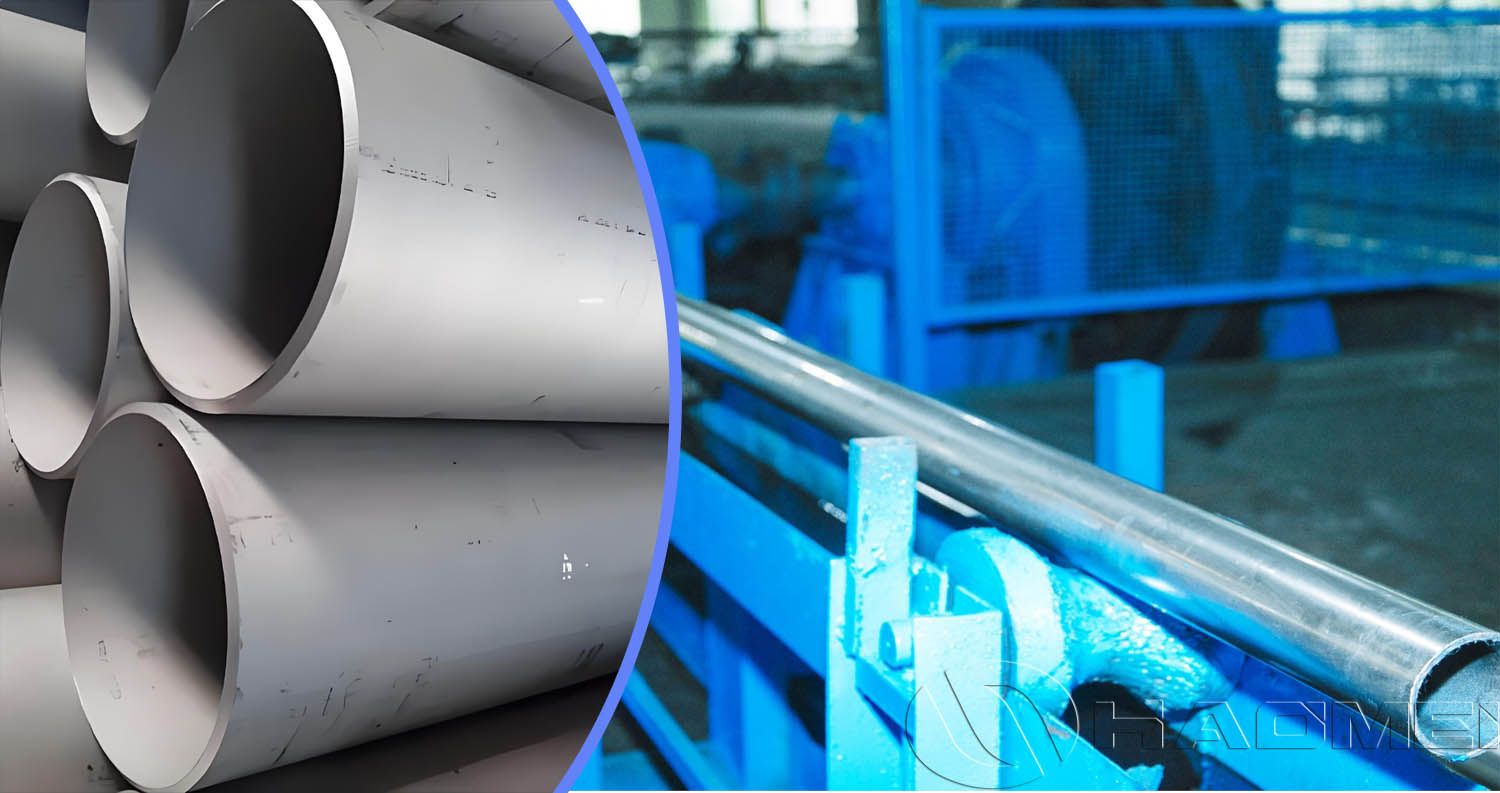
CCS marine cold drawn seamless stainless steel pipes are made from marine-grade austenitic stainless steel. The main grades include 304L, 316L, and other materials, which can be selected according to specific working conditions.
TP316L (UNS S31603 / 022Cr17Ni12Mo2)
TP316L is the "main material" for marine piping systems. Due to the addition of 2%–3% molybdenum (Mo) and its ultra-low carbon content, it offers excellent resistance to pitting and crevice corrosion. It is the preferred material for seawater cooling systems, ballast water pipelines, and offshore platform piping.
TP304L (UNS S30403 / 022Cr19Ni10)
TP304L is a low-carbon austenitic stainless steel with low risk of intergranular corrosion. It provides balanced strength and toughness, as well as good resistance to atmospheric corrosion, fresh water, and weak acid or alkaline media. It is commonly used in ship fresh water systems, air pipelines, and general structural components, offering excellent cost performance.
Duplex Stainless Steel (Such as S32205 / S31803)
Duplex stainless steel combines the advantages of both austenitic and ferritic stainless steels. Its strength is more than twice that of ordinary stainless steel, making it highly suitable for special offshore engineering systems involving extremely high pressure and severe corrosion.
1. Excellent Corrosion Resistance
Marine stainless steel pipes are commonly made from materials such as 304 and 316L, offering good resistance to seawater corrosion. They are especially suitable for high-salinity and high-humidity environments.
2. High Strength and High Reliability
The cold drawing process makes the material structure denser, significantly improving compressive strength and fatigue resistance to ensure long-term stable operation.
3. Precise Dimensional Control
Cold drawing enables stricter dimensional tolerance control, meeting the installation requirements of precision piping systems.
4. Smooth Internal and External Surfaces
A smooth inner wall helps reduce fluid resistance, improve transmission efficiency, and lower the risk of scaling.
5. Compliance with International Classification Society Standards
In addition to CCS, other classification society certifications such as ABS and DNV can also be provided upon request.
6. Long Service Life and Low Maintenance Cost
Thanks to excellent corrosion resistance, strength, and stability, the pipe can effectively extend the service life of piping systems and reduce maintenance, replacement, and vessel downtime costs.
7. Low-Temperature Toughness
The pipe can maintain high toughness and resist brittle fracture even at -40°C, making it suitable for low-temperature piping systems on polar vessels and refrigerated ships, ensuring safe operation in cold sea areas.
8. Safety and Hygiene
The material is non-toxic, odorless, and free from heavy metal precipitation, meeting food-grade hygiene requirements.
9. Green and Recyclable
Stainless steel is 100% recyclable, with a recycling rate of more than 90%. It causes no waste pollution and aligns with the maritime industry’s trend toward green and environmentally friendly development.
| Item | Parameter Description |
| Product Name | CCS Marine Cold Drawn Seamless Stainless Steel Pipe |
| Common Materials | 304, 304L, 316, 316L, 321, 310S, 904L, 2205, etc. |
| Manufacturing Method | Cold drawing, cold rolling, precision cold processing |
| Pipe Structure | Seamless steel pipe |
| Outside Diameter Range | 6 mm–630 mm, customizable |
| Wall Thickness Range | 0.5 mm–40 mm, customizable |
| Length | Fixed length, multiple length, or random length; commonly 3 m–12 m |
| Surface Condition | Pickled, passivated, polished, bright annealed, sandblasted, etc. |
| Standards | GB/T, ASTM, ASME, EN, JIS, and relevant CCS rules |
| Inspection Items | Chemical composition, mechanical properties, dimensional inspection, non-destructive testing, hydrostatic test, etc. |
| Certification Support | CCS classification society inspection certificate can be provided according to project requirements |
Raw Material Selection:High-purity stainless steel billets are selected to ensure stable chemical composition and reliable material performance.
Piercing Forming:The solid billet is pierced to form a seamless tube blank.
Cold Drawing Processing:Cold drawing improves dimensional accuracy, wall thickness uniformity, and surface finish.
Solution Heat Treatment:Solution treatment optimizes the microstructure and improves corrosion resistance and toughness.
Pickling and Surface Treatment:Oxide scale is removed, and the surface is treated to enhance cleanliness and corrosion resistance.
Non-Destructive Testing:UT and ET testing are conducted to detect internal and surface defects.
Hydrostatic Test and Performance Testing:Pressure resistance, sealing performance, and mechanical properties are verified.
Final Inspection and Packaging:Finished pipes are inspected and packed to ensure safe transportation and storage.
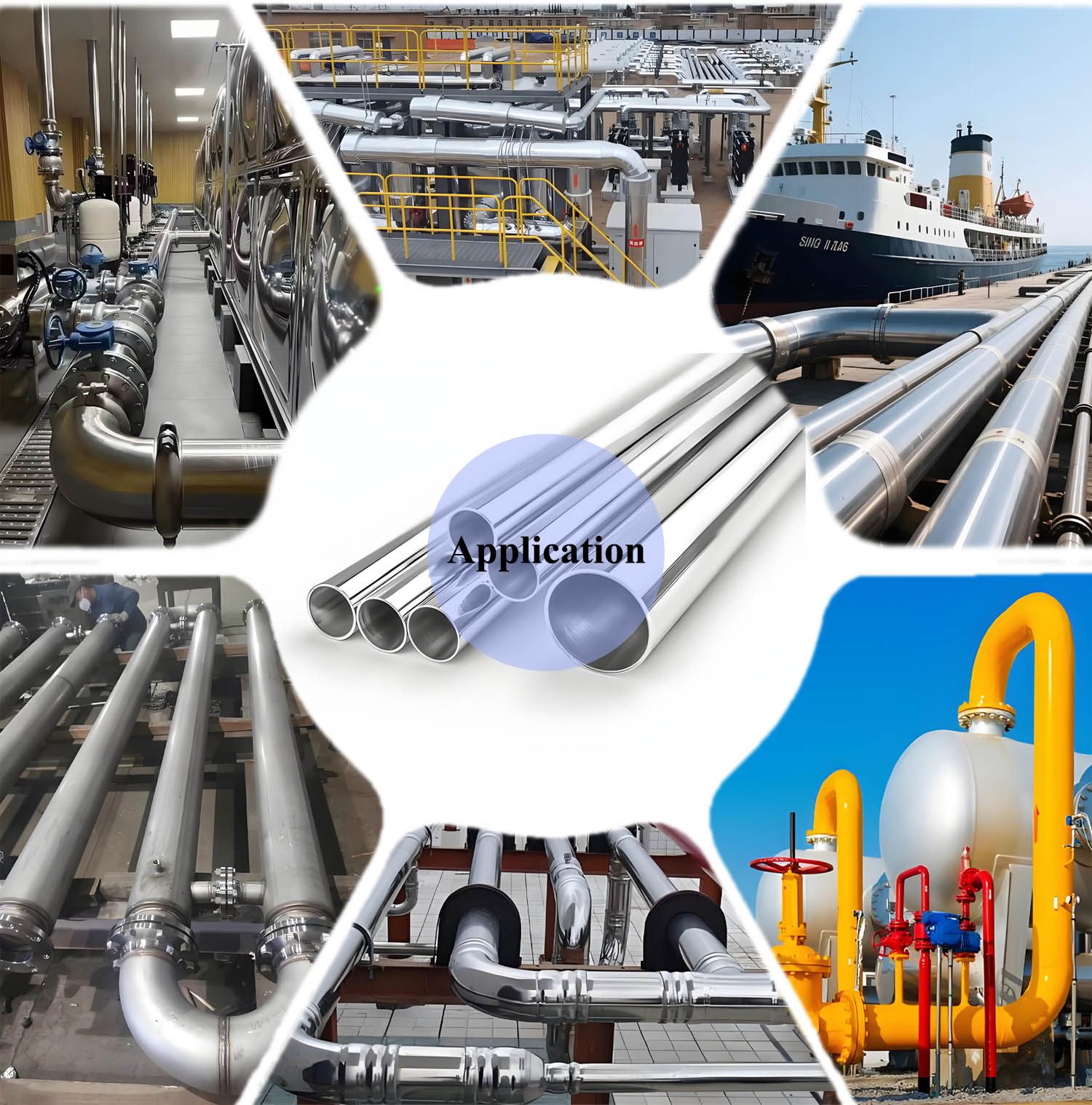
1. Ship Seawater Piping Systems
Suitable for seawater cooling, seawater firefighting, and seawater transportation systems. Materials such as 316L and 2205 are recommended due to their better resistance to chloride ion corrosion.
2. Marine Hydraulic Systems
Cold drawn seamless stainless steel pipes offer high dimensional accuracy and excellent pressure resistance. They are suitable for hydraulic control pipelines, steering gear systems, and deck machinery hydraulic pipelines.
3. Fuel and Lubricating Oil Systems
They can be used for conveying diesel, fuel oil, and lubricating oil. These systems require clean inner walls, reliable sealing, and stable pressure resistance.
4. Ballast Water Systems
Ballast water is corrosive to a certain extent, so the pipe material must have good corrosion resistance and long-term service stability. 316L and duplex stainless steel are commonly used.
5. Fresh Water and Domestic Water Systems
304, 304L, and 316L stainless steel pipes can be used in ship fresh water, domestic water, and drinking water pipelines. They provide cleanliness, corrosion resistance, and long service life.
6. Chemical Tankers and Special Vessel Pipelines
For chemical tankers, LNG carriers, offshore engineering vessels, and other special ships, higher corrosion-resistant materials such as 316L, 904L, and 2205 can be selected according to the conveyed medium.
7. Offshore Platforms and Marine Engineering Equipment
Widely used in offshore platform process pipelines, instrument tubing, cooling systems, firefighting systems, seawater lifting systems, and auxiliary equipment piping.
W = (Outside Diameter - Wall Thickness) × Wall Thickness × 0.02491
Where:
W: Weight per meter, in kilograms per meter (kg/m)
Outside Diameter: Pipe outside diameter, in millimeters (mm)
Wall Thickness: Pipe wall thickness, in millimeters (mm)
0.02491: Conversion coefficient based on the density of stainless steel, mainly applicable to materials such as 304 and 316L
Q1: Can 316L stainless steel pipe remain completely rust-free in seawater?
In flowing seawater, 316L stainless steel containing molybdenum provides excellent corrosion resistance. However, it should be noted that in stagnant water, dead zones, or crevices with severe marine organism attachment, stainless steel may still face a risk of pitting corrosion.
Q2: Why should seamless pipes be selected for ship piping?
Seamless pipes have no weld seam, so the pipe body has better structural continuity, higher pressure resistance, and improved safety. They are suitable for marine hydraulic systems, high-pressure pipelines, seawater pipelines, and critical equipment piping.
Q3: What is the difference between 304 and 316L marine stainless steel pipes?
304 is suitable for ordinary corrosive environments, such as fresh water, air, and oil media. 316L contains molybdenum, giving it stronger resistance to chloride ion corrosion, making it more suitable for seawater, salt spray, and marine environments.
Q4: What are the advantages of the cold drawing process?
Cold drawing improves dimensional accuracy, wall thickness uniformity, and surface smoothness. It also enhances the mechanical properties of the pipe, making it suitable for precision installation and high-demand marine piping systems.
Q5: Can classification society certificates be provided?
Yes. According to specific project requirements and order agreements, CCS, ABS, LR, DNV and other classification society inspection certificates, material certificates, and test reports can be provided.
Q6: What inspections are required for marine stainless steel pipes?
Common inspections include chemical composition analysis, mechanical property testing, dimensional inspection, hydrostatic testing, eddy current testing, ultrasonic testing, surface quality inspection, and intergranular corrosion testing.
 01
01
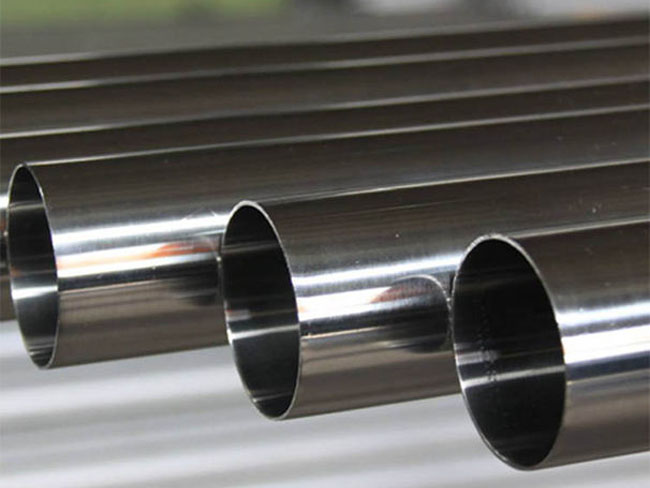
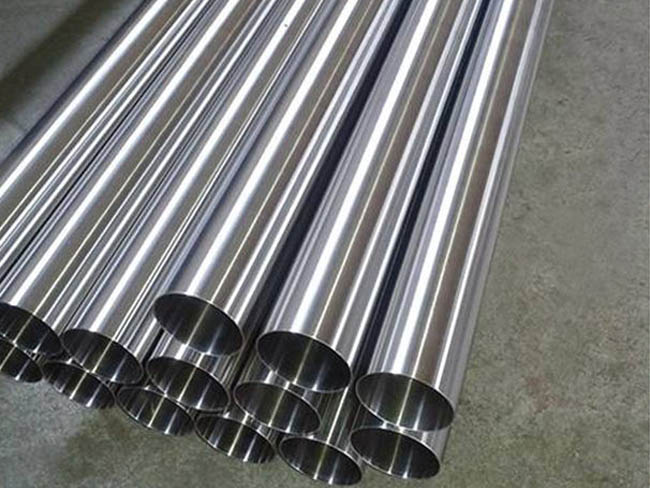
TP316L seamless stainless steel pipe conforms to ASTM A312, A213 and A269 standards, and has excellent corrosion resistance and low carbon welding performance, making it suitable for the chemical, shipbuilding, pharmaceutical and food industries.
 02
02
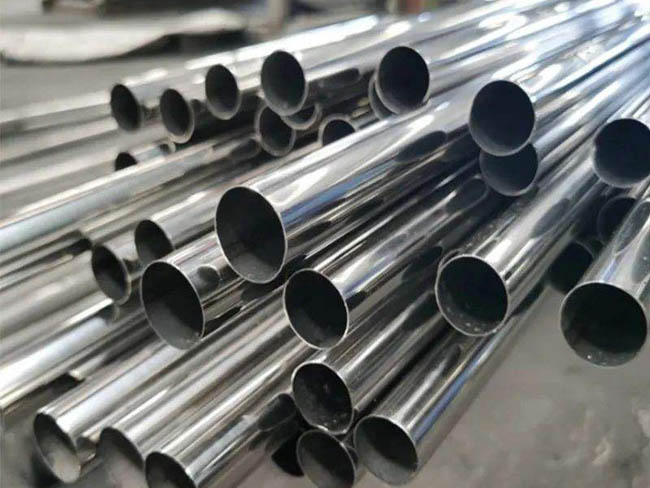
TP316 seamless stainless steel pipe offers excellent corrosion resistance and strength for chemical, marine, food, and petrochemical applications. Manufactured to ASTM A312, A213, and EN 10216-5 standards with customizable sizes and finishes.
 03
03
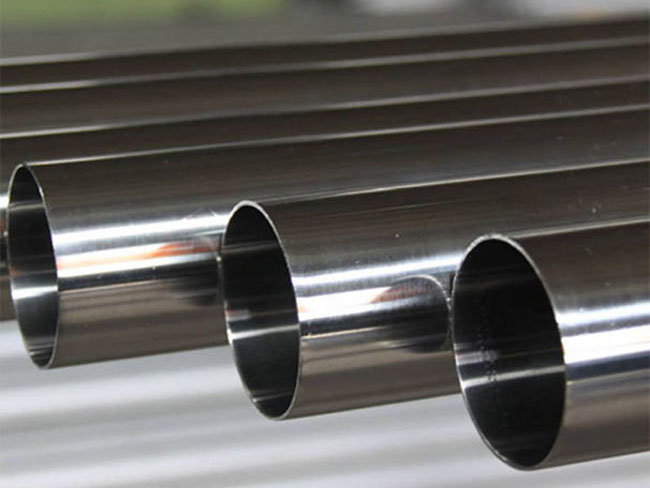
Small diameter seamless steel tubes refer to steel pipes with a relatively small outer diameter and a seamless structure without welding joints. The typical outer diameter range is 6 mm–89 mm. These pipes are manufactured through processes such as piercin
 04
04
Duplex stainless steel pipe consists of approximately equal proportions of ferrite and austenite stainless steel phases. It combines the high strength of ferritic stainless steel with the toughness of austenitic stainless steel. Its yield strength is gene