
-
Email
-
WhatsApp
-
Address
Zhengzhou, China
Zhengzhou, China
 By Hermione
In modern shipbuilding, marine engineering and offshore platform construction, stainless steel pipes are widely used in seawater systems, fire-fighting systems, ballast water systems, fuel systems, hydraulic systems and domestic water supply systems due to their excellent corrosion resistance, high strength and long service life.
However, during the procurement process, many shipyards, engineering contractors and equipment manufacturers face the same question:
What are the differences between marine-grade seamless stainless steel pipes and stainless steel welded pipes? Which type is more suitable for marine applications?
This article provides a comprehensive comparison from the perspectives of manufacturing processes, performance, corrosion resistance, mechanical properties, cost and practical applications. It will help you select the most suitable product according to your project requirements.
Marine seamless stainless steel pipes are manufactured through hot rolling, hot extrusion or cold drawing. The entire pipe body is formed without any weld seam, resulting in a more uniform structure and higher overall strength.
Common applicable standards include:
ASTM A312
ASTM A269
ASTM A213
EN 10216-5
JIS G3459
Common material grades include:
304 / 304L
316 / 316L
Duplex 2205
Super Duplex 2507
Among these materials, 316L seamless stainless steel pipe is one of the most widely used products in the shipbuilding industry because of its excellent resistance to seawater corrosion.
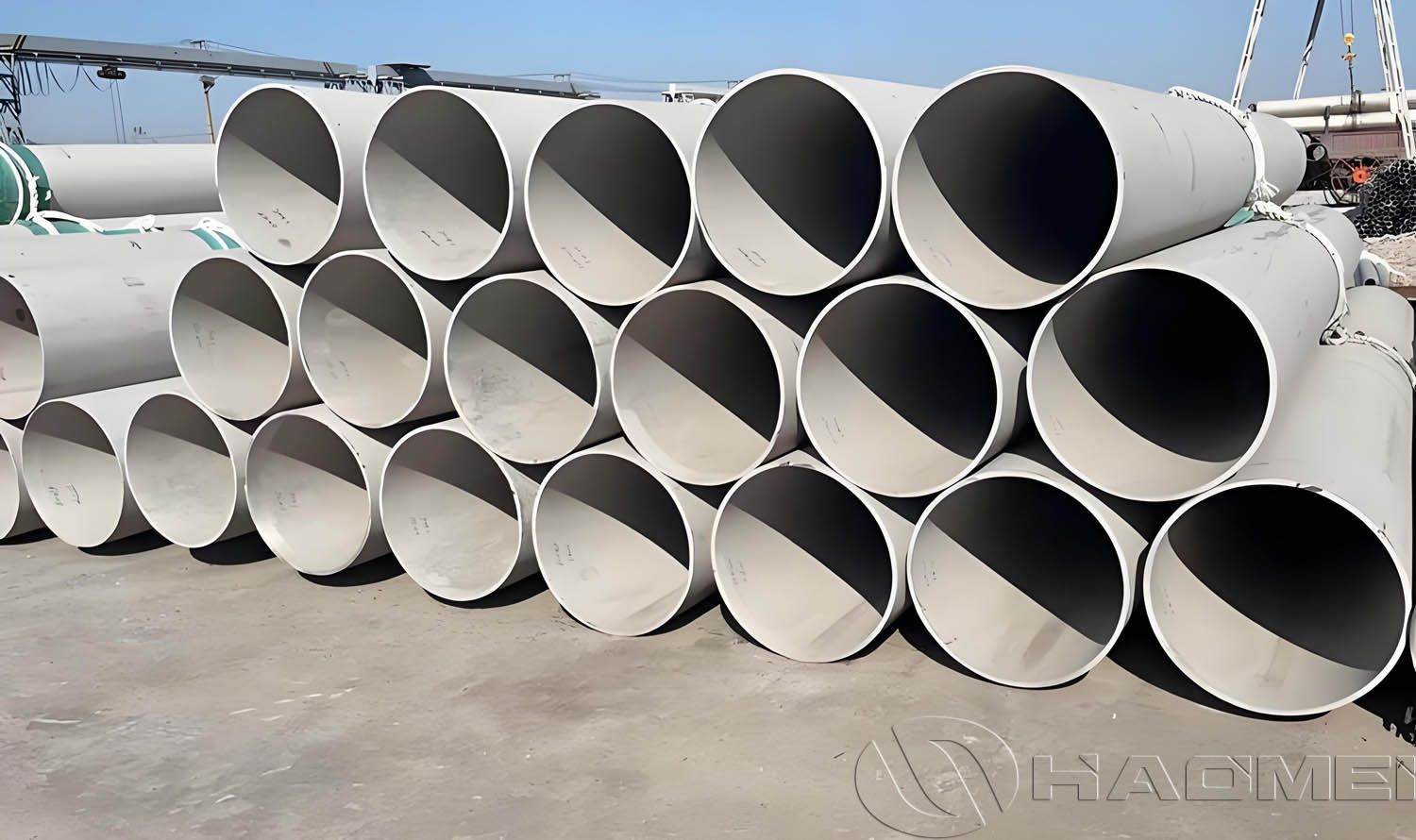
A welded stainless steel pipe is manufactured by forming stainless steel plate or strip into a tubular shape and then joining the edges using automated welding equipment.
With the development of laser welding, plasma welding and automated TIG welding technologies, high-quality welded pipes can now meet the requirements of many industrial applications.
Modern welded pipes commonly undergo the following processes:
Weld seam heat treatment
Solution annealing
Online eddy current testing
X-ray inspection
Hydrostatic testing
As a result, the quality of modern welded pipes has improved significantly compared with that of earlier products.
Seamless pipes are generally manufactured through the following process:
Round bar/billet → Heating → Piercing → Hot rolling/cold rolling/cold drawing → Solution annealing → Pickling and passivation → Straightening → Cutting → Inspection → Packing
The key feature of a seamless pipe is the absence of a weld seam. Since the pipe is formed as one continuous piece, its structure is relatively uniform. It is particularly suitable for applications with high requirements for pressure, temperature, vibration and operational safety.
However, seamless pipe manufacturing involves a relatively complex process. Large-diameter, thin-wall or high-precision seamless pipes can be especially difficult to produce, resulting in higher manufacturing costs.
Welded pipes are generally manufactured through the following process:
Steel strip/plate → Uncoiling → Forming → Welding → Weld seam treatment → Heat treatment → Sizing → Straightening → Pickling and passivation → Inspection → Packing
The main advantages of welded pipes are high production efficiency and a wide range of available dimensions. They offer particularly significant cost advantages in large-diameter applications.
For low-pressure conveying systems, structural applications or non-critical systems, welded pipes are an economical and practical choice.
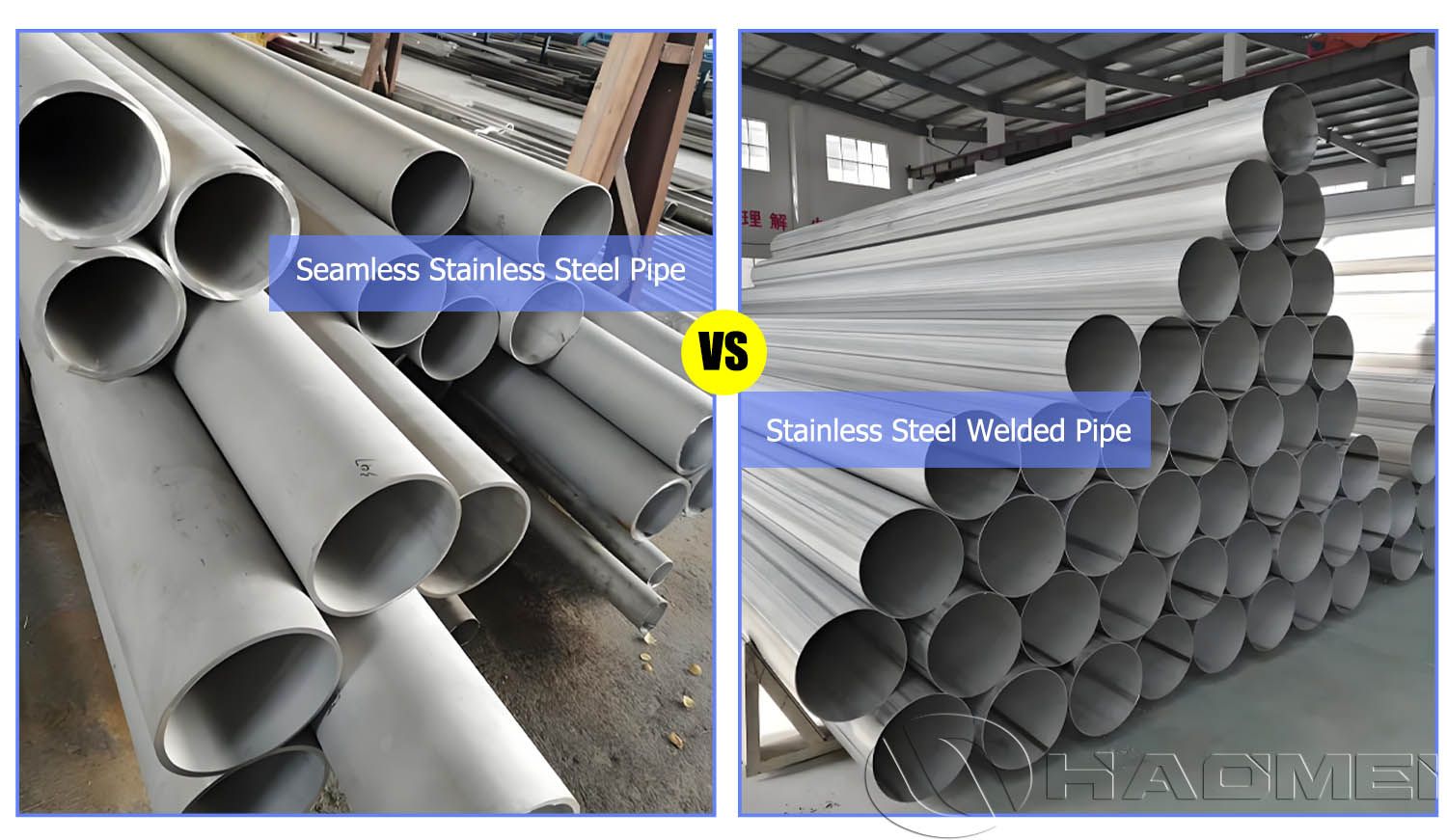
Ships operate in marine environments, where chloride ions in seawater can cause severe corrosion to metal piping materials. Since seamless pipes do not have weld seams and generally have a more uniform metal structure, they do not contain a weld seam that could act as a potential weak point. Therefore, they may offer better corrosion resistance than welded pipes in highly corrosive environments.
The weld area of a welded pipe undergoes thermal cycles during welding. As a result, its chemical composition and metallurgical structure may differ from those of the base metal. If post-weld treatment is inadequate, the weld seam may become a preferential site for corrosion.
However, with advances in welding processes and post-weld treatment technologies, the corrosion resistance of high-quality welded pipes has improved significantly.
In terms of pressure resistance, seamless pipes can generally withstand higher pressures because of their continuous, weld-free structure.
Seamless pipes are generally used for liquid conveying systems with pressures above 0.8 MPa, while welded pipes are often used in low-pressure systems below 0.8 MPa. For high-pressure applications, particularly those at or above 10 MPa, seamless pipes are generally considered the preferred option.
The pressure-bearing capacity of welded pipes depends heavily on weld quality. If the weld contains defects such as pores, lack of fusion or inclusions, it may become the starting point for leakage or rupture under high pressure. Welded pipes may therefore involve greater risks during long-term high-pressure operation if the weld quality and inspection standards are inadequate.
Marine boilers, superheaters and exhaust systems operate under high-temperature conditions and therefore have stringent requirements for pipe materials.
Seamless pipes also perform well in high-temperature applications and are widely used in high-temperature and high-pressure environments such as power station boilers and nuclear power plants.
The high-temperature performance of welded pipes may be affected by structural changes in the weld area. At elevated temperatures, the long-term strength of the weld may be lower than that of the base metal.
Welded pipes may have an advantage in terms of dimensional accuracy. Since they are formed from cold-rolled steel plate or strip, welded pipes generally offer uniform wall thickness, accurate dimensions, smooth internal and external surfaces, and flexible cut-to-length options.
Seamless pipes, on the other hand, may have variations in wall thickness, and their internal or external surfaces may contain defects such as pits or dark spots.
Seamless pipes generally have higher manufacturing costs, especially in special materials, thick-wall, high-precision or small-batch applications. Their prices are usually significantly higher than those of welded pipes.
Welded pipes offer higher production efficiency, better material utilization, lower costs and more flexible delivery schedules. For large-diameter, long-distance and low-pressure piping systems, welded pipes offer considerable economic advantages.
| Comparison Item | Seamless Stainless Steel Pipe | Stainless Steel Welded Pipe |
| Manufacturing method | Formed by piercing, rolling or cold drawing of billets | Formed by rolling steel strip/plate and welding the edges |
| Weld seam | No weld seam | Contains a weld seam |
| Pressure resistance | Generally higher; suitable for high-pressure systems | Suitable for low- and medium-pressure systems; high-quality products may also be used in certain higher-pressure applications |
| Corrosion risk | Relatively low risk because there is no weld heat-affected zone | The weld seam and heat-affected zone require careful control |
| Fatigue resistance | Generally good; suitable for vibration and impact environments | Depends on weld quality and post-weld treatment |
| Available size range | Small and medium diameters are more common; large diameters are relatively costly | Significant advantages in large-diameter and thin-wall applications |
| Surface quality | Cold-drawn/cold-rolled products generally offer high precision | Depends on the welding process and weld seam treatment |
| Manufacturing cost | Higher | Lower |
| Delivery time | Relatively longer | Relatively shorter |
| Typical applications | High-pressure hydraulic lines, fuel lines, instrumentation piping and critical seawater systems | Drainage pipes, domestic water systems, ventilation systems, low-pressure conveying lines and large-diameter piping |
When selecting a pipe, it is recommended to consider the following factors comprehensively.
1. Operating Pressure
For high-pressure systems, seamless pipes are generally recommended.
2. Conveyed Medium
For seawater, high-salinity environments and corrosive media, 316L or duplex stainless steel is recommended. The choice between seamless and welded pipe should then be evaluated according to the specific operating conditions.
3. Pipe Diameter
For large-diameter projects, welded pipes may be considered first. Small- and medium-diameter, high-pressure systems are generally more suitable for seamless pipes.
4. Classification Society Requirements
Confirm whether the pipe complies with the requirements of classification societies such as:
ABS
DNV
LR
BV
CCS
NK
The product should also meet the technical specifications of the specific project.
5. Lifecycle Cost
In addition to the purchase price, it is important to consider maintenance costs, downtime risks and service life.
For critical systems, seamless pipes may require a higher initial investment but can help reduce long-term operating costs.
 01
01
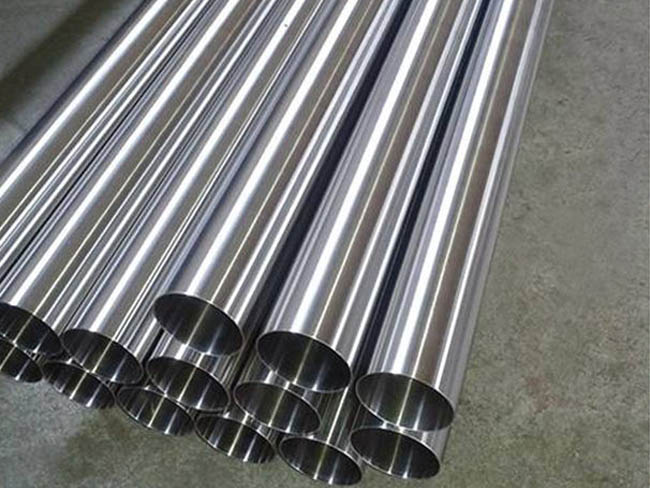
TP316 seamless stainless steel pipe offers excellent corrosion resistance and strength for chemical, marine, food, and petrochemical applications. Manufactured to ASTM A312, A213, and EN 10216-5 standards with customizable sizes and finishes.
 02
02
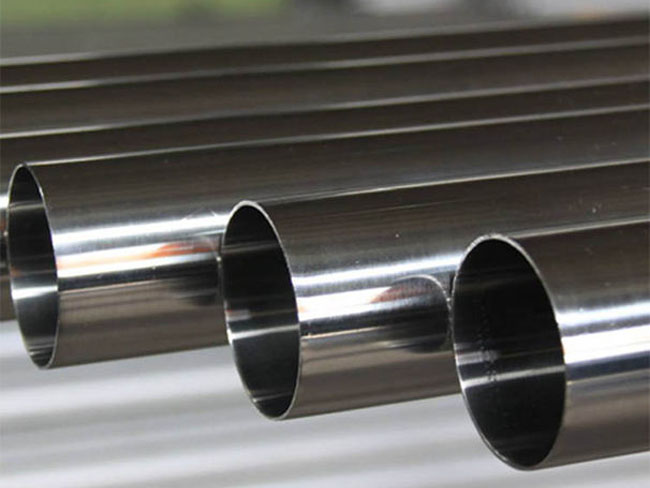
TP316L seamless stainless steel pipe conforms to ASTM A312, A213 and A269 standards, and has excellent corrosion resistance and low carbon welding performance, making it suitable for the chemical, shipbuilding, pharmaceutical and food industries.
 03
03
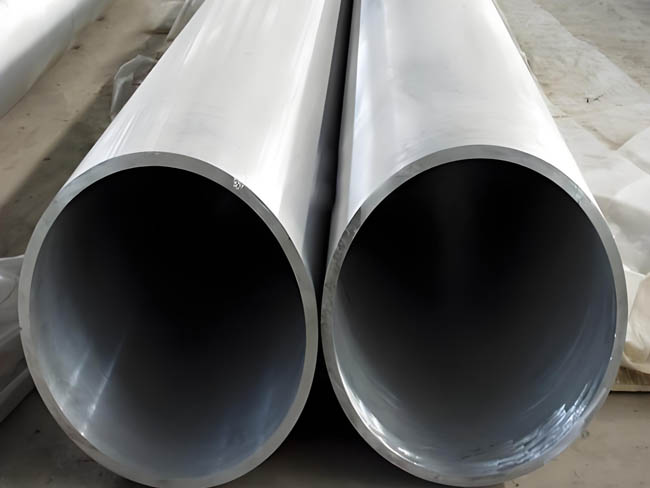
Large diameter seamless steel pipes typically refer to pipes with an outer diameter of 219 mm or larger, and in some cases up to 1020 mm. Compared with standard-size pipes, large-diameter seamless pipes are manufactured using advanced hot rolling or hot e
 04
04
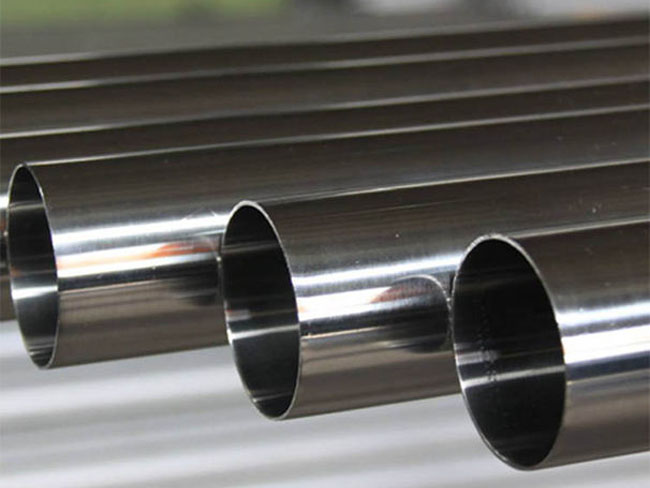
Marine seamless stainless steel pipes are manufactured from austenitic stainless steels such as 304, 304L, 316, and 316L. They feature excellent seawater corrosion resistance and high structural strength, and are widely used in ship piping systems, seawat