
-
Email
-
WhatsApp
-
Address
Zhengzhou, China
Zhengzhou, China
 By Hermione
ASTM A312 TP316L is a pipe grade. HAOMEI is a professional seamless stainless steel pipe manufacturer and supplier, providing ASTM A312 TP316L pipes in various specifications. We manufacture pipes with different wall thicknesses, diameters, and lengths. Our ASTM A312 TP316L seamless stainless steel pipes feature excellent performance and can be used for seawater transportation, chemical medium pipelines, and food-grade fluid conveying systems.
ASTM A312 is an internationally widely adopted manufacturing standard for seamless and welded stainless steel pipes. TP316L is a low-carbon austenitic stainless steel grade.
Compared with 304 stainless steel, 316L contains about 2%–3% molybdenum (Mo), giving it superior resistance to pitting corrosion, crevice corrosion, and chloride ion corrosion. Meanwhile, its low carbon content (≤0.03%) effectively reduces the risk of carbide precipitation during welding and improves the corrosion resistance of the weld area, making it highly suitable for welded structures and long-term service environments.
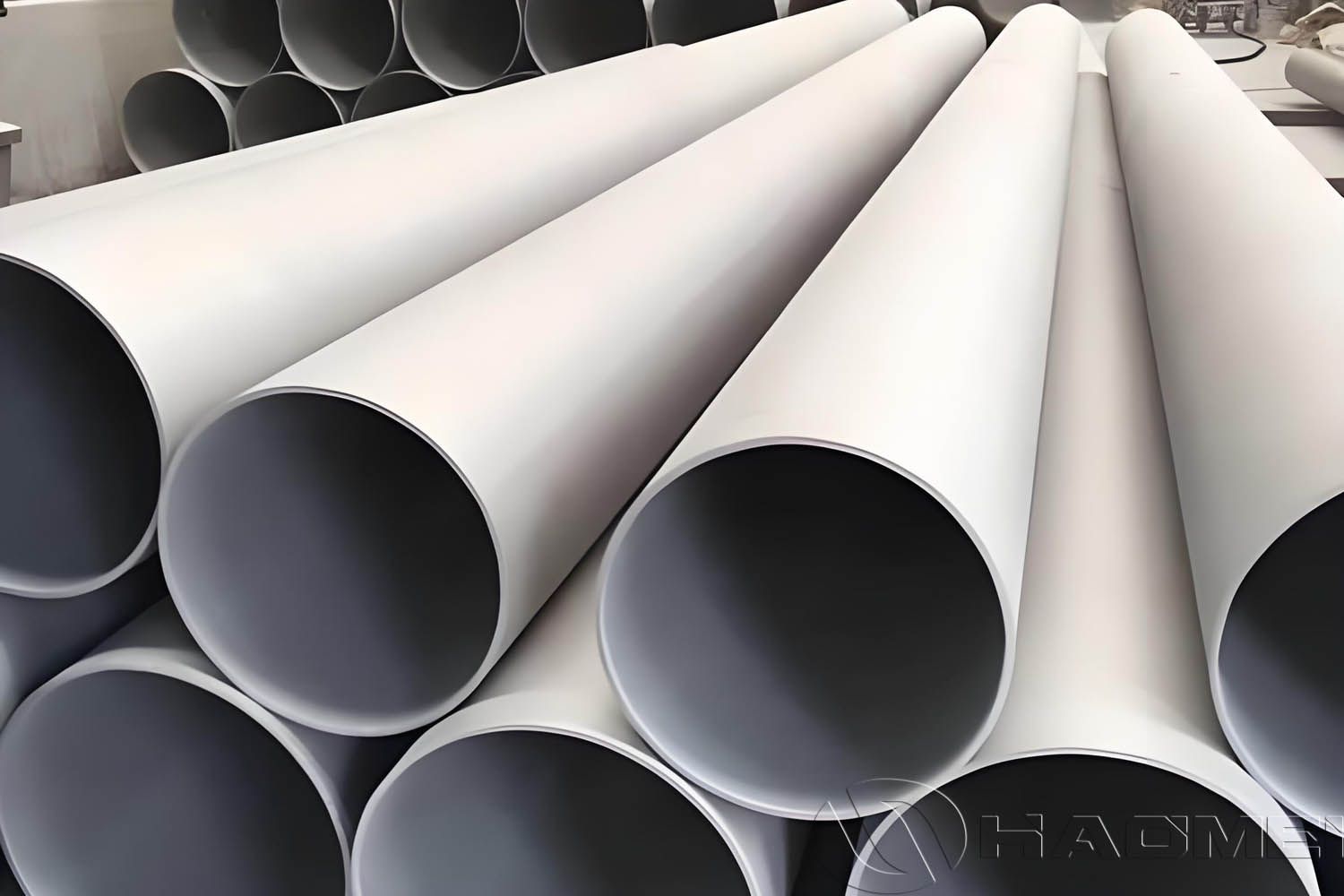
Due to its seamless manufacturing process, ASTM A312 TP316L seamless pipe has no weld defects, offering higher pressure-bearing capacity and better structural integrity. Therefore, it is especially suitable for high-pressure, high-temperature, and critical operating conditions.
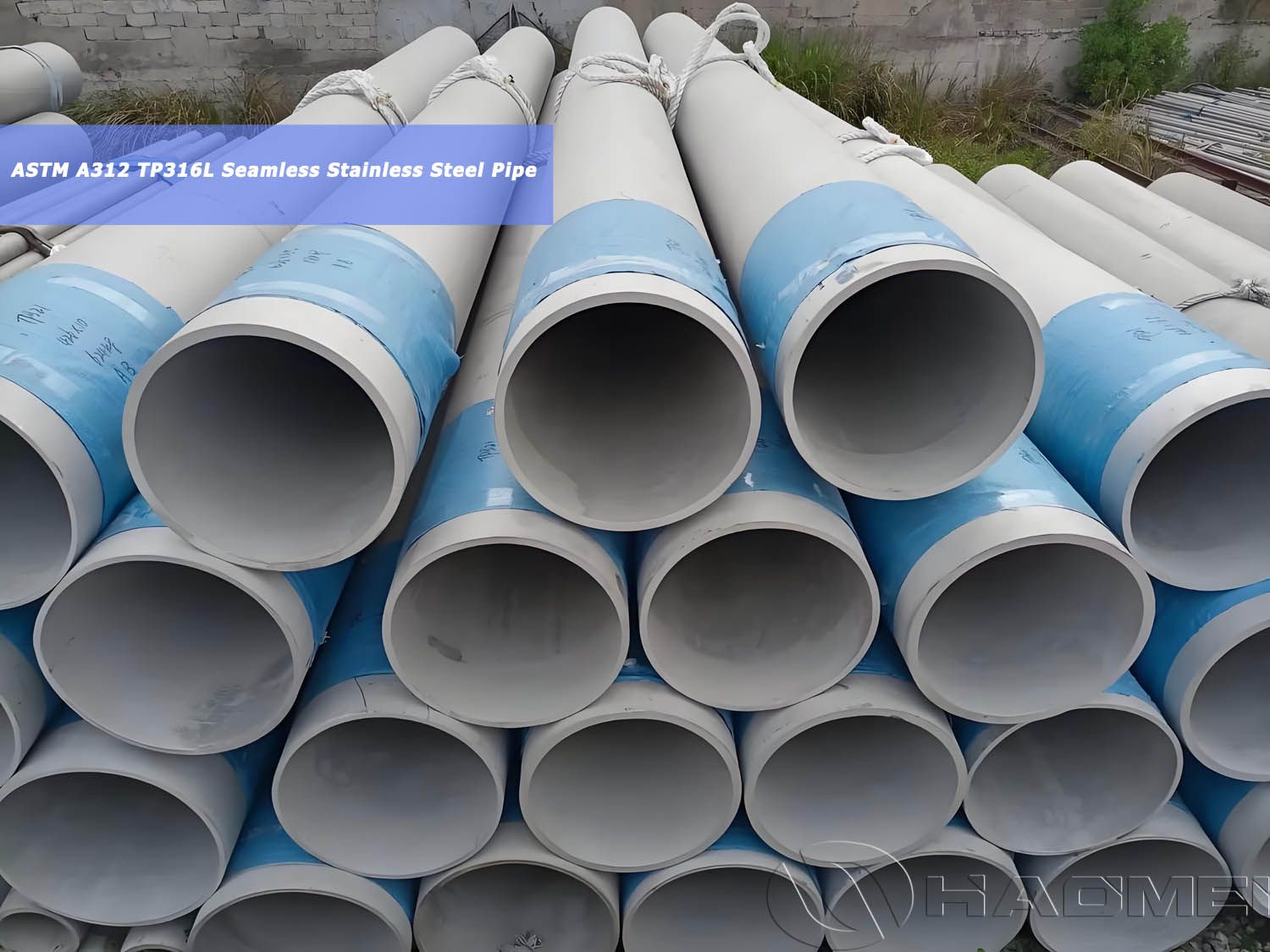
1. Excellent Corrosion Resistance
One of the greatest advantages of TP316L is its outstanding corrosion resistance. Thanks to its high chromium and nickel content, as well as 2%–3% molybdenum, its corrosion resistance is significantly better than that of 304 series stainless steel.
2. Strong Resistance to Pitting and Crevice Corrosion
In chloride-containing environments, ordinary stainless steel is prone to pitting corrosion. Although pitting may not be obvious at the initial stage, once it develops, it can cause localized perforation and seriously affect pipeline safety.
The molybdenum in TP316L significantly improves the material’s resistance to pitting, making it more suitable for seawater treatment, shipbuilding, chemical equipment, and coastal facilities.
3. Good Weldability
TP316L is a low-carbon stainless steel, so it is less likely to suffer from severe intergranular corrosion after welding. This is very important for projects requiring on-site welding, pipeline prefabrication, or installation of complex systems. Common welding methods include TIG welding, MIG welding, manual arc welding, and automatic welding.
4. More Reliable Pressure Resistance
Seamless stainless steel pipes are manufactured through perforation, cold drawing, cold rolling, heat treatment, and other processes. Since there is no weld seam, the overall structure is more uniform.
5. Good Surface Quality, Easy Cleaning and Maintenance
TP316L stainless steel pipes have a smooth surface, are not prone to impurity adhesion, and are easy to clean and maintain. In food, beverage, pharmaceutical, and bioengineering industries, pipeline cleanliness directly affects product safety and production quality.
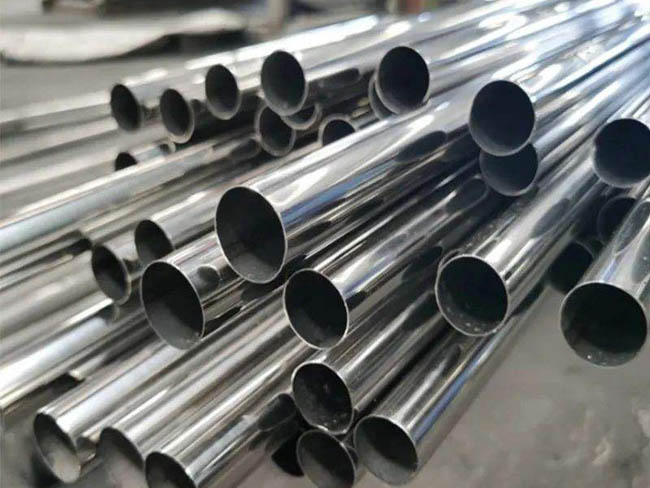
After pickling, polishing, or bright annealing treatment, 316L stainless steel pipes can meet higher sanitary requirements.
6. High-Temperature and Low-Temperature Resistance
316L can be used for long-term transportation of high-temperature media while maintaining good toughness in low-temperature environments.
| Item | Common Range |
| Outside Diameter | 1/8"–24" or larger |
| Wall Thickness | SCH 5S, SCH 10S, SCH 40S, SCH 80S, SCH 160, etc. |
| Length | 5.8m, 6m, 11.8m, 12m, or fixed length |
| Manufacturing Method | Seamless cold drawn, cold rolled, hot rolled |
| Surface Treatment | Pickling, polishing, bright annealing, etc. |
| Standard | ASTM A312 / ASME SA312 |
| Inspection | Hydrostatic test, eddy current test, ultrasonic test, PMI test |
| Element | C | Cr | Ni | Mo | Mn | Si | P | S |
| Content (%) | ≤0.03 | 16.0-18.0 | 10.0-14.0 | 2.0-3.0 | ≤2.0 | ≤1.0 | ≤0.045 | ≤0.030 |
| Item | Typical Requirement |
| Tensile Strength | ≥485 MPa |
| Yield Strength | ≥170 MPa |
| Elongation | ≥35% |
| Hardness | Generally complies with standard requirements |
Chemical and Petrochemical Industry: Used as process pipelines for transporting corrosive media such as acids, alkalis, and salts. This is one of the most classic applications of TP316L.
Marine Engineering: Suitable for pipeline systems exposed to seawater and salt spray for long periods, such as offshore platforms, ship pipelines, and desalination plants. TP316L's excellent resistance to chloride ions makes it a preferred material for marine conditions.
Food and Beverage Processing: Used for conveying pipelines that require high cleanliness, corrosion resistance, and no product contamination.
Pharmaceutical and Bioengineering: Suitable for pharmaceutical equipment pipelines with extremely high requirements for material purity and corrosion resistance.
Heat Exchange Systems: Used in boilers, heat exchangers, condenser tubes, and other heat exchange equipment.
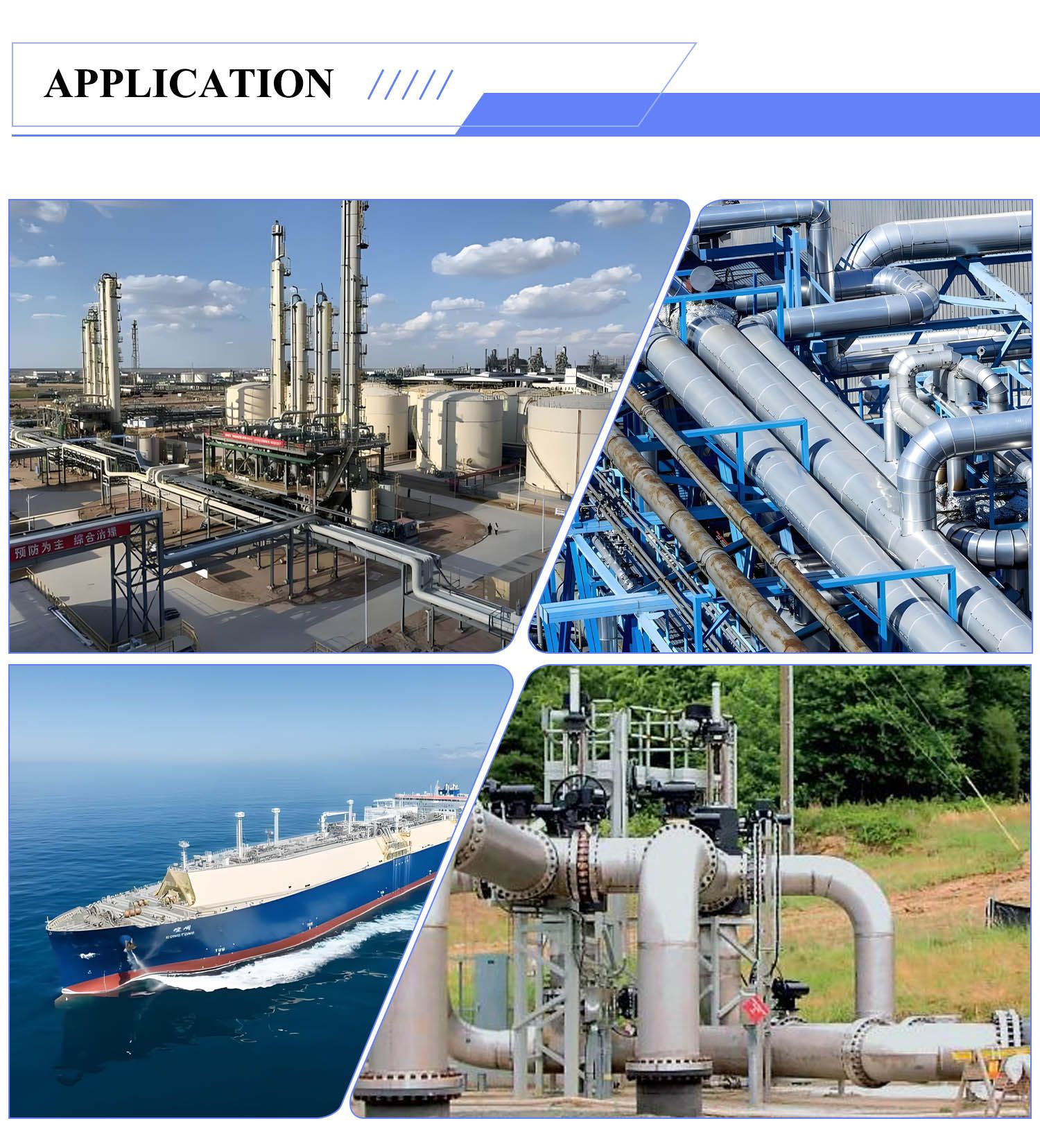
316L seamless stainless steel pipe is highly suitable for the marine industry mainly due to its excellent corrosion resistance and reliable service performance. Ships are exposed to seawater, salt spray, and humid environments for long periods. Ordinary steel pipes are prone to rust and corrosion, while 316L stainless steel contains molybdenum, which effectively improves resistance to chloride corrosion, pitting corrosion, and crevice corrosion.
At the same time, 316L is a low-carbon stainless steel with good weldability. It is less likely to suffer from intergranular corrosion after welding, making it suitable for complex welding installation requirements in marine piping systems. The seamless structure has no welded weak points and provides more stable pressure-bearing capacity, making it suitable for ship seawater pipelines, cooling systems, fuel lines, hydraulic systems, drainage systems, and offshore platform equipment pipelines.
Therefore, 316L seamless stainless steel pipe can maintain a long service life in high-salt, high-humidity, and highly corrosive marine environments. It helps reduce maintenance frequency and improves the safety and stability of ship piping systems.
Q1: What is the difference between ASTM A312 TP316L and TP304?
A: TP316L contains 2%–3% molybdenum, giving it much better resistance to pitting corrosion, crevice corrosion, and chloride ion corrosion than TP304. It is more suitable for marine, chemical, and high-salinity environments.
Q2: Why choose seamless 316L stainless steel pipe?
A: Seamless pipe has no weld seam, offers higher pressure-bearing capacity, and has a more uniform structure. It is more suitable for high-pressure, high-temperature, and critical working conditions, providing better safety and reliability.
Q3: What are the common specifications of ASTM A312 TP316L seamless pipe?
A: Common outside diameters range from 6–610 mm, with wall thickness covering SCH5S to SCH160 and XXS. Standard lengths are usually 6 meters and 12 meters, and custom lengths are also available upon request.
Q4: What industries are ASTM A312 TP316L seamless pipes used in?
A: They are widely used in oil and gas, chemical, marine engineering, shipbuilding, food and beverage, pharmaceutical, power generation, heat exchangers, seawater desalination, water treatment, and other fields.
Q5: What quality certifications are usually required for export projects?
A: Depending on project requirements, ISO quality management system certification can be provided. ABS, DNV, LR, BV, CCS, and other classification society certifications are also supported, along with third-party inspection reports such as SGS and TÜV, meeting procurement requirements for international engineering and marine projects.
 01
01
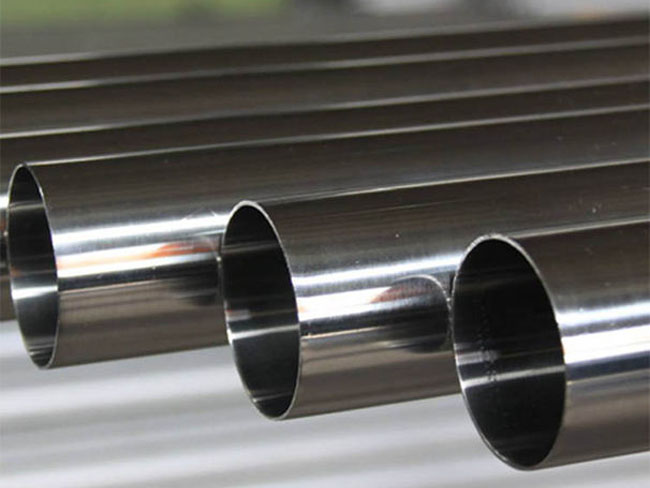
Small diameter seamless steel tubes refer to steel pipes with a relatively small outer diameter and a seamless structure without welding joints. The typical outer diameter range is 6 mm–89 mm. These pipes are manufactured through processes such as piercin
 02
02
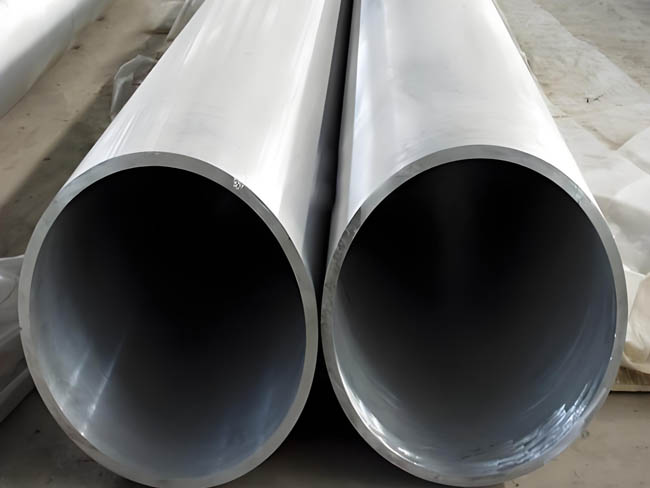
Marine seamless stainless steel pipes are manufactured from austenitic stainless steels such as 304, 304L, 316, and 316L. They feature excellent seawater corrosion resistance and high structural strength, and are widely used in ship piping systems, seawat
 03
03
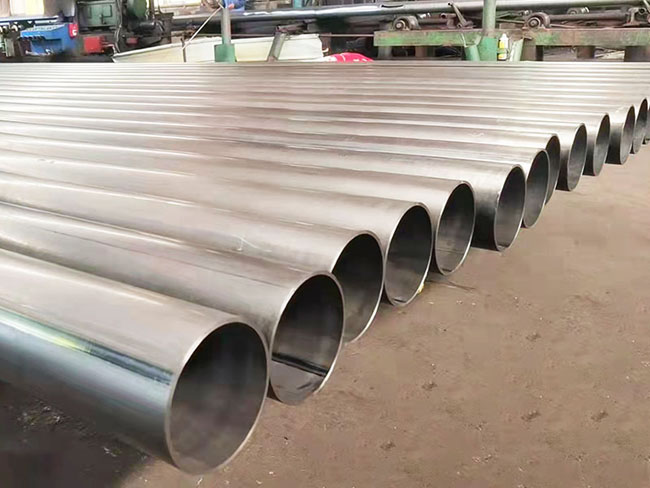
Large diameter seamless steel pipes typically refer to pipes with an outer diameter of 219 mm or larger, and in some cases up to 1020 mm. Compared with standard-size pipes, large-diameter seamless pipes are manufactured using advanced hot rolling or hot e
 04
04
Austenitic seamless stainless steel pipe refers to seamless steel tubing whose microstructure remains stable austenite at room temperature. These steels typically use chromium and nickel as the primary alloying elements. A typical example is 18Cr-8Ni (Gra