
-
Email
-
WhatsApp
-
Address
Zhengzhou, China
Zhengzhou, China
 By Hermione
In demanding marine and offshore environments involving high salt spray, high-pressure fluid erosion, and seawater pitting corrosion, the safety and reliability of piping systems are directly related to the operational safety of the entire vessel. This article provides an in-depth overview of the metallurgical advantages, pitting corrosion resistance mechanism, and the core value of DNV GL certification for ASTM A312 TP316L hot-rolled seamless stainless steel pipe used in shipbuilding and offshore projects.
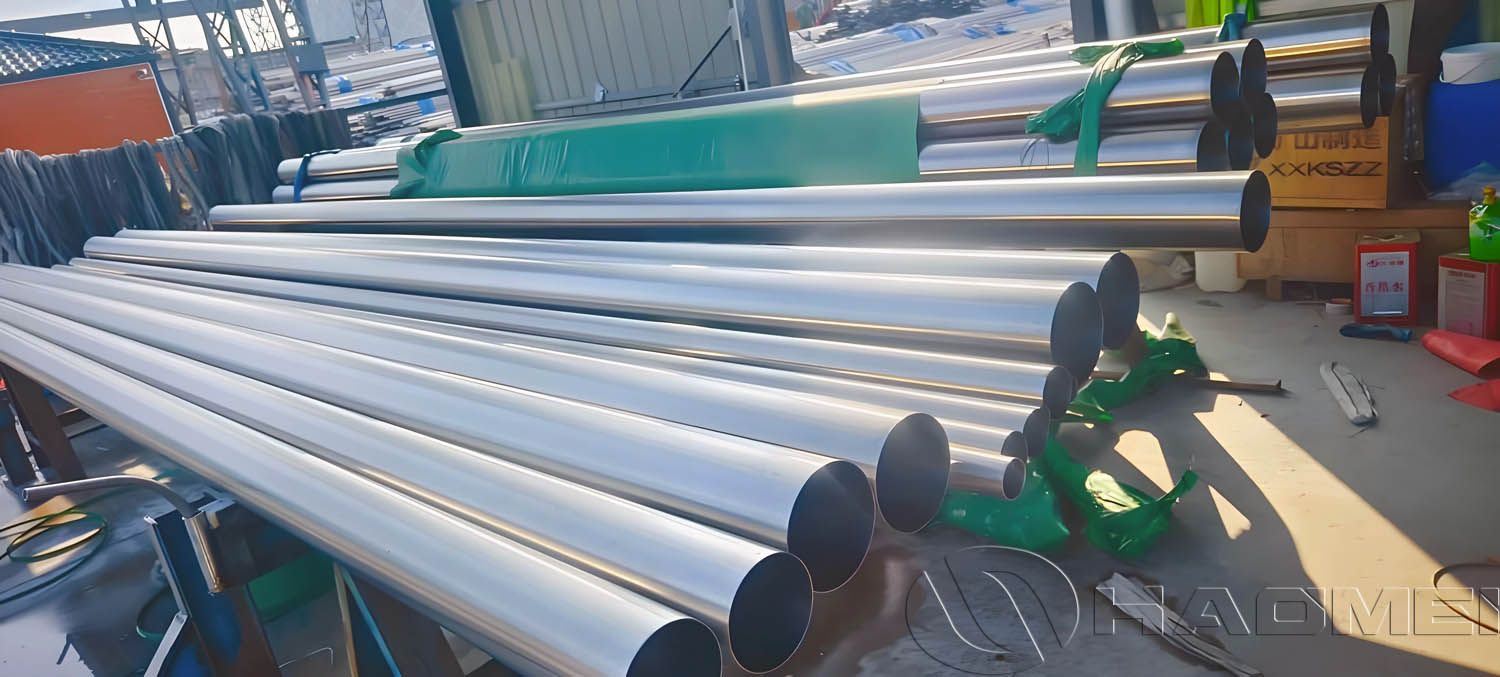
TP316L is an austenitic stainless steel grade under the American ASTM A312 standard system, corresponding to UNS S31603. It is the low-carbon version of Type 316 stainless steel, with carbon content controlled at 0.03% or below.
The lower carbon content effectively reduces the risk of harmful carbide precipitation during welding. As a result, TP316L maintains excellent resistance to intergranular corrosion even after welding, making it highly suitable for marine piping systems that require extensive field fabrication and welding.
In terms of chemical composition, TP316L typically contains 16.0%–18.0% chromium, 10.0%–14.0% nickel, and 2.0%–3.0% molybdenum. The addition of molybdenum is the key difference between TP316L and 304 stainless steel. It provides outstanding resistance to pitting corrosion and crevice corrosion in chloride-containing environments, such as seawater and salt-laden atmospheres.
| Element | C | Mn | Si | P | S | Cr | Ni | Mo |
| ASTM A312 Standard | ≤0.035% | ≤2.00% | ≤1.00% | ≤0.045% | ≤0.030% | 16.0%–18.0% | 10.0%–14.0% | 2.00%–3.00% |
| Higher Marine-Grade Control | ≤0.025% | ≤1.50% | ≤0.75% | ≤0.025% | ≤0.005% | 16.5%–17.5% | 11.0%–13.0% | 2.10%–2.50% |
| Mechanical Property | Standard Technical Requirement |
| Tensile Strength, Rm | ≥485 MPa / 70 ksi |
| Yield Strength, Rp0.2 | ≥170 MPa / 25 ksi |
| Elongation after Fracture, A50mm | ≥35% |
| Pitting Resistance Equivalent Number, PREN | PREN = %Cr + 3.3 × %Mo + 16 × %N, typically ≥23–25 |
The PREN value is an important indicator of a stainless steel material’s resistance to chloride-induced pitting corrosion. A higher PREN value generally indicates better corrosion resistance in seawater, salt spray, and other chloride-rich environments.
TP316L hot-rolled seamless stainless steel pipe is manufactured through hot piercing, hot rolling, hot expanding, or other hot-working processes. Since the pipe has no longitudinal weld seam, it is especially suitable for large-diameter, heavy-wall, high-pressure, and highly reliable piping systems.
It is widely used in marine fluid transport systems, seawater cooling systems, engine-room auxiliary piping, fire-fighting systems, ballast water treatment systems, offshore platform equipment, and other pressure piping systems operating in highly corrosive environments.
Compared with welded pipe or cold-drawn pipe, hot-rolled seamless pipe offers important mechanical advantages for heavy-wall and large-diameter marine piping applications.
1. No Weld Seam Defects and High Pressure-Bearing Capacity
Through hot piercing and hot rolling, the pipe is formed as an integral structure with continuous and uniform metal flow. There is no weld heat-affected zone, incomplete penetration, porosity, or other weld-related risks.
This seamless construction enables the pipe to withstand high fluid pressure, pressure fluctuations, cyclic loading, and fatigue stress in demanding marine applications.
2. Uniform Mechanical Properties in All Directions
During hot rolling, the metallographic structure undergoes high-temperature plastic deformation and homogenization. The strength and toughness in both the circumferential and longitudinal directions are highly consistent.
This provides excellent crack resistance under conditions of vessel vibration, hull movement, wave impact, and mechanical shock.
3. Solution Annealing and Pickled Surface Finish
Finished TP316L seamless pipes are generally solution annealed at approximately 1040°C–1100°C, followed by rapid cooling. This process dissolves chromium carbides, restores corrosion resistance, and helps achieve a stable austenitic microstructure.
After heat treatment, the pipes are typically pickled and passivated to remove oxide scale and surface contaminants, improving surface cleanliness and corrosion resistance.
| Item | Specification |
| Material Grade | TP316L / UNS S31603 |
| Standards | ASTM A312 / ASME SA312 |
| Manufacturing Process | Hot-Rolled Seamless |
| Outside Diameter | 6 mm–630 mm |
| Wall Thickness | 1 mm–60 mm |
| Length | 5.8 m / 6 m / Customized |
| Common Pipe Schedules | SCH 5S, SCH 10S, SCH 40S, SCH 80S, SCH 160, etc. |
| Surface Finish | Pickled, Sandblasted, Polished |
| Available Certificates | DNV GL, ABS, LR, and other classification certificates |
1. Outstanding Corrosion Resistance
The molybdenum content in TP316L seamless pipe provides excellent corrosion resistance in seawater, salt spray, chloride-containing fluids, and other highly corrosive media.
It is particularly effective in resisting pitting corrosion and crevice corrosion, two common corrosion risks in marine service environments. Compared with conventional 304 stainless steel, TP316L is a more reliable material choice for seawater-exposed piping systems.
2. Excellent Mechanical Properties
TP316L stainless steel typically has a tensile strength of at least 485 MPa and can reach higher values depending on the manufacturing process and size range. It also offers good ductility and toughness.
The hot-rolled seamless manufacturing process further optimizes grain structure and material uniformity, allowing the pipe to maintain strength while providing excellent elongation and resistance to vibration and impact. These characteristics are particularly important for shipboard piping systems operating under dynamic marine conditions.
3. Excellent Formability and Weldability
TP316L seamless stainless steel pipe has good cold-bending, hot-bending, and welding performance. During shipbuilding, piping systems often require on-site bending, cutting, fitting, and welding.
The excellent fabrication adaptability of TP316L helps reduce installation difficulty, improve welding quality, and increase construction efficiency.
4. Reliable Performance Across a Wide Temperature Range
From low-temperature deep-sea environments to high-temperature engine-room areas, TP316L can maintain stable mechanical properties and high toughness.
It is suitable for marine boiler systems, superheater piping, pressure piping systems, fuel-related piping, and other applications requiring dependable performance under varying temperatures.
5. Long Service Life and Lower Maintenance Costs
Although the initial cost of TP316L seamless stainless steel pipe is generally higher than that of ordinary carbon steel pipe, it offers a longer service life, reduced maintenance requirements, and improved system reliability.
Over the long term, TP316L can help reduce ship operating costs, repair downtime, corrosion-related replacement expenses, and safety risks.
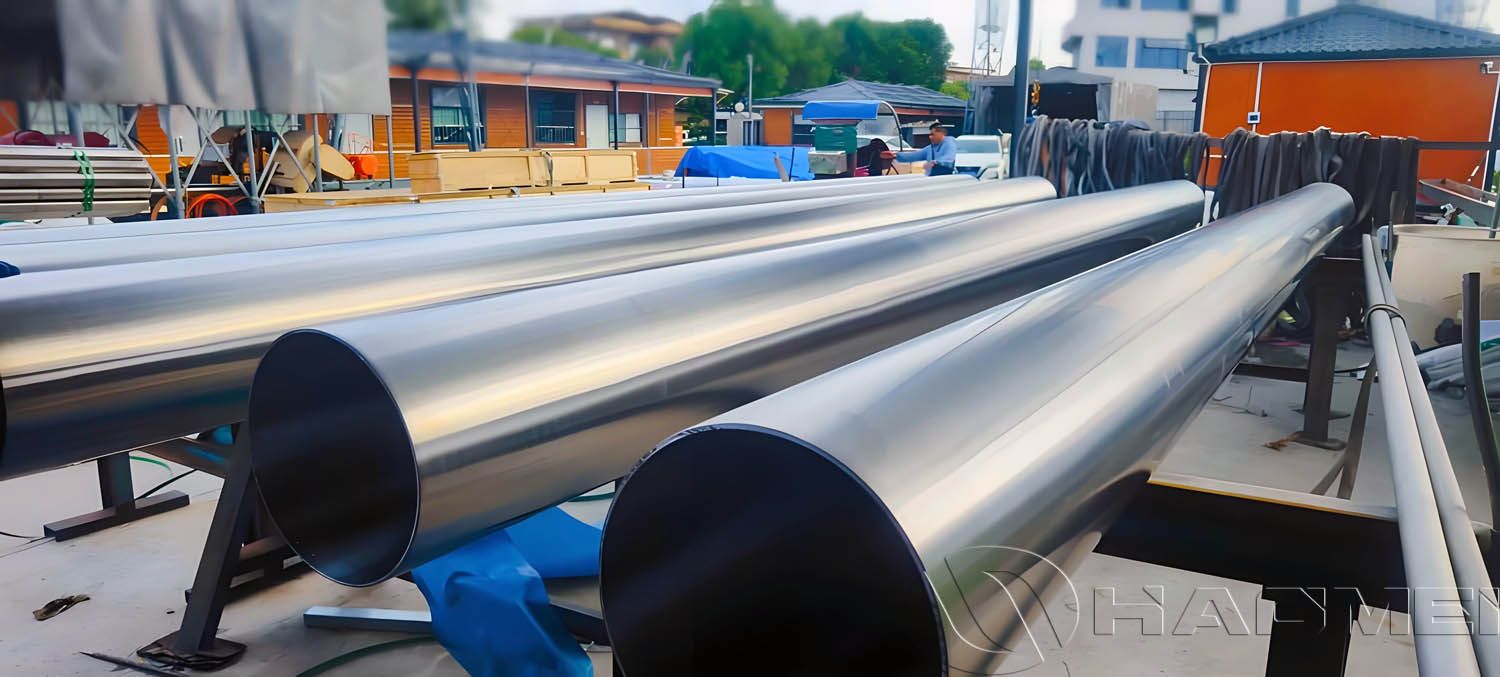
This TP316L hot-rolled seamless stainless steel pipe can be supplied with DNV GL certification, demonstrating compliance with internationally recognized quality and safety requirements for the marine industry.
DNV GL certification is widely recognized as an important quality assurance standard in shipbuilding and offshore engineering. It confirms that the material, manufacturing process, testing procedures, and quality control system meet the applicable classification society requirements.
For shipowners, shipyards, EPC contractors, and offshore engineering companies, DNV GL certification provides greater confidence in material traceability, product quality, and compliance with project specifications.
DNV GL-certified end-to-end traceability:
Steelmaking and round billet traceability: From the steel mill heat number to ultrasonic testing (UT) of round billets, ensuring the absence of internal defects at the source.
Manufacturing process approval (WPS): Comprehensive review of solution heat treatment temperature profiles, pickling processes, and deformation levels during cold and hot working.
100% Non-Destructive Testing (NDT): Mandatory 100% hydrostatic testing or eddy current testing (ET)/ultrasonic testing (UT).
Third-party witness inspection: DNV surveyors conduct on-site sampling for tensile, impact, bending, and intergranular corrosion tests (ASTM A262 Practice E) as well as metallographic analysis, followed by the signing of the 3.2 inspection certificate (EN 10204 3.2).
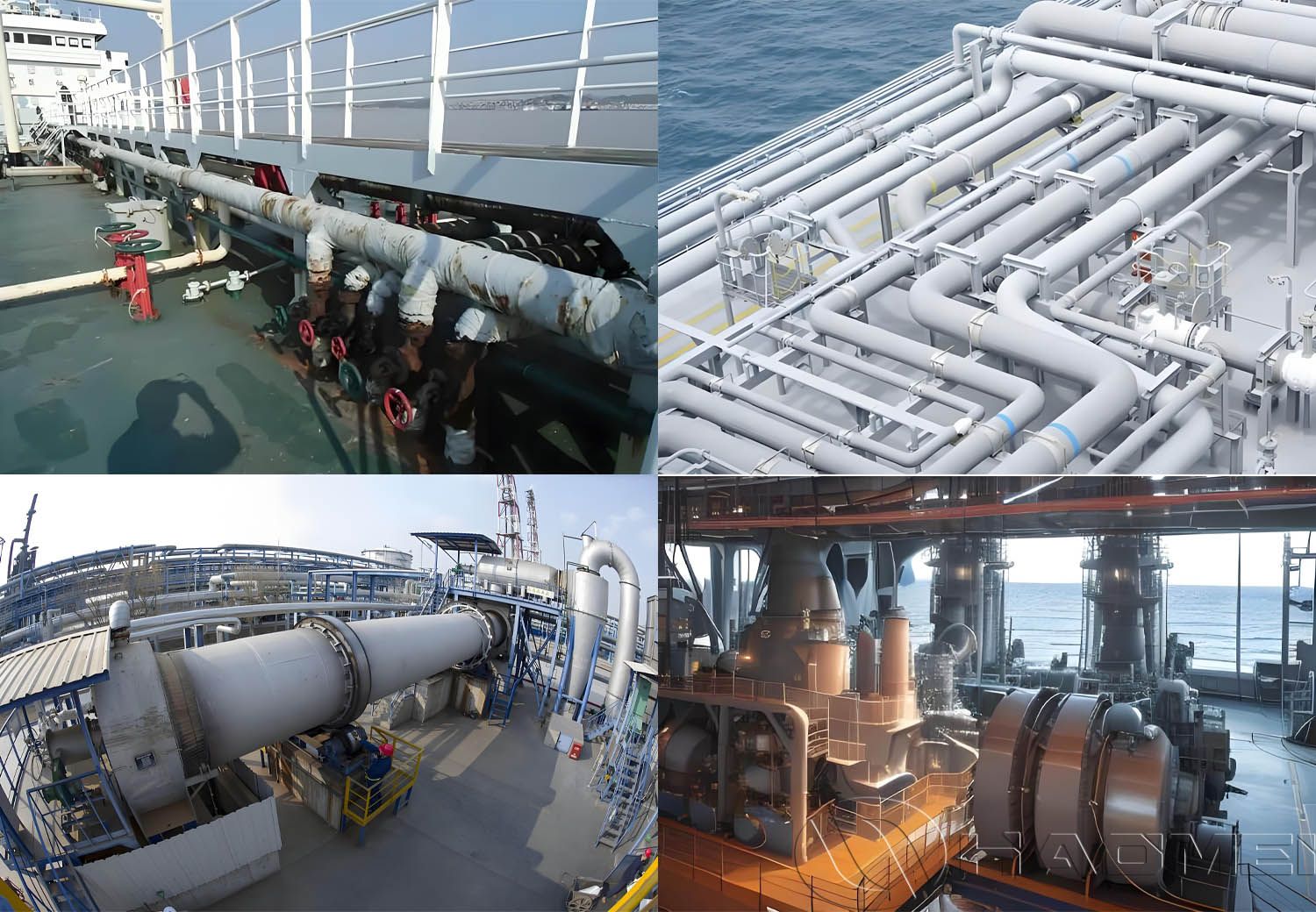
Chemical Tanker Cargo Piping Systems
TP316L seamless stainless steel pipe is suitable for cargo loading and unloading systems that transport corrosive liquid cargoes, including acids, alkalis, organic solvents, and chemical products.
LNG/LPG Dual-Fuel Vessel Piping
The material can be used in certain low-temperature LNG piping systems and fuel gas supply systems, subject to project-specific temperature, design, and classification requirements.
Marine Scrubber Piping Systems
It is suitable for ship exhaust gas cleaning systems, where piping may be exposed to highly acidic wash water and chloride-containing corrosive media.
Seawater Desalination and Ballast Water Treatment Systems
TP316L seamless pipe can resist long-term chloride attack in seawater desalination systems, ballast water treatment systems, and related marine water-handling equipment.
Offshore Drilling Platform High-Pressure Piping
The pipe is used in offshore platform systems such as mud piping, umbilical conduit sleeves, seawater supply lines, utility piping, and other high-pressure or corrosion-sensitive applications.
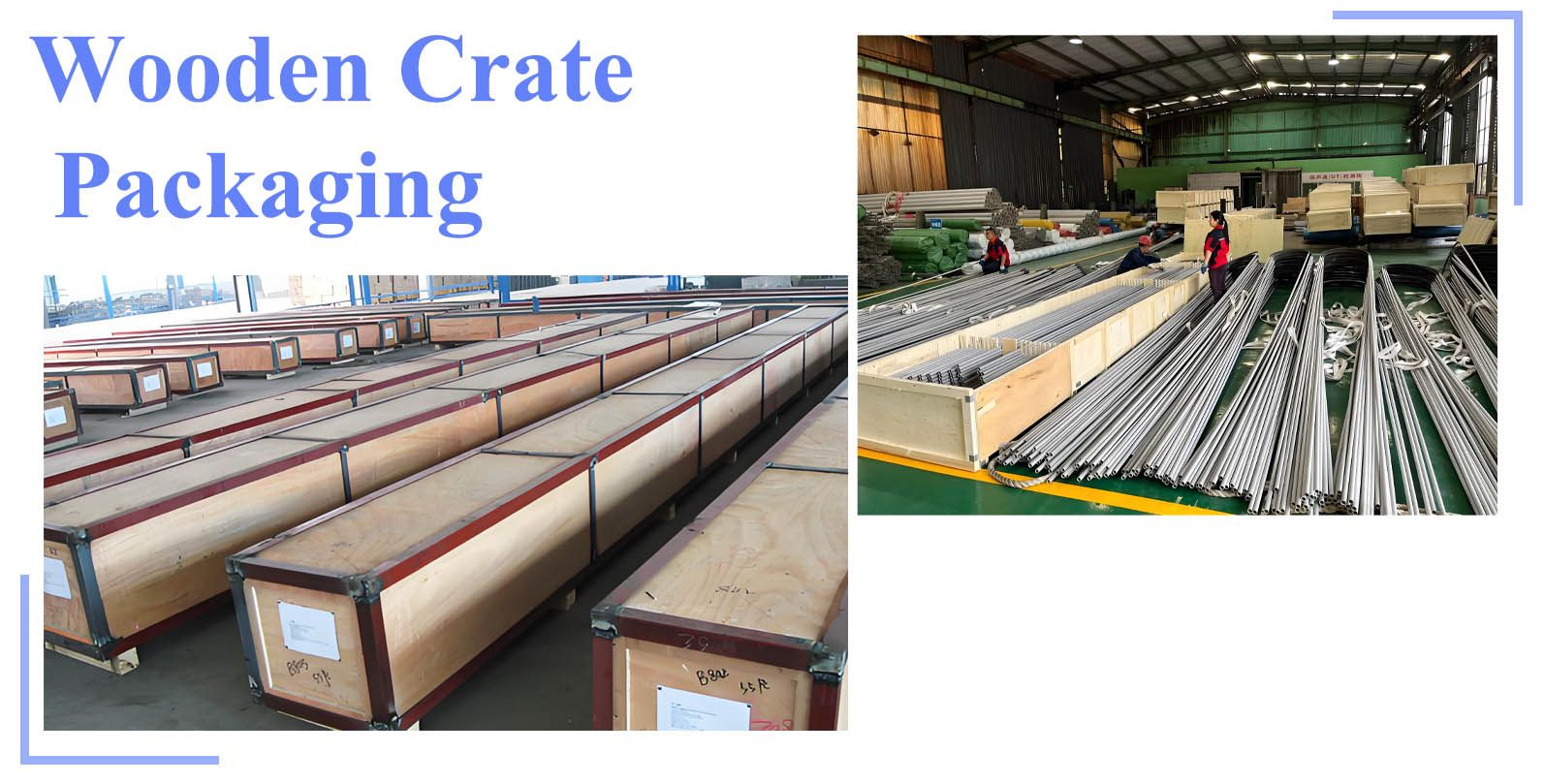
TP316L seamless stainless steel pipes are packaged in accordance with export and marine transportation requirements. Common packaging methods include wooden cases, steel frames, bundled packing, or customized protective packaging.
Pipe ends are normally fitted with plastic caps to protect threads, bevels, and internal and external surfaces from damage during long-distance sea transportation, loading, unloading, and multiple handling operations.
Each batch of products can be supplied with complete quality documentation, including:
EN 10204 3.1 Material Test Certificate;
Classification society certificates, such as DNV GL, ABS, CCS, or others as required;
Non-destructive testing reports, including eddy current testing, ultrasonic testing, and hydrostatic testing;
Dimensional inspection and visual inspection reports;
Intergranular corrosion test reports, where required;
Heat treatment records and traceability documents.
| Item | Technical Parameters and Delivery Standards |
| Outside Diameter Range | 21.3 mm–610 mm / 1/2" NB–24" NB |
| Wall Thickness Range | 2.11 mm–50.0 mm; SCH 10S, SCH 40S, SCH 80S, SCH 160, XXS, etc. |
| Applicable Standards | ASTM A312 / A312M, ASME SA312, EN 10216-5, DIN 17458, JIS G3459 |
| Certificates and Reports | DNV GL Classification Certificate, EN 10204 3.1 / 3.2 Material Certificate, NDT Reports, Intergranular Corrosion Test Report |
| Pipe Ends and Surface Finish | Plain End, PE / Beveled End, BE; Pickled and Passivated Surface or Sandblasted Surface |
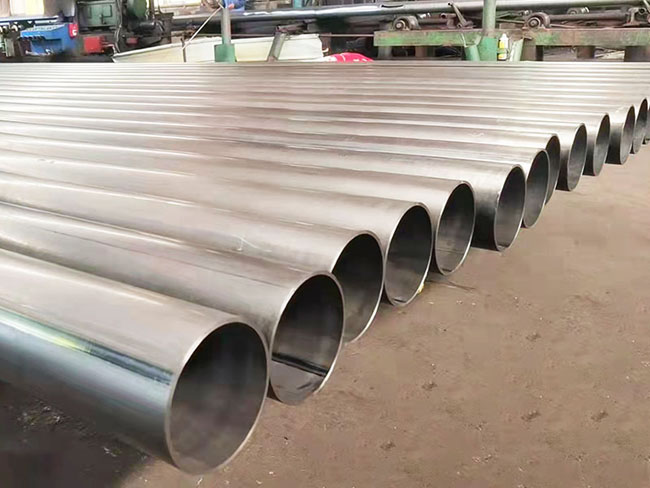 01
01
Austenitic seamless stainless steel pipe refers to seamless steel tubing whose microstructure remains stable austenite at room temperature. These steels typically use chromium and nickel as the primary alloying elements. A typical example is 18Cr-8Ni (Gra
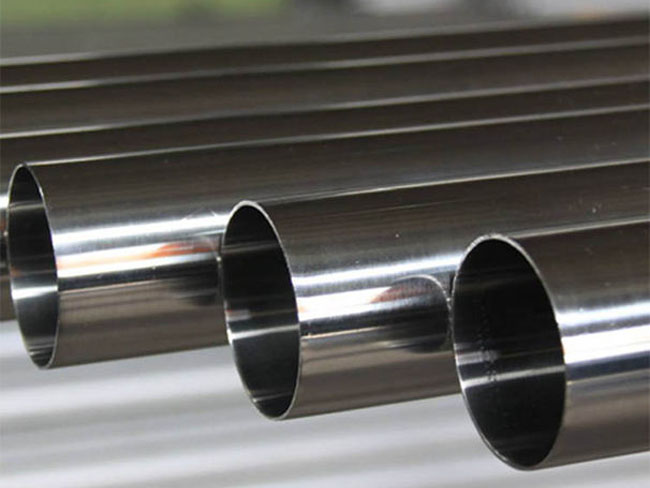 02
02
Marine seamless stainless steel pipes are manufactured from austenitic stainless steels such as 304, 304L, 316, and 316L. They feature excellent seawater corrosion resistance and high structural strength, and are widely used in ship piping systems, seawat
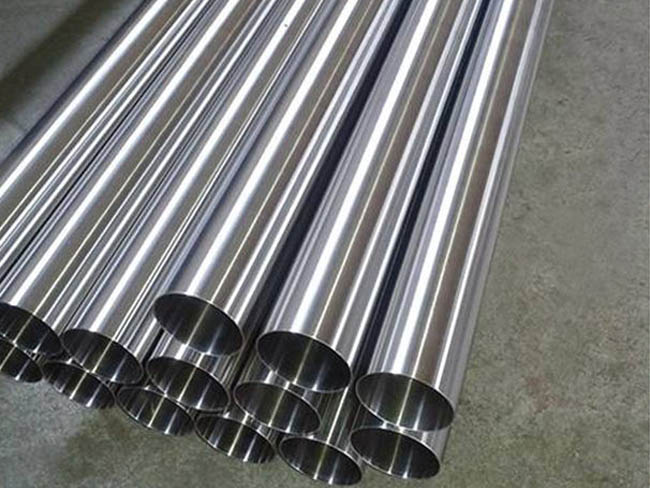 03
03
TP316 seamless stainless steel pipe offers excellent corrosion resistance and strength for chemical, marine, food, and petrochemical applications. Manufactured to ASTM A312, A213, and EN 10216-5 standards with customizable sizes and finishes.
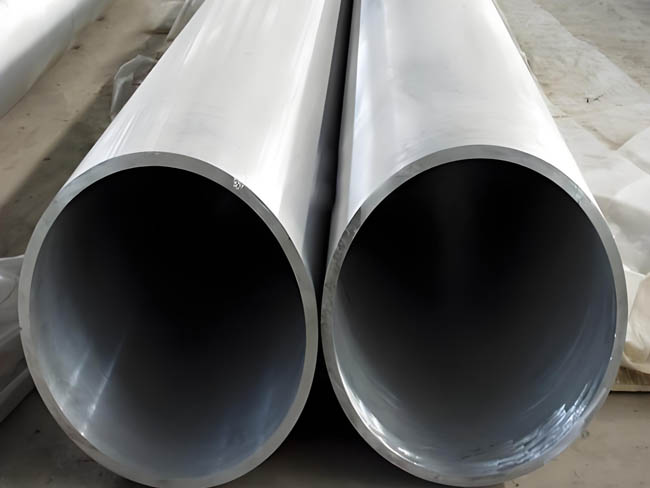 04
04
Large diameter seamless steel pipes typically refer to pipes with an outer diameter of 219 mm or larger, and in some cases up to 1020 mm. Compared with standard-size pipes, large-diameter seamless pipes are manufactured using advanced hot rolling or hot e