
-
Email
-
WhatsApp
-
Address
Zhengzhou, China
Zhengzhou, China
 By Hermione
Compared with ordinary stainless steel pipes, pickled 316L seamless pipes can effectively remove oxide scale, heat tint, processing residues, oil contamination, and other surface impurities generated during manufacturing. This produces a cleaner pipe surface while helping restore the inherent corrosion resistance of the stainless steel.
With its low carbon content, high nickel content, and molybdenum addition, 316L stainless steel performs exceptionally well in chloride-containing environments and corrosive media. It is an ideal material for marine engineering, chemical processing equipment, and high-purity fluid transportation systems.
1. Excellent Corrosion Resistance
316L stainless steel contains relatively high levels of chromium, nickel, and molybdenum. These alloying elements provide excellent resistance to corrosion, particularly in chloride-containing environments.
It can resist many corrosive media, including acids, alkalis, saltwater, chemical solutions, and industrial fluids. This makes 316L seamless stainless steel pipe especially suitable for offshore, marine, chemical, pharmaceutical, and food-processing applications.
2. Seamless Structure
A seamless stainless steel pipe has no longitudinal weld seam. For systems subjected to internal pressure, cyclic loading, vibration, or complex temperature and pressure conditions, seamless pipes generally provide a more reliable structural solution.
Their uniform wall structure is particularly valuable in pressure piping, heat exchangers, high-pressure fluid systems, and critical process pipelines.
3. Excellent Weldability
Due to its low carbon content, 316L stainless steel has good weldability. It can be joined using a variety of welding processes, including TIG welding, MIG welding, orbital welding, and other commonly used fabrication methods.
The low carbon content also helps reduce the risk of intergranular corrosion after welding when proper procedures are followed.
4. Good Thermal Stability
316L seamless stainless steel pipe has good thermal stability and can maintain reliable performance in both low- and elevated-temperature environments. It does not experience significant performance degradation under appropriate operating conditions.
5. Good Fabrication Performance
316L stainless steel pipe offers good machinability and formability. It can be processed through cutting, bending, flaring, machining, stamping, polishing, and other fabrication methods according to project requirements.
6. Clean and Uniform Surface Condition
After pickling, the internal and external surfaces of 316L seamless stainless steel pipe become cleaner and more uniform. This surface condition is suitable for further finishing processes, including mechanical polishing, grinding, electrolytic polishing, passivation, and sanitary-grade treatment.
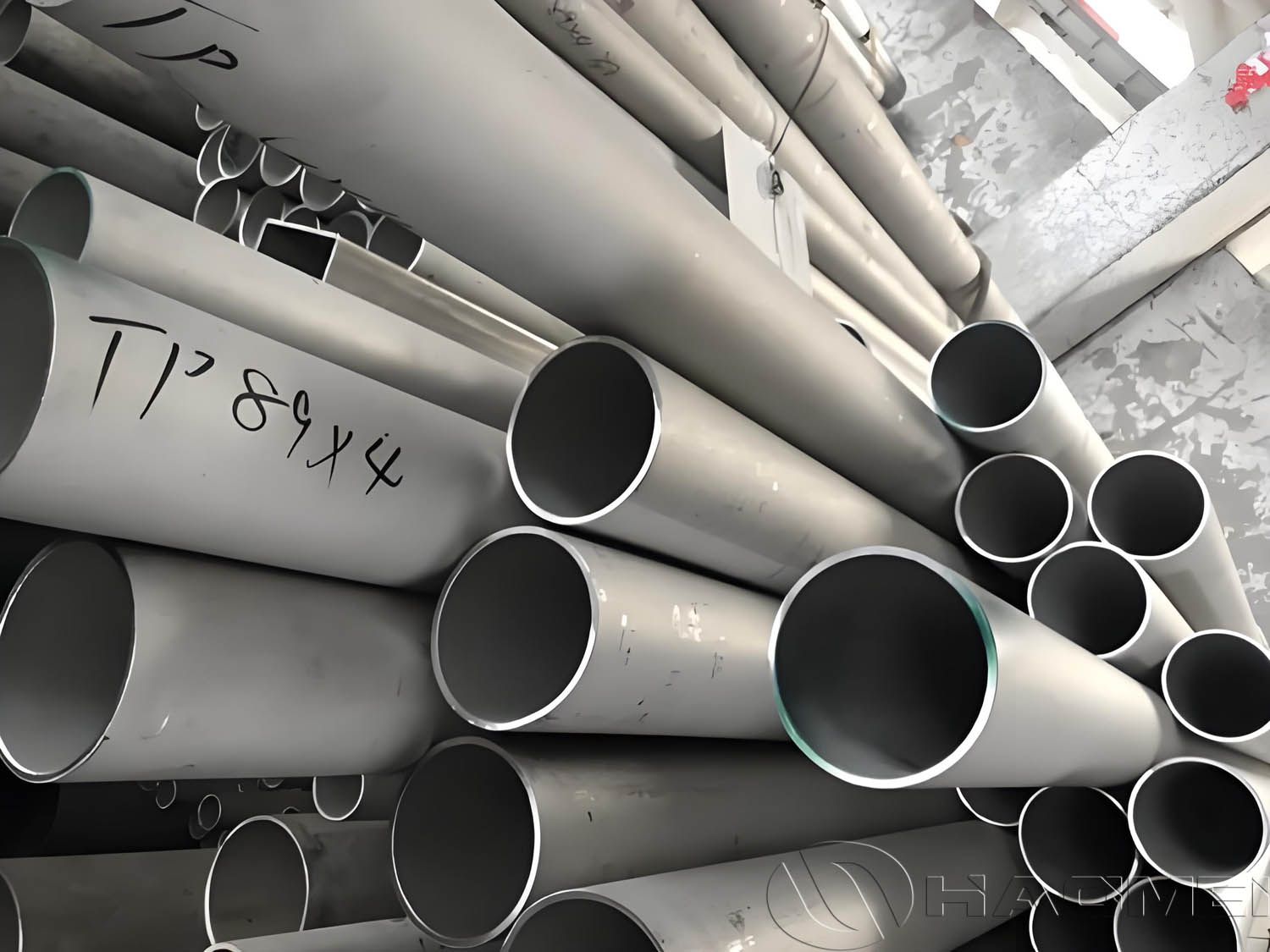
316L seamless stainless steel pipe is generally specified by outside diameter, wall thickness, and length. Common supply forms include fixed-length pipes, double-random lengths, random lengths, U-tubes, and coiled tubing.
Common outer diameter ranges typically include:
Small-diameter precision tubes: 6mm, 8mm, 10mm, 12mm, 14mm, 16mm, 18mm, 20mm, etc.;
Standard industrial tubes: 21.3mm, 25mm, 27mm, 32mm, 38mm, 42mm, 48mm, 57mm, 60mm, 76mm, 89mm, etc.;
Large-diameter seamless tubes: 108mm, 114mm, 133mm, 159mm, 168mm, 219mm, 273mm, and above.
Common wall thickness ranges extend from thin-walled precision tubes (around 0.5mm) to thick-walled industrial seamless tubes (several millimeters to even tens of millimeters). Specific specifications must be determined based on factors such as conveying pressure, medium characteristics, connection method, design service life, and installation environment.
Mechanical Properties and Operating Performance
Typical mechanical and operating reference values for 316L seamless stainless steel pipe include:
| Item | Reference Value |
| Tensile Strength | ≥ 485 MPa |
| Elongation | ≥ 40% |
| Typical Operating Temperature Range | -200°C to 450°C |
| Common Working Pressure Range | 1.0–4.0 MPa |
Pickled 316L seamless stainless steel pipes may be manufactured and supplied according to a range of international standards, including but not limited to:
GB/T 14976 — Seamless Stainless Steel Tubes for Fluid Transport
GB/T 13296 — Seamless Stainless Steel Tubes for Boilers and Heat Exchangers
ASTM A312 — Seamless, Welded, and Heavily Cold Worked Austenitic Stainless Steel Pipes
ASTM A213 — Seamless Ferritic and Austenitic Alloy-Steel Boiler, Superheater, and Heat-Exchanger Tubes
ASTM A269 — Seamless and Welded Austenitic Stainless Steel Tubing for General Service
EN 10216-5 — Seamless Steel Tubes for Pressure Purposes, Stainless Steel Tubes
JIS G3459 — Stainless Steel Pipes
Different standards may have different requirements for chemical composition, dimensional tolerances, mechanical properties, hydrostatic testing, eddy-current testing, intergranular corrosion testing, delivery condition, and surface finish.
When purchasing 316L seamless stainless steel pipe, buyers should clearly specify the required standard, grade, dimensions, inspection method, surface condition, and acceptance criteria.
Thanks to its corrosion resistance, seamless structure, clean surface, and good fabrication properties, pickled 316L seamless stainless steel pipe is widely used in demanding industries.
Marine Engineering and Shipbuilding: Seawater desalination, offshore drilling platforms, shipboard oil and water piping
Petrochemicals and Fine Chemicals: Piping for strong acid/alkali reaction media, high-pressure hydrogenation units
Biopharmaceuticals and Food Processing: Purified water (PW/WFI) distribution, fermentation tank process piping
Semiconductors and High-Purity Fluids: Pre-treatment piping for specialty gas delivery
The complete production process for AP (Annealed and Pickled) tubing centers on three key objectives: stress relief, surface cleanliness, and enhanced corrosion resistance.
Step 1: Annealing Treatment
Hot-finished or cold-finished seamless stainless steel pipes are placed in a specialized annealing furnace. The annealing process removes internal stress accumulated during forming and processing, restoring the ductility and toughness of the stainless steel.
Annealing also helps create a more uniform metallurgical structure, improving the overall mechanical stability of the pipe.
Step 2: Pickling and Passivation
After annealing, the internal and external surfaces of the pipe are treated with a specially formulated pickling solution to remove oxide scale, heat tint, and various surface contaminants.
A commonly used industrial pickling solution may contain a mixture of nitric acid (HNO₃) and hydrofluoric acid (HF), with nitric acid typically at approximately 15%–25% by volume and hydrofluoric acid at approximately 2%–5%, depending on process requirements and material condition.
Through controlled chemical reactions, the pickling solution removes oxide layers and impurities from the stainless steel surface.
Pickling is followed by passivation, which is a critical step in the process. Passivation promotes the formation of a uniform and dense chromium-rich passive film, primarily composed of chromium oxide (Cr₂O₃), on the stainless steel surface.
This passive film helps isolate the base material from corrosive media and significantly improves the corrosion resistance of the pipe.
Step 3: Final Finishing and Inspection
After pickling and passivation, the pipes undergo water rinsing, neutralization, drying, straightening, and final inspection.
Dimensional inspections are conducted to ensure that outside diameter and wall thickness tolerances meet applicable specifications. This ensures compatibility with various industrial piping connections and installation requirements.
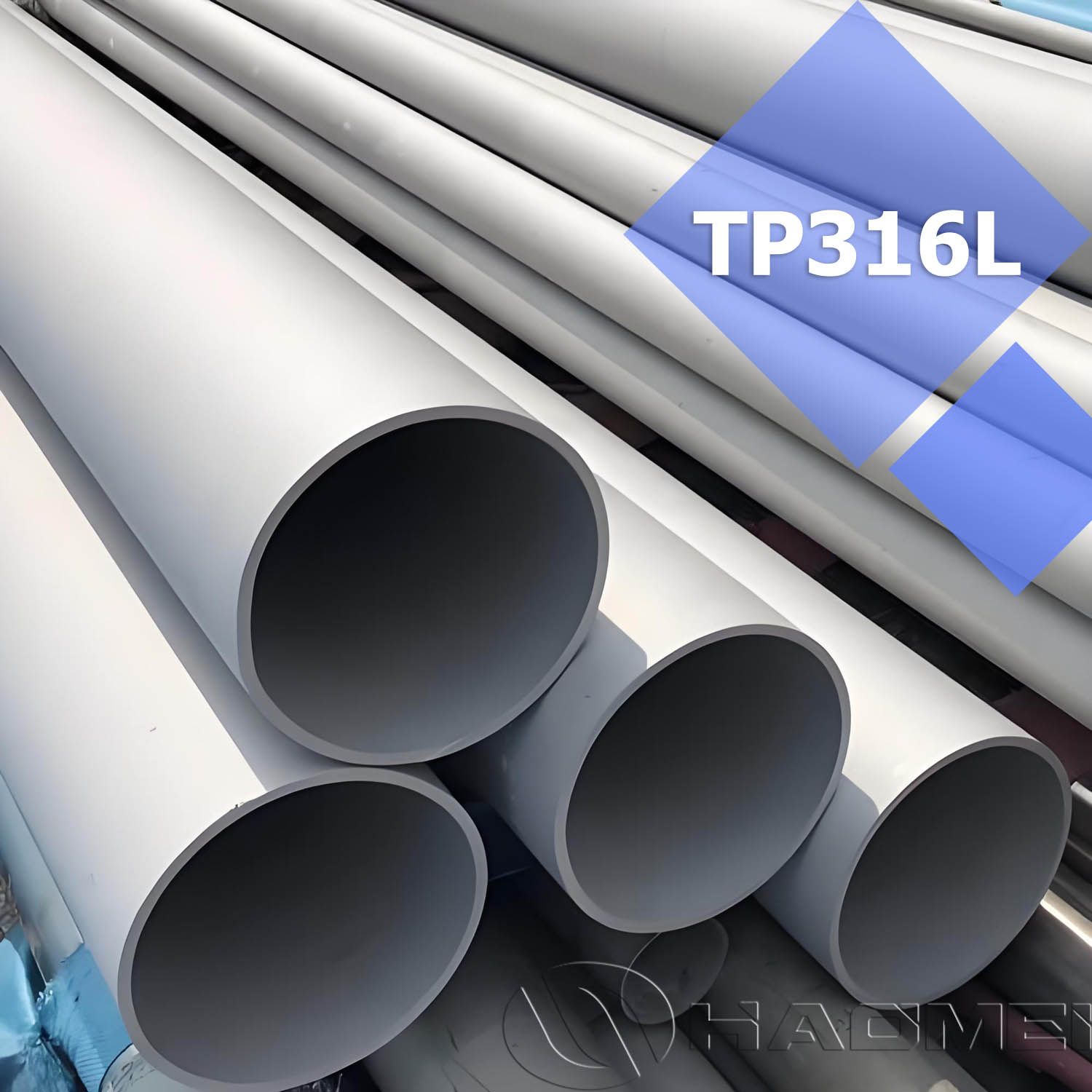
| Item | Pickled 316L Seamless Pipe | Ordinary 316L Stainless Steel Pipe |
| Surface Treatment | Pickled to remove oxide scale and contaminants | May retain oxide layers or processing residues |
| Surface Quality | Cleaner, more uniform, and more consistent | General surface condition |
| Corrosion Resistance | Better surface corrosion performance after proper pickling and passivation | Good corrosion resistance, but surface condition may vary |
| Cleanliness Requirements | Suitable for industries with high cleanliness requirements | Suitable for general industrial applications |
| Typical Applications | Chemical processing, marine engineering, pharmaceutical systems, high-purity pipelines | General fluid transportation and conventional industrial piping |
For highly corrosive environments and applications with strict cleanliness requirements, pickled and passivated 316L seamless stainless steel pipe offers clear advantages.
 01
01
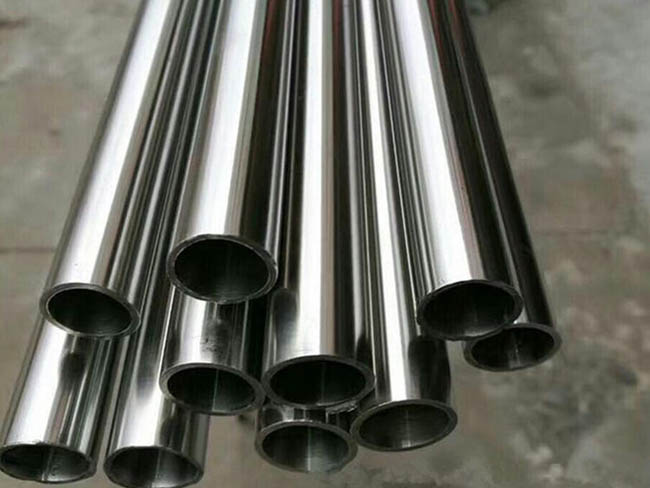
304L stainless steel pipe is produced from the low-carbon version of the widely used austenitic 18-8 stainless steel. The reduced carbon content allows it to be welded without causing localized corrosion. This is because 304L stainless steel produces less
 02
02
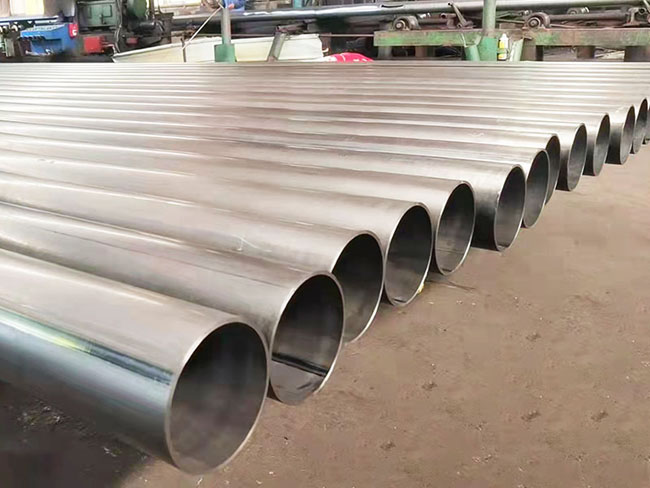
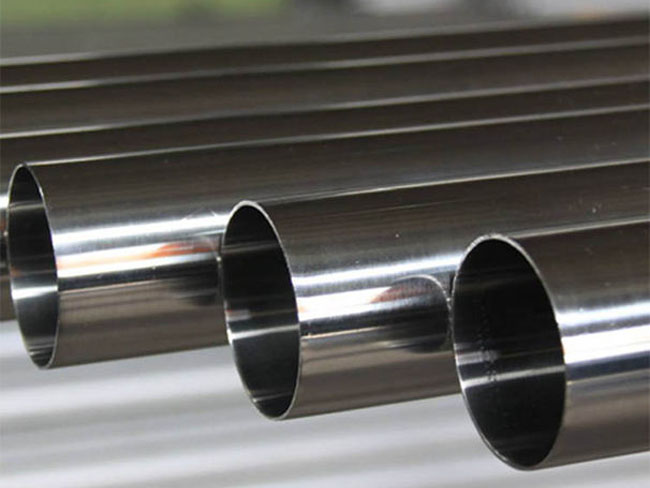
Austenitic seamless stainless steel pipe refers to seamless steel tubing whose microstructure remains stable austenite at room temperature. These steels typically use chromium and nickel as the primary alloying elements. A typical example is 18Cr-8Ni (Gra
 03
03
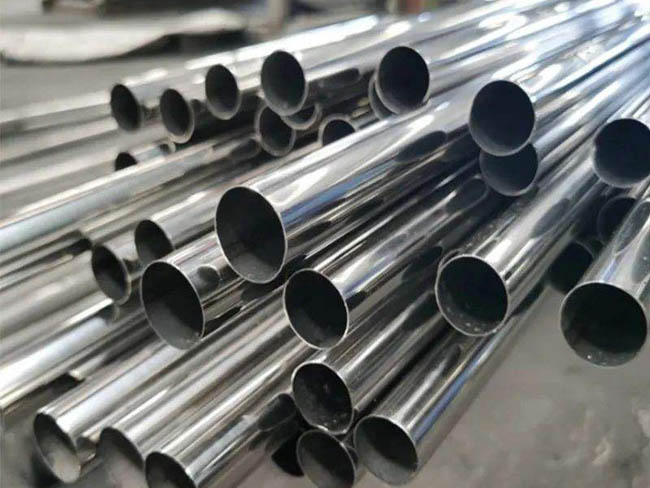
Marine seamless stainless steel pipes are manufactured from austenitic stainless steels such as 304, 304L, 316, and 316L. They feature excellent seawater corrosion resistance and high structural strength, and are widely used in ship piping systems, seawat
 04
04
Small diameter seamless steel tubes refer to steel pipes with a relatively small outer diameter and a seamless structure without welding joints. The typical outer diameter range is 6 mm–89 mm. These pipes are manufactured through processes such as piercin