
-
Email
-
WhatsApp
-
Address
Zhengzhou, China
Zhengzhou, China
 By Hermione
As a high-performance stainless steel pipe material, 316L seamless stainless steel pipe plays an important role in marine engineering. Marine environments contain seawater, high humidity, salt spray, and corrosive gases, all of which can cause ordinary materials to corrode and oxidize over time.
Thanks to its excellent corrosion resistance, mechanical strength, and reliability, 316L seamless stainless steel pipe has become an essential material for a broad range of marine engineering systems.
316L seamless stainless steel pipe is made from 316L austenitic stainless steel through manufacturing processes such as piercing, hot rolling, cold rolling, cold drawing, solution annealing, pickling, and passivation.
Because it is formed as an integral pipe without a longitudinal weld seam, it offers advantages in pressure resistance, material uniformity, sealing reliability, and resistance to medium penetration.
316L is an austenitic stainless steel and a low-carbon version of 316 stainless steel. Its primary alloying elements include chromium (Cr), nickel (Ni), and molybdenum (Mo).
Among these elements, molybdenum is one of the key factors that distinguishes 316L from 304L stainless steel. Mo improves the material's resistance to localized corrosion in chloride-containing environments. Therefore, 316L is generally more suitable than 304L for offshore, coastal, and marine environments.
The letter "L" stands for Low Carbon. The lower carbon content of 316L helps reduce the risk of intergranular corrosion in the heat-affected zone after welding. For this reason, 316L is particularly suitable for equipment and piping systems that require welding and fabrication.
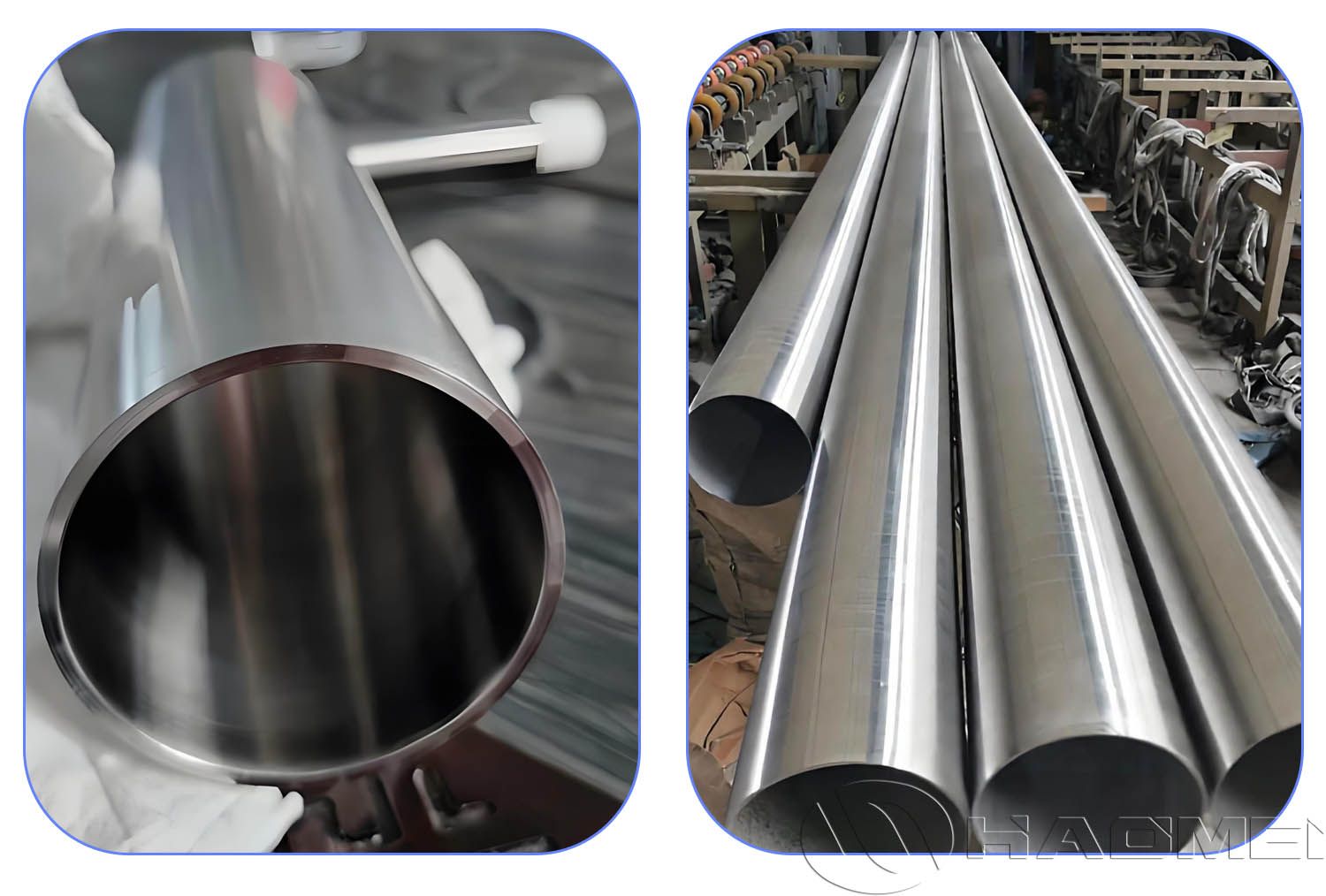
1. Excellent Corrosion Resistance
Chloride Ion Corrosion Resistance
The molybdenum content in 316L stainless steel pipe, typically around 2%–3%, provides strong resistance to chloride ion corrosion. This makes it highly durable in marine environments and less susceptible to corrosion caused by chloride ions in seawater.
Oxidation Resistance
A stable passive oxide film can form on the surface of 316L stainless steel pipe. This protective film helps prevent further oxidation and corrosion of the pipe surface.
2. High Strength and Toughness
Good Mechanical Strength
316L seamless stainless steel pipe has good mechanical strength and can withstand relatively high mechanical stresses during service.
Excellent Toughness
Even under low-temperature conditions, 316L stainless steel pipe can maintain good toughness and is less likely to fracture.
3. Excellent Weldability
Low Carbon Content
Due to its low carbon content, 316L stainless steel pipe is less prone to carbide precipitation and intergranular corrosion in welded areas. This helps ensure reliable welding quality.
Compatibility with Multiple Welding Methods
316L seamless stainless steel pipe can be welded using a variety of methods, including manual arc welding, TIG welding, laser welding, and other suitable processes.
4. Good Fabrication Performance
Easy Processing
316L seamless stainless steel pipe can be processed through cutting, bending, forming, and other fabrication operations. Its good workability makes it suitable for a variety of pipe manufacturing and installation requirements.
1. Offshore Platform Piping Systems
Offshore oil and gas platforms operate in highly corrosive marine environments and require reliable piping materials. 316L seamless stainless steel pipe can be used in the following systems:
Process piping
Instrument tubing
Water supply and drainage pipelines
Chemical medium pipelines
Auxiliary fire protection systems
Hydraulic and control systems
Seawater-related auxiliary pipelines
2. Seawater Cooling Systems
Marine engineering equipment requires effective heat dissipation during long-term operation. Engines, compressors, generator sets, and certain heat-exchange equipment all require cooling systems.
316L seamless stainless steel pipe can be used in selected seawater cooling pipelines and auxiliary cooling systems where corrosion resistance is required.
3. Marine and Shipboard Piping Systems
Piping is an essential part of shipbuilding and vessel operation. Common applications of 316L seamless stainless steel pipe include:
Freshwater pipelines
Cooling water pipelines
Ballast water pipelines
Firefighting pipelines
Air-conditioning system pipes
Instrument tubing
Chemical medium pipelines
4. Offshore Wind Power Projects
Offshore wind power equipment is continuously exposed to salt spray, humidity, wind, vibration, and changing weather conditions. 316L seamless stainless steel pipe may be used for:
Hydraulic pipelines
Cooling systems
Cable protection systems
Instrument pipelines
Equipment auxiliary pipelines
Fastening, support, and related corrosion-resistant components
5. Seawater Desalination and Water Treatment Equipment
Seawater desalination and marine water treatment systems often operate in chloride-containing environments. 316L seamless stainless steel pipe can be applied in:
Water supply pipelines
Auxiliary conveying pipelines
Equipment connection pipes
Instrument tubing
Auxiliary water treatment systems
In marine engineering projects, both 304L and 316L are common austenitic stainless steels. Procurement personnel often need to choose between these two materials based on the actual service environment.
| Comparison Item | 304L | 316L |
| Basic Type | Austenitic stainless steel | Austenitic stainless steel |
| Main Alloying Elements | Cr, Ni | Cr, Ni, Mo |
| Molybdenum Content | Essentially no Mo alloying | Contains Mo |
| Chloride Corrosion Resistance | Good | Better |
| Suitability for Marine Environments | Fair to good | Good |
| Weldability | Good | Good |
| Cost | Relatively lower | Usually higher |
| Typical Applications | Freshwater and general corrosive environments | Marine environments, chloride-containing media, and more demanding conditions |
If a project is mainly located in an ordinary atmospheric environment, freshwater environment, or mildly corrosive environment, 304L may already meet the application requirements.
However, if equipment is exposed to salt spray for a long period or comes into contact with chloride-containing media, 316L is generally a more suitable choice.
Therefore, it should not be assumed that "316L is always better than 304L." The material should be selected according to the actual operating conditions, corrosion risks, project requirements, and budget.
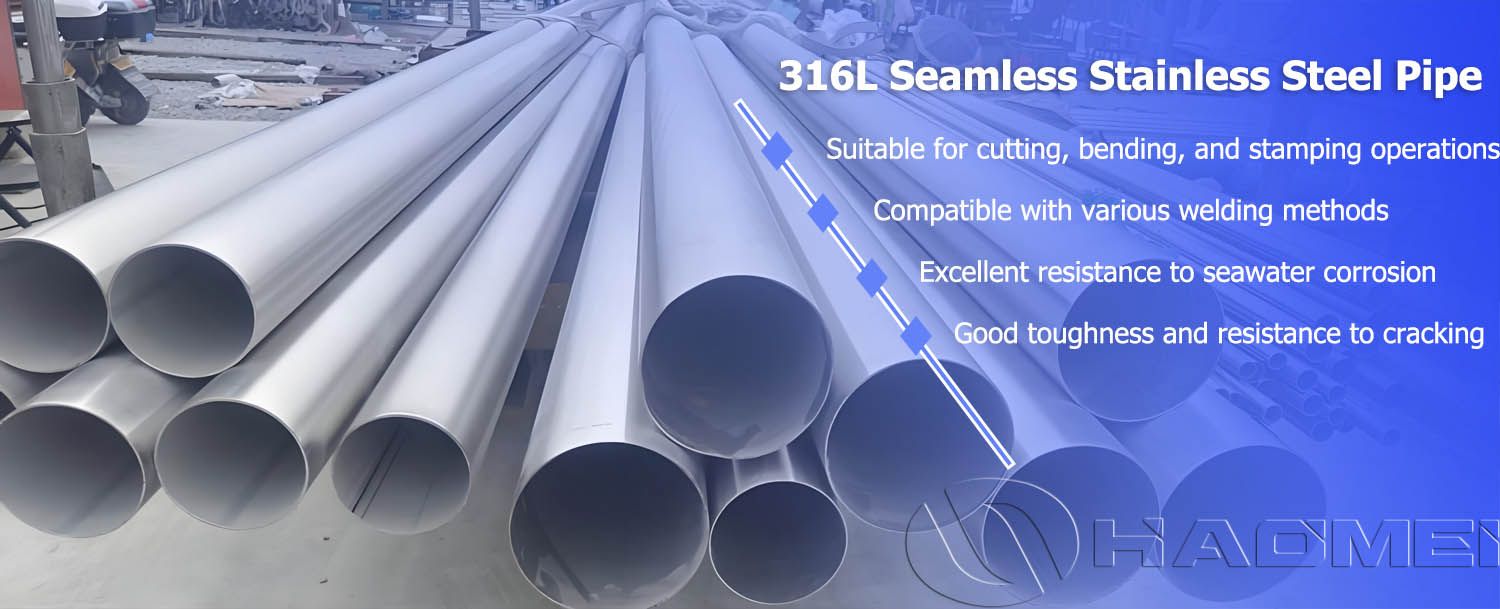
Several factors should be considered when selecting 316L seamless stainless steel pipe for marine engineering applications.
1. Pipe Dimensions and Specifications
Selecting the appropriate pipe dimensions and specifications is essential to ensure stable operation in marine engineering applications. Pipe outside diameter, wall thickness, length, pressure rating, and tolerance requirements should be determined according to the specific project conditions.
2. Material Certification
Choosing 316L seamless stainless steel pipes with proper material certification is important for ensuring product quality and performance. Material certificates can verify information such as chemical composition, mechanical properties, heat treatment condition, inspection results, and traceability details.
For export and international projects, buyers may request certificates such as EN 10204 3.1 material certificates and compliance with standards including ASTM A312, ASTM A269, ASTM A213, EN 10216-5, or relevant customer specifications.
3. Manufacturer Reputation
Selecting a reputable seamless stainless steel pipe supplier is an important part of quality control. A reliable manufacturer is more likely to provide stable product quality, complete inspection documentation, professional technical support, and responsive after-sales service.
For marine engineering projects, it is also advisable to confirm whether the supplier can provide required tests, such as hydrostatic testing, eddy current testing, ultrasonic testing, chemical composition analysis, mechanical property testing, and corrosion-related tests where applicable.
4. Cost Considerations
Cost is another important factor when selecting 316L seamless stainless steel pipe. Buyers should evaluate not only the initial purchase price but also the overall value throughout the product lifecycle.
Although 316L seamless pipe is usually more expensive than ordinary carbon steel pipe or 304L stainless steel pipe, its corrosion resistance and longer service life can help reduce maintenance frequency, replacement costs, downtime, and long-term operational risks in suitable marine environments.
 01
01
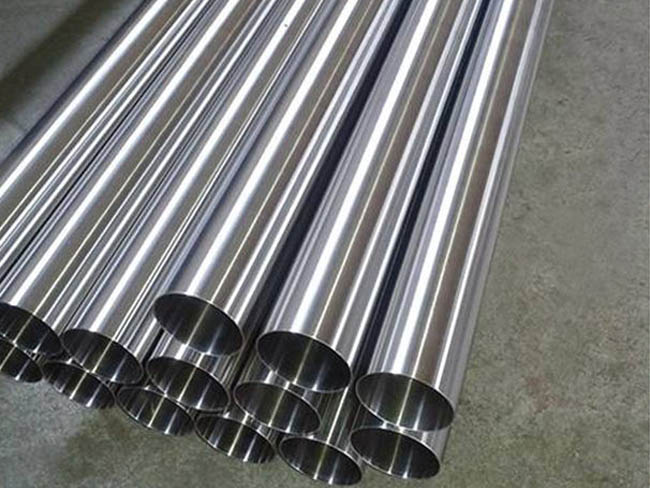
TP316 seamless stainless steel pipe offers excellent corrosion resistance and strength for chemical, marine, food, and petrochemical applications. Manufactured to ASTM A312, A213, and EN 10216-5 standards with customizable sizes and finishes.
 02
02
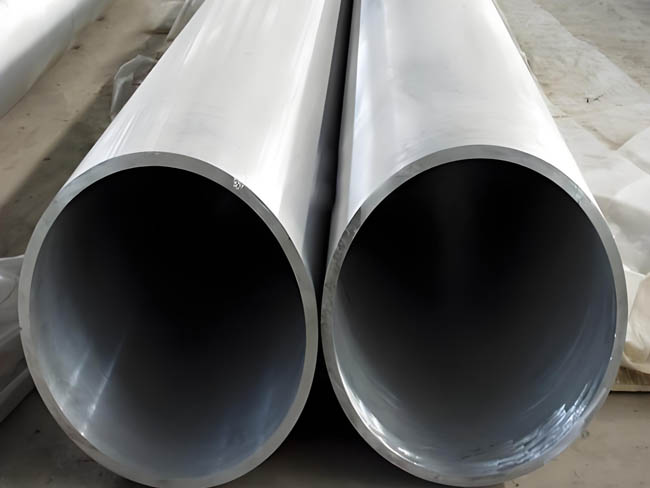
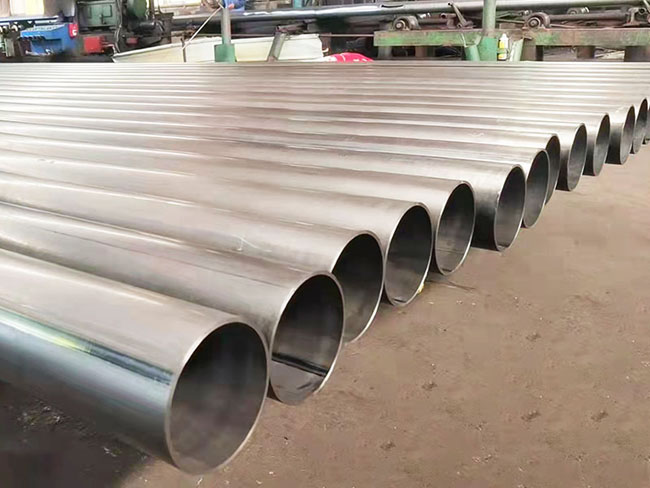
Large diameter seamless steel pipes typically refer to pipes with an outer diameter of 219 mm or larger, and in some cases up to 1020 mm. Compared with standard-size pipes, large-diameter seamless pipes are manufactured using advanced hot rolling or hot e
 03
03
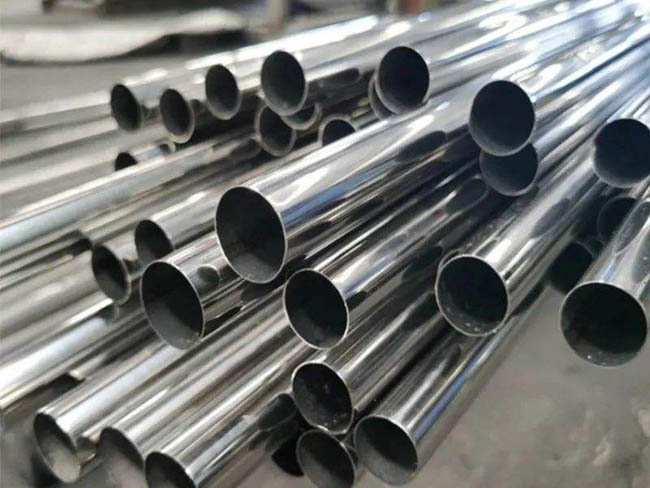
Austenitic seamless stainless steel pipe refers to seamless steel tubing whose microstructure remains stable austenite at room temperature. These steels typically use chromium and nickel as the primary alloying elements. A typical example is 18Cr-8Ni (Gra
 04
04
TP304 stainless steel seamless pipe (ASTM A312/A213 TP304) is one of the most widely used austenitic stainless steel pipes in industrial applications. With its excellent corrosion resistance, outstanding workability, and stable performance in both high an