
-
Email
-
WhatsApp
-
Address
Zhengzhou, China
Zhengzhou, China
 By Hermione
When purchasing 316L seamless stainless steel pipes, wall thickness is one of the most important factors for buyers to consider. It directly affects the pipe's pressure resistance, service life, weight, and overall cost.
So, how should the wall thickness of marine 316L seamless stainless steel pipe be selected scientifically and accurately? This article provides a detailed guide.
Pressure Resistance
A thicker pipe wall can withstand higher internal pressure without deformation or failure.
Durability
Greater wall thickness provides better resistance to wear and erosion, especially in abrasive media or high-flow applications.
Weldability and Fabrication
Wall thickness affects bending, welding, machining, and other fabrication processes. The selected thickness should be suitable for both the piping design and on-site installation requirements.
Cost Impact
More material means greater weight and higher cost. Over-specifying pipe wall thickness may result in unnecessary material expenses, transportation costs, and installation costs.
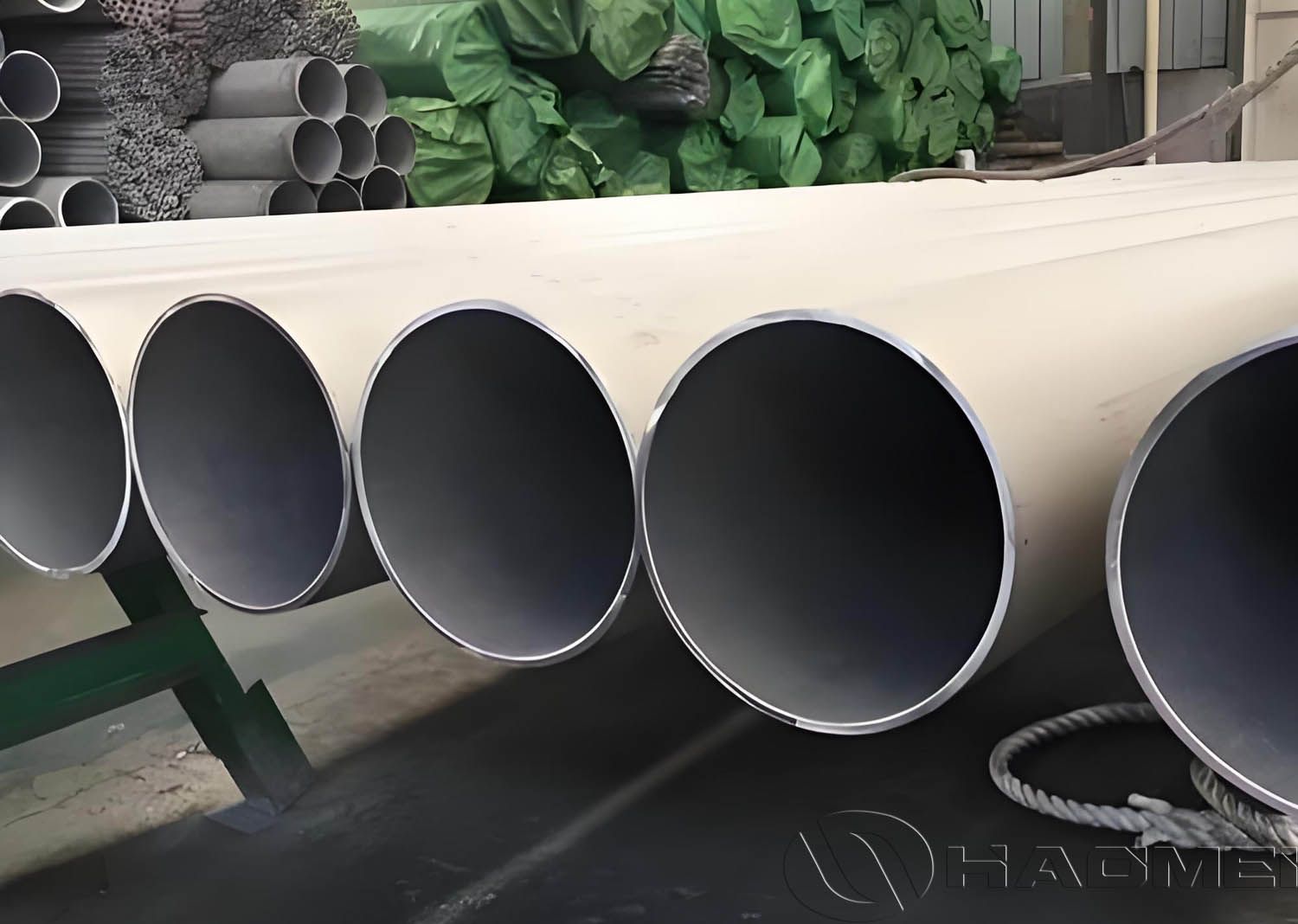
316L is an austenitic stainless steel containing approximately 2.0%–3.0% molybdenum (Mo) and 16.0%–18.0% chromium (Cr). The addition of molybdenum significantly improves resistance to pitting corrosion and crevice corrosion in chloride-containing environments.
This makes 316L stainless steel perform much better than 304 stainless steel in high-salinity marine environments and salt spray conditions.
In addition, the low carbon content of 316L, generally ≤0.035%, helps reduce carbide precipitation at grain boundaries during welding. As a result, the corrosion resistance of welded joints can be better maintained.
For these reasons, 316L seamless stainless steel pipes are widely used in marine applications such as:
Ballast water piping systems
Cooling water piping systems
Firefighting piping systems
Seawater piping systems
Hydraulic piping systems
Chemical cargo piping systems on chemical tankers
Marine heat exchanger and auxiliary piping systems
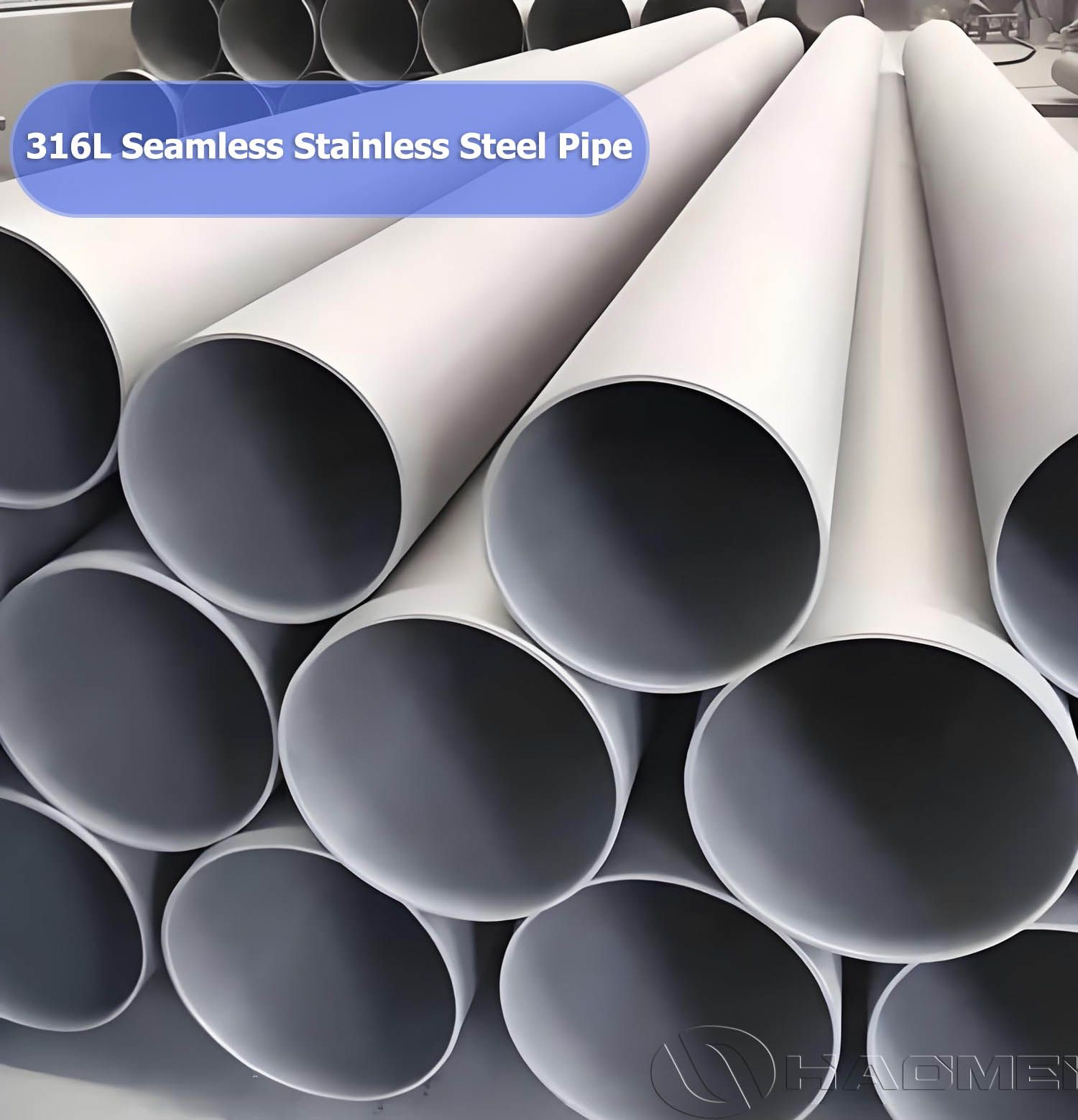
ASTM A312 is one of the most commonly used American standards for seamless stainless steel pipes. It covers TP316L material grades and specifies pipe wall thicknesses by Schedule numbers, such as SCH 10S, SCH 40S, and SCH 80S.
The available outside diameter range is generally from 1/4 inch to 12 inches, while wall thickness can range from approximately 0.5 mm to 25.4 mm, depending on the pipe size and Schedule designation.
SS 316L pipes are manufactured according to various standards, among which ASTM A312 and ASME B36.19 / ASME B36.10 are the most commonly used for industrial, marine, and food-grade applications.
There are two common sizing systems:
SS 316L Pipe Wall Thickness Chart (ASTM A312 – Sch 5S to Sch 80S)
| Nominal Pipe Size (NPS) | Outside Diameter (OD), mm | SCH 5S, mm | SCH 10S, mm | SCH 40S, mm | SCH 80S, mm |
| 1/2 inch | 21.34 | 1.65 | 2.11 | 2.77 | 3.73 |
| 1 inch | 33.40 | 1.65 | 2.77 | 3.38 | 4.55 |
| 2 inch | 60.33 | 2.11 | 2.77 | 3.91 | 5.54 |
| 4 inch | 114.30 | 2.77 | 3.05 | 6.02 | 8.56 |
| 6 inch | 168.28 | 3.05 | 3.40 | 7.11 | 10.97 |
Other sizes and wall thicknesses can be customized upon request.
For stainless steel piping, Schedule numbers with the "S" suffix are among the most commonly used specification systems in marine projects. Different SCH grades correspond to standard nominal wall thicknesses.
The following is a general guide to selecting suitable wall thickness grades based on marine operating conditions.
SCH5S (Extra-thin wall)
Thin-walled and lightweight; suitable for instrumentation sampling lines and low-pressure dry gas systems. Not recommended for main ship piping systems due to insufficient vibration and corrosion allowances; often flagged as an issue during marine inspections.
SCH10S (Light wall)
Commonly used for low-pressure fresh water and ventilation lines; suitable for protected internal environments but should be used with caution on open decks or in contact with seawater due to insufficient corrosion allowance.
SCH40S (Standard wall thickness; most widely used in marine applications)
The preferred choice for the vast majority of 316L seamless marine piping (e.g., cooling water, hydraulic, and chemical lines). It offers a balance of weight, cost, and safety, meeting the requirements for most Class II and Class III piping systems.
SCH80S (Thickened wall)
Used for high-pressure lines, Class I piping systems, areas subject to severe vibration, and lines with intermittent seawater contact; SCH80S is the preferred choice for high-pressure or highly corrosive environments.
SCH160S / XXS (Extra-heavy wall)
For extremely high-pressure conditions; rarely used in standard ship piping systems, but frequently employed for connections in specialized high-pressure equipment.
To avoid problems such as incorrect specifications, insufficient pressure capacity, missing certificates, or non-compliant materials, the following information should be clearly confirmed during the inquiry and purchasing stages.
Material requirements: TP316L, 316L, UNS S31603, or other specified grades;
Product standards: ASTM A312, ASTM A269, ASTM A213, EN 10216-5, etc.;
Pipe types: Seamless pipe, precision pipe, pickled pipe, bright annealed pipe, etc.;
Requirements for outer diameter, wall thickness, length, and fixed lengths;
Requirements for wall thickness tolerance, outer diameter tolerance, and out-of-roundness;
Working medium, design pressure, and operating temperature;
Requirement for corrosion allowance;
Suitability for seawater, ballast water, or high-chloride environments;
Requirement for pickling and passivation;
Requirement for hydrostatic testing, eddy current testing, ultrasonic testing, or PMI testing;
Requirement for MTC/MTR (Material Test Certificates/Reports);
Requirement for EN 10204 3.1 certification;
Requirement for classification society certification (e.g., CCS, DNV, ABS, LR, BV);
Requirements for packaging, moisture protection, impact protection, and export shipping.
If the customer can provide piping system drawings, technical specifications, design pressure, temperature, and application location, the supplier can usually more accurately determine the appropriate wall thickness and supply standards.
 01
01
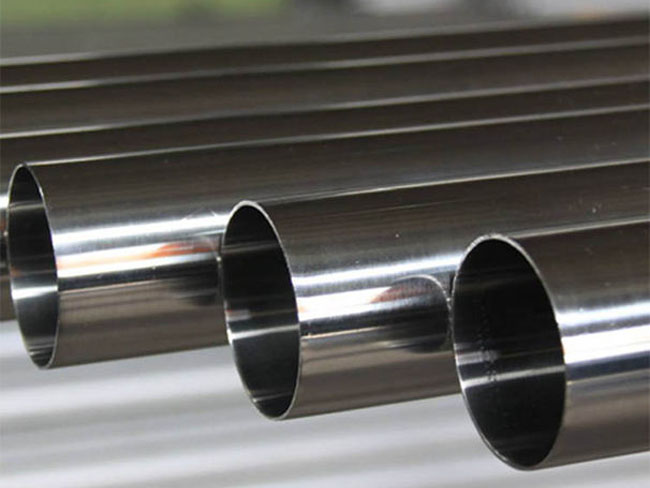
Marine seamless stainless steel pipes are manufactured from austenitic stainless steels such as 304, 304L, 316, and 316L. They feature excellent seawater corrosion resistance and high structural strength, and are widely used in ship piping systems, seawat
 02
02
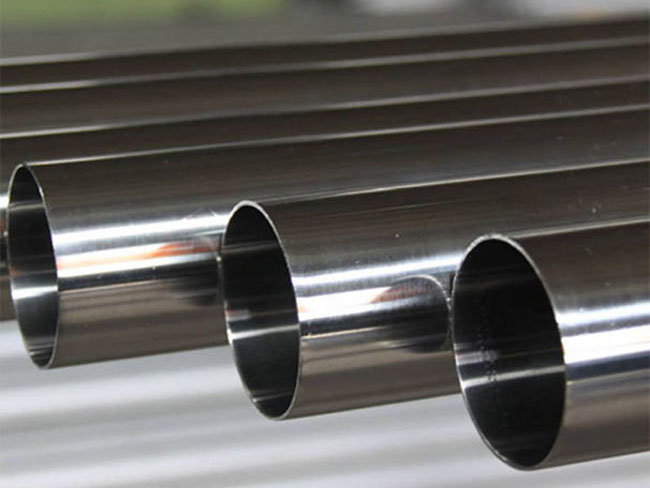
Duplex stainless steel pipe consists of approximately equal proportions of ferrite and austenite stainless steel phases. It combines the high strength of ferritic stainless steel with the toughness of austenitic stainless steel. Its yield strength is gene
 03
03
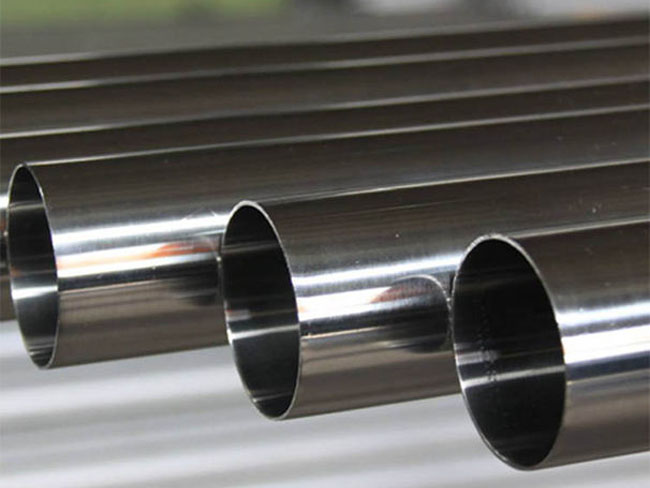
TP316L seamless stainless steel pipe conforms to ASTM A312, A213 and A269 standards, and has excellent corrosion resistance and low carbon welding performance, making it suitable for the chemical, shipbuilding, pharmaceutical and food industries.
 04
04
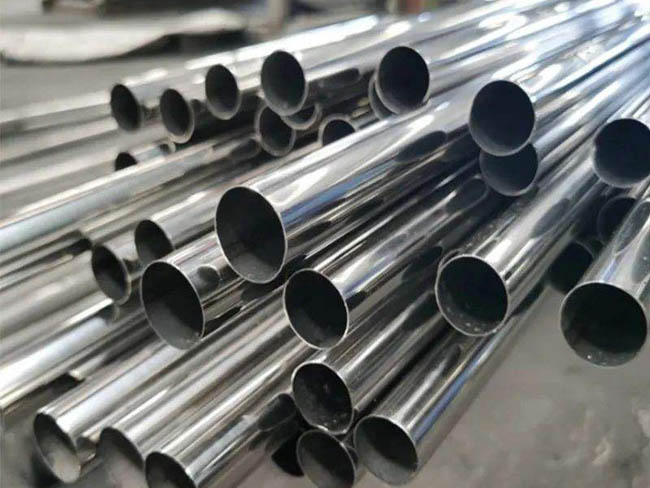
Small diameter seamless steel tubes refer to steel pipes with a relatively small outer diameter and a seamless structure without welding joints. The typical outer diameter range is 6 mm–89 mm. These pipes are manufactured through processes such as piercin