
-
Email
-
WhatsApp
-
Address
Zhengzhou, China
Zhengzhou, China
 By Hermione
In shipbuilding, offshore platforms, chemical tankers, and seawater desalination projects, piping systems are continuously exposed to demanding conditions such as salt spray, chloride-ion corrosion, high and low temperature cycling, and fluid pressure fluctuations. Ordinary carbon steel and conventional stainless steel pipes may be susceptible to pitting corrosion, crevice corrosion, and stress corrosion cracking. Once a piping system fails, it can result in serious safety risks and high maintenance costs.
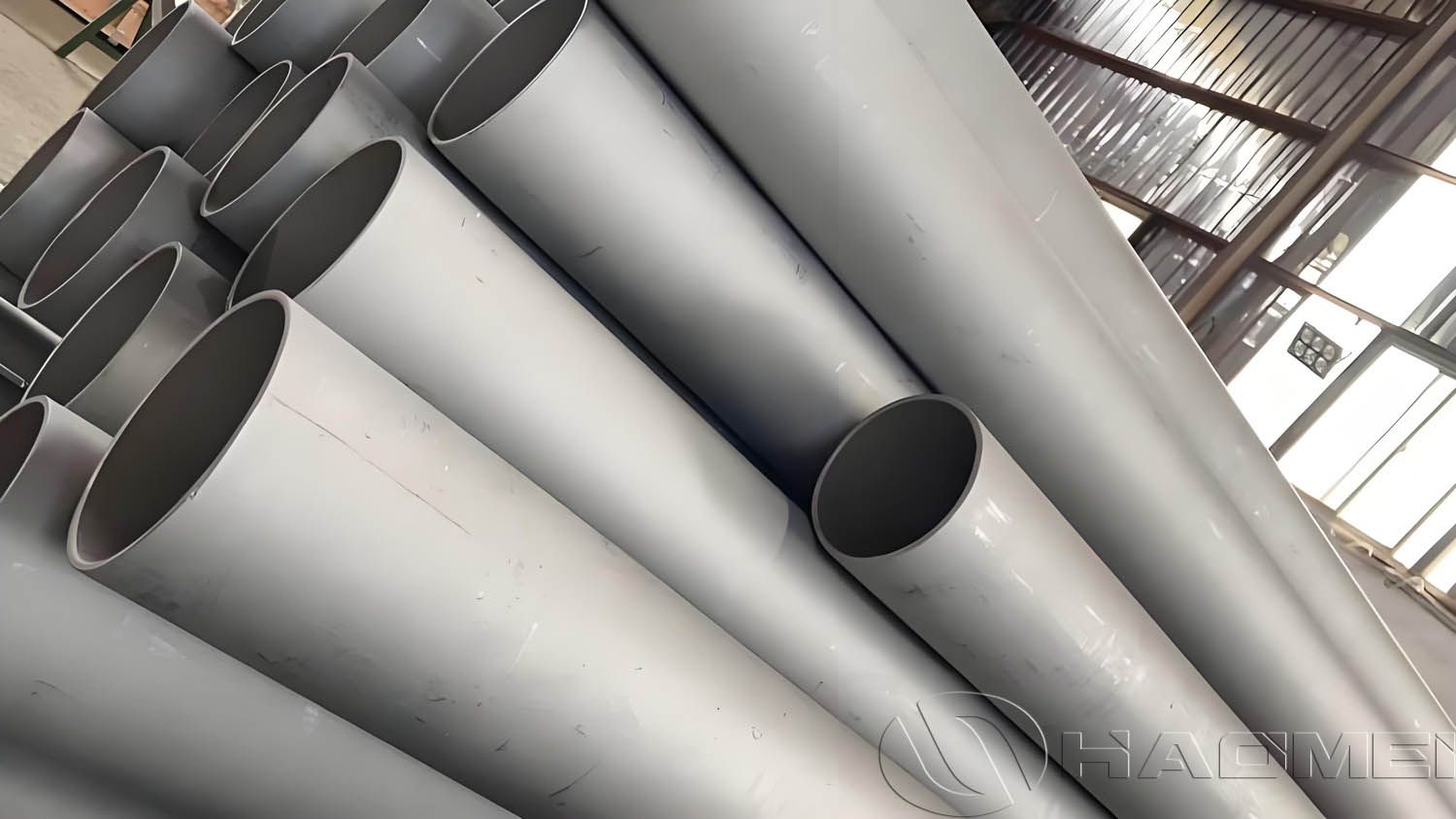
TP316L seamless stainless steel pipes manufactured by HAOMEI PIPE offer stable material performance, a fully seamless structure, and DNV classification society certification support. They are therefore a preferred solution for critical piping systems in high-end marine and offshore equipment.
DNV (Det Norske Veritas), founded in 1864, is a globally recognized classification society and technical authority in the marine and offshore engineering industries. Its standard DNV-CP-0252-2026, issued in 2026, specifies the manufacturer approval procedure for steel pipes and steel pipe fittings.
The standard covers a range of products, including carbon steel pipes, austenitic stainless steel pipes, low-temperature service pipes, boiler tubes, and more. A manufacturer’s approval scope is subject to multiple limitations, including material grade, manufacturing method-welded or seamless-maximum size range, and heat treatment condition.
TP316L generally refers to low-carbon Type 316L austenitic stainless steel pipe manufactured in accordance with applicable ASTM stainless steel pipe product standards. "TP" is commonly used as a pipe grade designation in ASTM product standards, while "316L" refers to the low-carbon version of Type 316 stainless steel.
The primary alloying elements in 316L are chromium, nickel, and molybdenum. Compared with 304L, 316L contains molybdenum, which provides improved resistance to pitting and crevice corrosion in many chloride-containing and corrosive media.
The letter "L" stands for Low Carbon. The lower carbon content helps reduce the risk of intergranular corrosion during welding. As a result, 316L is particularly suitable for marine and industrial piping systems requiring extensive welding and fabrication.
"Seamless" means that the pipe is produced through a seamless forming process without a conventional longitudinal weld seam. This type of pipe is suitable for piping systems with high requirements for pressure resistance, structural integrity, and operational reliability.
1. Chemical Composition
TP316L is a molybdenum-containing austenitic stainless steel. Its main chemical composition typically includes:
| Element | Content |
| C | ≤ 0.03% |
| Mn | ≤ 2.00% |
| Si | ≤ 0.75% |
| P | ≤ 0.045% |
| S | ≤ 0.030% |
| Fe | Balance |
| Cr | 16.00%–18.00% |
| Ni | 10.00%–14.00% |
| Mo | 2.00%–3.00% |
| N | ≤ 0.10% |
The low carbon content of TP316L helps minimize the risk of sensitization and intergranular corrosion in welded areas.
2. Physical Properties
Typical physical properties of TP316L stainless steel include:
Property | Typical Value |
| Density | 8.0 g/cm³ |
| Melting Point | 1400–1450°C |
| Thermal Conductivity | 16 W/(m·K) at 100°C |
| Electrical Resistivity | 0.72 Ω·mm²/m |
| Coefficient of Linear Expansion | 17.2 × 10⁻⁶ /°C at 0–100°C |
3. Mechanical Properties
Typical mechanical properties of TP316L stainless steel include:
| Property | Typical Value |
| Tensile Strength | ≥ 515 MPa |
| Yield Strength | ≥ 215 MPa |
| Elongation | ≥ 40% |
| Hardness | ≤ 200 HB |
1. Excellent Corrosion Resistance
The chromium in 316L forms a stable passive film on the steel surface. Molybdenum further improves the material's resistance to pitting corrosion in certain chloride-containing and corrosive environments.
This makes TP316L seamless pipe suitable for marine, offshore, chemical, and industrial service environments where corrosion resistance is a key requirement.
2. Excellent Weldability
As a low-carbon austenitic stainless steel, 316L offers excellent weldability. Its low carbon content reduces the risk of carbide precipitation in the weld heat-affected zone, making it well suited for marine piping systems involving extensive welding work.
3. Good Ductility and Fabrication Performance
TP316L has good elongation and ductility. It can be cut, bent, welded, machined, and connected with fittings, allowing flexible installation and on-site adjustment.
4. Good Low-Temperature Performance
Austenitic stainless steels generally retain good toughness at low temperatures. TP316L can therefore be used in certain low-temperature applications. However, for low-temperature marine piping, LNG systems, or special cryogenic equipment, material suitability must be verified according to the design temperature, pressure rating, and applicable specifications. Material selection should not be based solely on the “316L” grade designation.
5. Smooth Inner Surface and Good Media Compatibility
After solution annealing and pickling treatment, the inner surface of the pipe is smooth and clean, helping reduce scale accumulation and microbial growth. This makes it suitable for onboard fresh water, potable water, and process chemical transportation.
Stainless steel does not contaminate the conveyed medium and is compatible with chemical tanker cargo piping systems and offshore platform process fluid systems.
Actual supply specifications can be customized in accordance with ASTM, EN, ISO, or project-specific technical requirements.
| Item | Common Range / Options |
| Material Grade | TP316L / 316L / 1.4404 |
| Pipe Type | Seamless Stainless Steel Pipe |
| Standard | ASTM A312 and other project-required standards |
| Outside Diameter | Approx. 6 mm–323.9 mm, customizable |
Wall Thickness | SCH 5S, 10S, 40S, 80S, etc. |
| Length | 5.8 m, 6 m, 11.8 m, 12 m, or fixed lengths |
| Surface Finish | Pickled, annealed and pickled, polished, etc. |
| Manufacturing Process | Cold rolled, cold drawn, hot finished, etc. |
| Delivery Condition | Solution annealed or as required by applicable standards |
| Testing | Chemical analysis, mechanical testing, dimensional inspection, hydrostatic/NDT testing, etc. |
| Certification | DNV and project-required quality documentation |
TP316L seamless steel pipes may be supplied in compliance with internationally recognized classification society and product standards, including:
ABS — American Bureau of Shipping
DNV-CP-0252-2026
BV Product Certificate
EN 10204 Type 3.2 Inspection Certificate
ASTM A312 / A312M
EN 10216-5
The applicable standard, inspection scope, and certificate requirements should be confirmed according to the specific vessel, offshore project, customer specification, and purchase order.
High-quality TP316L seamless stainless steel pipes are produced through strict melting, hot forming, cold working, heat treatment, inspection, and surface finishing procedures.
A typical production process includes:
Raw Material Melting
Electric arc furnace melting, AOD refining, VOD refining, and other processes are used to control chemical composition and non-metallic inclusions.
Billet Preparation
Stainless steel round billets are inspected to ensure internal quality, uniform chemical composition, and satisfactory surface condition.
Piercing
Solid round billets are pierced to form hollow tubes.
Hot Rolling or Hot Extrusion
The hollow tubes are initially processed into the required outside diameter and wall thickness.
Cold Drawing or Cold Rolling
For pipes requiring higher dimensional accuracy, better surface finish, and improved mechanical properties, cold working processes are commonly used.
Solution Annealing
Solution annealing is a critical process for TP316L seamless pipes. The pipe is heated to a suitable temperature and rapidly cooled, allowing carbides to dissolve and helping restore corrosion resistance and structural stability.
Pickling and Passivation
Oxide scale, heat-treatment discoloration, and surface contaminants are removed to achieve a clean and uniform surface condition.
Non-Destructive Testing and Performance Testing
Depending on the applicable standard and project requirements, testing may include eddy current testing, ultrasonic testing, hydrostatic testing, pneumatic testing, intergranular corrosion testing, flattening tests, flaring tests, and other examinations.
Marking and Packaging
Pipes should be clearly marked with size, material grade, heat number, standard, manufacturer identification, and inspection status. Packaging should be suitable for marine transportation, storage, and project-site handling.
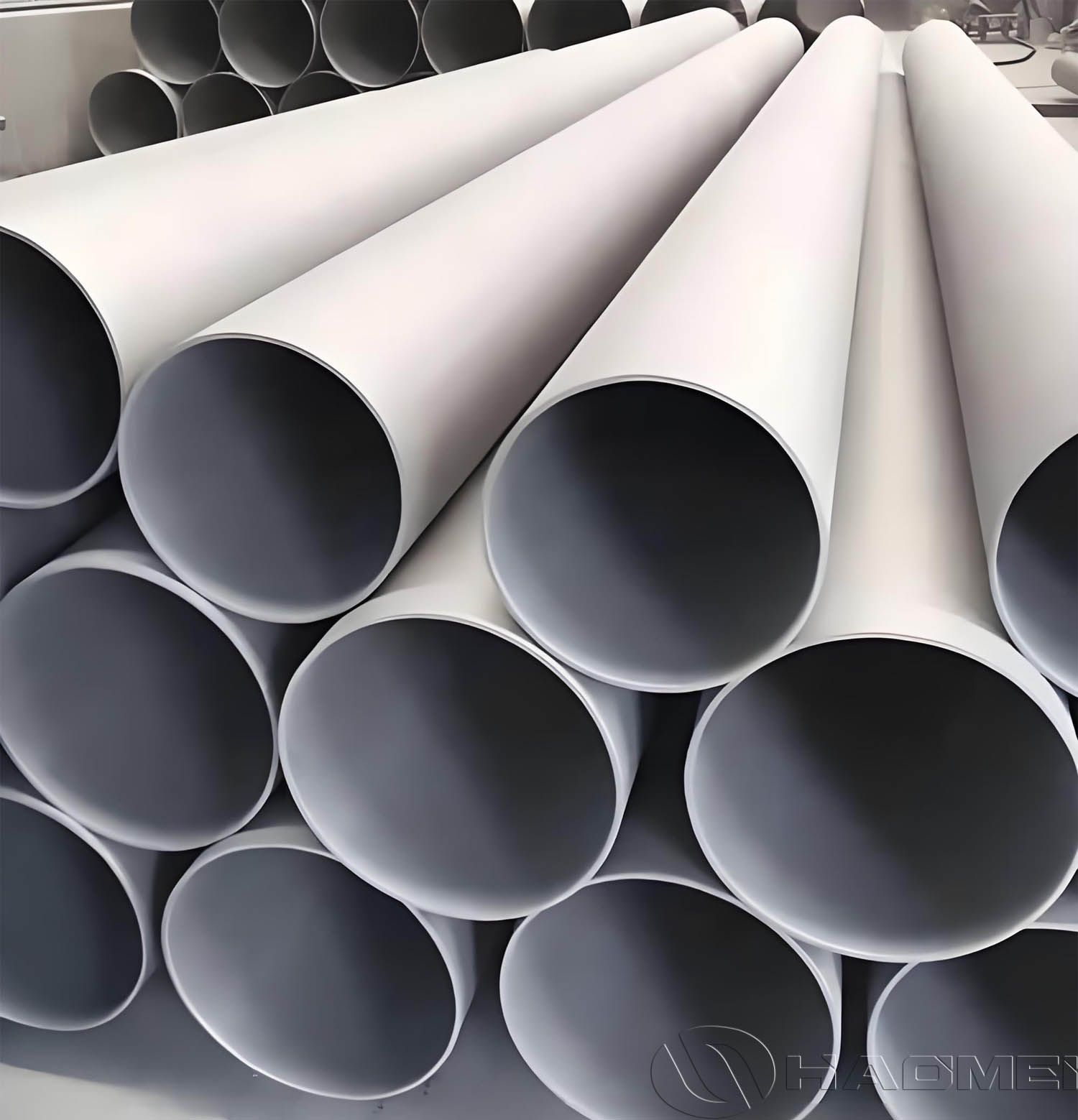
Shipbuilding: Cargo piping systems for chemical tankers, engine room process piping, fresh/potable water lines, hydraulic oil lines, and deck wash lines; classed pressure piping for container ships, oil tankers, and engineering vessels.
Offshore Platforms: Process piping for offshore oil and gas platforms, seawater auxiliary lines, and platform utility piping.
Marine Auxiliary Equipment: Seawater desalination units, nearshore coastal engineering equipment, and tube bundles for marine heat exchangers.
Other Industrial Sectors: Corrosive process piping for petrochemical applications and corrosion-resistant pressure piping for energy equipment (subject to compliance with relevant industry standards).
Performance Indicator | TP304 / TP304L | TP316 | TP316L (DNV Certified) |
| Carbon Content (C) | ≤ 0.08% / ≤ 0.03% | ≤ 0.08% | ≤ 0.03% |
| Molybdenum Content (Mo) | None | 2.0%–3.0% | 2.0%–3.0% |
| Pitting Corrosion Resistance | Moderate | Good | Excellent |
| Intergranular Corrosion Resistance | General / Good | General | Excellent, with improved resistance after welding |
| Typical Applications | General industry, food-grade applications | General chemical and industrial service | Marine engineering, shipbuilding, corrosive environments |
Authoritative Certification: Our products can be supplied with DNV, ABS, CCS, and other classification society certifications, in accordance with applicable international standards and project requirements.
Quality Assurance: HAOMEI PIPE supplies TP316L stainless steel pipes with reliable corrosion resistance, weldability, ductility, and mechanical properties.
Complete Size Range: We can provide a wide range of products with outside diameters from 10 mm to 762 mm and wall thicknesses from 3 mm to 150 mm. Customized heat treatment and project-specific specifications are also available.
One-Stop Service:From material selection and process optimization to technical support, we provide comprehensive solutions tailored to marine, offshore, and industrial piping projects.
Choose HAOMEI PIPE and align your project with advanced marine engineering material solutions. Contact us today to obtain detailed technical data and a quotation for DNV-certified TP316L seamless stainless steel pipes.
 01
01
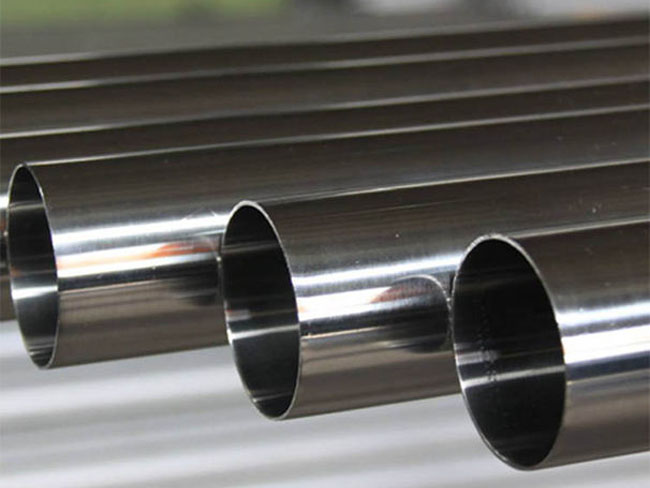
Marine seamless stainless steel pipes are manufactured from austenitic stainless steels such as 304, 304L, 316, and 316L. They feature excellent seawater corrosion resistance and high structural strength, and are widely used in ship piping systems, seawat
 02
02
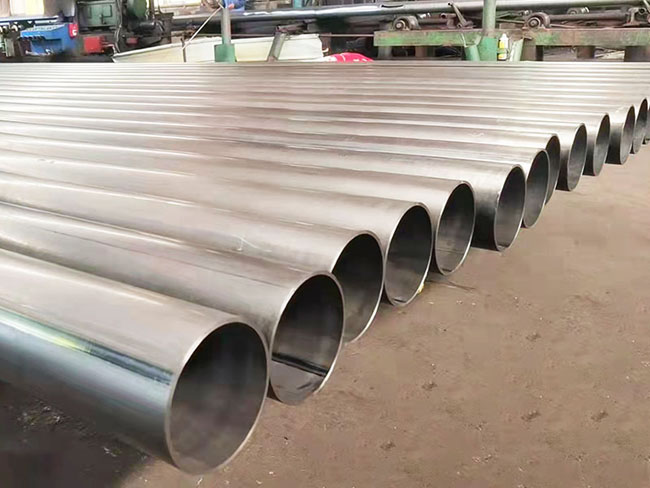
Austenitic seamless stainless steel pipe refers to seamless steel tubing whose microstructure remains stable austenite at room temperature. These steels typically use chromium and nickel as the primary alloying elements. A typical example is 18Cr-8Ni (Gra
 03
03
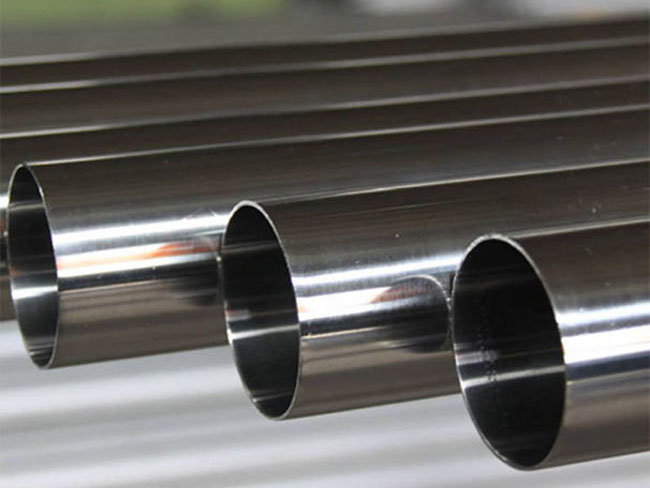
Duplex stainless steel pipe consists of approximately equal proportions of ferrite and austenite stainless steel phases. It combines the high strength of ferritic stainless steel with the toughness of austenitic stainless steel. Its yield strength is gene
 04
04
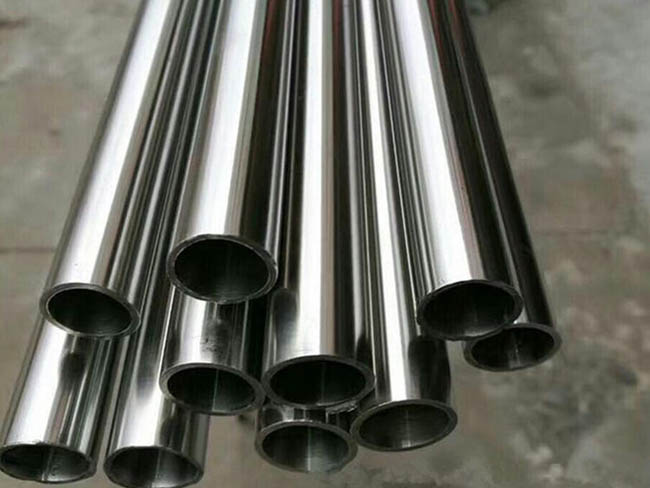
304L stainless steel pipe is produced from the low-carbon version of the widely used austenitic 18-8 stainless steel. The reduced carbon content allows it to be welded without causing localized corrosion. This is because 304L stainless steel produces less