
-
Email
-
WhatsApp
-
Address
Zhengzhou, China
Zhengzhou, China
 By Hermione
Ship deck railings and side handrails are critical safety components on board. They remain exposed for long periods to severe marine conditions, including salt spray, sea wind, humidity, and splashing seawater. Therefore, railing materials must provide not only adequate structural strength and impact resistance, but also effective protection against chloride-induced pitting corrosion and crevice corrosion.
The choice of tubing directly affects the service life of the railing system and the safety of vessel operation. With excellent seawater corrosion resistance, a uniform metallurgical structure, and stable mechanical properties, 316L seamless stainless steel pipe has become a widely recognized premium material solution for marine railing applications.
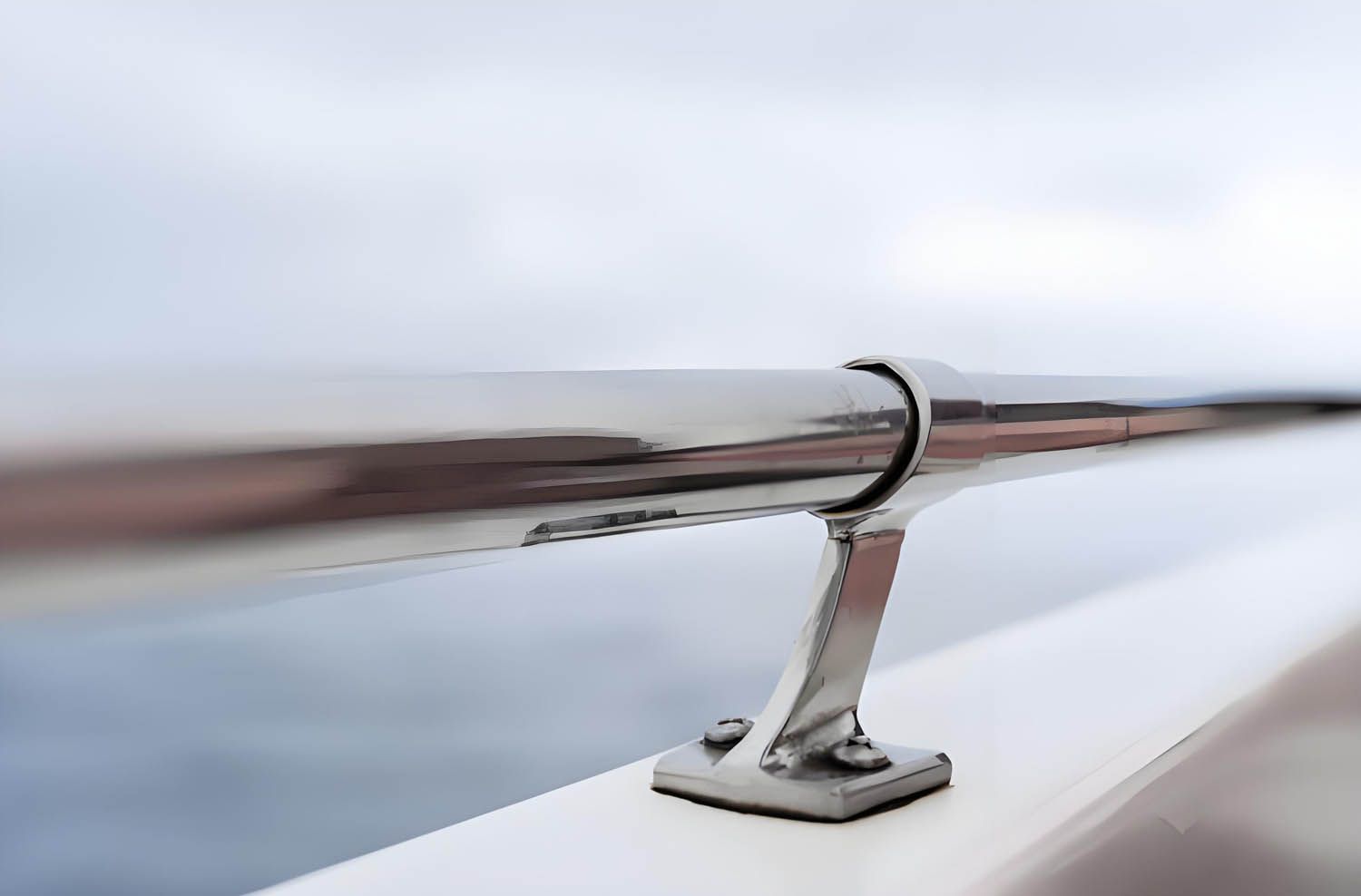
316L stainless steel is an American-standard austenitic stainless steel grade. Its major difference from standard 304 stainless steel is the addition of molybdenum (Mo), which significantly improves corrosion resistance in chloride-containing environments. For this reason, 316L is often referred to as marine-grade stainless steel.
The "L" in 316L stands for low carbon, with a carbon content of no more than 0.03%. This low-carbon characteristic helps reduce the risk of intergranular corrosion after welding. In many cases, 316L can retain good corrosion resistance after welding without requiring post-weld annealing. This advantage is particularly important for marine railing systems, which often require extensive cutting, welding, and assembly.
Although 304 stainless steel is suitable for many general applications, marine environments demand the enhanced performance provided by 316L alloy.
| Material Comparison | 304 Stainless Steel | 316L Marine Grade Stainless Steel |
| Molybdenum Content | 0% | 2-3% |
| Chloride Resistance | Good for inland environments | Excellent for marine environments |
| Pitting Corrosion Resistance | Standard | Enhanced |
| Typical Service Life in Coastal Areas | 5–8 years | 15–25 years |
| Tensile Strength | Approx. 515 MPa | Approx. 485–580 MPa |
Manufacturing marine railings from 316L requires an understanding of these metallurgical differences. While the molybdenum addition increases the initial material cost, it provides stronger protection against localized pitting corrosion that can damage standard stainless steel in saltwater environments.
Marine railings need more than corrosion resistance. During vessel operation, they may also be subjected to vibration, wave impact, personnel loads, accidental collision, and continuous environmental stress. Therefore, the structural characteristics of the pipe are equally important.
Compared with welded stainless steel pipe, seamless stainless steel pipe offers notable structural advantages.
A seamless stainless steel pipe has a hollow cross-section without a longitudinal weld seam. Its wall thickness is generally more uniform, and its metallurgical structure is denser and more consistent. Without a weld seam, the pipe eliminates a potential weak point in the structure.
In highly corrosive marine environments, welded areas can become preferential sites for corrosion if welding procedures, heat tint removal, passivation, and finishing are not properly controlled. Seamless pipe helps reduce this concern by providing improved structural continuity, higher integrity, and reliable resistance to pressure and external loads.
As defined in standards such as ASTM A511, seamless tubing is designed for mechanical applications that require strength, durability, and consistent material performance.
Therefore, marine railings made from 316L seamless stainless steel pipe combine the corrosion-resistant advantages of 316L material with the structural integrity of seamless construction. This makes them better suited to challenging and variable offshore environments.
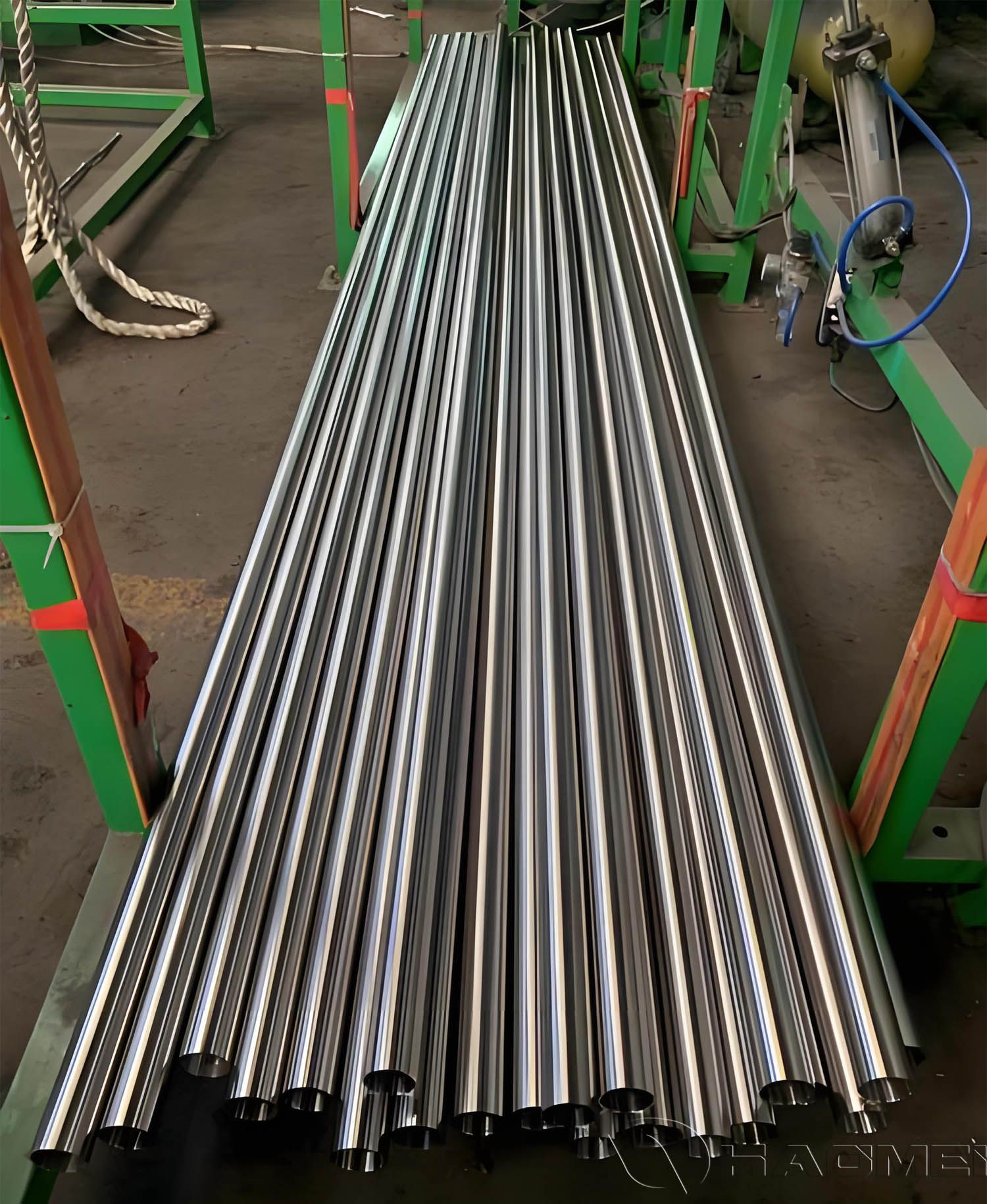
Regarding standards and specifications, the production and inspection of 316L stainless steel seamless pipes must adhere to rigorous international and domestic standards. Common standards include ASTM A312/A312M (standard specification for seamless and welded stainless steel pipes), ASTM A511 (seamless stainless steel mechanical tubing), GB/T 14975 (stainless steel seamless pipes for structural purposes), and EN 10216-5 (stainless steel seamless tubes for pressure purposes). When purchasing, it is essential to ensure the product complies with the relevant standards to guarantee the reliability of the material and performance.
| Item | Specification |
| Material Grade | 316L (UNS S31603, EN 1.4404) |
| Applicable Standards | GB/T 14976, ASTM A312 seamless stainless steel pipe |
| Key Alloy Composition | Cr: 16.5–18.5%; Ni: 10–14%; Mo: 2.0–2.5%; C ≤ 0.03% |
| Outside Diameter | 20–114 mm; cut-to-length service available |
| Wall Thickness | 1.5–6.0 mm; customized thickness and length available |
| Surface Finish | Pickled, brushed/satin, mirror polished, or electropolished |
| Mechanical Properties | Tensile strength ≥ 515 MPa; yield strength ≥ 205 MPa |
| NDT Inspection | Eddy current testing and ultrasonic testing; class society inspection can be supported upon request |
| Suitable Applications | Ship decks, side railings, splash zones, and marine salt-spray atmospheric environments |
| Usage Limitation | Not recommended for long-term full immersion in seawater without additional engineering assessment and corrosion-protection measures |
1. Excellent Corrosion Resistance
316L stainless steel contains molybdenum, which enhances resistance to chloride attack. It is well suited for marine atmospheres, salt spray, humid coastal conditions, and seawater splash zones.
2. Stable Mechanical Performance
316L seamless stainless steel pipe provides stable tensile strength, yield strength, and structural reliability. It can meet the needs of various railing designs, including deck railings, safety handrails, guardrails, stanchions, and supporting structures.
3. Good Weldability
The low-carbon composition of 316L helps reduce the risk of intergranular corrosion after welding. This makes it suitable for fabricating railing posts, handrails, elbows, joints, brackets, and connection structures.
For the best corrosion resistance, welded areas should be properly cleaned, pickled, passivated, and polished after fabrication.
4. Good Fabrication Performance
316L seamless pipe can be processed through cutting, bending, welding, grinding, drilling, polishing, and other fabrication methods. It is suitable for customized marine railing systems with different diameters, shapes, and installation requirements.
5. Attractive Surface Appearance
After mirror polishing, satin brushing, or electropolishing, 316L stainless steel railings present a clean, modern, and high-quality metallic appearance. This is especially valuable for yachts, cruise vessels, passenger ships, and high-end marine equipment.
6. Lower Long-Term Maintenance Requirements
Compared with ordinary carbon steel, 316L stainless steel can reduce the need for frequent anti-corrosion painting and coating maintenance when properly designed, fabricated, installed, and maintained.
316L seamless stainless steel pipe is widely used in the following marine railing and safety protection applications:
Various commercial vessels: deck and side railings and walkway handrails for cargo ships, bulk carriers, and Ro-Ro vessels;
Yachts and recreational craft: guardrails and deck safety railings for luxury yachts and workboats;
Marine engineering equipment: walkway guardrails and boarding ladder handrails for offshore platforms;
Port vessel equipment: railing components for ferries, transport vessels, and official service boats.
The size of marine railing pipe should be selected according to vessel type, railing height, post spacing, design load, installation method, operating area, and applicable marine regulations.
The following table provides common reference dimensions for 316L seamless stainless steel pipe used in marine railing systems:
| Outside Diameter (OD) | Common Wall Thickness | Typical Applications |
| 19 mm / 20 mm | 1.0–2.0 mm | Small handrails, auxiliary rails, decorative railings |
| 25 mm | 1.2–2.5 mm | Yacht handrails, light-duty guardrails, interior cabin railings |
| 32 mm | 1.5–3.0 mm | Standard deck railings, posts, and horizontal rails |
| 38 mm | 1.5–3.0 mm | Marine handrails, walkway guardrails, higher-load sections |
| 42 mm | 1.5–3.0 mm | Main handrails and larger railing systems |
| 48 mm / 50 mm | 2.0–4.0 mm | Heavy-duty railings, main posts, workboat structures |
| 60 mm and Above | Customized | Special vessels, offshore platforms, high-strength structures |
The final pipe specification should be determined by the project design, load calculation, vessel classification requirements, and relevant safety regulations.
Surface finish directly affects corrosion resistance.
Highly reflective surface
Low surface roughness
Reduces salt accumulation
Suitable for exposed deck railings
Modern matte appearance
Easier to maintain
Suitable for interior or enclosed marine equipment
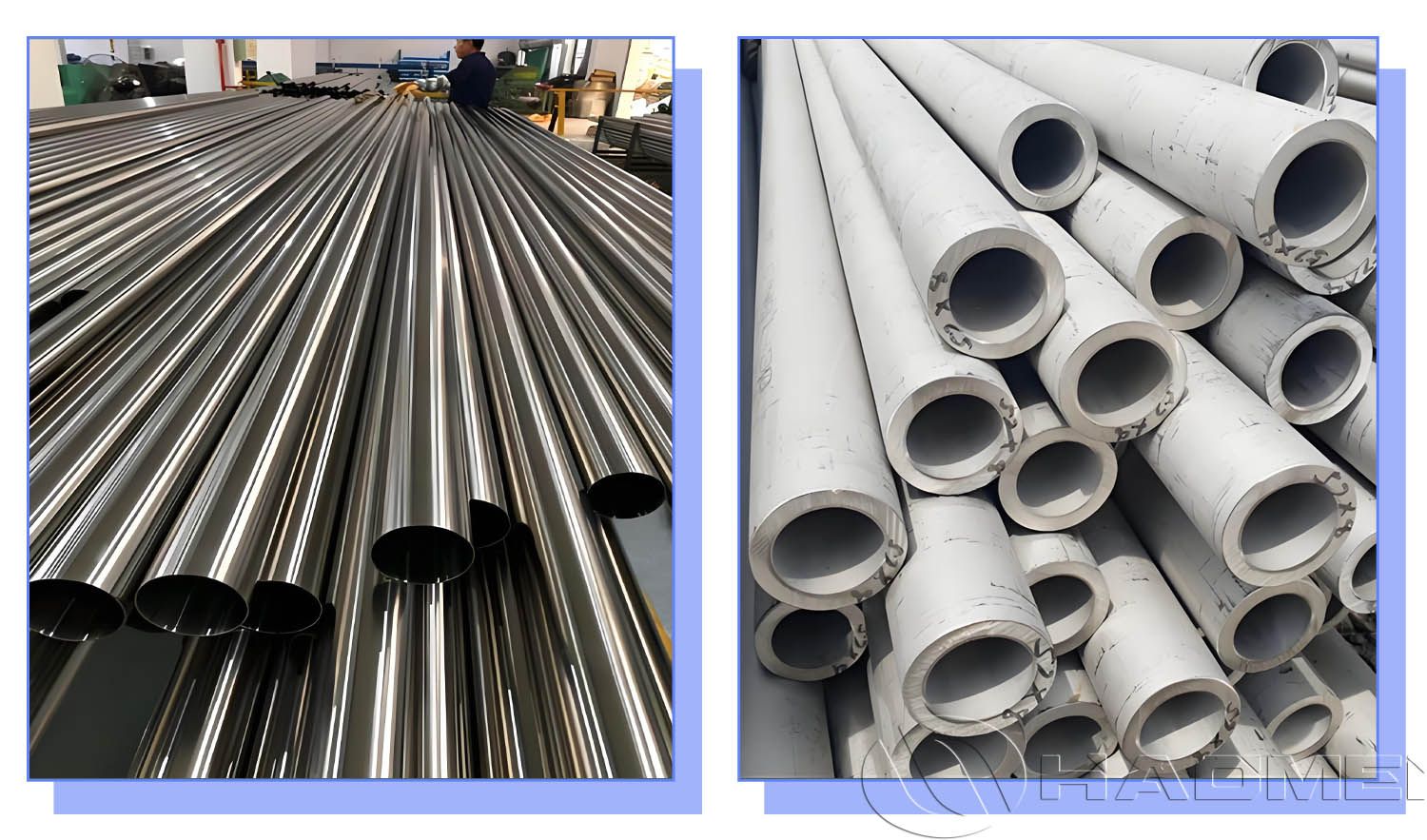
For high-exposure applications such as marine railings and deck fittings, mirror-polished 316 stainless steel tubing is generally recommended.
Although 316L stainless steel provides excellent corrosion resistance, proper maintenance is still essential to extend its service life and preserve its appearance.
1. Regular Cleaning
Clean railing surfaces regularly with fresh water and a neutral detergent to remove salt deposits, dust, oil, and other contaminants. Long-term salt accumulation can lead to localized corrosion, even on high-grade stainless steel.
2. Avoid Abrasive Cleaning Tools
Use soft cloths, sponges, or non-abrasive cleaning pads. Avoid steel wool, wire brushes, or cleaning products containing abrasive particles, as these may scratch the surface and damage the protective passive film.
3. Inspect Welded Areas and Connections
Regularly inspect welded joints, fasteners, brackets, and connection points for looseness, surface discoloration, corrosion, or mechanical damage. Any damaged area should be cleaned and repaired promptly.
4. Prevent Contact with Carbon Steel Contamination
During fabrication, storage, and installation, avoid direct contact with carbon steel tools, grinding dust, or steel particles. Iron contamination can cause surface rust staining and may reduce corrosion resistance.
5. Repair Surface Damage Promptly
If the surface is scratched, damaged, or contaminated during installation or operation, it should be cleaned, polished, and passivated as necessary to restore the corrosion-resistant surface layer.
 01
01
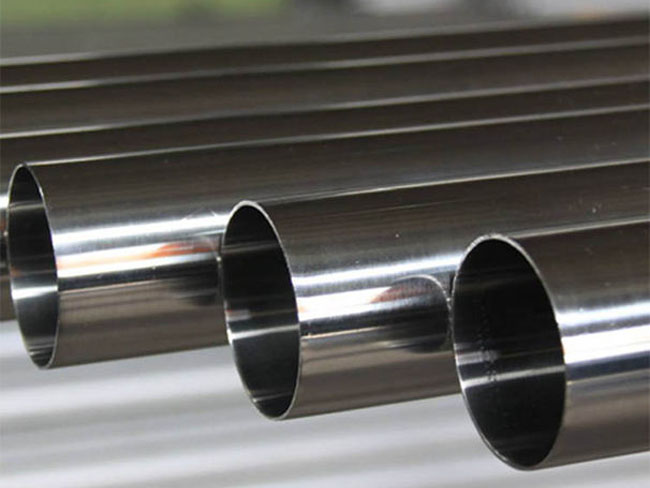
TP316 seamless stainless steel pipe offers excellent corrosion resistance and strength for chemical, marine, food, and petrochemical applications. Manufactured to ASTM A312, A213, and EN 10216-5 standards with customizable sizes and finishes.
 02
02
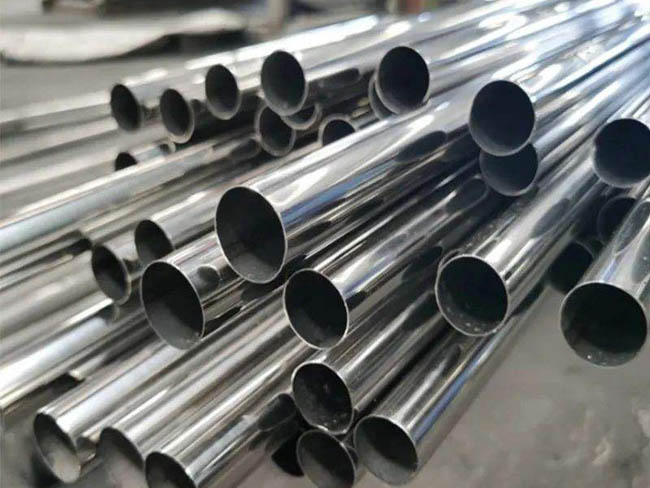
Marine seamless stainless steel pipes are manufactured from austenitic stainless steels such as 304, 304L, 316, and 316L. They feature excellent seawater corrosion resistance and high structural strength, and are widely used in ship piping systems, seawat
 03
03
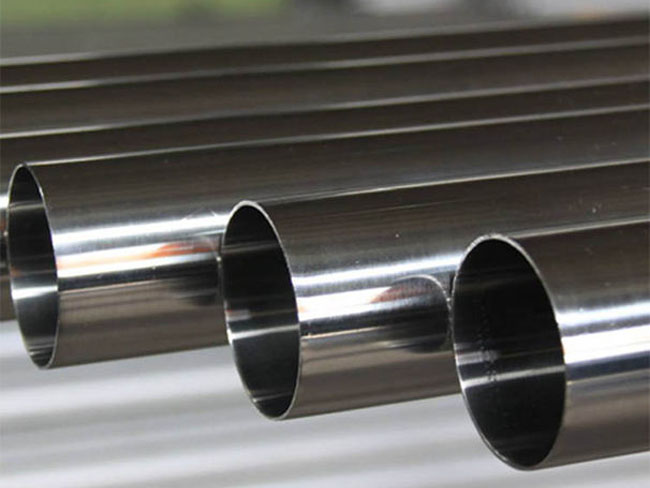
Small diameter seamless steel tubes refer to steel pipes with a relatively small outer diameter and a seamless structure without welding joints. The typical outer diameter range is 6 mm–89 mm. These pipes are manufactured through processes such as piercin
 04
04
TP316L seamless stainless steel pipe conforms to ASTM A312, A213 and A269 standards, and has excellent corrosion resistance and low carbon welding performance, making it suitable for the chemical, shipbuilding, pharmaceutical and food industries.