
-
Email
-
WhatsApp
-
Address
Zhengzhou, China
Zhengzhou, China
 By Hermione
China-Made Seamless 316L Stainless Steel Pipe for Marine Engineering
HAOMEI PIPE is a direct-source manufacturer specializing in the supply of 316L seamless stainless steel pipes for demanding shipbuilding and offshore engineering environments. Manufactured from solid steel billets through hot piercing and hot rolling, followed by precision cold drawing or cold rolling, our pipes feature a seamless construction without welded joints.
The absence of weld seams provides reliable pressure resistance and helps reduce leakage risks. With excellent resistance to chloride-ion corrosion in seawater environments, these pipes are widely supplied to shipyards, marine equipment integrators, offshore engineering contractors, and international project buyers.
Our seamless 316L stainless steel pipes are available in accordance with international standards such as ASTM A312, ASTM A358, EN 10297-1, and other applicable specifications. Subject to strict inspection and certification procedures, they can meet the requirements of shipbuilding, offshore platforms, vessel repair, and marine retrofit projects.
They are essential piping materials for seawater systems, ballast water systems, cooling systems, fuel systems, freshwater systems, hydraulic pipelines, and other safety-critical marine fluid transfer applications.
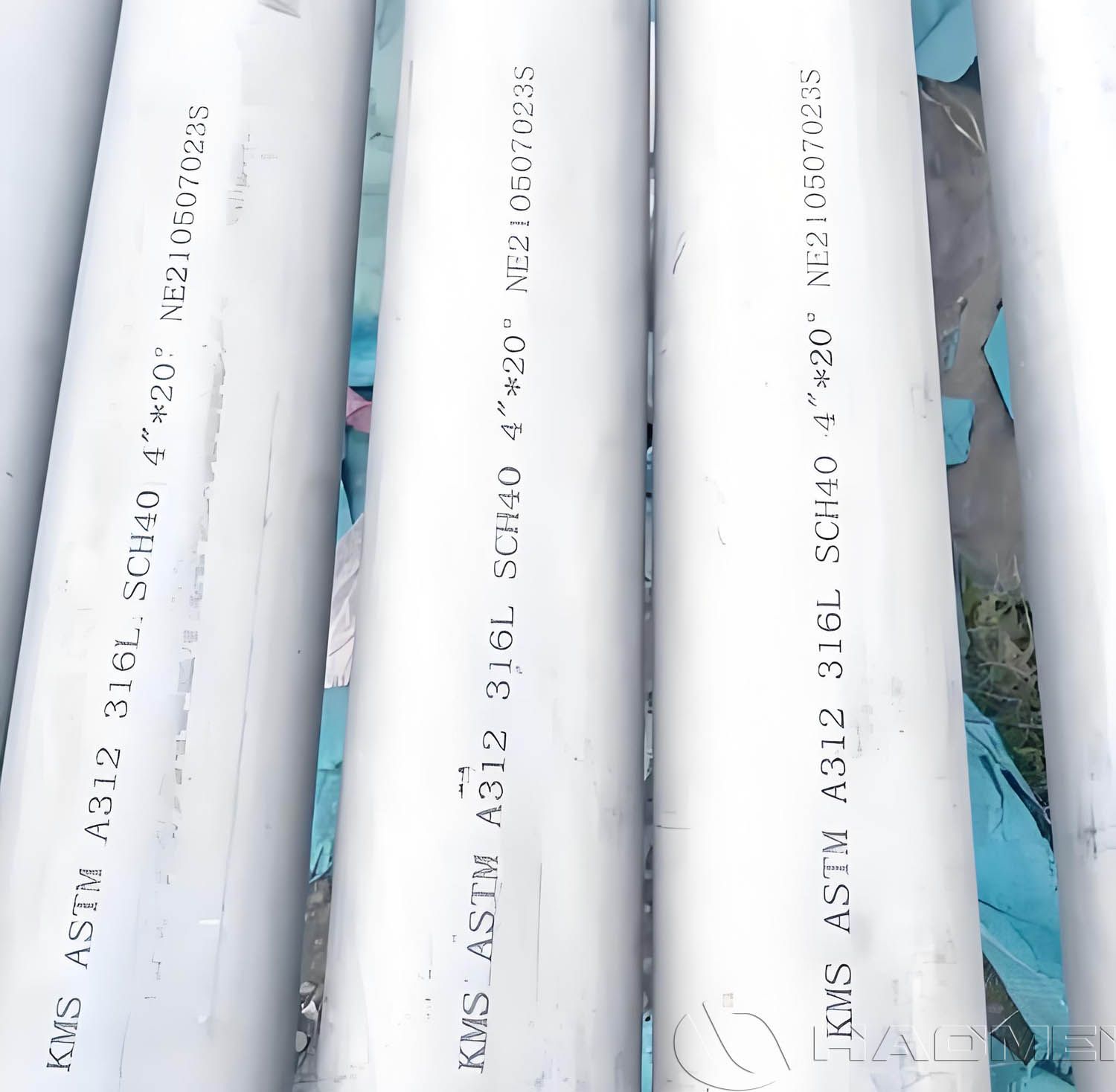
A 316L seamless stainless steel pipe is a low-carbon chromium-nickel-molybdenum alloy pipe based on austenitic stainless steel. It is commonly manufactured in accordance with standards such as ASTM A312 and ASME SA312.
Compared with 304 stainless steel, 316L contains molybdenum (Mo), which significantly improves resistance to pitting corrosion and crevice corrosion in chloride-containing environments. Its low carbon content also helps reduce the risk of intergranular corrosion in the heat-affected zone after welding.
Seamless manufacturing eliminates potential weld-related defects, including weld corrosion, cracking, and leakage. The pipe body has a uniform metallographic structure, high dimensional accuracy, and smooth internal and external surfaces. The smooth bore helps reduce fluid resistance, making seamless 316L pipe suitable for high-pressure and safety-critical piping systems aboard vessels and offshore facilities.
| Element | Content |
| Cr | 16.0–18.0% |
| Ni | 10.0–14.0% |
| Mo | 2.0–3.0% |
| C | ≤ 0.030% |
| Mn | ≤ 2.00% |
| Si | ≤ 0.75% |
| P | ≤ 0.045% |
| S | ≤ 0.030% |
The ultra-low carbon content helps minimize carbide precipitation in the heat-affected zone during welding, thereby improving corrosion resistance after fabrication.
| Property | Typical Requirement |
| Tensile Strength, Rm | ≥ 485 MPa |
| Yield Strength | ≥ 170 MPa |
| Elongation | ≥ 35% |
| Hardness | ≤ 90 HRB / ≤ 200 HV |
Mechanical properties may vary depending on the applicable standard, manufacturing process, dimensions, heat treatment condition, and project requirements.
| Parameter | Technical Specification |
| Material Grade | 316L Stainless Steel / TP316L / UNS S31603 / EN 1.4404 |
| Pipe Type | Seamless Round Pipe |
| Outside Diameter | 10.3 mm–508 mm |
| Wall Thickness | 1.0 mm–30 mm |
| Length | Standard random length: 6 m–12 m; customized fixed length available |
| Common Schedule | SCH 10S, SCH 40S, SCH 80S |
| Surface Finish | Bright annealed, polished, pickled, or electropolished |
| Manufacturing Process | Hot rolled, cold drawn, cold rolled |
| Connection Methods | Butt welding, socket welding, and other applicable connection methods |
| Standards and Certifications | ASTM A312/A358, EN 10297-1, ISO 9001, PED 97/23/EC, etc. |
| Operating Temperature | 50°C to +800°C |
| Minimum Order Quantity | From 1 metric ton |
| Packaging | Rust-proof paper wrapping, wooden frames or wooden cases, seaworthy moisture-proof export packaging |
1. Seamless Construction for Safe, Leak-Resistant Performance
Without a longitudinal weld seam, seamless 316L stainless steel pipe helps avoid potential risks associated with weld corrosion, cracking, and leakage. It offers strong fatigue resistance and impact resistance, making it well suited for vibration, movement, and fluctuating loads encountered during vessel operation.
It is an ideal choice for high-pressure and safety-critical marine piping systems.
2. Excellent Seawater Corrosion Resistance
316L stainless steel is designed for chloride-containing environments. It performs well in seawater splash zones, salt spray, humid engine rooms, marine cabins, and coastal environments.
Its molybdenum content improves resistance to pitting and crevice corrosion, helping reduce rust stains, corrosion-related maintenance, and replacement costs.
3. Excellent Weldability and Good Low-Temperature Toughness
The low-carbon composition of 316L provides excellent welding performance. Under proper welding procedures, it can help reduce the risk of intergranular corrosion after welding.
It also offers stable low-temperature toughness, making it suitable for low-temperature compartments, LNG-related piping systems, and other marine applications requiring reliable material performance under variable temperatures.
4. Precise Dimensions for Easy Onboard Installation
Strict control of roundness, straightness, wall thickness tolerance, and surface quality makes the pipe easier to cut, bend, weld, and assemble with flanges or fittings.
Pickling and passivation treatments can be provided to improve surface cleanliness and corrosion resistance. The smooth internal surface helps reduce scale accumulation and fluid flow resistance.
5. Full Inspection Process and Classification Society Certification Support
Each batch can be supplied with a Mill Test Certificate (MTC). Testing services may include:
Hydrostatic pressure testing
Eddy current testing
Ultrasonic testing
Intergranular corrosion testing
Tensile testing
Flattening and bending tests
Dimensional inspection
Surface quality inspection
We can cooperate with classification societies such as CCS, DNV, ABS, LR, and BV for inspection and certification according to project requirements.
6. Flexible Customization and Export-Ready Supply
Pipe dimensions, fixed lengths, end preparation, surface treatment, marking, and packaging can be customized according to customer requirements.
All export products can be packed with moisture-proof, rust-proof, and seaworthy protection to ensure safe delivery by ocean freight.
The production of high-quality seamless 316L stainless steel pipe generally includes the following key processes:
Raw Material Selection
Qualified 316L stainless steel round bars or hollow billets are selected according to applicable standards.
Hot Piercing
Solid billets are pierced at high temperature to form hollow tubes.
Hot Rolling or Cold Processing
Hot rolling, cold rolling, or cold drawing is performed according to the required dimensions, tolerances, and surface finish.
Solution Annealing
Solution treatment improves the microstructure, restores corrosion resistance, and enhances ductility.
Pickling and Passivation
Oxide scale and surface contaminants are removed, creating a cleaner and more stable passive surface layer.
Straightening and Finishing
Straightness, outside diameter, wall thickness, length, and surface quality are controlled through finishing operations.
Non-Destructive Testing and Mechanical Testing
Internal and surface defects are checked, and the required mechanical and corrosion-resistance properties are verified.
Packaging and Shipment
Pipes are protected against moisture, impact, and contamination using export-grade packaging suitable for sea freight transportation.
A stable manufacturing process and strict inspection system are essential to ensure that seamless 316L stainless steel pipe performs reliably in complex marine engineering environments.
Marine engineering projects have strict requirements for pipe quality, safety, and reliability. High-quality 316L seamless pipe must meet chemical composition and mechanical property requirements while also undergoing comprehensive process control and inspection.
1. Chemical Composition Analysis
Key elements including chromium (Cr), nickel (Ni), molybdenum (Mo), and carbon (C) are tested to ensure compliance with 316L material grade requirements.
2. Mechanical Property Testing
Tensile strength, yield strength, elongation, and other mechanical properties are tested to confirm compliance with ASTM A312 or other applicable standards.
3. Dimensional and Visual Inspection
Outside diameter, wall thickness, length, ovality, straightness, and surface condition are inspected to ensure compliance with customer drawings and technical specifications.
4. Non-Destructive Testing
Depending on the applicable standards and purchase requirements, ultrasonic testing, eddy current testing, or other specified NDT methods can be carried out to identify internal or surface defects that may affect service performance.
5. Hydrostatic Testing
Hydrostatic testing, or other standard-permitted test methods, can be performed to verify the pressure-bearing performance and overall quality of the pipe.
6. Material Documentation
A Mill Test Certificate (MTC) can be supplied according to order requirements, including material grade, chemical composition, mechanical properties, dimensions, heat number, and relevant test results.
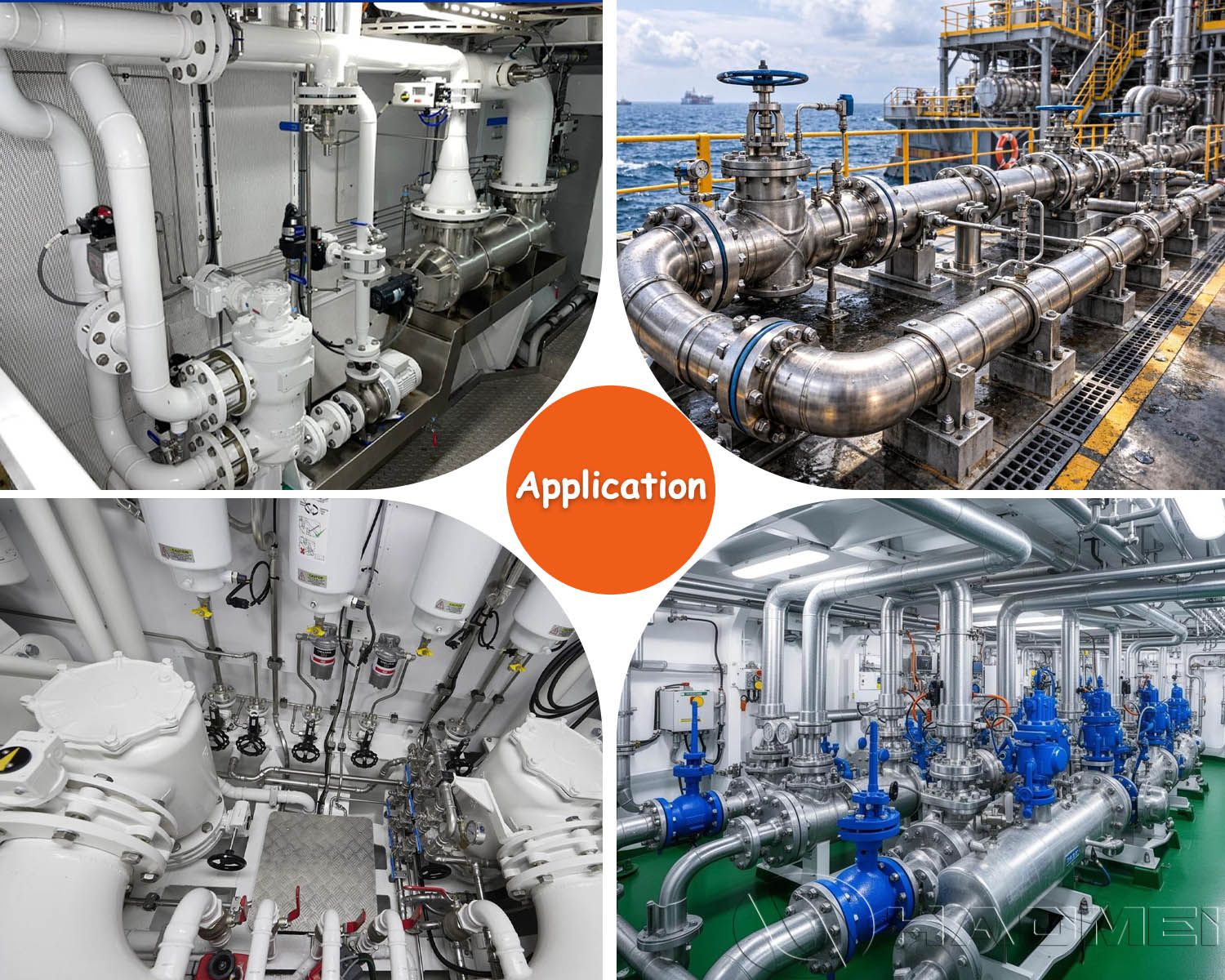
Seawater Cooling Systems: Seawater cooling pipelines, heat exchanger tube bundles, and intake/discharge piping for seawater desalination units.
Ballast Water Treatment Systems (BWTS Piping): Highly corrosion-resistant piping used for ballast water filtration and UV/chemical disinfection, in compliance with IMO/USCG regulations.
Scrubber & Firefighting Systems: Piping for exhaust gas cleaning systems (EGCS/scrubbers) and high-pressure marine firefighting sprinkler networks.
Liquefied Natural Gas (LNG) and Oil/Gas Transport: Cryogenic fuel gas supply systems (FGSS) for LNG-fueled vessels, as well as cargo tank cleaning and vapor recovery systems for chemical tankers.
Hydraulics & Instrumentation: Hydraulic piping for deck machinery and hatch covers, along with small-bore seamless tubing for instrumentation and signal sampling.
China-made products with stable supply chain management and competitive pricing;
Multiple specifications, dimensions, and delivery conditions of 316L seamless stainless steel pipe available;
Support for fixed-length cutting, non-standard dimensions, and drawing-based customization;
Optional secondary processing including pickling, passivation, polishing, beveling, end capping, and bending;
Strict control of chemical composition, dimensions, mechanical properties, and surface quality;
Mill Test Certificates, inspection reports, and third-party inspection support available;
Professional moisture-proof and seaworthy packaging for international shipment;
Stable bulk supply for shipbuilding, offshore engineering, and international project procurement.
Q1: What is the main difference between marine seamless 316L pipe and welded pipe?
A: Seamless pipe has no weld seam, helping avoid potential weld-related corrosion, vibration cracking, and leakage risks. For critical piping systems involving high pressure, seawater corrosion, vibration, or classification society requirements, seamless pipe is generally preferred. Welded pipe is more commonly used for low-pressure, non-critical, or less corrosive piping applications.
Q2: Can 316L stainless steel pipe be immersed in seawater for a long period?
A: 316L is suitable for seawater spray, splash zones, and flowing seawater piping systems under appropriate service conditions. However, for long-term stagnant seawater immersion or high-velocity seawater containing abrasive sand particles, corrosion risk may increase. In such cases, 2205 duplex stainless steel or other higher-corrosion-resistance materials should be evaluated.
Q3: What does ASTM A312 TP316L mean?
A: ASTM A312 TP316L refers to 316L austenitic stainless steel pipe manufactured in accordance with the ASTM A312 standard. It is commonly used in piping systems requiring corrosion resistance and heat resistance.
Q4: Can you supply 316L seamless pipes in SCH 10S and SCH 40S?
A: Yes. SCH 10S and SCH 40S pipes can be supplied depending on production capability and specific size requirements. These designations represent standardized wall thickness schedules, while the actual wall thickness depends on the nominal pipe size.
Q5: Can classification society certificates be provided?
A: Yes. We can cooperate with classification societies such as CCS, DNV, ABS, LR, and BV for inspection and certification according to project requirements. Inspection costs and lead times should be confirmed before order placement.
Q6: Do you provide secondary processing such as bending and beveling?
A: Yes. We can provide cutting, beveling, end preparation, bending, pickling, passivation, polishing, and other pre-processing services to reduce on-site fabrication work.
Q7: What information is required when purchasing marine-grade 316L seamless stainless steel pipe?
A: Please provide the following information:
Material grade, such as 316L / TP316L / UNS S31603;
Applicable standard, such as ASTM A312 or EN standard;
Outside diameter and wall thickness;
Required length and quantity;
Service medium and operating conditions;
Surface finish and end treatment requirements;
Whether classification society certification is required;
Technical agreement, drawings, and inspection requirements for marine engineering projects.
 01
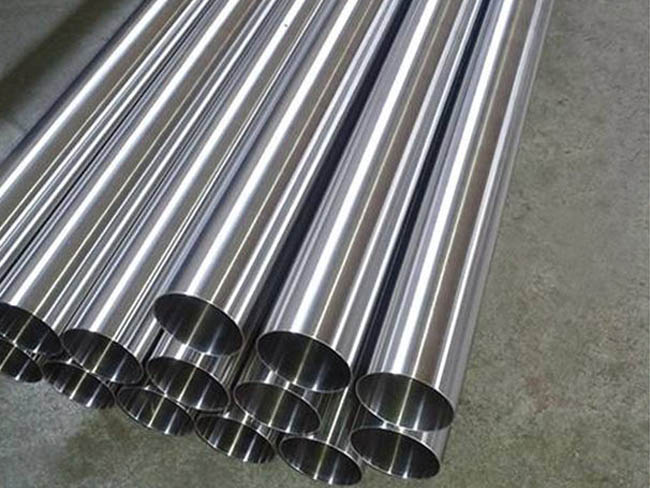
TP316 seamless stainless steel pipe offers excellent corrosion resistance and strength for chemical, marine, food, and petrochemical applications. Manufactured to ASTM A312, A213, and EN 10216-5 standards with customizable sizes and finishes.
 02
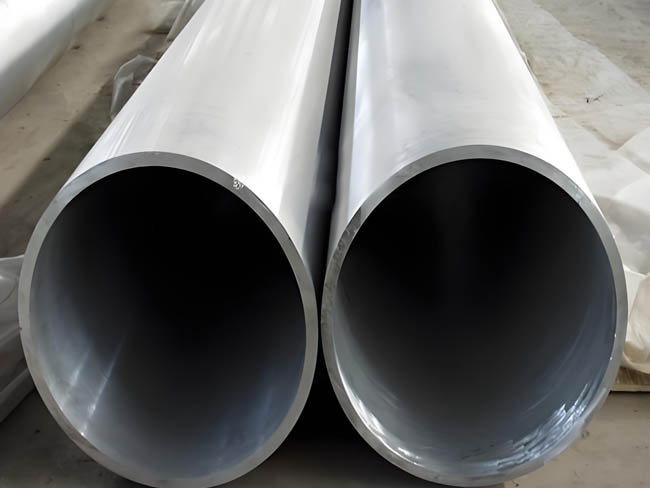
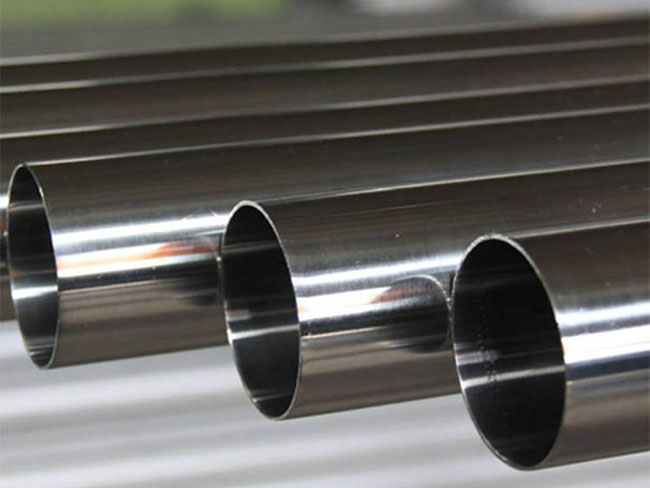
Large diameter seamless steel pipes typically refer to pipes with an outer diameter of 219 mm or larger, and in some cases up to 1020 mm. Compared with standard-size pipes, large-diameter seamless pipes are manufactured using advanced hot rolling or hot e
 03
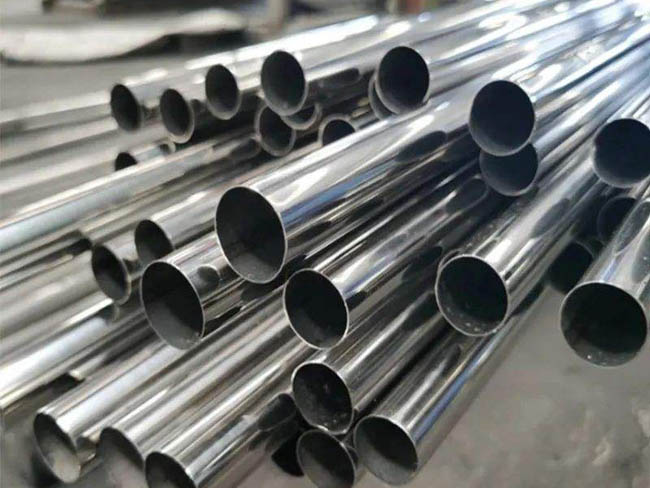
Marine seamless stainless steel pipes are manufactured from austenitic stainless steels such as 304, 304L, 316, and 316L. They feature excellent seawater corrosion resistance and high structural strength, and are widely used in ship piping systems, seawat
 04
TP304 stainless steel seamless pipe (ASTM A312/A213 TP304) is one of the most widely used austenitic stainless steel pipes in industrial applications. With its excellent corrosion resistance, outstanding workability, and stable performance in both high an