
-
Email
-
WhatsApp
-
Address
Zhengzhou, China
Zhengzhou, China
 By Hermione
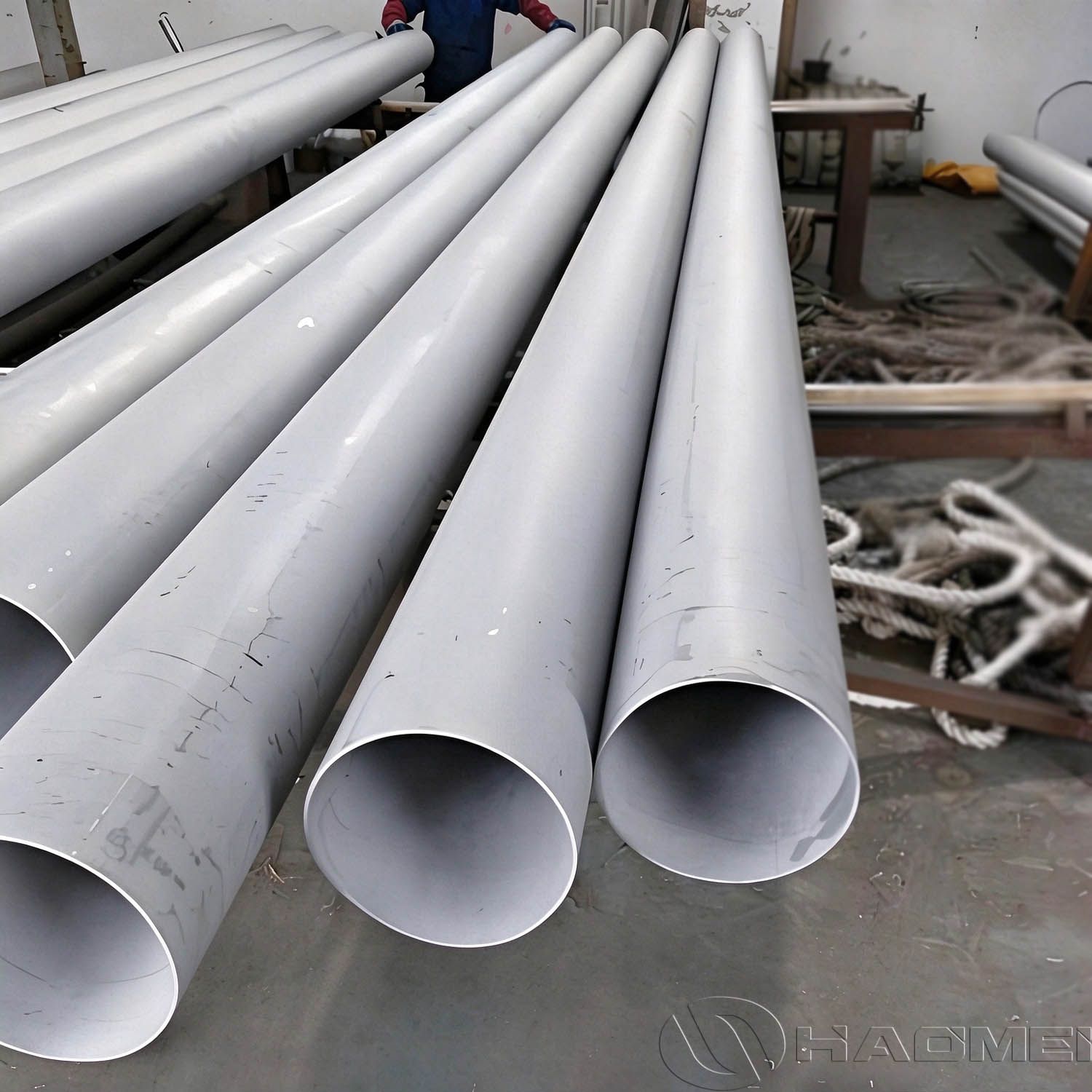
ASTM A312 TP316L refers to 316L stainless steel pipe. The prefix "TP" stands for "Type" in stainless steel pipe designations. TP316L pipe can be manufactured in seamless or longitudinally welded form, with butt-welded ends or threaded ends available depending on the piping application.
ASTM A312 is the standard specification covering seamless, welded, and heavily cold-worked welded austenitic stainless steel pipes intended for high-temperature service and general corrosive-service piping applications.
TP316L is a widely used low-carbon austenitic stainless steel grade containing chromium, nickel, and molybdenum as its primary alloying elements. Compared with 304L stainless steel, 316L contains molybdenum, which generally provides improved resistance to pitting corrosion and crevice corrosion in chloride-containing environments.
The "L" indicates a low-carbon grade. Its lower carbon content helps reduce the risk of intergranular corrosion after welding, making 316L especially suitable for industrial and marine piping systems requiring extensive welding and on-site installation.
The seamless construction has no longitudinal weld seam and provides good wall continuity, making it suitable for piping systems with high requirements for material reliability and internal flow-path quality.
For LNG carrier cargo piping systems, TP316L seamless stainless steel pipe is commonly supplied in the solution-annealed condition, with pickled and passivated or bright-annealed surfaces available. Bright-annealed pipe offers additional benefits for cryogenic piping: its inner surface has an extremely thin oxide layer, helping reduce potential particulate contamination during low-temperature fluid transport and protecting downstream LNG pumps, valves, and other sensitive equipment.
The excellent cryogenic toughness of austenitic stainless steel comes from its face-centered cubic (FCC) crystal structure. Unlike ferritic or martensitic steels, FCC materials do not undergo a ductile-to-brittle transition during cooling. Their slip systems remain active at cryogenic temperatures, helping prevent the brittle fracture behavior that carbon steels may experience below approximately -40°C.
TP316L can maintain excellent toughness at -196°C, the temperature of liquid nitrogen, which is significantly below the typical LNG service temperature of approximately -162°C. This provides a substantial safety margin for properly specified cryogenic piping applications.
Under ASTM A312, TP316L has minimum room-temperature mechanical property requirements of approximately:
Tensile Strength: 485 MPa minimum
Yield Strength: 170 MPa minimum
At low temperatures, the yield strength of TP316L generally increases, while its ductility and toughness remain at acceptable levels when the material is properly manufactured, heat-treated, and tested.
We manufacture and inspect TP316L seamless stainless steel pipes in accordance with ASTM A312 / ASME SA312 requirements. Cryogenic impact testing can be provided in accordance with project specifications.
Inspection Item | Technical Specification |
| Material Grade | ASTM A312 TP316L / UNS S31603 / EN 1.4404 / SUS 316L |
| Reference Standards | ASTM A312, ASTM A358, ASME SA312, EN 10216-5 |
| Outside Diameter (OD) | 1/8" NB to 24" NB (10.3 mm–610 mm) |
| Wall Thickness | SCH 5S, SCH 10S, SCH 40S, SCH 80S, SCH 160, or customized |
| Length | Standard 6 m or 12 m lengths; custom lengths available |
| Pipe End Type | Plain ends, beveled ends, threaded ends, or customized ends |
| Heat Treatment | Solution annealed |
| Delivery Condition | Solution Annealed & Pickled / Bright Annealed (BA) |
| Cryogenic Impact Test | ASTM A370 Charpy V-Notch impact testing at -196°C, subject to project requirements |
| Non-Destructive Testing | 100% eddy current testing (ET), ultrasonic testing (UT), and hydrostatic testing available |
Final dimensions, test temperatures, acceptance criteria, and inspection requirements shall be confirmed in accordance with the purchase order, project specification, and applicable classification society rules.
1. Excellent Cryogenic Toughness for LNG Carriers
TP316L maintains high impact toughness under extremely low-temperature conditions and is suitable for LNG carrier auxiliary piping, cryogenic fuel gas piping, low-temperature process piping, and related marine cryogenic systems.
The seamless structure eliminates the longitudinal weld seam and helps enhance piping reliability under cyclic thermal loads and pressure fluctuations encountered during marine service.
2. Excellent Resistance to Seawater and Chloride Corrosion
Compared with 304 stainless steel, the molybdenum content in TP316L provides improved resistance to chloride-induced pitting corrosion, crevice corrosion, and corrosion in salt-laden marine environments.
It is widely used in marine cooling systems, seawater inlet and outlet piping, seawater desalination process lines, and piping exposed to brackish water or salt spray conditions.
3. Good Weldability and Post-Weld Corrosion Resistance
As a low-carbon grade, TP316L helps reduce the risk of sensitization and intergranular corrosion after welding. In many applications, it can be welded without post-weld heat treatment, subject to the relevant welding procedure and project requirements.
This feature makes TP316L suitable for shipyard fabrication, marine installation, and desalination plant piping assembly.
4. Stable Mechanical Properties and Reliable Pressure Resistance
The seamless manufacturing process provides a uniform pipe structure and stable wall thickness. TP316L seamless pipe offers dependable tensile strength, yield strength, and pressure-bearing performance for fluctuating marine operating pressures and cyclic loads in seawater desalination plants.
5. Clean Internal Surface for Desalination Applications
With a smooth internal surface, TP316L seamless pipe can help reduce scale formation, sediment accumulation, and biofilm attachment. It is suitable for seawater desalination systems including:
Reverse Osmosis (RO)
Multi-Effect Distillation (MED)
Multi-Stage Flash Distillation (MSF)
Seawater feedwater lines
Brine discharge lines
Cooling and auxiliary process piping
TP316L seamless stainless steel pipe is typically manufactured through hot extrusion or hot piercing followed by cold drawing.
Heating of stainless steel round billets to approximately 1,200°C;
Piercing or extrusion to form hollow tubes;
Multi-pass cold drawing to achieve the required outside diameter and wall thickness;
Intermediate annealing to remove work hardening;
Final solution annealing, typically at 1,040–1,100°C followed by rapid cooling, to obtain a uniform austenitic microstructure;
Pickling and passivation to remove oxide scale and restore the protective passive layer.
For bright-annealed (BA) pipe, final heat treatment is completed in a hydrogen or vacuum atmosphere to achieve a bright, clean internal and external surface finish.
Chemical composition analysis by spectrometer;
Tensile testing;
Hydrostatic testing;
Eddy current testing (ET);
Ultrasonic testing (UT);
Dimensional inspection;
Surface quality inspection;
Intergranular corrosion testing, if required;
Charpy V-notch impact testing at -196°C for LNG and cryogenic service projects;
Ferrite content testing, where specified;
EN 10204 3.1 or 3.2 material certificates;
Third-party inspection reports from SGS, BV, TUV, LR, DNV, ABS, or other designated inspection agencies.
For LNG cryogenic piping applications, purchasers may require additional low-temperature impact testing and ferrite content control according to the project specification, welding procedure, and classification society requirements.
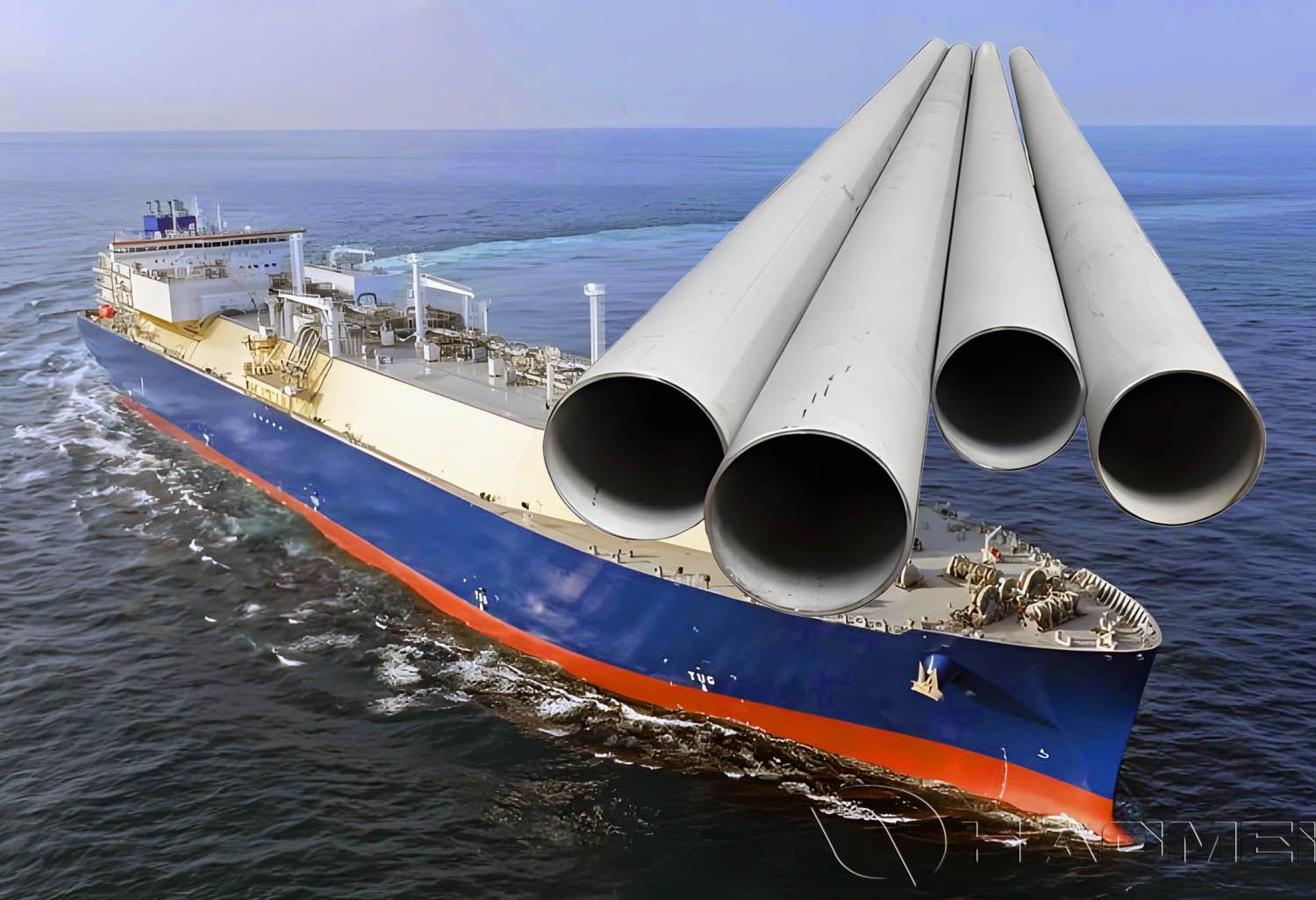
LNG Vessels and Offshore Cryogenic Systems
Cryogenic auxiliary piping and fuel gas piping for LNG carriers; process piping and cryogenic instrument tubing for offshore floating LNG units.
Marine Cooling Systems
Seawater cooling piping, auxiliary machinery cooling circuits, marine heat exchanger tube bundles, and ballast water piping.
Seawater Desalination Projects
Process piping for RO, MED, and MSF desalination technologies; seawater intake piping and brine discharge piping.
Other Marine and Industrial Applications
Offshore platform process piping, coastal power plant cooling systems, and marine chemical piping for chloride-containing media.
In-Stock Availability & Fast Delivery: We maintain ready stock of common specifications (SCH 10S / SCH 40S) to meet urgent shipbuilding and maintenance requirements.
Custom Processing Support: We offer services based on your drawings, including end beveling, cut-to-length services, internal surface polishing (EP/BA), and the supply of matching elbows and flanges.
Secure Export Packaging: We utilize end caps, plastic film wrapping, and fumigated wooden crates to ensure zero damage during international maritime transport.
 01
01
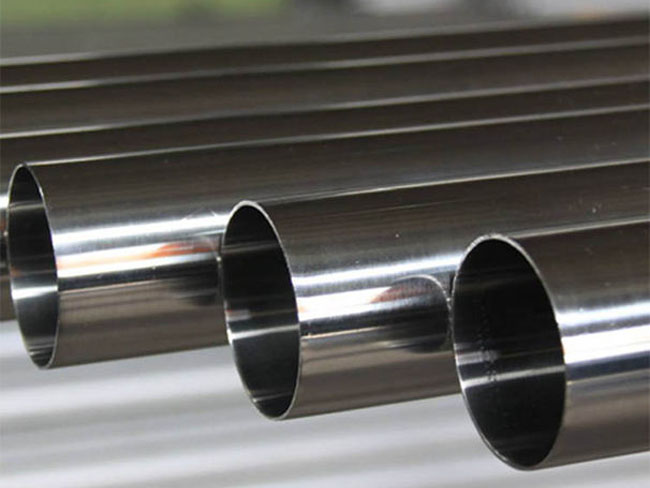
Marine seamless stainless steel pipes are manufactured from austenitic stainless steels such as 304, 304L, 316, and 316L. They feature excellent seawater corrosion resistance and high structural strength, and are widely used in ship piping systems, seawat
 02
02
TP304 stainless steel seamless pipe (ASTM A312/A213 TP304) is one of the most widely used austenitic stainless steel pipes in industrial applications. With its excellent corrosion resistance, outstanding workability, and stable performance in both high an
 03
03
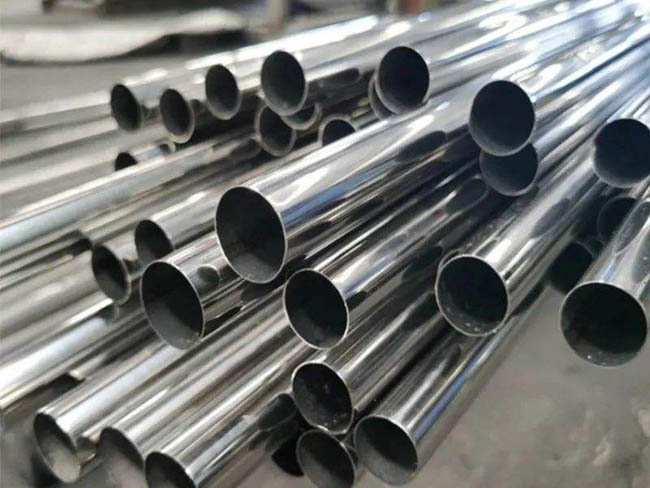
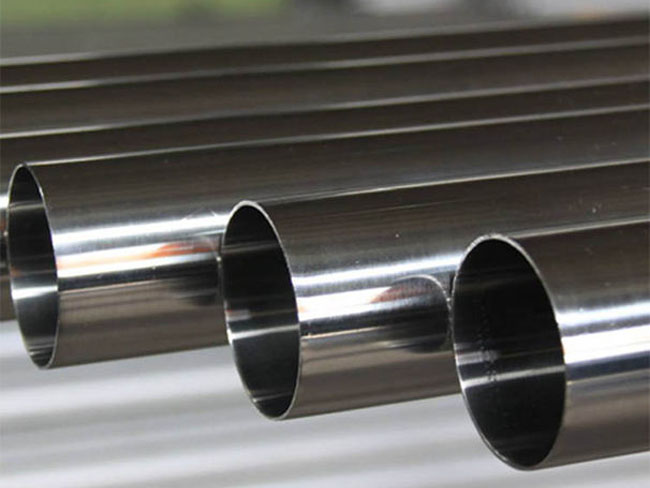
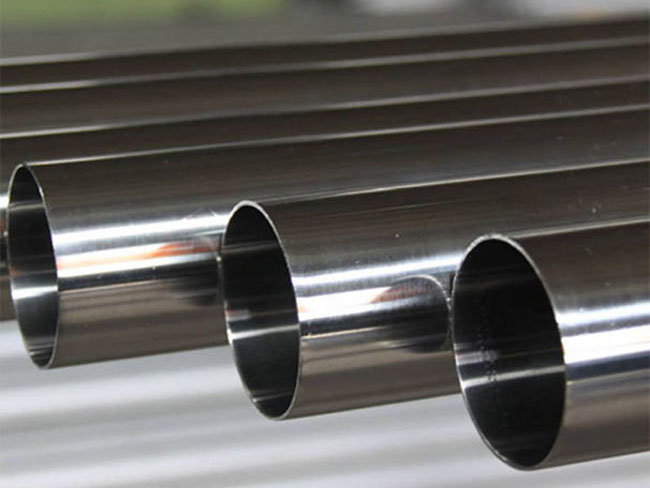
TP316L seamless stainless steel pipe conforms to ASTM A312, A213 and A269 standards, and has excellent corrosion resistance and low carbon welding performance, making it suitable for the chemical, shipbuilding, pharmaceutical and food industries.
 04
04
Duplex stainless steel pipe consists of approximately equal proportions of ferrite and austenite stainless steel phases. It combines the high strength of ferritic stainless steel with the toughness of austenitic stainless steel. Its yield strength is gene