
-
Email
-
WhatsApp
-
Address
Zhengzhou, China
Zhengzhou, China
 By Hermione
Schedule 40 seamless 316L stainless steel pipe can withstand specified pressure and temperature conditions while offering long-term resistance to salt spray, high humidity, chloride ions in seawater, and corrosion caused by complex media. 316L marine-grade seamless stainless steel pipe in Schedule 40 has become one of the most trusted solutions for shipyards, offshore engineering contractors, marine equipment manufacturers, and industrial distributors.
316L seamless stainless steel pipe is manufactured from austenitic 316L stainless steel through processes such as piercing, hot rolling, cold drawing, cold rolling, solution annealing, and finishing. Because it is seamless, the pipe body contains no longitudinal weld seam.
Compared with standard 304 stainless steel, the key advantage of 316L lies in its addition of approximately 2.0%–3.0% molybdenum (Mo). This alloying element provides improved resistance to pitting corrosion, crevice corrosion, and chloride-induced corrosion. As a result, 316L seamless stainless steel pipe is better suited for marine and offshore environments than 304 seamless stainless steel pipe.
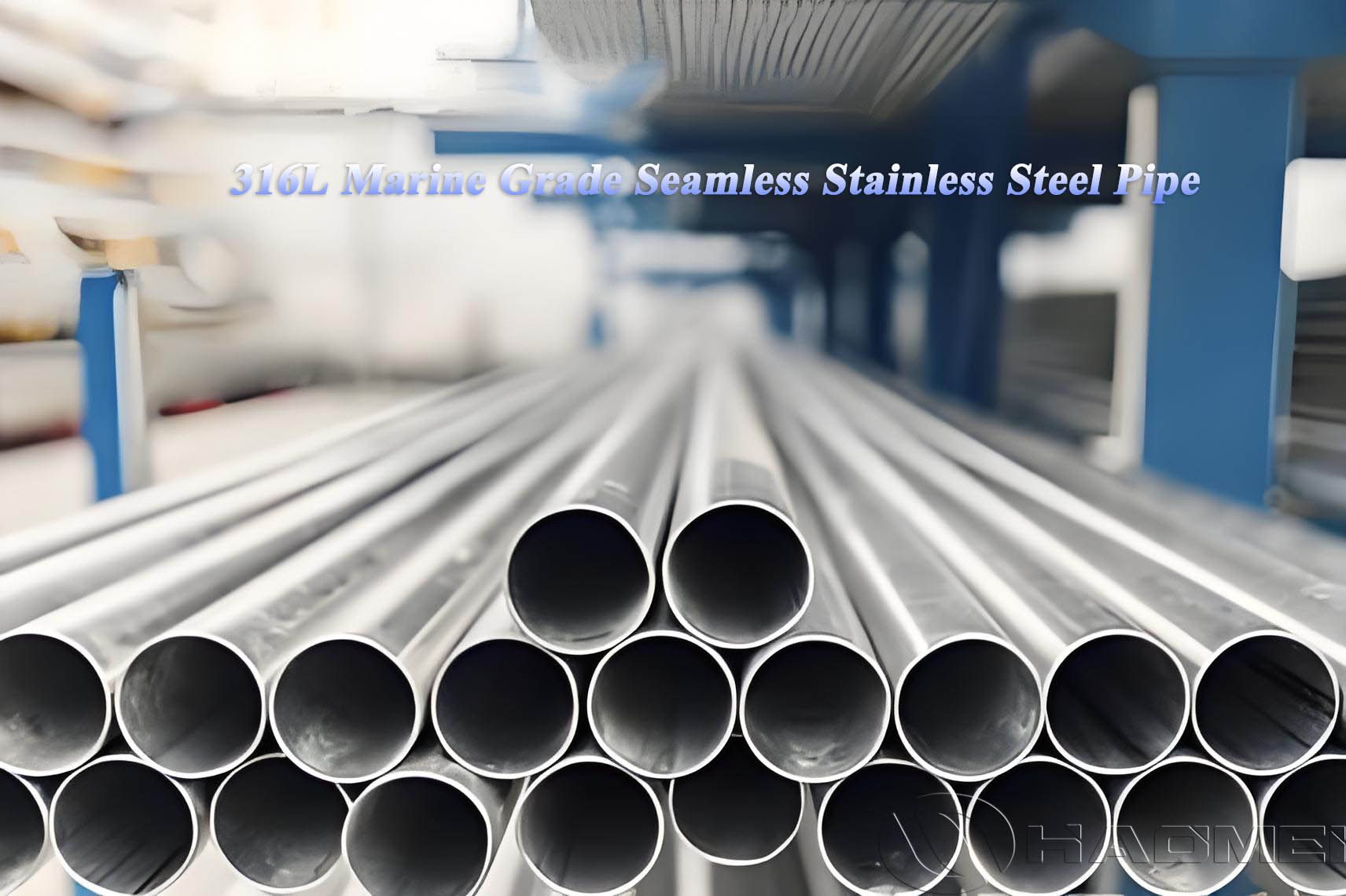
"Schedule" refers to the pipe wall thickness designation. Schedule 40, also commonly referred to as SCH 40 or SCH 40S for stainless steel pipe, is one of the most widely used wall-thickness series and is generally considered a standard wall thickness grade.
Schedule 40 offers an effective balance among strength, rigidity, weight, and cost. It can meet the requirements of many medium-pressure service conditions without excessive material consumption or unnecessary cost increases caused by overly thick walls.
Compared with thinner Schedule 10 pipe, Schedule 40 provides greater pressure-bearing capability. Compared with thicker Schedule 80 pipe, it offers advantages in material cost and overall weight. This balanced design makes it one of the most common choices for shipbuilding and marine engineering applications.
According to ASME B36.19M, the main dimensions of 316L Schedule 40 seamless stainless steel pipe are as follows:
| Nominal Pipe Size (NPS) | Outside Diameter (inches / mm) | Wall Thickness (inches / mm) | Approx. Weight (kg/m) |
| 1/2" | 0.840 / 21.34 | 0.109 / 2.77 | 1.27 |
| 1" | 1.315 / 33.40 | 0.133 / 3.38 | 2.50 |
| 2" | 2.375 / 60.33 | 0.154 / 3.91 | 3.93 |
| 4" | 4.500 / 114.30 | 0.237 / 6.02 | - |
| 6" | 6.625 / 168.28 | 0.280 / 7.11 | - |
1. Excellent Seawater Corrosion Resistance
The molybdenum-containing composition of 316L performs well in seawater, salt spray, and chloride-containing environments. Whether used in ship ballast systems, seawater cooling pipelines, or offshore platform process lines, 316L can effectively resist pitting and crevice corrosion.
2. Low-Carbon Design for Better Weldability
316L has a low carbon content, making it less likely to form excessive carbide precipitation in the heat-affected zone during welding. This helps reduce the risk of intergranular corrosion.
This feature is especially important for piping projects requiring flange connections, pipe bending, on-site welding, and system assembly.
3. Unique Advantages of Seamless Construction
Seamless stainless steel pipe has no welded seam, eliminating a potential weak point in the pipe structure. It offers high structural integrity and a smooth surface finish.
For critical applications involving elevated pressure, corrosive media, and demanding operating conditions, seamless pipe is often considered a more reliable choice.
4. Reliable Pressure-Bearing Performance
The Schedule 40 wall thickness provides dependable pressure-bearing capability for many industrial and marine piping systems. However, it should be noted that pressure ratings decrease as operating temperature rises. At approximately 316°C, the pressure rating may fall to around 70% of its room-temperature value, depending on the applicable code, design conditions, and material specifications.
5. Long Service Life and Lower Maintenance Costs
Although the initial purchase cost of 316L seamless stainless steel pipe is generally higher than carbon steel pipe, galvanized pipe, or standard 304 stainless steel pipe, its corrosion resistance and durability can reduce replacement frequency, shutdowns, repair work, and corrosion-protection costs over the full service life of the system.
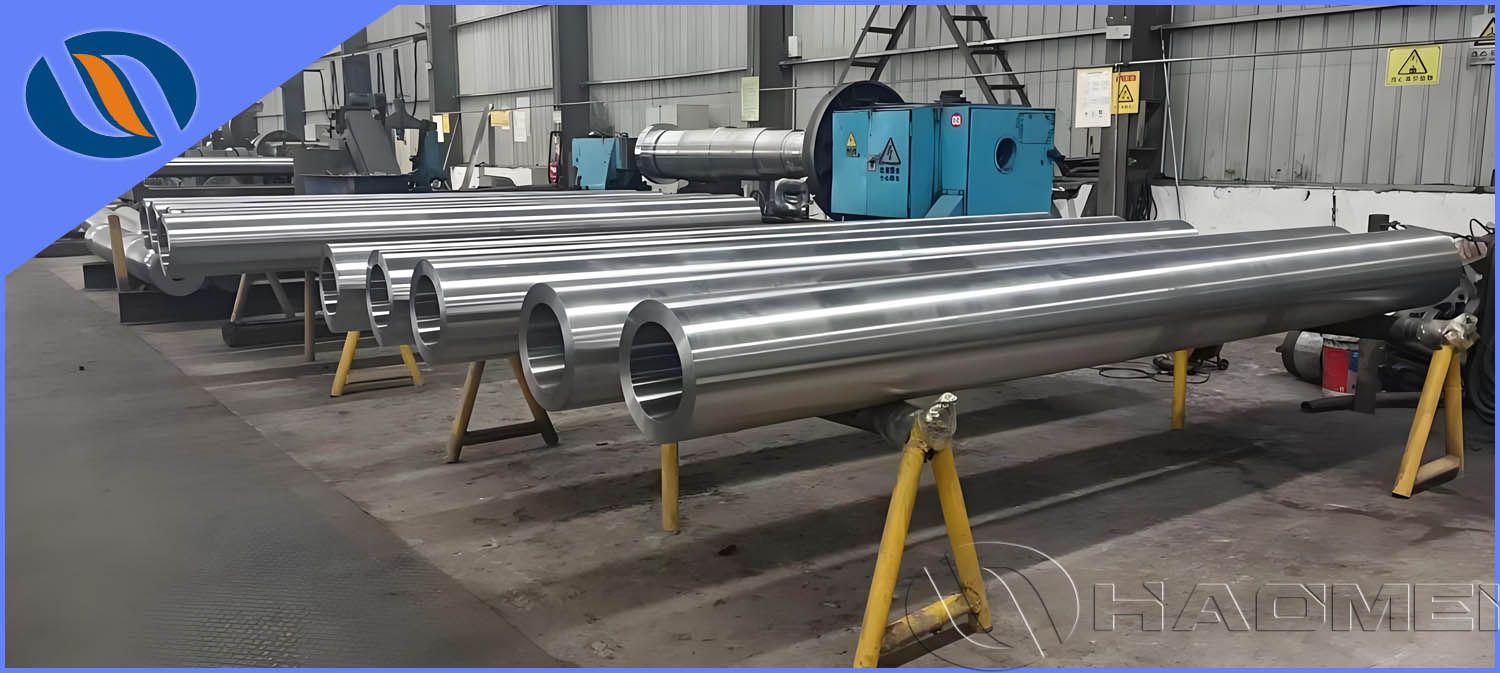
When purchasing 316L marine-grade seamless stainless steel pipe, the following key standards should be considered:
ASTM A312 / ASME SA312 is one of the primary standards for seamless and welded austenitic stainless steel pipes. It covers technical requirements including chemical composition, mechanical properties, dimensions, and tolerances. This standard helps ensure that the pipe is suitable for demanding environments in chemical processing, petroleum, marine, and offshore applications.
ASME B36.19M specifies the outside diameters, wall thicknesses, and dimensional requirements for stainless steel pipe, including clear definitions for wall thickness series such as Schedule 40S.
In addition, depending on the specific application, standards such as ASTM A213 (seamless tubes for heat exchangers) and ASTM A269 (tubing for general service) may also apply. For marine applications, compliance with the specific requirements of classification societies, such as Germanischer Lloyd (GL), Bureau Veritas (BV), and the American Bureau of Shipping (ABS) regarding austenitic stainless steel tubing is also required.
Ship functional systems: Ballast systems, bilge systems, fire-fighting piping, cargo oil transfer lines, heating coils, venting and sounding pipes, etc.; operating pressures typically range from 0.7 to 40 MPa, with temperatures between 60°C and 300°C.
Specialized LNG/LPG vessels: Cargo handling piping systems for liquefied natural gas and liquefied petroleum gas carriers, requiring materials with exceptional low-temperature toughness and corrosion resistance.
Offshore engineering equipment: Structural pipes, risers, and process piping for offshore drilling platforms; high-pressure brine piping and intake systems for seawater desalination plants.
Piping for ship structures: Masts, flagpoles, railings, handrails, and various steel structural supports.
Q1: Why choose 316L instead of 304 stainless steel?
A: 316L contains molybdenum, which provides better resistance to chloride-ion corrosion. It is particularly suitable for marine, coastal, and salt-spray environments where 304 stainless steel may be more vulnerable to pitting corrosion.
Q2: What is the difference between Schedule 40 and Schedule 80?
A: Schedule 80 pipe has a thicker wall than Schedule 40 pipe for the same nominal pipe size. Therefore, Schedule 80 generally provides higher pressure-bearing capability but also has greater weight and material cost. The appropriate schedule should be selected according to design pressure, temperature, corrosion allowance, applicable standards, and operating conditions.
Q3: What is the difference between seamless pipe and welded pipe?
A: Seamless pipe is manufactured without a longitudinal weld seam and is often selected for high-pressure, high-temperature, or critical corrosive applications. Welded pipe may offer lower cost and good performance when manufactured and inspected to the appropriate standard. The best choice depends on the project specification, service conditions, budget, and inspection requirements.
Q4: How should the surface of 316L stainless steel pipe be treated?
A: The pipe surface should be kept clean and protected from iron contamination, chloride deposits, oil, and construction debris. Depending on the project requirements, pickling and passivation may be used after fabrication or welding to help restore corrosion resistance. Proper storage, handling, and cleaning are also essential.
Q5: How long is the service life of 316L stainless steel pipe?
A: Under proper material selection, installation, operating conditions, and maintenance practices, 316L stainless steel pipe can provide service life for several decades. Actual service life depends on factors such as chloride concentration, temperature, flow velocity, crevice conditions, welding quality, surface condition, and maintenance level.
 01
01
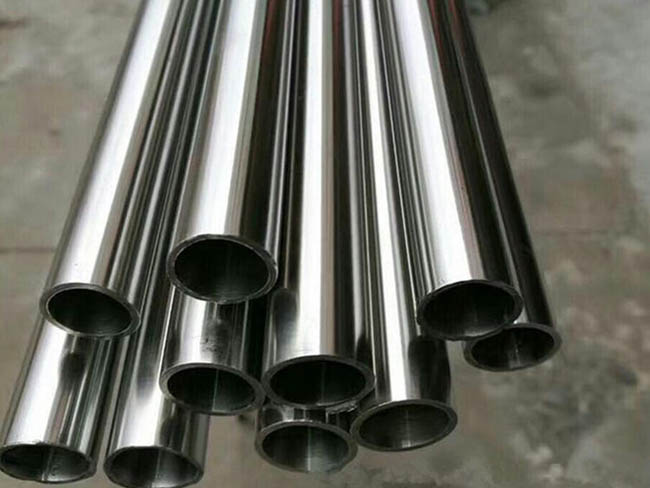
304L stainless steel pipe is produced from the low-carbon version of the widely used austenitic 18-8 stainless steel. The reduced carbon content allows it to be welded without causing localized corrosion. This is because 304L stainless steel produces less
 02
02
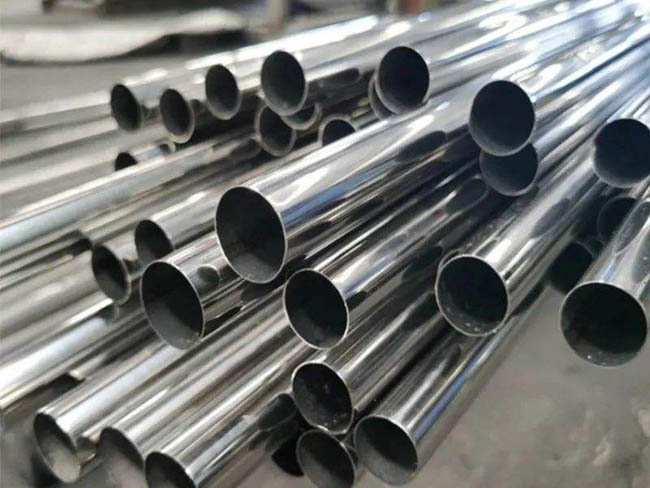
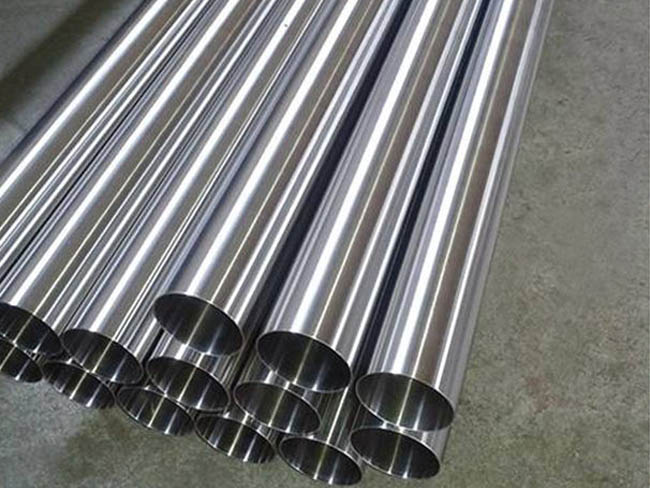
TP304 stainless steel seamless pipe (ASTM A312/A213 TP304) is one of the most widely used austenitic stainless steel pipes in industrial applications. With its excellent corrosion resistance, outstanding workability, and stable performance in both high an
 03
03
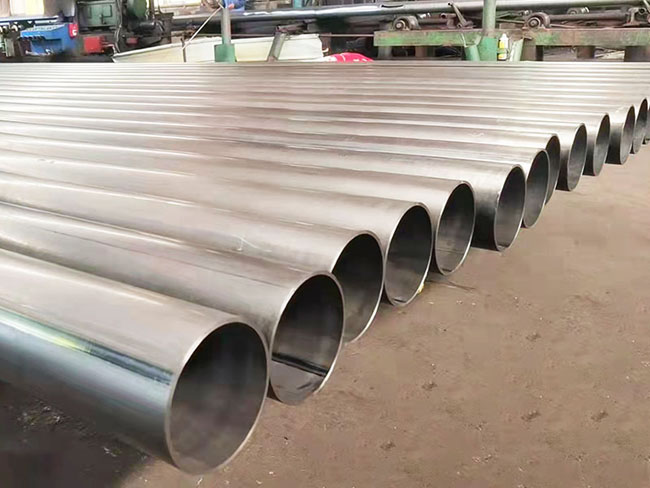
TP316 seamless stainless steel pipe offers excellent corrosion resistance and strength for chemical, marine, food, and petrochemical applications. Manufactured to ASTM A312, A213, and EN 10216-5 standards with customizable sizes and finishes.
 04
04
Austenitic seamless stainless steel pipe refers to seamless steel tubing whose microstructure remains stable austenite at room temperature. These steels typically use chromium and nickel as the primary alloying elements. A typical example is 18Cr-8Ni (Gra