
-
Email
-
WhatsApp
-
Address
Zhengzhou, China
Zhengzhou, China
 By Hermione
In the shipbuilding and offshore engineering industries, piping systems are often regarded as the "blood vessels" of a vessel. They perform critical functions including seawater cooling, ballast water handling, fuel transfer, hydraulic control, compressed air supply, and process fluid transportation.
These piping systems operate for long periods in demanding environments characterized by high salinity, high humidity, salt spray, condensation, vibration, and chloride-containing media. As a result, marine pipe materials must meet stringent requirements for corrosion resistance, mechanical strength, weldability, and long-term reliability.
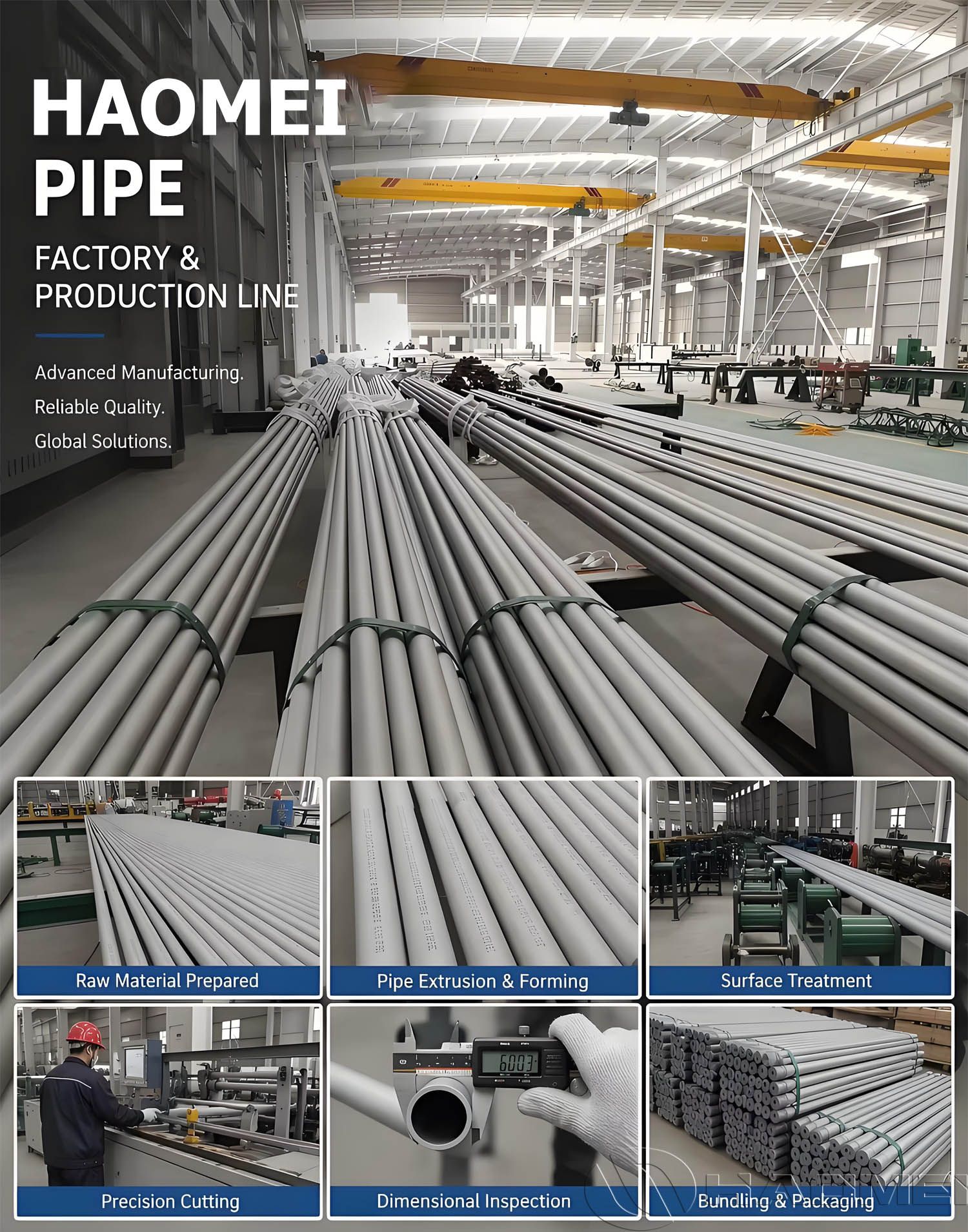
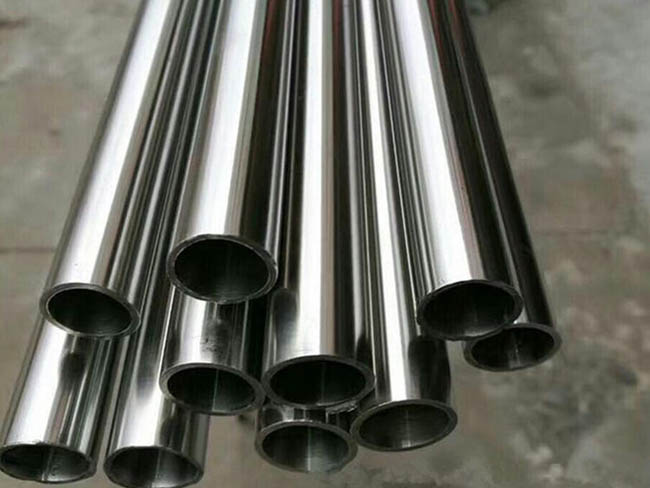
In response to these challenges, 316L seamless stainless steel pipe has become an increasingly preferred solution for marine piping systems. With excellent corrosion resistance, strong welding adaptability, a seamless structure, and a practical matte industrial surface finish, it is suitable for a broad range of shipbuilding and offshore applications.
316L is a low-carbon austenitic stainless steel alloy containing chromium, nickel, and molybdenum as its principal alloying elements. Under ASTM A312/A312M, TP316L is an austenitic stainless steel pipe grade suitable for general corrosive environments and specified industrial piping systems.
The ASTM A312 standard includes requirements for chemical composition, heat treatment, mechanical properties, dimensional tolerances, and hydrostatic or non-destructive electrical testing, depending on the applicable product requirements.
The term "seamless" means that the pipe is manufactured without a conventional longitudinal welded seam. For piping systems subjected to internal pressure, fluid flow, vibration, and complex service conditions, seamless construction helps minimize concerns associated with welded joints and supports consistent pipe integrity.
Excellent corrosion resistance, particularly in salt spray, seawater, and chloride-containing environments
Low-carbon composition for improved welding performance
Seamless structure with uniform wall thickness and reliable pressure resistance
Good toughness at low temperatures and stable performance at elevated temperatures
Long service life, helping reduce maintenance and replacement costs
Available in a wide range of outside diameters, wall thicknesses, lengths, and delivery conditions
The production and inspection of 316L seamless stainless steel pipes adhere to a series of rigorous international standards. ASTM A312/A312M is the most widely applied standard for seamless stainless steel pipes; ASTM A213 covers seamless pipes for heat exchangers and boilers; ASTM A269 addresses general-purpose seamless and welded austenitic stainless steel pipes; and ASTM A511 specifically covers seamless mechanical tubing for marine applications.
316L seamless pipes used in mainstream marine piping systems hold type approvals from classification societies such as ABS, DNV, LR, BV, and CCS. They undergo hydrostatic testing and eddy current testing based on specific requirements, ensuring the traceability of quality and the verifiability of performance for every pipe. ABS type approval mandates that 316L seamless pipes undergo pickling and passivation in accordance with ASTM A380 prior to leaving the factory—a requirement that also serves as a standard basis for the matte surface finish.
1. Resistance to Seawater and Chloride Ion Corrosion
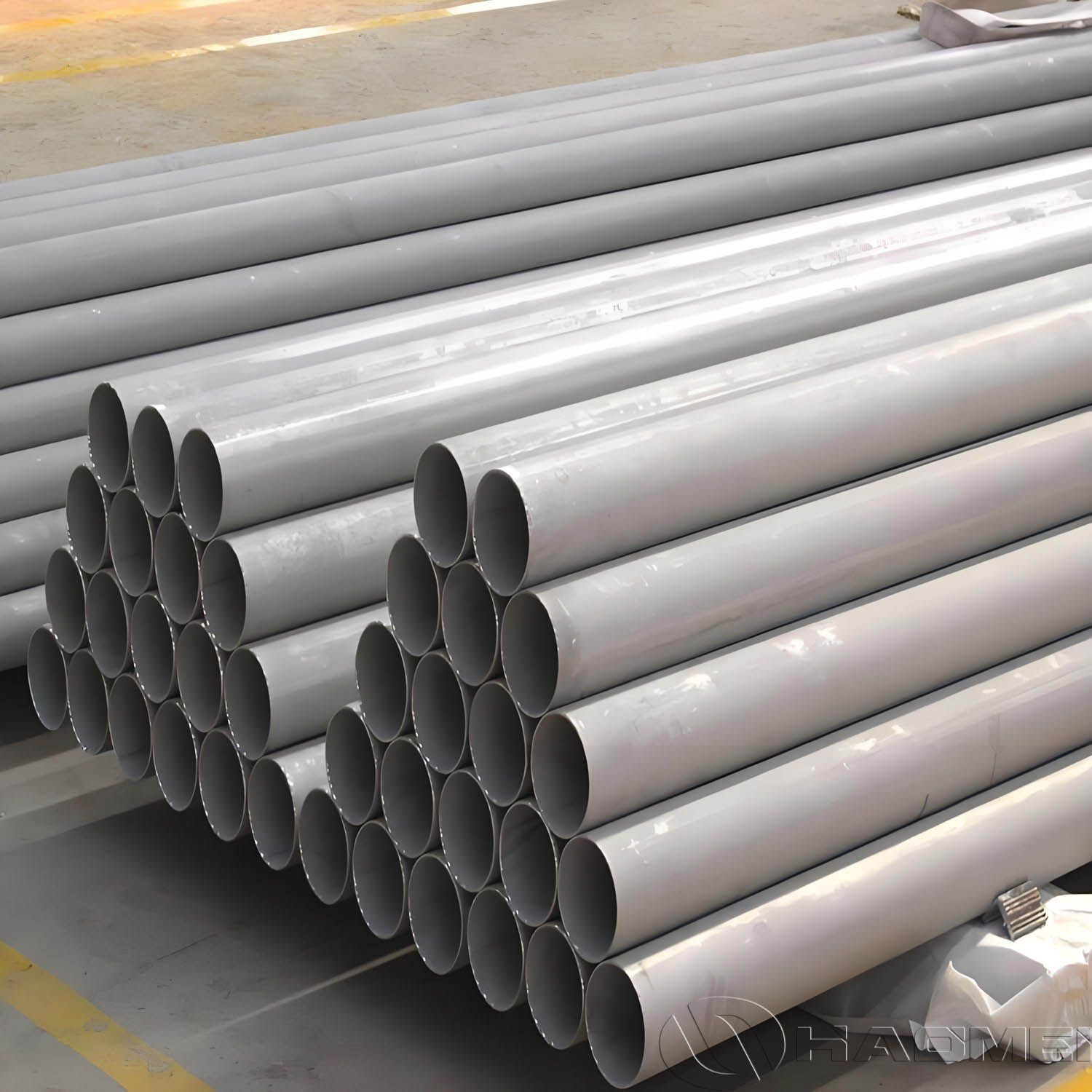
The molybdenum content in 316L provides superior resistance to pitting and crevice corrosion compared to 304 grade. Its passivated matte surface forms a stable chromium oxide film that withstands seawater, salt spray, condensation, and high-humidity air, making it suitable for both submerged lines and deck process piping.
2. Excellent Welding and Mechanical Properties
The low-carbon formulation of 316L maintains corrosion resistance after welding, eliminating the need for post-weld heat treatment. Its seamless structure offers stable tensile strength and pressure-bearing capacity, making it ideal for transporting medium-pressure fluids, such as cooling water, fuel, compressed air, and sanitary process media-while withstanding shipboard vibrations.
3. Practical Matte Surface
The matte finish prevents hazardous glare in engine rooms and navigation areas. Its uniform surface facilitates inspections for stains or corrosion spots and minimizes aesthetic damage from minor bumps or scrapes during handling and installation.
4. Long Service Life and Low Maintenance Costs
When correctly specified for marine environments, 316L matte seamless piping offers a long service life. The passivation film is self-healing in oxygen-rich conditions, reducing the need for anti-corrosion touch-ups and pipe replacements, thereby lowering downtime and total lifecycle operating costs.
316L seamless stainless steel pipe can be supplied in various sizes and delivery conditions according to project requirements.
| Item | Common Options |
| Material Grade | 316L / TP316L |
| UNS Number | S31603 |
| Manufacturing Method | Seamless |
| Standards | ASTM A312 / ASME SA312 |
| Outside Diameter | Approx. 6 mm–323.9 mm, customizable |
| Wall Thickness | SCH 5S, SCH 10S, SCH 40S, SCH 80S, etc. |
| Length | 5.8 m, 6 m, 11.8 m, 12 m, or cut-to-length |
| Surface Finish | Matte industrial finish, pickled surface, or customized finish |
| Delivery Length | Fixed length or random length |
| Additional Processing | Cutting, beveling, end finishing, and surface treatment |
| Inspection | Chemical analysis, mechanical testing, dimensional inspection, hydrostatic test, eddy current test, or other NDT as required |
Unlike decorative stainless steel pipes that require a highly polished appearance, such as mirror polish or decorative brushed finishes, marine and industrial piping systems commonly use a matte industrial finish, including annealed and pickled surfaces.
This finish is selected not only for cost efficiency but also for operational practicality.
1. Uniform and Professional Appearance
A matte finish is less likely to show fingerprints, light scratches, handling marks, and uneven reflections than a high-gloss surface. For ship engine rooms, deck equipment, modular pipe spools, and visible piping areas, a matte industrial surface provides a more consistent and professional appearance.
2. Reduced Glare and Reflection
In ship engine rooms, control areas, and locations exposed to strong light, excessive metal reflection may interfere with visibility and daily operation. Matte-finished stainless steel has lower reflectivity and is more suitable for industrial equipment environments where functionality, durability, and visual comfort are important.
3. Better Suitability for Fabrication and Installation
A properly processed industrial matte surface provides good surface consistency for cutting, bending, welding, assembly, and pipe support installation. A uniform finish can also facilitate visual inspection and quality control during fabrication and installation.
4. Easier Cleaning and Maintenance Management
Marine piping systems require regular cleaning, inspection, and maintenance. After proper pickling, passivation, and surface treatment, 316L seamless stainless steel pipe develops a more stable passive oxide layer, which can improve its corrosion resistance in service.
Common matte industrial finishes can be controlled according to production processes and customer requirements, including:
Pickled and passivated matte finish
Annealed and pickled finish
Brushed matte finish
Sandblasted matte finish
Customized industrial surface finishes
With high reliability and good corrosion resistance, 316L matte seamless stainless steel pipe is widely used in critical piping systems on vessels and offshore platforms, including:
Seawater cooling and fire-fighting pipelines
Bilge water and ballast system auxiliary lines
Potable water and sanitary water supply systems for cargo ships, yachts, and passenger vessels
Offshore platform process piping and utility piping
Engine room process lines, compressed air systems, and chemical transfer pipelines
Below-deck pipelines exposed to high humidity and salt spray environments
Instrumentation tubing and sampling lines
Marine equipment connection pipes and prefabricated pipe spools
Final material selection should be based on the actual operating medium, temperature, pressure, chloride concentration, flow velocity, design code, and classification society requirements.
When purchasing matte 316L seamless stainless steel pipe for marine projects, engineers and procurement professionals should verify the following key requirements:
1. Material Certificate: 3.1 or 3.2 material inspection certificate confirming the chemical composition and mechanical properties of 316L.
2. Pipe Standard: ASTM A312, ASTM A269, EN 10216-5, or other marine-approved standards.
3. Surface Finish: Industrial pickling / brushed matte finish; fully passivated.
4. Tolerances: Outer diameter and wall thickness tolerances meet marine pressure specification requirements.
5. Non-Destructive Testing: Seamless pipes must undergo hydrostatic testing or eddy current testing to ensure pipe integrity.
If you are looking for ASTM A312 TP316L matte seamless stainless steel pipes for marine piping systems, offshore engineering projects, or industrial fluid transportation, our team can support you with detailed specifications, material documentation, customized sizes, surface finish options, and competitive quotations.
Contact our marine engineering materials specialists today to discuss your project requirements and obtain a suitable 316L seamless stainless steel pipe solution.
 01
01
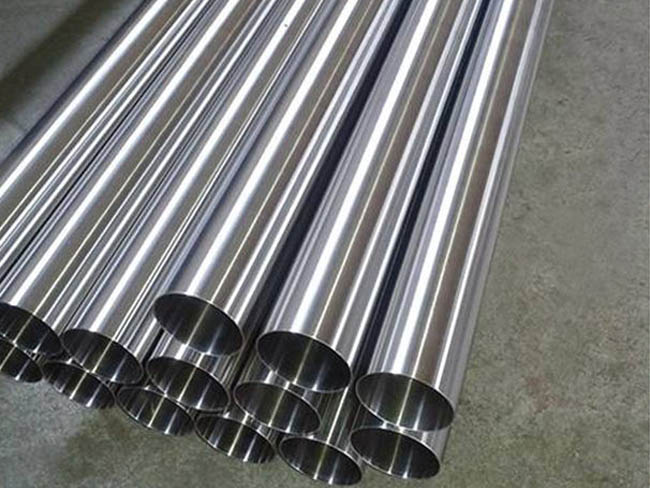
TP316 seamless stainless steel pipe offers excellent corrosion resistance and strength for chemical, marine, food, and petrochemical applications. Manufactured to ASTM A312, A213, and EN 10216-5 standards with customizable sizes and finishes.
 02
02
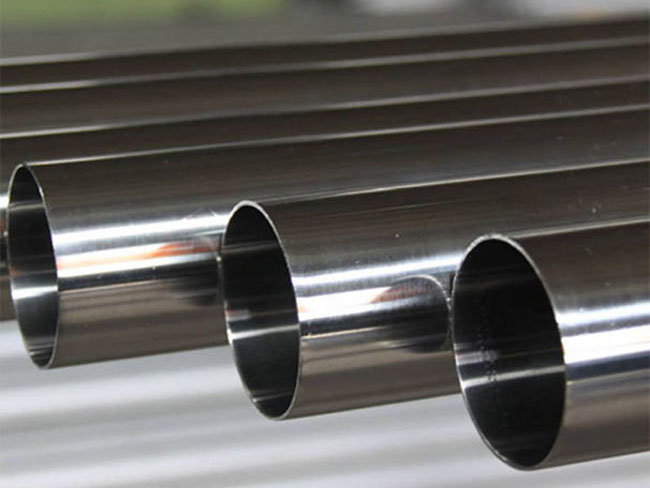
Duplex stainless steel pipe consists of approximately equal proportions of ferrite and austenite stainless steel phases. It combines the high strength of ferritic stainless steel with the toughness of austenitic stainless steel. Its yield strength is gene
 03
03
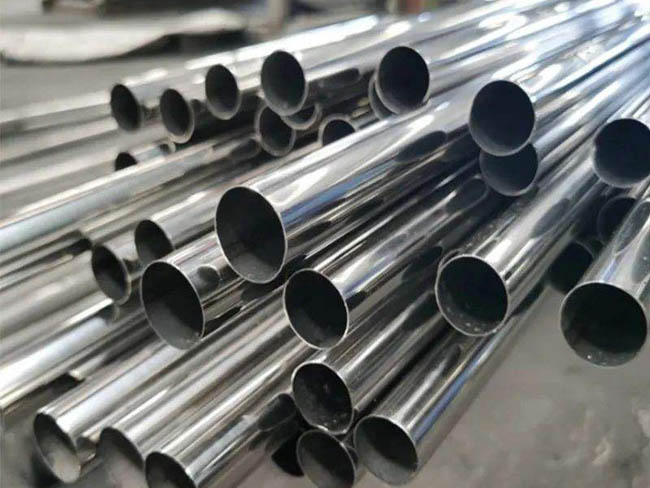
304L stainless steel pipe is produced from the low-carbon version of the widely used austenitic 18-8 stainless steel. The reduced carbon content allows it to be welded without causing localized corrosion. This is because 304L stainless steel produces less
 04
04
Small diameter seamless steel tubes refer to steel pipes with a relatively small outer diameter and a seamless structure without welding joints. The typical outer diameter range is 6 mm–89 mm. These pipes are manufactured through processes such as piercin